
Yangxue Shengfa Capsule: Understanding Its Ingredients and Suitable Applications

Many people encounter the name “Yangxue Shengfa Capsule” when dealing with thinning hair, deteriorating hair quality, or hair loss. It is a common Chinese patent medicine often associated with constitutional states such as blood deficiency and liver-kidney insufficiency. However, if the understanding of this remedy remains at the level of “taking it will grow hair,” it is easy to overlook the TCM (Traditional Chinese Medicine) pattern differentiation approach behind it, as well as some key issues that need attention during its use.
This article will systematically examine Yangxue Shengfa Capsule from the perspectives of its ingredients, traditional TCM theories, the constitutional types it may be more suitable for, and safety precautions that require attention, helping you gain a clearer understanding when considering this type of traditional regulating approach.
Main Ingredients of Yangxue Shengfa Capsule and Their TCM Interpretation
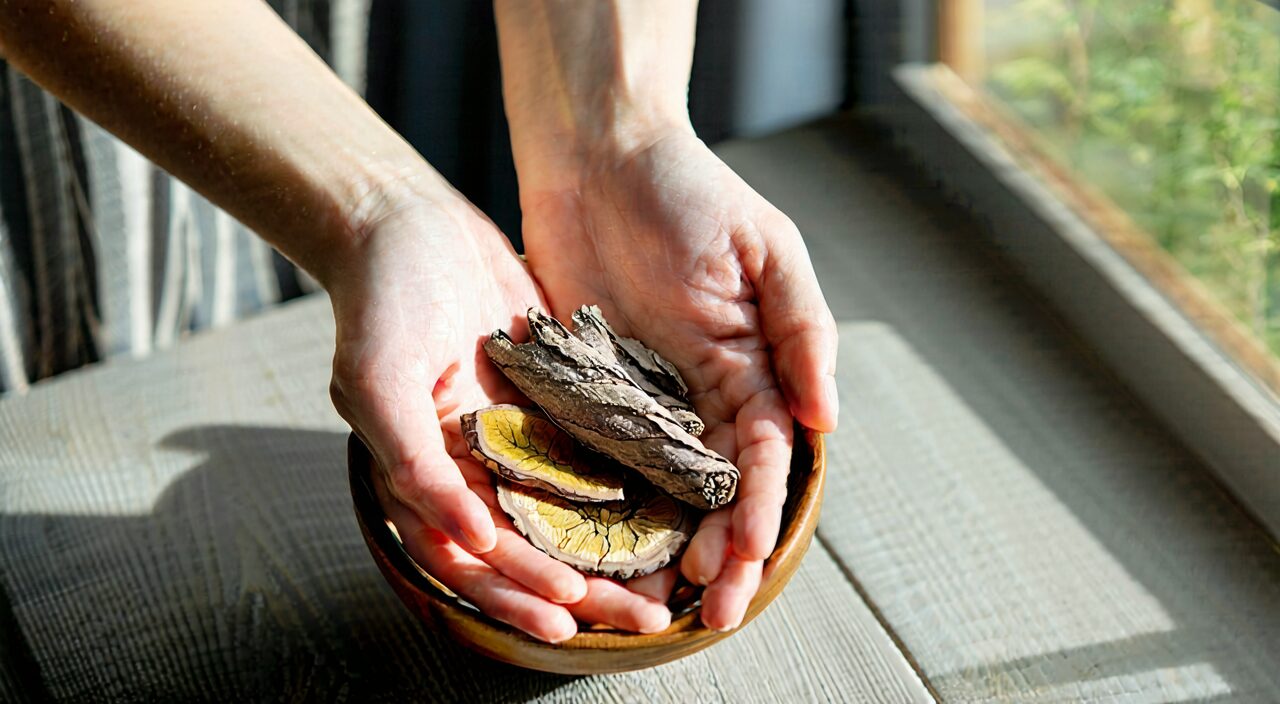
Yangxue Shengfa Capsule is typically composed of multiple Chinese herbs, among which several core herbs are frequently used in TCM formulas for nourishing blood and tonifying the liver and kidney. Understanding the traditional functions of these ingredients helps to grasp the rationale of this Chinese patent medicine and the types of bodily conditions it is more likely to suit.
The Place of He Shou Wu in the Formula
He Shou Wu (Polygonum multiflorum) is an herb often mentioned in Yangxue Shengfa Capsule. In traditional Chinese medicine, processed He Shou Wu (Zhi He Shou Wu) is commonly believed to tonify the liver and kidney, benefit essence and blood, and strengthen the bones and sinews. It has long been associated with premature graying and hair loss. Note that this usually refers to properly processed “Zhi He Shou Wu,” not raw He Shou Wu. Through steaming and processing with auxiliary ingredients, the harsh nature of He Shou Wu is reduced, and its traditional use leans more toward nourishment.
However, in recent years, the risk of liver injury associated with He Shou Wu and its preparations has attracted widespread attention. Some individuals may be sensitive to He Shou Wu components. Therefore, when using Chinese patent medicines containing processed He Shou Wu, it is more rational to treat it cautiously—based on the product instructions and individual circumstances—rather than taking it as a casual daily supplement.
Dang Gui and Shu Di Huang: A Combination for Nourishing Blood and Replenishing Essence
Dang Gui (Angelica sinensis) is a classic blood-nourishing herb in TCM that also has blood-moving properties, commonly used for blood deficiency accompanied by blood stasis. Shu Di Huang (Rehmannia glutinosa prepared) is a commonly used herb that nourishes yin, supplements blood, and replenishes essence to benefit the marrow; it is often paired with Dang Gui to enhance the blood-nourishing effect.
According to traditional understanding, “hair is the surplus of blood”—the growth and luster of hair are thought to be closely related to the nourishment provided by blood. Therefore, these two herbs often appear in formulas centered on the idea of “nourishing blood.” This combination leans toward nourishing yin-blood and improving a blood-deficient state. For tendencies toward blood deficiency caused by prolonged overwork, excessive thinking or worry, and irregular eating habits, it may theoretically offer a supportive approach. However, whether it is actually suitable still requires comprehensive judgment based on specific symptoms and constitution.
The Roles of Other Supporting Ingredients
In addition to the herbs mentioned above, Yangxue Shengfa Capsule may also contain various auxiliary herbs, each playing different regulatory roles:
- Tu Si Zi (Cuscuta chinensis) and Gou Qi Zi (Lycium barbarum): Traditionally used for gently tonifying the liver and kidney.
- Bu Gu Zhi (Psoralea corylifolia): Focuses on warming and tonifying kidney yang.
- Chuan Xiong (Ligusticum wallichii): It ascends to the head and eyes, invigorates blood and promotes the movement of qi, helping the circulation of qi and blood.
This type of formulation approach is usually not simply about growing hair; it attempts to create a holistic regulation through multiple aspects, including nourishing blood, tonifying the liver and kidney, and promoting the circulation of qi and blood in the scalp.
However, this does not mean it is suitable for all types of hair loss. If the hair loss is primarily related to other pathologies such as damp-heat, blood heat, qi stagnation and blood stasis, or phlegm-dampness obstruction, then an approach focused on nourishing blood and warming supplementation may not be appropriate and could even cause discomfort.
Which Types of Hair Loss and Constitutions It May Be More Suitable For

From the perspective of traditional Chinese medicine, hair loss is not caused by a single factor, and the corresponding regulatory approaches for different pattern types vary considerably. The formula structure of Yangxue Shengfa Capsule indicates that it is more inclined to regulate conditions dominated by “deficiency” rather than excess or heat patterns.
Common Manifestations of Hair Loss Due to Qi-Blood Deficiency and Liver-Kidney Depletion
When hair loss is accompanied by clear signs of blood deficiency or liver-kidney insufficiency, Yangxue Shengfa Capsule may be considered as a reference direction. This type of constitution usually has some of the following common manifestations:
- Dry, lackluster, sparse, thin, and brittle hair that breaks off easily
- Pale or sallow complexion
- Dizziness and blurred vision
- Heart palpitations and insomnia
- Soreness and weakness of the lower back and knees
- Scanty, pale menstrual flow (in women)
These manifestations are not diagnostic criteria, but rather indicate that the body may be in a state of relatively weak qi and blood and insufficient kidney essence. In such a context, the traditional approach would consider nourishing blood, replenishing essence, and tonifying the liver and kidney as the main regulatory methods. However, even if the symptoms show some similarity, whether it is suitable to use a compound preparation containing processed He Shou Wu still requires careful assessment based on liver and kidney function status, allergy history, and the current physical condition.
Not Suitable for Excess Patterns and Certain Special Constitutions
If hair loss presents with the following conditions, Yangxue Shengfa Capsule, which primarily focuses on supplementation, is likely unsuitable:
- Oily scalp, itching, excessive dandruff, and folliculitis
- Signs of damp-heat such as dry mouth and bitter taste, yellow urine, and sticky, difficult bowel movements
- Manifestations of blood stasis like stabbing scalp pain and a dark purple tongue body
The wrong regulatory direction not only fails to improve hair loss but may also increase the burden on the scalp or trigger other problems. Similarly, for short-term hair loss in young people with robust constitutions and no obvious deficiency signs, or temporary hair loss due to sudden emotional changes or a surge in stress, careful differentiation is needed. It is not advisable to self-administer tonifying medicines for extended periods on your own.
Precautions and Safety Reminders That Must Be Considered Before Use
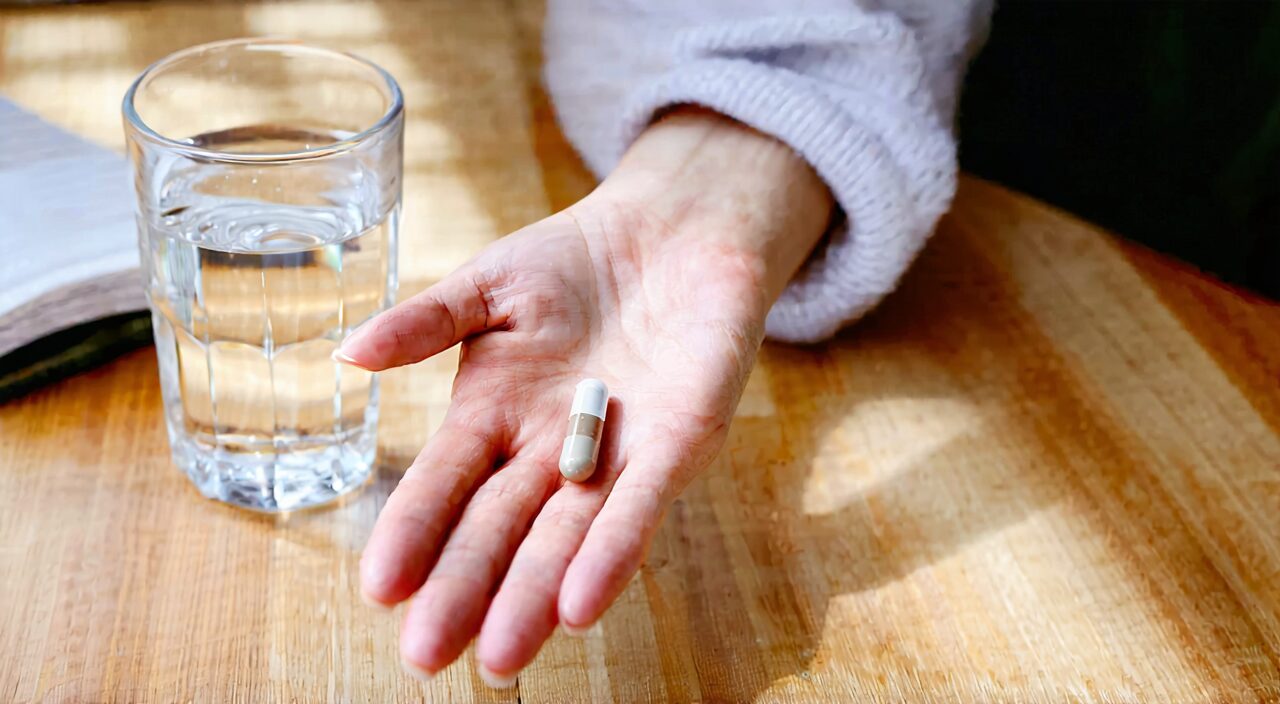
As a Chinese patent medicine, Yangxue Shengfa Capsule is relatively common, but that does not mean it can be taken casually. There are several reminders that require special attention, especially concerning liver and kidney function, special populations, and drug sensitivity.
Contraindicated for Those with Liver or Kidney Dysfunction, and the Safety of He Shou Wu
Yangxue Shengfa Capsule contains processed He Shou Wu. National drug regulatory authorities have repeatedly emphasized the risk of liver injury associated with He Shou Wu and its preparations. Even when using processed He Shou Wu, the risk cannot be ignored. Therefore, the following groups should not use this product on their own:
- Those with a history of liver dysfunction, hepatitis, or cirrhosis
- Those who are taking other medications that may affect liver function
For patients with renal insufficiency, caution is also necessary. Because drug metabolism may increase the burden on the kidneys, it is essential to consult a professional doctor before use.
Even for individuals with normal liver and kidney function, if symptoms such as fatigue, loss of appetite, darkened urine color, or yellowing of the skin or sclera occur during use, the medicine should be discontinued immediately, and medical attention sought, as these may be early signs of liver injury. Furthermore, Yangxue Shengfa Capsule should not be taken in excess or for a long time. Traditionally, the principle is “to stop once the condition improves,” meaning that once the direction shows improvement or reaches a certain stage, the regimen should be adjusted under professional guidance, rather than using it as a regular health supplement continuously.
Not Suitable for Children, Pregnant Women, and Lactating Women
Children are in the growth and development stage, their organ functions are not yet mature, and it is not advisable to casually use relatively potent tonifying Chinese patent medicines. Pregnant women have a special physical condition; many herbal components may affect the fetus. Yangxue Shengfa Capsule contains blood-moving and warming tonic herbs, making it unsuitable for pregnant women. Lactating women may also pass substances through breast milk and affect the infant, so it is also recommended to avoid it.
If these populations experience hair loss problems, a more appropriate approach is to seek a comprehensive evaluation by a professional doctor to find the root cause, rather than self-selecting Chinese patent medicines.
Other Situations Requiring Attention
During the use of Yangxue Shengfa Capsule, attention should also be paid to the following points:
- If taking other Chinese or Western medicines at the same time, be aware of drug interactions. For example, combining some anticoagulant or antiplatelet drugs with blood-moving ingredients like Dang Gui may increase the risk of bleeding.
- Those allergic to any ingredient in the formula are prohibited from using it.
- Generally, it is not recommended to take tonic medicines during acute illnesses such as colds and fevers, as this may trap the pathogen and aggravate heat.
In summary, any Chinese patent medicine should be considered based on the current physical condition and a clear constitutional diagnosis, rather than simply chosen based on the result of “hair loss” alone. Before starting use, having detailed communication with a TCM practitioner or pharmacist and carefully reading the product instructions can effectively reduce potential risks.
How to View This Type of Chinese Patent Medicine More Rationally
Yangxue Shengfa Capsule is not equivalent to a “magic bullet for treating hair loss.” It is more like a traditional compound formula that can be considered under the premise of TCM pattern differentiation as blood deficiency and liver-kidney insufficiency.
The causes of hair loss are extremely complex and may involve multiple dimensions such as genetics, endocrine, immunity, nutrition, and psychological stress. Placing hope solely on one Chinese patent medicine while neglecting diet, daily routine, emotional management, and necessary medical examinations often fails to achieve the desired results. Worse, it may even delay more targeted interventions due to inappropriate direction selection.
Therefore, before considering the use of Yangxue Shengfa Capsule, it is advisable to first have a general understanding of your own type of hair loss and constitutional tendency. If you are unsure, do not hesitate to seek professional help for pattern differentiation, rather than making judgments based solely on online information or other people’s experiences.
For confirmed autoimmune alopecia, cicatricial alopecia, or hair loss due to clear causes such as thyroid dysfunction, relying solely on the regulatory direction of Chinese patent medicines may be far from sufficient and could even delay necessary standard treatment. In such cases, prioritizing modern medical diagnosis and treatment, with Chinese medicine as a supplementary approach, may be the safer path.
Summary
In TCM tradition, Yangxue Shengfa Capsule is often linked to some hair problems caused by blood deficiency and liver-kidney insufficiency. Its main ingredients, such as He Shou Wu, Dang Gui, and Shu Di Huang, respectively play the common roles of tonifying the liver and kidney, benefiting essence and blood, and nourishing blood. This determines that it is more likely to be suitable for people with dry, sparse hair accompanied by obvious deficiency manifestations, rather than all types of hair loss.
What needs particular attention is that this product contains processed He Shou Wu, which poses a potential risk of liver injury. Those with liver dysfunction must avoid it, and those with abnormal kidney function should not use it either. Children, pregnant women, and lactating women are also not suitable for use. Even for people who fall within the suitable direction, they should follow the product instructions and professional advice, avoid long-term or excessive use, and closely monitor their body’s reactions during use.
Any regulatory direction is built on accurate pattern differentiation and a full awareness of safety risks. When faced with hair loss problems, maintaining patience and starting with comprehensive health management is often more important than chasing a single product.