
Damp-Heat Type Hair Loss: TCM Regulation for Oily Scalp and Sticky Stools

In the morning, after washing your hair, your bangs become greasy and stringy before evening; more and more hair falls onto your pillow and floor; the stool never flushes clean, and your body feels as heavy as if wrapped in a damp towel… If these troubles surround you, it is likely related to what TCM calls a “damp-heat” constitution. This article examines, from the perspective of traditional Chinese medicine, the potential link between damp-heat and hair loss, along with lifestyle adjustments to consider.
Why Damp-Heat May Affect Hair
In traditional Chinese medical theory, hair loss is not caused by a single factor; “damp-heat upward steaming” is one commonly recognized perspective.
How Dampness and Heat Combine
Dampness pathogen is sticky, heavy, and turbid, easily obstructing qi flow; heat pathogen has the characteristic of rising upward. When diet is improper and the spleen and stomach’s transporting and transforming ability weakens, the body tends to produce excess dampness. Over time, accumulated dampness can transform into heat. Dampness and heat binding together is like a sultry thunderstorm in summer—sticky and hard to dissipate.
With Damp-Heat Upward Steaming, Can Hair Follicles Remain Stable?
The head and face are located in the upper part of the body, making it easy for damp-heat pathogens to travel upward along the meridians and steam the scalp. Traditional Chinese medicine often views this from the perspective of “dampness being lingering and intractable,” believing that a damp-heat environment makes the scalp oily and clogs pores, putting hair follicles in an unfriendly state. When hair follicles are continually trapped by damp-heat, they may prematurely shift from the growth phase to the resting phase, leading to increased hair shedding and slow growth of new hair.
It must be emphasized that this does not mean “removing dampness alone will solve the hair loss problem.” The causes of hair loss are complex, and damp-heat is only one aspect to pay attention to; one cannot simply equate them.
Typical Signs of Damp-Heat Type Hair Loss
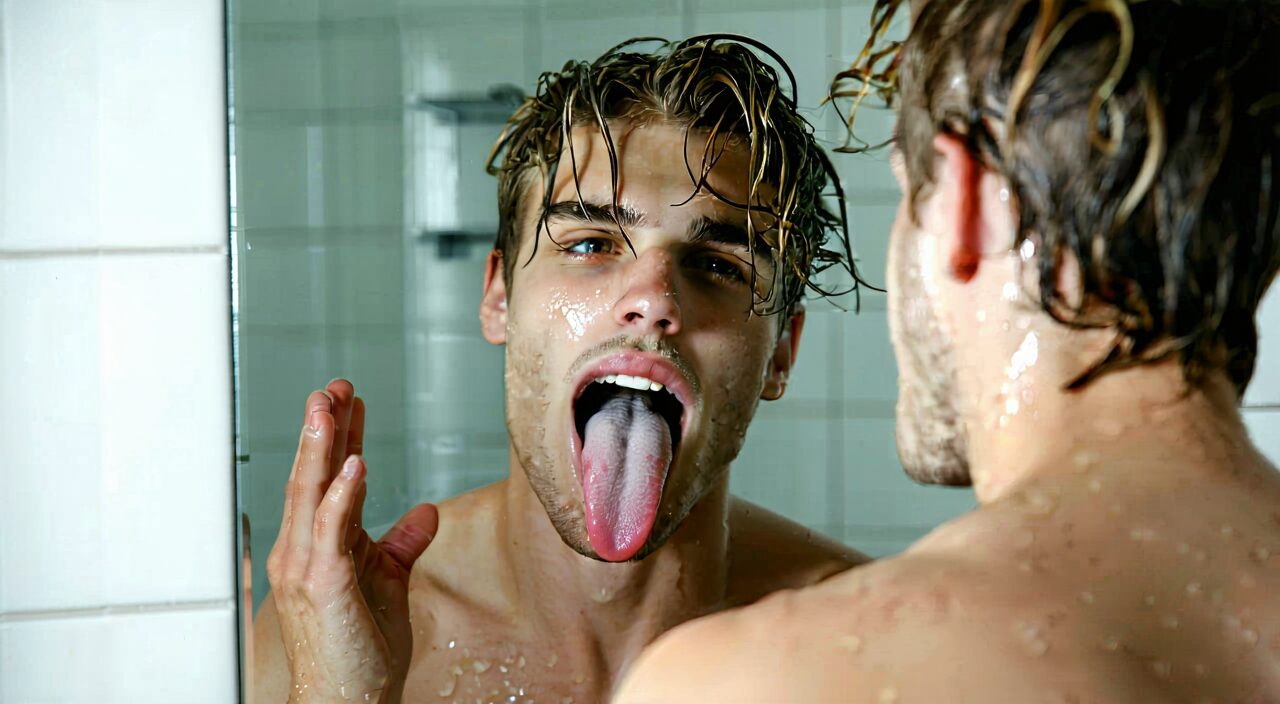
Everyone’s constitution is different, but damp-heat type hair loss has some relatively clear-cut symptoms. If you match several of the following signs, a damp-heat constitution can indeed serve as a direction for understanding your condition.
Scalp signals
- The scalp feels very greasy, and oiliness appears shortly after washing.
- The scalp easily itches, with plenty of dandruff that tends to be sticky rather than dry and fine.
- Some people may develop small red bumps or folliculitis that are slightly tender to the touch.
Hair condition
- Hair loss typically begins at the crown and temples, with hair gradually thinning.
- Hair becomes fine and limp, loses elasticity, and breaks easily.
Systemic accompanying signs
- Sticky stools: Bowel movements feel incomplete and tend to stick to the toilet bowl, requiring multiple flushes.
- Body heaviness: A constant sensation of heaviness and fatigue, especially in the afternoon or on overcast, rainy days.
- Thick, greasy, yellowish tongue coating: When looking in the mirror, the tongue coating appears yellow and greasy or white and thickly greasy; tooth marks may be visible on the edges.
- Others: Excessive oil secretion on the face and back, prone to acne; bitter taste, sticky mouth, or pronounced bad breath; yellowish urine.
If you notice your tongue coating is thin and white, your bowel movements are normal, and your scalp tends to be dry, you likely do not fall into the damp-heat category. Constitutional differentiation requires a comprehensive combination of inspection, auscultation/olfaction, inquiry, and palpation. It is recommended to seek a professional TCM practitioner for assessment, rather than self-diagnosing based on only one or two symptoms.
Dietary Regulation: Elimination of Certain Foods Should Be Prioritized Over “What to Eat”
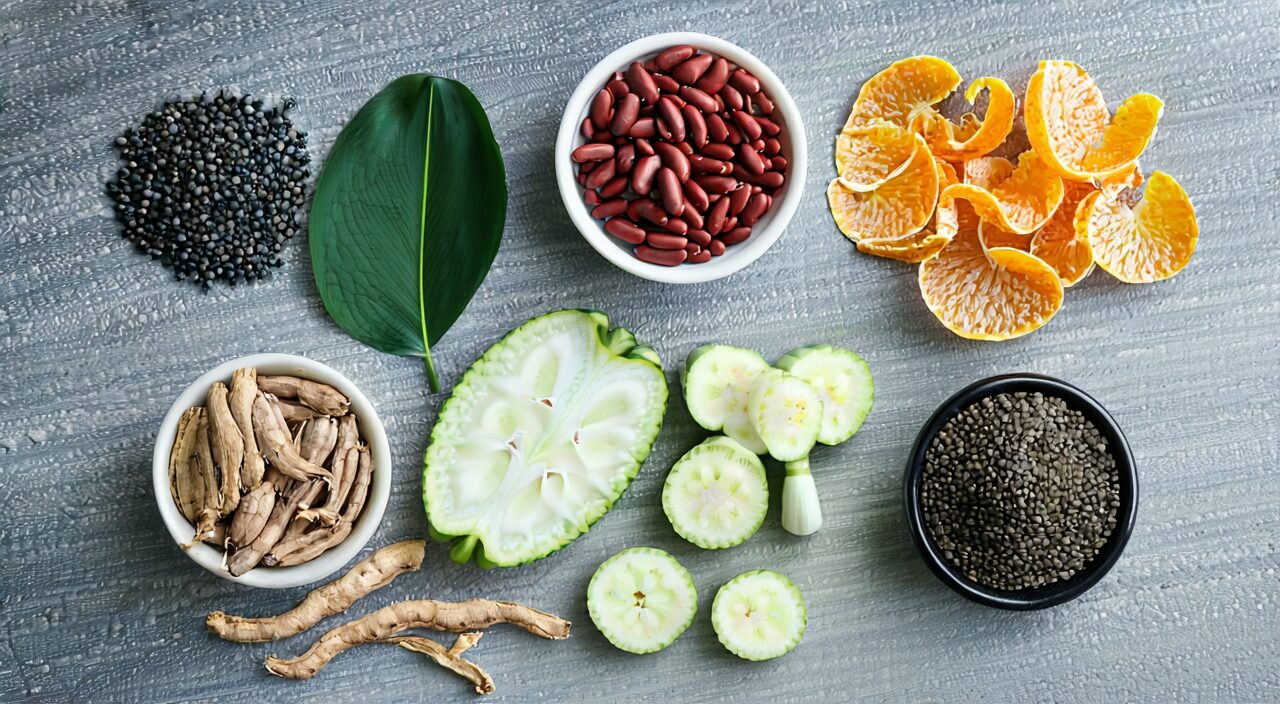
For those with a pronounced damp-heat constitution, certain foods may increase dampness and heat. Adjusting dietary structure often needs to start with reducing the intake of specific foods.
Foods to Watch Out For
- Greasy, rich foods: Fried foods, fatty meat, animal organs, butter, cream products, etc. These easily generate dampness and promote heat, worsening scalp oiliness.
- High-sugar sweets: Cakes, milk tea, sugary drinks, pastries, etc. In TCM, sweet foods belong to the “sweet flavor”; excessive sweet flavors easily congest the spleen and stomach, fostering dampness.
- Spicy, stimulating foods: Chili peppers, Sichuan pepper, ginger, garlic, alcohol, etc. While they can stimulate appetite, they easily encourage heat and fire, potentially aggravating damp-heat.
- Ice-cold beverages: Iced beer, cold drinks, etc., can damage spleen and stomach yang qi. They may feel temporarily refreshing, but could hinder the transformation and transportation of fluids, making it harder to expel dampness.
Lighter Dietary Directions to Consider Incorporating
Light foods that lean toward strengthening the spleen and promoting diuresis can serve as daily references: coix seed, adzuki bean, winter melon, Chinese yam, Poria, white hyacinth bean, Euryale seed, etc. They can be made into congee or soups, such as coix seed and mung bean soup, or Chinese yam and Poria congee. However, coix seed is slightly cool in nature; those with spleen and stomach deficiency-cold should consult a professional before deciding to consume it. Lotus leaf and tangerine peel infused in water are also relatively mild aromatic damp-resolving options.
Dietary adjustments require long-term commitment; one cannot change their constitution by eating coix seed just a couple of times. At the same time, extreme dieting or single-ingredient therapies are not recommended. Balanced nutrition is equally important for hair growth.
Lifestyle Adjustments That Go with the Flow

In addition to diet, daily habits also affect the state of damp-heat.
- Avoid prolonged sitting, sweat moderately: Sitting for long periods slows qi and blood circulation, making it easier for dampness to linger. Regular aerobic exercise, such as brisk walking, jogging, tai chi, yoga, etc., helps the body produce a light sweat, providing an outlet for dampness. However, those with severe damp-heat and poor physical stamina should avoid excessive exercise intensity, and refrain from heavy sweating that could damage healthy qi.
- Keep the scalp fresh and clean: A damp-heat environment encourages scalp microorganisms to thrive. It is advisable to choose a mild shampoo suited to your condition; if needed, you may wash your hair daily, but be careful not to over-wash and damage the scalp barrier. Wash with water at a temperature close to body temperature—overly hot water may stimulate the sebaceous glands to secrete more oil. When blow-drying, avoid directing high heat straight onto the scalp.
- Regular sleep routines, reduce staying up late: Nighttime is when the body undergoes self-repair and regulation. Chronic late nights easily consume yin fluids, indirectly worsening internal heat, and may also disrupt endocrine function, making the scalp noticeably oilier.
- Emotional regulation: Overthinking and emotional frustration may affect the spleen and stomach’s transporting function, invisibly aggravating dampness. Keeping a comfortable mood and engaging in breathing exercises or meditation can have a positive impact on the overall state of the body.
Chinese Patent Medicine Directions Worth Knowing
Among some traditional Chinese patent medicines, there are formulas specifically targeting spleen and stomach weakness, excessive dampness, or damp-heat. The formulas and patent medicines mentioned here are for informational reference only and should not be equated with treatment recommendations. Suitability still needs to be determined based on individual constitution, specific symptoms, and professional advice.
Shen Ling Bai Zhu San (Ginseng, Poria and Atractylodes Macrocephala Powder)
Shen Ling Bai Zhu San is one of the traditional formulas, often used in the treatment approach for spleen deficiency with dampness. In the formula, ingredients such as ginseng, Atractylodes macrocephala, Poria, and Chinese yam serve to strengthen the spleen and boost qi, while coix seed and white hyacinth bean help drain dampness. If hair loss is accompanied by poor appetite, loose and unformed stools, shortness of breath, fatigue, and a sallow complexion, and if within the damp-heat pattern dampness is predominant with less pronounced heat signs, Shen Ling Bai Zhu San may be a direction to understand. However, if the tongue coating is markedly yellow and greasy, and there is a prominent bitter taste and dry mouth, it indicates stronger heat signs; in such cases, using it alone may not be appropriate, and it should be considered together with heat-clearing medicines.
Er Miao Wan (Two-Marvel Pill)
Er Miao Wan is composed of Atractylodes lancea and Phellodendron amurense. It is a classic formula for addressing damp-heat pouring downward, and is traditionally also used for skin problems caused by damp-heat, including damp scalp sores and itching. Atractylodes lancea dries dampness and strengthens the spleen, while Phellodendron clears heat and dries dampness; together they are relatively well-matched for cases where dampness and heat are both pronounced. However, Er Miao Wan has a bitter and drying nature; those with spleen and stomach deficiency and without pronounced heat signs should not use it on their own for a long period. It is best used short-term under professional guidance.
Other Approaches
Formulas such as Long Dan Xie Gan Tang (Gentian Liver-Draining Decoction) and Ping Wei San (Stomach-Calming Powder) may also appear in discussions about damp-heat regulation. However, such formulas tend to be bitter-cold or acrid-drying, with a higher threshold for use; they must be decided upon after pattern differentiation by a TCM practitioner. Under no circumstances should Chinese patent medicines be taken long-term as health supplements, nor should you self-prescribe based on a single symptom.
Summary
In TCM theory, damp-heat type hair loss is primarily understood as a state where damp-heat steams upward and obstructs the hair follicles. An oily scalp, itching and dandruff, sticky stools, a yellow greasy tongue coating, body heaviness—all can serve as self-observation signals.
The focus of daily regulation is, first of all, to adjust dietary structure—reduce greasy, sweet, and spicy stimulating foods, and introduce light, spleen-strengthening and dampness-draining foods. At the same time, combine moderate exercise, regular sleep, and scalp freshness care. If you wish to further understand Chinese patent medicines, you can take Shen Ling Bai Zhu San and Er Miao Wan as informational directions, but always remember that TCM emphasizes pattern differentiation and treatment. Within damp-heat, there are subtle variations such as dampness prevailing over heat, heat prevailing over dampness, and equal dampness-heat. Self-selecting medicines carries the risk of not matching the pattern.
If hair loss persists, or is accompanied by noticeable scalp redness, swelling, pain, large patches of hair loss, or a poor general physical condition, it is advisable to consult a dermatologist or a professional TCM practitioner for a comprehensive evaluation, rather than self-managing based solely on online information. This article is for informational reference only and cannot replace professional diagnosis and individualized medical advice.