
Emotional Stress-Induced Hair Loss: TCM Regulation for Anxiety, Insomnia, and Liver Qi Stagnation

Have you noticed that whenever work stress spikes, your mood stays low, or insomnia worsens, the hair on your pillow and comb seems to shed more? Hair loss not only causes worry but also aggravates anxiety in return, easily trapping you in a cycle of “the more anxious, the more hair loss; the more hair loss, the more anxious.” In Traditional Chinese Medicine (TCM), this type of hair loss closely tied to emotions and mental stress is often not merely a scalp issue—it is more likely a result of disordered internal qi movement.
Based on traditional Chinese medicine’s understanding of the relationship between emotions and hair loss, this article reviews the possible connections among stress, anxiety, insomnia, and hair loss, and introduces corresponding regulation approaches and common Chinese herbal medicine directions, helping readers view emotional stress-induced hair loss more rationally.
How Emotional Stress Affects Hair: From Liver Qi Stagnation to Yin-Blood Depletion
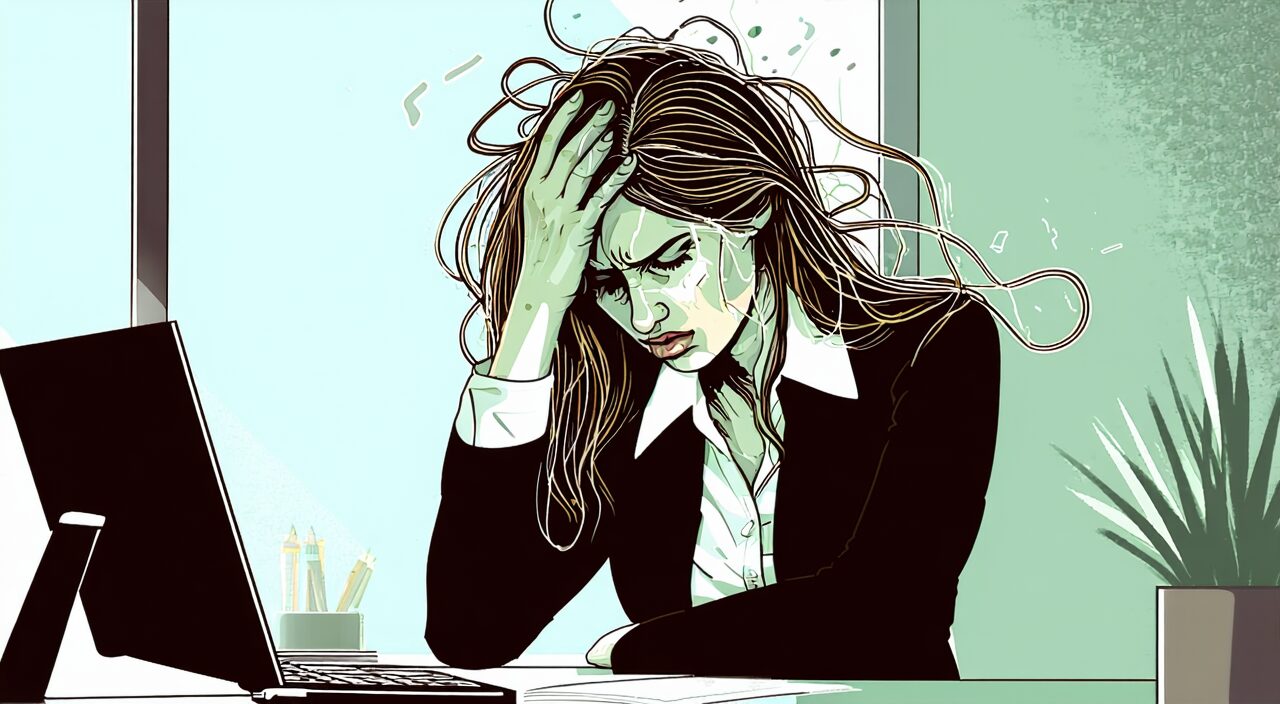
Traditional Chinese medicine often understands the relationship between emotions and hair through concepts such as “the liver governs the free coursing of qi,” “the liver stores blood,” and “hair is the surplus of blood.” The liver is responsible for regulating the movement of qi throughout the body and storing blood, while the luster and nourishment of hair depend on an adequate supply of blood. When emotions remain in a state of tension, suppression, gloom, or anxiety for a long time, the liver’s function of governing the free coursing of qi is often the first to be affected.
Liver Qi Stagnation: The Beginning of Obstructed Qi Movement
Persistent mental stress readily leads to liver qi stagnation, meaning the movement of qi is obstructed.
At this stage, people often feel a sense of distension and oppression in the chest or over the rib sides, tend to sigh frequently, experience emotional instability, and become easily irritable or prone to outbursts. Obstructed qi movement does not directly cause hair to fall out, but it gradually affects the circulation of blood and fluids—just like a river channel that was originally unobstructed becomes blocked, and the downstream area loses its nourishment. Once the supply of qi and blood to the scalp is impeded, the nourishment received by the hair follicles decreases accordingly, which may gradually lead to dry, sparse, or even shedding hair.
Stagnated Qi Turning into Fire: Further Impact of Heat Disturbing the Scalp
If liver qi stagnation persists for a long time and is not relieved, it may eventually transform into fire and evolve into a state of exuberant liver fire.
In such cases, apart from emotional problems, accompanying symptoms often include dry mouth and bitter taste, dry and red eyes, migraines, light sleep, dream-disturbed sleep, and easy waking. When fire and heat disturb upward, the scalp may become oilier, more prone to scaling, and even develop small folliculitis-like pimples, further disrupting the normal environment for hair growth. Traditionally, it is believed that fire-heat damages yin-blood, depriving hair of nourishment, which can make hair loss even more pronounced.
Depletion of Yin-Blood: The Common Ground of Insomnia and Hair Loss
Long-term anxiety, overthinking, and insomnia not only damage the liver but also continuously consume the blood of the heart and spleen.
In TCM, it is said that “the heart governs the blood and vessels, its luster manifests in the face, and the hair is the surplus of blood.” Sleep is an important window for nourishing blood and calming the mind. If one suffers chronically from difficulty falling asleep, dream-disturbed sleep, easy waking, or early morning waking with difficulty returning to sleep, the blood cannot be adequately replenished, and the hair naturally finds it hard to receive sufficient nourishment. This type of hair loss is often not a sudden massive shedding but rather a gradual thinning and softening of the hair, overall sparseness, and lack of luster. Many affected individuals also exhibit signs of blood deficiency such as palpitations, forgetfulness, fatigue, and a lusterless complexion.
As can be seen, emotional stress-induced hair loss often involves more than one pathological mechanism. It may be a combination of liver qi stagnation, liver stagnation transforming into fire, and heart-spleen blood deficiency, requiring a holistic assessment based on the individual’s specific manifestations.
Common Symptom Chain: The Cycle of Stress → Insomnia → Hair Loss
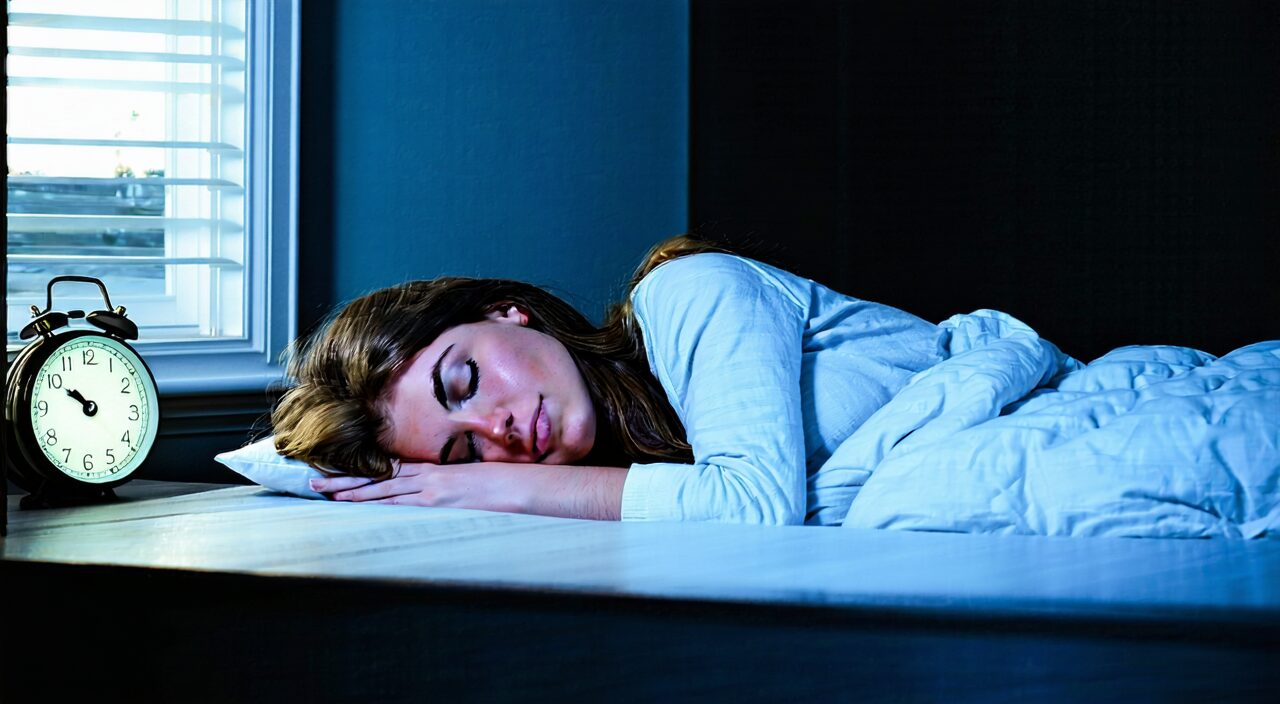
Stress triggers insomnia, and insomnia worsens emotional problems, which in turn affects the recovery of qi and blood, easily creating a vicious cycle. The following manifestations may hint at a connection between emotional factors and hair loss, though not everyone will have all of them:
- Hair loss noticeably increases during periods of emotional tension, anxiety, or after major life events
- Accompanied by difficulty falling asleep, shallow sleep, excessive dreaming, or waking up in the early morning hours and struggling to fall back asleep
- Frequently feeling chest oppression, a tendency to sigh, or discomfort in the rib-side areas
- Prone to mental tension, becoming short-tempered or easily angered
- Scalp is not oily or tends to be dry, but hair loss is diffuse and sparse, with hair gradually becoming finer and softer
- Women may experience premenstrual breast distension and pain, or irregular menstruation
If you simultaneously experience multiple of these manifestations—especially if hair loss is clearly temporally linked to mood swings and declining sleep quality—then approaching from the TCM direction of “soothing the liver and resolving depression, nourishing blood and calming the mind” may be a regulatory approach worth understanding.
It should be noted that if hair loss is very severe, persists for a long time, or is accompanied by significant anxiety, depression, palpitations, chest tightness, pain, or other discomforts, it is crucial to promptly consult a doctor or relevant professional to rule out other organic issues, rather than relying solely on self-regulation.
Regulation Approach: Prioritize Soothing the Liver and Resolving Depression, Complement with Nourishing Blood and Calming the Mind

For this type of hair loss, TCM usually does not take “promoting hair growth” as the direct goal. Rather, it first regulates qi movement so that qi and blood can once again nourish the scalp. The regulation approach can broadly be understood through the following aspects, and the specific sequence and emphasis need to be adjusted according to individual constitution differences.
Soothe the Liver and Regulate Qi, Restore the Flow of Qi Movement
Soothing the liver and resolving depression is a key step in regulating qi movement and breaking the vicious cycle. Common traditional regulatory directions include lifestyle adjustments such as emotional counseling, gentle exercise, diaphragmatic breathing, and regular daily routines, which can also be combined with Chinese herbal directions that have the function of soothing the liver and regulating qi. Once qi movement begins to flow smoothly, discomforts like chest oppression, sighing, and rib-side distension often ease first, and the supply of qi and blood to the scalp may also have the chance to improve.
Appropriately Clear Stagnation Heat and Protect Yin-Blood
If signs of liver stagnation transforming into fire are more obvious—such as increased scalp oiliness, bitter taste in the mouth, dry eyes, irritability, and insomnia—the traditional approach may, while soothing the liver, also attend to clearing heat, so as to protect yin-blood from continued consumption. However, heat-clearing Chinese herbal directions are mostly cold and cool in nature and should not be used for a long period. They need to be adjusted in a timely manner based on constitution and symptom changes, to avoid damaging the spleen and stomach.
Nourish Blood and Calm the Mind, Improve Insomnia and Hair Quality
For yin-blood insufficiency resulting from excessive rumination and long-term insomnia, traditional regulation often focuses on nourishing heart blood and benefiting liver blood to help improve sleep quality and fatigue. Mind-calming and sleep-promoting Chinese herbal directions are often combined with blood-nourishing directions, with the aim of allowing the body to repair better at night, thereby providing the material foundation for hair growth. This process takes effect relatively slowly, requires long-term consistency, and only has a chance to show visible changes when combined with emotional management.
Traditional Chinese Patent Medicine Directions Worth Knowing
Under the general direction of soothing the liver, resolving depression, nourishing blood, and calming the mind, several classic traditional Chinese patent medicines are often used as reference choices for regulation. It must be emphasized that the following is only a directional introduction based on traditional TCM theory and does not constitute specific recommendations. Whether they are suitable needs to be determined in consideration of individual constitution, symptom presentation, and product instructions, and ideally under the guidance of a professional.
Xiaoyao Wan and Jiawei Xiaoyao Wan
These two formula directions share the same origin but have different emphases, as can be compared in the table below:
| Comparison Dimension | Xiaoyao Wan | Jiawei Xiaoyao Wan |
|---|---|---|
| Main Approach | Soothing the liver and resolving depression, nourishing blood and strengthening the spleen | Soothing the liver and resolving depression, also clearing depression heat |
| Traditional Indications | Liver depression with blood deficiency and spleen weakness | Liver depression transforming into fire with pronounced heat signs |
| Common Reference Manifestations | Emotional depression, chest oppression and rib pain, irregular menstruation, reduced appetite, mental and physical fatigue | Irritability and easy anger, dry mouth and bitter taste, insomnia and excessive dreaming, premenstrual headache or breast distension |
| Usage Considerations | Needs to be determined based on constitution | Use caution in those without depression heat or with spleen-stomach deficiency cold |
Xiaoyao Wan is often regarded as a representative formula for soothing the liver and resolving depression, nourishing blood, and strengthening the spleen. If hair loss is accompanied by obvious signs of liver depression, blood deficiency, and spleen weakness, it may be one of the directions traditionally considered. Jiawei Xiaoyao Wan adds heat-clearing medicinals to this foundation, making it more suitable for cases with pronounced heat signs. Note, however, that not all hair loss is suitable for these two directions—differences in constitution and symptoms will influence the choice.
Guipi Wan
Guipi Wan is traditionally used for situations of heart-spleen dual deficiency and qi-blood insufficiency, commonly manifested as palpitations, insomnia, forgetfulness, poor appetite, physical fatigue, and a sallow complexion. If hair loss is accompanied by chronic overthinking, difficulty falling asleep, excess dreaming and easy waking, fatigue, and relatively weak spleen-stomach function, the Guipi Wan direction can serve as a regulatory reference for boosting qi and nourishing blood, strengthening the spleen and calming the heart.
However, when qi stagnation is prominent, with significant chest oppression and abdominal distension, using only supplementing medicinals may not be sufficient, and could even worsen the sensation of fullness. In such cases, soothing the liver and regulating qi needs to be combined—one should not rely solely on Guipi Wan.
Mind-Calming and Heart-Nourishing Regulation Directions
In addition to the above formulas, some Chinese patent medicine directions that focus on nourishing the heart, calming the mind, and improving sleep are also commonly applied in related regulation, such as those corresponding to Suan Zao Ren Tang and Tianwang Buxin Dan. These directions emphasize conditions of yin-blood deficiency and deficiency heat disturbing the interior, leading to insomnia, palpitations, and forgetfulness. Whether to use any specific one requires a comprehensive judgment based on the type of insomnia and overall accompanying symptoms.
Regardless of which direction is chosen, it is advisable to carefully read the product instructions first and confirm whether they match the main symptomatic direction. If hair loss is accompanied by severe palpitations, chest tightness, persistent weight loss, black stools, severe sleep disorders, or emotional problems, one should not rely solely on self-selection of Chinese patent medicines; instead, evaluation by a doctor should be prioritized. Pathomechanisms may change at different stages, so it is recommended to adjust with professional guidance according to symptom changes and avoid taking the same type of formula unchanged over a long period.
Emotional Management and Sleep Improvement Are the Foundation for Long-term Regulation

The regulation of emotional stress-induced hair loss cannot rely solely on medications; it also requires adjustments in lifestyle and emotional management. TCM emphasizes the “unity of form and spirit,” where mental state and physical state constantly influence each other. The following directions can serve as references for daily supportive measures:
- Regular Routine and Sleep Rhythm: Try to maintain fixed times for going to bed and waking up, reduce use of electronic devices such as mobile phones and computers before sleep, and consciously create a soothing sleep environment.
- Gentle Exercise and Breathing Training: Activities such as walking, Baduanjin, yoga, and diaphragmatic breathing help soothe the liver qi and relax the body and mind. Vigorous exercise near bedtime should be avoided.
- Emotional Release Outlets: Cultivate habits that can help you calm down, such as journaling, listening to music, meditation, or communicating and confiding in trusted friends.
- Dietary Care: Reduce spicy, greasy, high-sugar foods and beverages like coffee and strong tea that easily provoke fire and disturb the mind. Take in appropriate amounts of dark-colored vegetables, high-quality protein, and foods with blood-nourishing properties.
It is particularly important to remind you that if anxiety or depressive mood has clearly affected daily life, work, or social interactions, or if there is persistent low mood, loss of interest, or severe sleep disorders, seeking help from a psychologist or psychiatrist in a timely manner is very important. Professional psychological intervention and TCM regulation can proceed in synergy, rather than substituting for one another.
Summary
Emotional stress-induced hair loss cannot be rapidly reversed by any single product. It is often a signal reminding us that the body’s qi mechanism, blood, and emotions may be operating under overload.
Traditional Chinese medicine, approaching from the perspectives of soothing the liver and resolving depression, nourishing blood and calming the mind, indirectly improves the scalp environment by restoring the free flow of qi movement and the fullness of the blood reservoir, offering reference value for hair loss caused by stress, anxiety, and insomnia. Traditional formula directions such as Xiaoyao Wan, Jiawei Xiaoyao Wan, and Guipi Wan are often selected for regulation under specific constitutions and symptom presentations, but they must be comprehensively judged according to individual circumstances and cannot be copied blindly.
More importantly, the process of improving hair loss usually requires patient observation over months or even longer. During this process, emotional management, sleep quality, and daily habit adjustments are equally important as Chinese herbal regulation. When hair loss is accompanied by obvious physical or emotional abnormalities, please prioritize seeing a doctor to obtain a clear diagnosis and comprehensive treatment advice.