
Hair Loss from Qi and Blood Deficiency: TCM Approaches for Dizziness, Fatigue, and Dry, Yellowish Hair

Dizziness, fatigue, pale complexion, plus dry, sparse, and easily broken hair? These may be signs of qi and blood deficiency manifesting in the hair.
Traditional Chinese medicine often says, “The hair is the surplus of blood,” meaning the luster of hair is closely related to the nourishment provided by blood. When qi and blood are deficient, hair roots do not receive adequate nourishment, leading to increased hair loss and deteriorating hair quality.
This article examines the relationship between qi and blood deficiency and hair loss from a TCM perspective, helping you better recognize constitutional tendencies and understand traditional TCM regulatory approaches. Specific care should be based on individual circumstances and professional advice.
Why Does Qi and Blood Deficiency Affect the Hair?
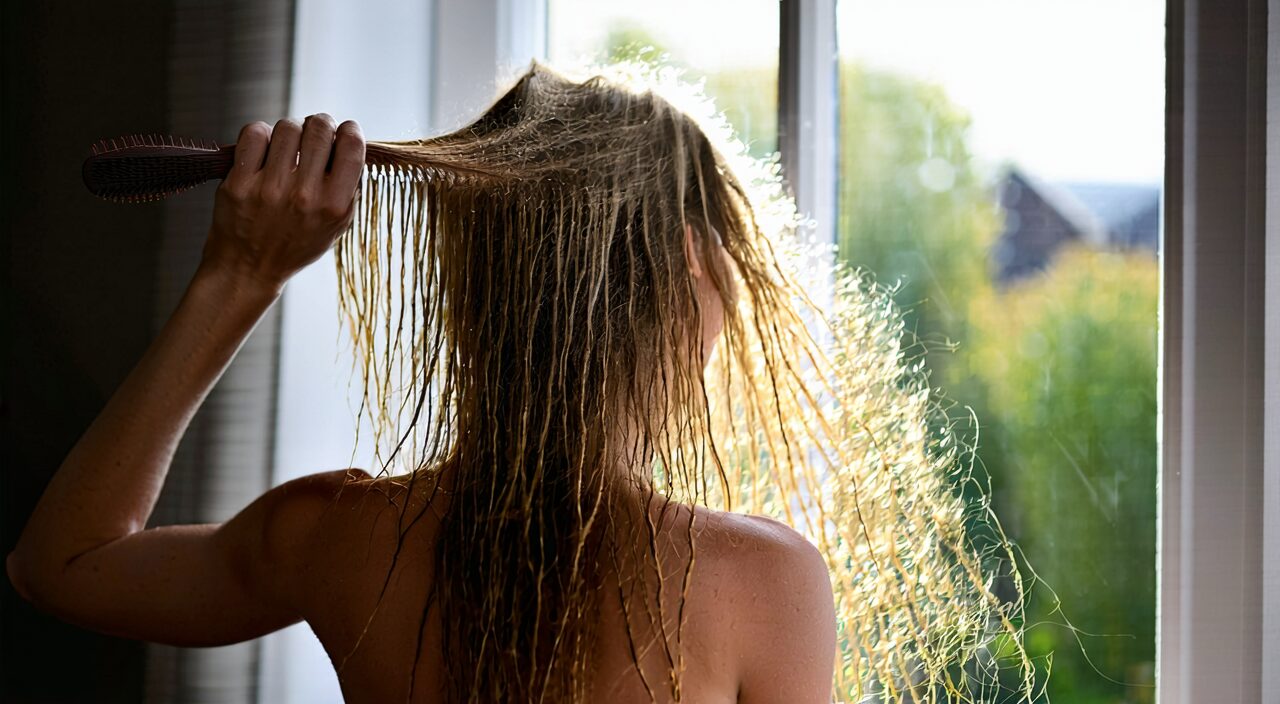
TCM holds that qi and blood are the fundamental substances that sustain life activities. Qi provides propulsion and warmth, while blood has nourishing and moistening functions.
“The hair is the surplus of blood” means that hair growth and luster depend on the continuous supply of blood. When qi and blood are abundant, hair is usually dark and lustrous; when qi and blood are insufficient, blood cannot ascend to the head, the hair roots are malnourished, and the hair may become dry, yellowish, lusterless, and even fall out.
This type of hair loss is often not sudden but gradually thins, accompanied by a general feeling of fatigue. Traditionally, TCM does not treat the hair in isolation but starts with regulating qi and blood holistically.
Common Manifestations of Qi and Blood Deficiency Hair Loss

Characteristics of the Hair
- Dry, yellowish, lusterless hair
- Sparse hair with an overall decrease in density
- Fine, soft, breakable hair that may fall out with a gentle pull
- Scalp may appear pale or dry
Accompanying Systemic Manifestations
- Pale or sallow complexion, pale lips and nails
- Frequent dizziness or blurred vision, especially after changing position or exertion
- Easy fatigability and lack of energy
- Palpitations, light or dream-disturbed sleep
- In women, possibly scanty, pale menstruation or delayed cycles
- Cold hands and feet, sensitivity to cold
These symptoms may not all appear, but if hair loss is accompanied by several of them, it may indicate a constitutional tendency to qi and blood deficiency. Severe cases should consult a physician to rule out underlying problems such as anemia.
What Factors Are Likely to Lead to Qi and Blood Deficiency?

The following factors may affect the spleen and stomach’s transformation and transportation functions, leading to insufficient generation of qi and blood, which subsequently affects the hair:
- Excessive blood loss: Such as heavy menstrual bleeding, postpartum conditions, surgery, or traumatic blood loss.
- Dietary imbalance: Long-term restrictive dieting, picky eating, insufficient nutrient intake, or poor absorption due to weak spleen and stomach.
- Overwork: Chronic sleep deprivation, excessive mental strain, silently depleting qi and blood.
- Chronic consumption: Lingering illness weakening the body and impairing the source of qi and blood generation.
How Does TCM Understand “Supplementing Qi and Nourishing Blood” for Hair Care?
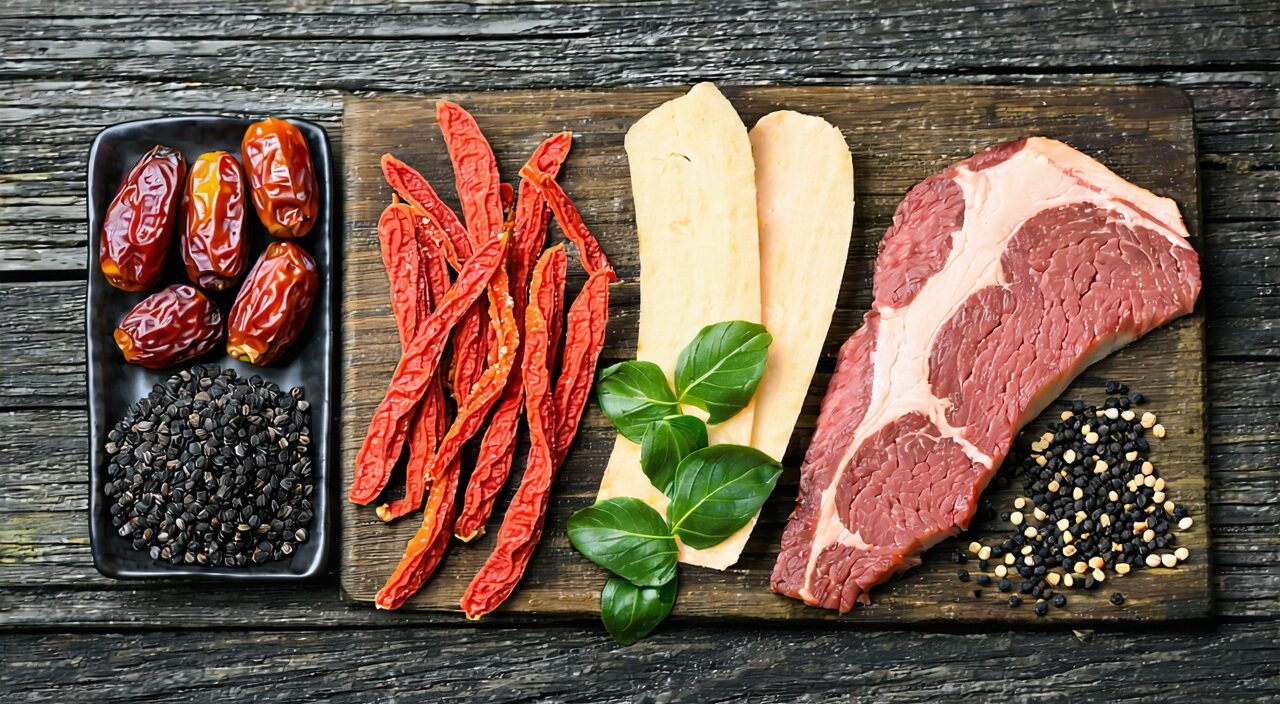
Traditional TCM approaches to regulating qi and blood deficiency hair loss are not simply about “nourishing blood” but emphasize supplementing qi and nourishing blood simultaneously, because qi can generate and move blood.
Key regulatory directions include:
- Strengthening the spleen and benefiting the stomach: To promote the generation of qi and blood.
- Supplementing qi and nourishing blood: To improve overall circulation.
- Calming the heart and tranquilizing the mind: To reduce hidden depletion.
In terms of lifestyle, ensuring adequate sleep and avoiding staying up late is recommended. Dietary adjustments can include moderate consumption of spleen-strengthening and blood-nourishing foods such as red dates, longan, Chinese yam, black sesame, lean meat, and animal liver, but these should be tailored to individual constitution and digestive capacity.
It should be clear that TCM regulation addresses the whole body and does not guarantee that “supplementing qi and blood will grow hair.” Hair growth is influenced by multiple factors, and regulatory effects vary from person to person; long-term commitment and comprehensive improvement are required.
Directional Choices in Traditional Chinese Patent Medicine
Below are several common directions in traditional TCM regulatory thinking for reference:
| Formula Name | Primary Focus | Reference Indications | Precautions |
|---|---|---|---|
| Ba Zhen Wan (Eight Treasure Pill) | Supplementing qi and nourishing blood | Qi and blood dual deficiency presenting with sallow complexion, dizziness, fatigue, poor appetite, scanty menstruation, etc. | Should be used according to product instructions and practitioner advice; do not self-medicate long-term. |
| Gui Pi Wan (Restore the Spleen Pill) | Heart and spleen deficiency with tranquilizing effect | Qi and blood deficiency from excessive rumination, accompanied by insomnia, palpitations, forgetfulness, fatigue, hair loss | Assess whether specific symptoms match before use. |
| Bu Zhong Yi Qi Wan (Supplement the Center and Boost Qi Pill) | Supplementing middle qi, raising clear yang | Chronic fatigue, shortness of breath, poor appetite, with hair loss related to qi deficiency and failure of clear yang to ascend | When obvious blood deficiency is present, it should be combined with blood-nourishing formulas; comprehensive assessment is needed. |
Important reminder: The formulas and Chinese patent medicines mentioned in this article are only common examples in traditional TCM regulatory thinking, not direct recommendations or treatment plans. Individual constitutions vary greatly, and symptom combinations are complex. If hair loss is severe, does not improve over a long period, or is accompanied by significant anemia, palpitations, chest tightness, or severe menstrual abnormalities, seek timely medical evaluation for comprehensive examination and diagnosis to avoid delays.
Summary
Qi and blood deficiency hair loss is one of the common types of hair loss recognized in Chinese medicine, its core mechanism being “the hair is the surplus of blood”—when qi and blood are deficient, the hair loses nourishment.
Identifying this constitutional type requires looking not only at dry, sparse hair but also at systemic manifestations such as dizziness, fatigue, pale complexion, and poor sleep. In terms of regulation, traditional Chinese medicine focuses on the whole body, starting with improving diet, daily routine, and emotions to reduce factors that deplete qi and blood. When necessary, the regulatory principles of traditional formulas like Ba Zhen Wan and Gui Pi Wan can be understood.
However, any regulatory method should be based on individual constitution and actual circumstances and carried out under professional guidance. This article is for informational reference only and cannot substitute for professional diagnosis or treatment advice. If hair loss persists or worsens, please consult a relevant professional physician.