
Pre-Purchase Guide to Common Hair Loss Chinese Patent Medicines: How to Choose Based on Your Constitution

Hair loss often causes anxiety, especially when shampoos and hair growth serums seem to have limited results. Many people turn their attention to traditional Chinese patent medicines. When facing the pharmacy shelves — Yangxue Shengfa Capsules, Qibao Meiran Wan, Ba Zhen Wan, Liuwei Dihuang Wan — the wide array of choices can actually make it harder to decide.
In fact, TCM’s understanding of hair loss has never been “one product solves all problems.” Instead, it advocates for identifying the direction based on the body’s overall constitutional state. This guide is meant to help you form a preliminary judgment about your own situation before placing an order or making a purchase, and to know what areas require extra attention.
Please note that this article is for TCM educational reference only and cannot replace professional diagnosis or treatment advice. If you are experiencing severe hair loss, alopecia areata, or accompanying symptoms such as marked fatigue, palpitations, dizziness, or persistent anxiety, it is recommended that you consult a doctor or healthcare professional first.
1. Three Basic Principles to Understand Before Buying
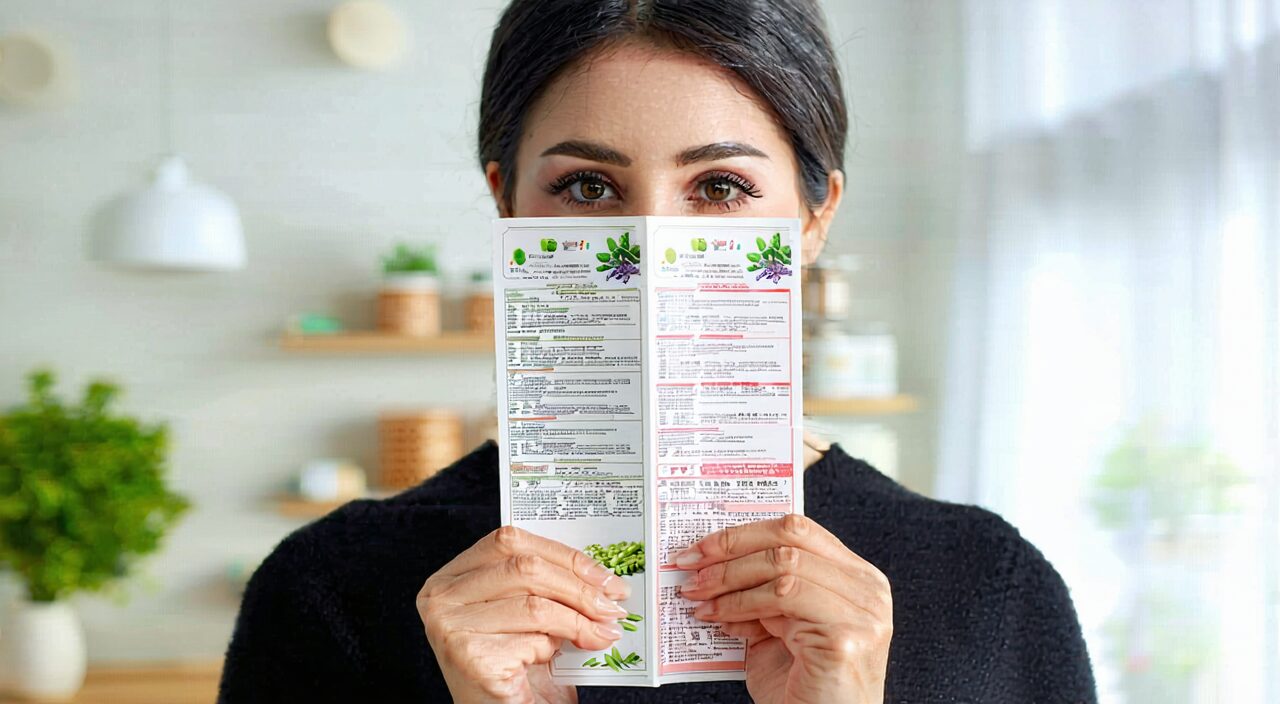
Before considering any Chinese patent medicine, try to set aside the idea of “which product works best” and instead focus on which state your body actually belongs to. The following principles can directly help you filter out many unsuitable options.
1. Pattern Differentiation is the Core of Using Chinese Patent Medicines
In TCM, “hair loss” is not a single disease, but a manifestation of various internal imbalances reflected on the scalp. Even with similar symptoms of excessive shedding and thinning hair, some people may have a pale complexion and fatigue, others may experience soreness and weakness of the lower back and knees, dizziness and tinnitus, while still others may have an oily scalp and a thick, greasy tongue coating.
These differences point to different pattern types, thus the appropriate therapeutic directions are also completely different. Simply put, just because a product works for someone else doesn’t mean it is suitable for you. Blindly buying a Chinese patent medicine that does not match your pattern type may not only fail to bring improvement, but sometimes can also place unnecessary burden on the body.
Before buying, try to start with other signals from your body to make an initial match, rather than focusing solely on the hair loss itself.
2. Carefully Read the Ingredient List and Contraindications
When purchasing a Chinese patent medicine, you must take the time to read the [Ingredients], [Functions and Indications], and [Contraindications] sections on the product insert. Certain ingredients may cause adverse reactions due to individual constitution or interactions with other medications you are taking.
Take common He Shou Wu (Polygonum multiflorum) preparations as an example. Traditionally, He Shou Wu is often used for premature graying of the hair and hair loss, but modern research has found that He Shou Wu poses a risk of liver injury, especially with long-term or large-dose use. Therefore, products containing He Shou Wu are not recommended for casual, long-term self-medication. Even if chosen, they should be used under professional guidance for a short period and in a regulated manner. If the label clearly states “Contraindicated in patients with liver impairment,” this must be strictly observed.
Moreover, in the following situations, be sure to consult a doctor or pharmacist before purchasing:
- Taking other medications
- During pregnancy or breastfeeding
- Having a history of chronic illness
Don’t make decisions based solely on experience.
3. Distinguish Between Long-term Regulation and Short-term Disturbance
Chinese patent medicines tend to work by slowly regulating the state of qi, blood, yin, and yang within the body, so their effects often require a process.
- If hair loss is sudden and recent — for example, after a high fever, major hemorrhage, rapid weight loss, or intense psychological stress — the body may need restorative support more than long-term tonification.
- Chronic, progressive hair loss, on the other hand, may require addressing deeper constitutional weaknesses.
Grasping this timing is itself part of professional judgment, and it is difficult for ordinary people to differentiate on their own. Before buying, it’s worth asking yourself: Is my current discomfort short-term, or has it lasted for a long time? Then decide whether you truly need to purchase a Chinese patent medicine for self-regulation.
2. Selection Directions of Chinese Patent Medicines for Common Hair Loss Patterns
From the perspective of TCM, hair loss is often classified under categories such as “hair falling,” “oily wind,” and “moth-eaten hair loss.” The common patterns mainly revolve around aspects like qi and blood, liver and kidney, and damp-heat. The following summary merely provides a directional framework; it does not mean these products are the optimal choices, and you should certainly not take multiple products simultaneously.
Qi and Blood Deficiency Pattern: May Be Suitable for Focusing on Supplementing Qi and Nourishing Blood
Along with hair loss, the person often appears with a relatively pale complexion — a sallow or pale white face — and easily feels fatigued and weak. Even slight exertion can cause palpitations and shortness of breath. Menstrual flow may be scanty and light in color, and the tongue body is pale and lacks luster. Traditionally, this is believed to be related to qi and blood failing to nourish the hair roots.
At this point, the following two Chinese patent medicines are often mentioned as reference directions:
- Ba Zhen Wan: Focuses on simultaneously supplementing qi and blood.
- Gui Pi Wan: Supplements qi and nourishes blood, strengthens the spleen and calms the spirit. It is more suitable for those who not only have hair loss but also experience light sleep, dream-disturbed sleep, tendency to overthink, and palpitations.
It is important to note that if you have a cold with fever, acute inflammation, or severe damp-heat, these relatively tonic Chinese patent medicines are generally not appropriate.
Liver and Kidney Deficiency Pattern: May Be Suitable for Formulas That Supplement the Liver and Kidney
TCM believes that “the hair is the surplus of the blood” and “the kidney’s brilliance manifests in the hair.” Whether the liver and kidney essence and blood are sufficient directly determines the luster and growth of the hair. People in this category tend to lose a lot of hair when combing or washing in the morning; the hair often becomes dry, dull, and may even show premature graying. They may also experience soreness and weakness of the lower back and knees, dizziness, tinnitus, memory decline, and loose teeth.
Common reference options for this direction:
| Chinese Patent Medicine | Directional Reference | Precautions |
|---|---|---|
| Qibao Meiran Wan | Traditionally used for premature graying and hair loss due to liver and kidney deficiency | Often contains He Shou Wu; special attention must be paid to the risk of liver injury; not suitable for long-term self-administered use |
| Liuwei Dihuang Wan | Leans toward nourishing kidney yin; suitable for those with more yin deficiency (palms and soles feel hot, dry mouth and throat, night sweats, etc.) | If there is marked aversion to cold and cold limbs, it may not be suitable if used alone |
| Zhi Bai Dihuang Wan | Applicable when signs of yin deficiency with effulgent fire are more prominent (dry mouth, sore throat, irritability, insomnia, marked night sweats) | Its cold and cool properties are relatively strong; not advisable for prolonged use |
Spleen Deficiency with Dampness Abundance or Damp-Heat Pattern: May Need to Start from Strengthening the Spleen and Transforming Dampness
Not all hair loss is due to “deficiency.” Some people have an oily scalp, greasy hair, and when hair falls out, the roots have white fatty granules. The face also looks oily, the tongue coating is thick and greasy, the stools are sticky and unsatisfying, and the body feels heavy and sluggish. In TCM, this may be related to spleen deficiency failing to transport and transform water-dampness, or damp-heat steaming upward.
In such cases, freely using tonifying Chinese patent medicines may actually aggravate damp-heat and make hair loss more pronounced. Two common reference directions:
- Shen Ling Bai Zhu San: Often used for chronic regulation of spleen deficiency with dampness.
- Bu Zhong Yi Qi Wan: Focuses on the failure of clear yang to ascend due to spleen qi deficiency, where qi and blood cannot ascend to nourish the head and eyes.
This needs to be judged in combination with appetite, bowel movements, and whether there is a sensation of heaviness. If damp-heat is more severe, with bitter taste in the mouth and a yellow, greasy tongue coating, traditionally formulas like Cang Zhu (Atractylodes) and Huang Bai (Phellodendron) for clearing heat and drying dampness may be needed. This has already exceeded the safe scope of self-selecting Chinese patent medicines; such cases are best handled by a professional TCM practitioner based on pattern differentiation.
Liver Qi Stagnation Pattern: Another Clue Related to Emotional Stress
Long-term mental tension, emotional suppression, or large mood swings can lead to liver qi stagnation and impaired circulation of qi and blood, which also affects hair growth. People in this category often have low mood, distension and oppression in the chest and hypochondrium, a tendency to sigh frequently, and in women, premenstrual breast distension and pain.
Xiao Yao Wan is often used as a reference direction for soothing the liver, relieving depression, nourishing blood, and strengthening the spleen. However, it is equally necessary to determine whether there truly is liver depression and blood deficiency, rather than using it simply because “stress is high.”
Regardless of which pattern you feel you lean toward, it is recommended to treat it as a clue for further understanding, rather than a basis for immediate purchase. Multiple patterns may coexist in a complex manner — for instance, qi and blood deficiency combined with liver depression, or spleen deficiency combined with damp-heat — which requires more detailed differentiation. It is not advisable to combine multiple products on your own.
3. Common Buying Mistakes and Precautions

In the process of self-selecting hair loss Chinese patent medicines, several common mistakes can be avoided with prior understanding.
Mistake 1: Following a Crowd Just Because Others Had Good Results
Many people read experience-sharing posts and find that a certain product was “very effective” for someone else’s hair loss, so they buy it too. However, another person’s constitution, lifestyle habits, and causes of hair loss may be very different from your own.
The same blood-nourishing and hair-growing product could be a suitable direction for those with qi and blood deficiency, but counterproductive for those with damp-heat steaming upward. Using pattern type as the core criterion for screening is far more important than looking at other people’s results.
Mistake 2: Assuming That Chinese Patent Medicines Are Natural and Can Be Safely Taken Long-Term
Chinese patent medicines also have their own medicinal properties and biases and are not health supplements that can be casually taken on a daily basis. Products containing He Shou Wu or Bu Gu Zhi (Psoralea) in particular may carry a risk of liver injury with long-term use.
Even relatively mild formulas like Gui Pi Wan or Liuwei Dihuang Wan, if taken long-term without the corresponding pattern, may disrupt the body’s balance and cause discomfort such as abdominal distension, decreased appetite, or “heat” symptoms. It is not recommended to take any Chinese patent medicine continuously for an excessively long period without consulting a professional.
Mistake 3: Combining Multiple Products on Your Own in Hopes of Better Effects
Some people think that since hair loss is related to both qi and blood and to the liver and kidney, they can mix Ba Zhen Wan and Qibao Meiran Wan. This is highly dangerous. There may be ingredient overlap and overdose, property conflicts, or mutual interference between different products.
Without professional guidance on formula compatibility, combining them on your own may increase the body’s burden and even cause adverse reactions. Focusing on one direction at a time and starting with a single product is usually more prudent.
Safety Bottom Line to Watch Out For
- If hair loss suddenly worsens, occurs in patches, or is accompanied by unexplained weight loss, persistent fever, severe abdominal pain, chest pain, difficulty breathing, or severe anxiety and depression, do not continue to rely on purchasing Chinese patent medicines for self-treatment. You should seek medical attention promptly to rule out systemic diseases or other serious conditions.
- Women who are trying to conceive, pregnant, or breastfeeding must consult a doctor before using any Chinese patent medicine; this is a safety baseline.
Summary
Selecting Chinese patent medicines for hair loss is essentially a preliminary identification of your own constitutional state. Before considering a purchase, try to sort out your overall feelings — energy level, sleep, preference for warmth or coolness, digestion, emotional state, etc. — and try to map them to different directions such as qi and blood, liver and kidney, or spleen deficiency with damp-heat.
At the same time, paying attention to the ingredients, contraindications, and risk warnings of each product — especially ingredients requiring caution like He Shou Wu — is more practical than focusing on marketing claims. Any Chinese patent medicine is only one part of auxiliary regulation. A healthy and regular lifestyle, balanced nutrition, and proper stress management also have an impact on hair that cannot be ignored.
When you are unsure about your self-assessment, or when hair loss continues to worsen, seeking professional advice from a TCM practitioner, doctor, or pharmacist is the safest course of action. The content of this article is for educational reference only and cannot replace individualized diagnosis and treatment.