
Blood-Heat Hair Loss: TCM Understanding of Scalp Itchiness and Irritability

Many people experience hair loss alongside scalp itchiness, redness, increased irritability, and even dry mouth and bitter taste — this could be “blood-heat” stirring trouble in the body. Traditional Chinese medicine holds that blood-heat can disrupt how qi and blood nourish the hair, leading to unstable hair roots. This type of hair loss differs from the more familiar liver-kidney yin deficiency pattern, and inappropriate treatment may actually worsen the problem.
Why Does Blood-Heat Cause Hair Loss?
In Chinese medicine, there is a saying “blood-heat generates wind.” Blood-heat is not simply an elevated body temperature; it refers to an internal condition where yang qi is hyperactive or pathogenic heat enters the blood level, making blood circulation abnormally accelerated. This agitated state easily gives rise to “internal wind.”
Wind pathogen excels at shaking and disturbing. When wind attacks the head upward, hair roots become like grass blown by hot wind — their foundation becomes unstable and they fall out easily. At the same time, the heat pathogen scorches the fluids around hair follicles, depriving the scalp of nourishment, making it dry and itchy, and worsening the hair growth environment. That is the basic mechanism of blood-heat hair loss.
Typical Signs of Blood-Heat Hair Loss
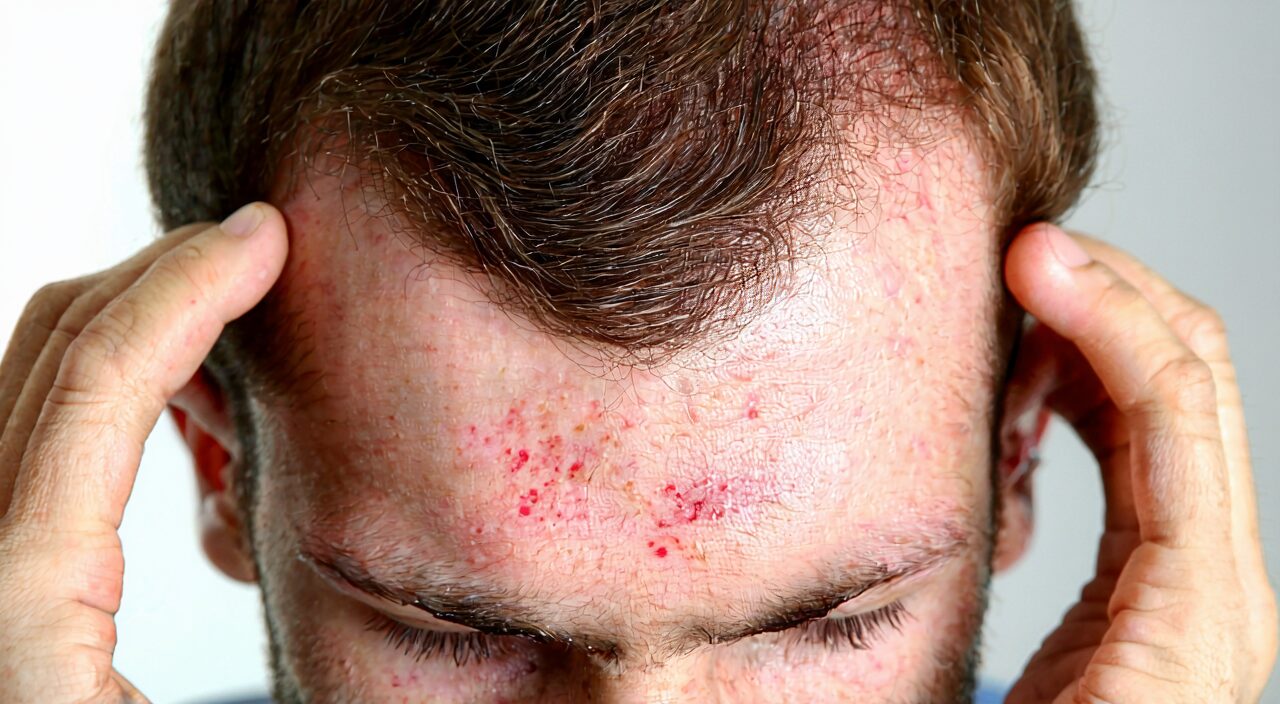
Compared to hair loss from liver-kidney depletion, blood-heat hair loss has some unique characteristics. If you match several of the following, you may need to consider this pattern:
- The scalp often feels hot or itchy, sometimes with stabbing sensations or visible redness
- Hair loss appears as diffuse thinning; hair shafts easily become fine and brittle, and the root area may look dry
- Emotionally prone to vexation, agitation, irritability, and difficulty concentrating
- Frequent dry or bitter taste in the mouth, with a preference for cool drinks
- Some people may also notice premature graying of hair that progresses relatively fast
These manifestations are usually linked with internal “heat,” and may worsen in the afternoon or at night. They can also become more obvious after seasonal changes or dietary indiscretions.
What “Ignites” Blood-Heat?

Blood-heat does not appear out of nowhere. Many daily habits are common triggers:
- Spicy, hot, and drying foods: Long-term heavy consumption of chili, Sichuan pepper, lamb, and fried foods accumulates heat inside the body, promoting the formation of blood-heat
- Chronic sleep deprivation: Nighttime is the period for yin-blood restoration. Staying up late over a long time depletes yin fluids; yin deficiency leads to hyperactive yang, and deficient fire stirs internally, which can also transform into blood-heat
- Intense emotional fluctuations: Impatience and excessive rumination are traditionally called “the five emotions transforming into fire.” Emotional fire can equally agitate the blood
- External contraction of heat pathogens: After certain acute febrile diseases, residual heat that hasn’t been cleared may remain in the body and turn into blood-heat
These factors often stack up, making the internal “fire” burn stronger and eventually affecting the hair.
Do Not Confuse Blood-Heat with Yin Deficiency
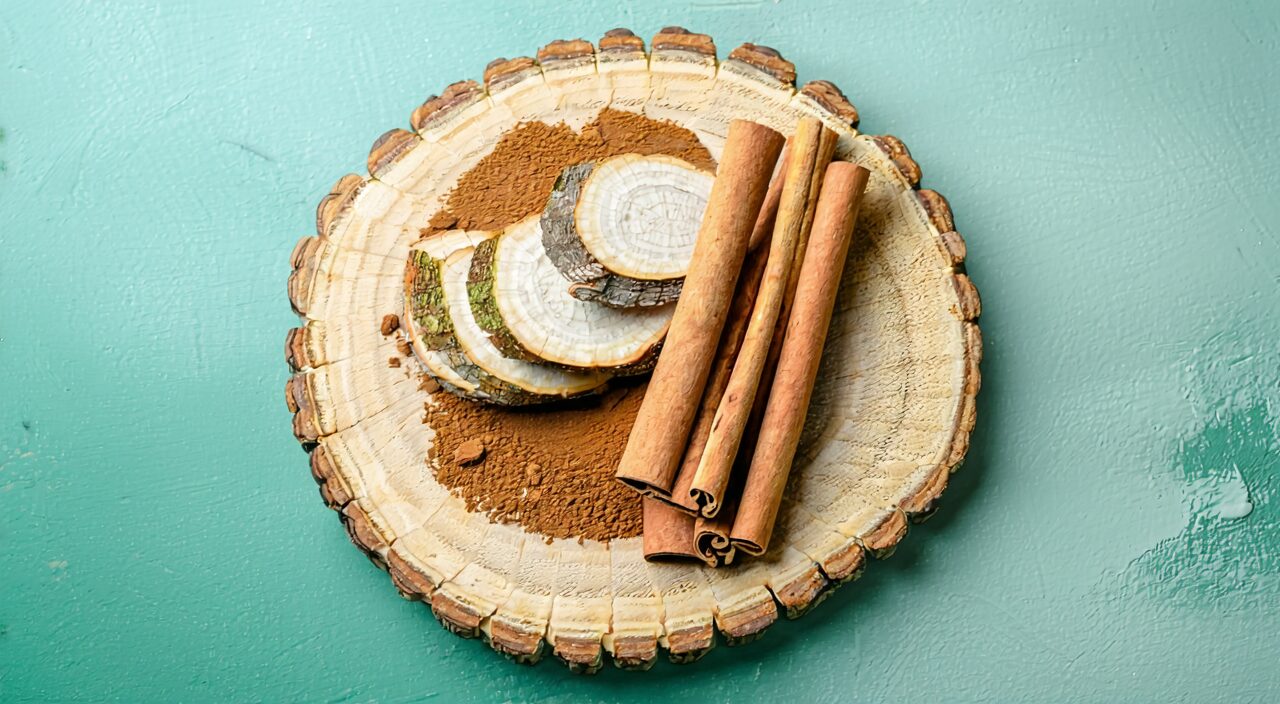
Because many people hear that hair loss relates to kidney deficiency and yin deficiency, they may self-prescribe warming supplemental foods or herbs, such as deer antler, cinnamon, or Shi Quan Da Bu Wan (Complete Great Tonifying Pill). But if the hair loss is of the blood-heat type, using warming supplementation is essentially “adding fuel to the fire” and may worsen the scalp itching and hair loss.
The key distinctions lie in the following aspects:
| Comparison Aspect | Blood-Heat Hair Loss | Yin Deficiency Hair Loss |
|---|---|---|
| Scalp manifestations | Obvious scalp itching, redness, and burning sensation | Hot palms and soles; scalp itching is mostly not obvious |
| Typical accompanying symptoms | Vexation, agitation, dry mouth with bitter taste; more excess-heat presentation | Soreness and weakness of the lower back and knees; tidal heat and night sweats; red tongue with little coating; more deficient-fire presentation |
| Nature of heat signs | Mostly excess heat | Mostly deficient fire |
Of course, blood-heat and yin deficiency can also appear in mixed patterns and need comprehensive assessment. If uncertain, consult a Chinese medicine professional to avoid incorrect treatment.
Treatment Direction: Cool the Blood, Clear Heat, and Concurrently Nourish Yin
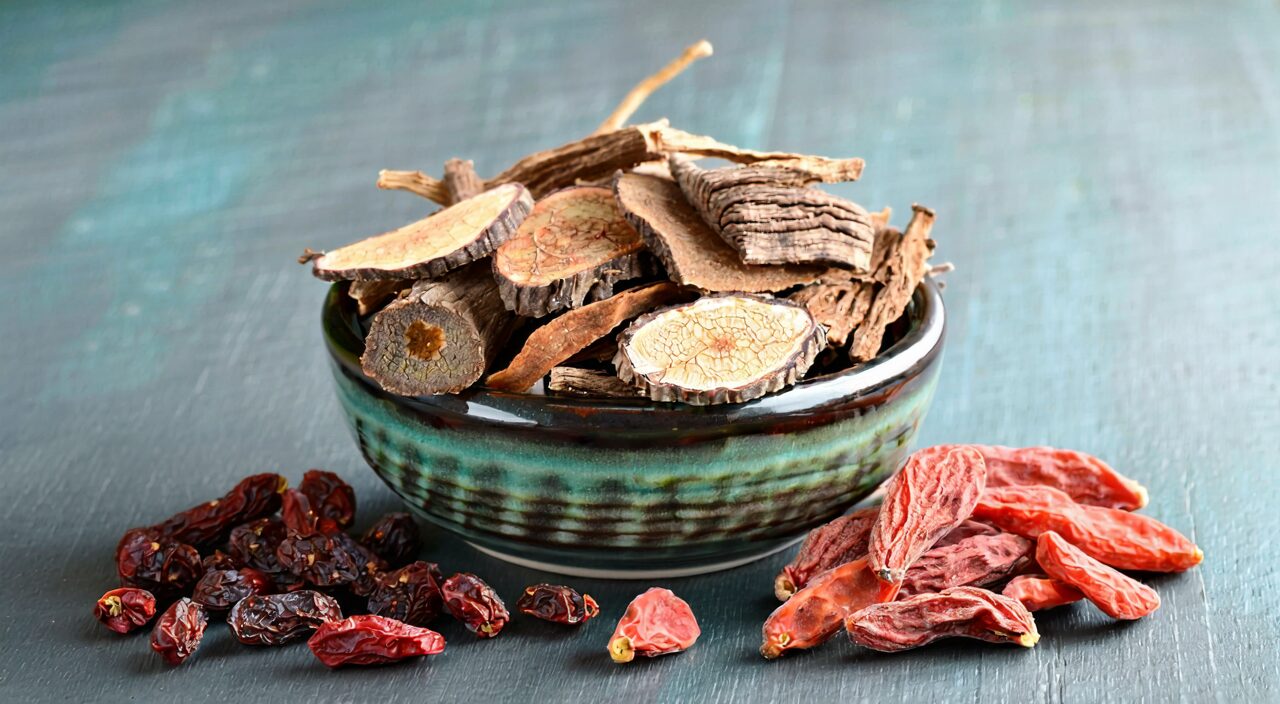
For blood-heat hair loss, the core of traditional Chinese medicine treatment is: “To treat wind, first treat the blood; when blood moves properly, wind naturally extinguishes.” The emphasis is not simply on supplementation, but on calming the heat pathogen in the blood while simultaneously nourishing yin-blood, thereby restoring a cool, moisturized state to the scalp.
- Cool the blood and clear heat: Use herbs that are cool in nature and can resolve heat from the blood level
- Enrich yin and nourish blood: Since heat pathogens consume yin-blood, properly combining yin-nourishing herbs can prevent excessive cooling from damaging vital energy and also support hair regrowth
- Calm the spirit and stabilize the mind: Supplement with herbs that clear the heart and pacify the spirit to help relieve irritability and reduce internal heat generation
Reference Traditional Formulas and Patent Medicines
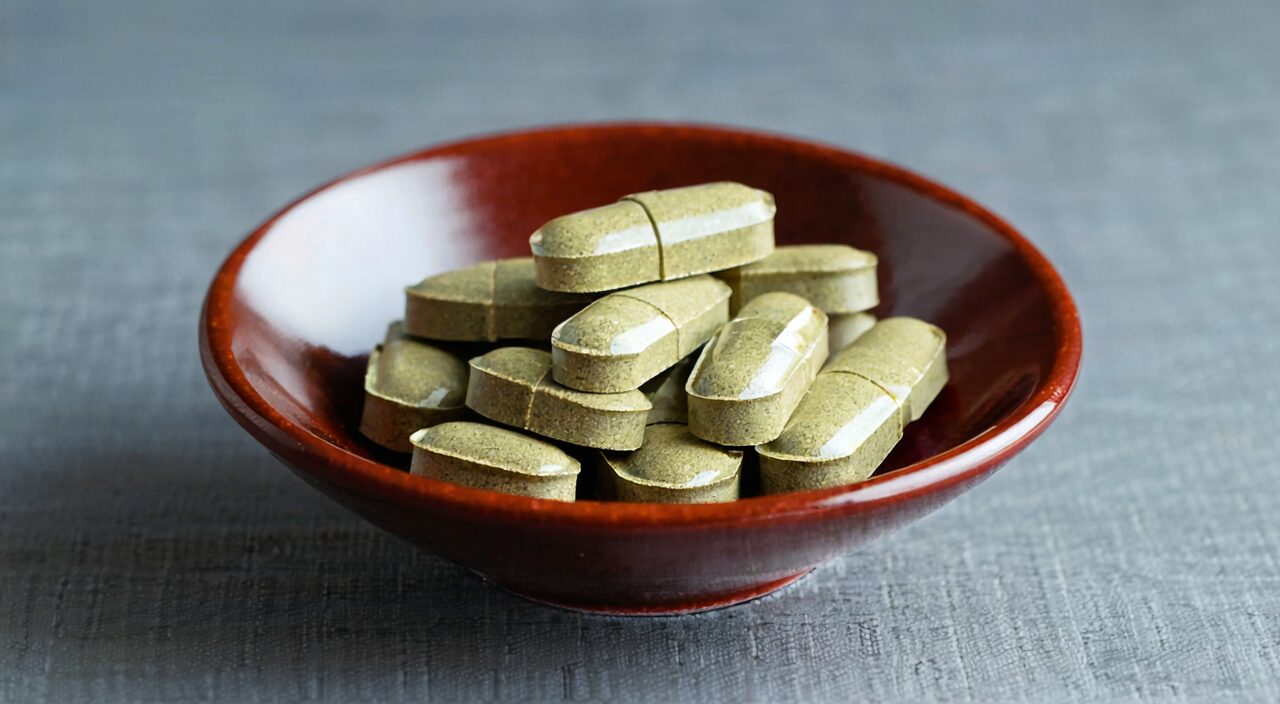
In classical application, several formulas are often used in treatment strategies for blood-heat-related hair loss. The following are provided solely for directional understanding; whether they are suitable depends on the individual’s condition.
- Zhi Bai Di Huang Wan (Anemarrhena, Phellodendron, and Rehmannia Pill): This is Liu Wei Di Huang Wan plus Zhi Mu (Anemarrhena) and Huang Bai (Phellodendron), and it has the effect of nourishing yin and subduing fire. For those with yin deficiency with fire hyperactivity, where deficient fire flares upward causing scalp burning, dry mouth and throat, vexation, and restless sleep, it can be a reference option. It both enriches yin and clears deficient heat, making it suitable for mixed yin deficiency and blood-heat presentations.
- Er Zhi Wan (Two-Solstice Pill): Composed of Nü Zhen Zi (Ligustrum fruit) and Mo Han Lian (Eclipta), it excels at nourishing liver and kidney yin and is gentle in nature. Traditionally, it is often used for premature graying and hair loss caused by yin deficiency and blood-heat, and it can serve as a supportive option.
- Liang Xue Xiao Feng San-type formulas (Cooling the Blood and Dispersing Wind Powder): Some dermatology-focused Chinese medicine practitioners use formulas that cool the blood and disperse wind when blood-heat generating wind and pronounced scalp itching are present. These formulas generally require modification according to the presenting pattern and are not recommended for self-administration.
Use of the above patent medicines should reference the product instructions and be based on your own constitution together with professional advice. In particular, Zhi Bai Di Huang Wan tends to nourish yin and subdue fire, so it is unsuitable for cases of pure excess heat or spleen-stomach deficiency cold; do not take it long-term without guidance.
Lifestyle and Dietary Recommendations
Beyond professional guidance, daily self-regulation is also very important for blood-heat hair loss:
- Dietary adjustments: Appropriately increase cooling and moistening foods, such as mung beans, winter melon, cucumber, lotus root, white fungus, lily bulb, and pear. Reduce or avoid spicy, fried, lamb, longan, lychee, and other warming foods.
- Regular sleep: Try to fall asleep before 11 p.m. to ensure yin-blood nourishment at night, which helps settle deficient fire.
- Emotional management: Try relaxation methods such as breathing exercises, meditation, or walking to calm the mind and reduce irritability and anxiety.
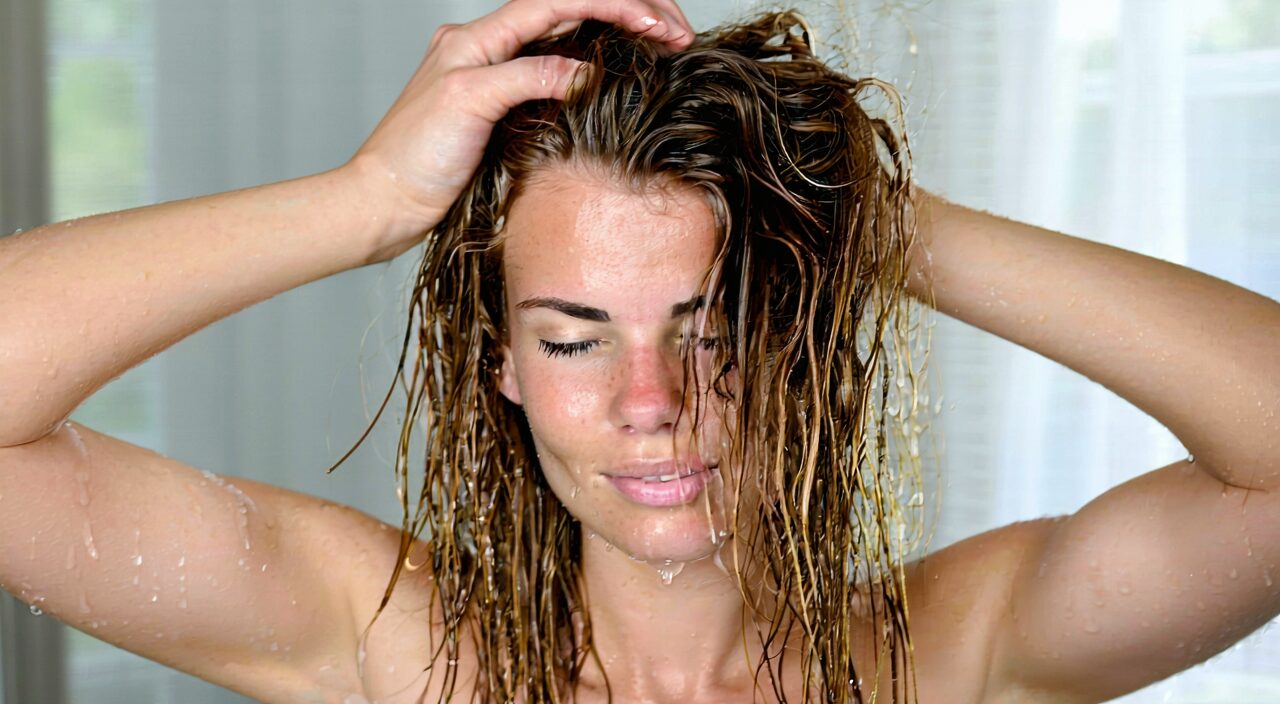
- Scalp care: Avoid washing hair with overly hot water; choose gentle shampoo; massage gently with the fingertips and avoid scratching to prevent further scalp damage.
Summary
Blood-heat hair loss is an important pattern in TCM syndrome differentiation for hair loss, frequently closely tied to diet, sleep, and emotions. It mainly presents as scalp heat and itching, irritability, and dry or bitter mouth, and is distinct from simple yin deficiency hair loss. When treating, one must not blindly use warming tonics; instead, the approach should be to cool the blood, clear heat, and nourish yin. Traditional patent medicines like Zhi Bai Di Huang Wan can serve as a reference strategy, but must be considered alongside personal constitution and professional judgment. Maintaining a mild diet, regular sleep, and stable mood in daily life has positive significance for improving the blood-heat state. If hair loss is severe, persistent, or accompanied by other systemic symptoms, promptly consult a doctor or Chinese medicine practitioner for targeted diagnosis and treatment.