
What Is Dan Dou Chi? Medicinal Parts, Identification, and Common Formulas
When people think of fermented soybeans (dou chi), they often picture the salty, savory condiment used in cooking. However, in traditional Chinese medicine, there is also a specially processed version called Dan Dou Chi (lightly fermented soybean). It is rarely used directly as a seasoning but appears in many classic therapeutic approaches. Many overseas Chinese users who encounter TCM formulas or wellness information are curious about Dan Dou Chi: How does it differ from the edible dou chi? How can it be identified? What formulas incorporate it? Below, we explore these aspects systematically.
What Does Dan Dou Chi Look Like? How to Identify It
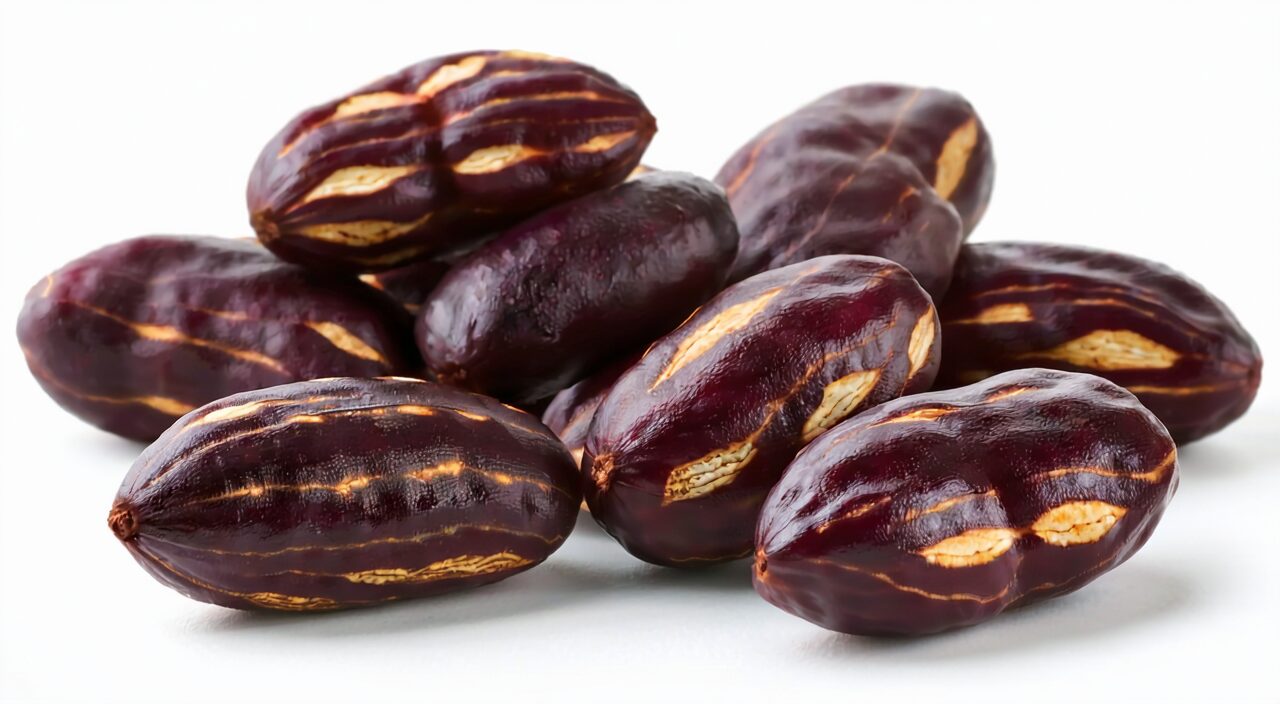
Dan Dou Chi closely resembles ordinary fermented soybeans at first glance, but closer inspection reveals distinct differences. The individual beans are mostly oval-shaped but not perfectly uniform; their surface is dark brown or brownish-black, appearing relatively dull rather than glossy and plump like some culinary varieties. After fermentation, the beans have a soft texture—pressing them between the fingers reveals some elasticity, unlike dry, brittle unfermented soybeans. Under close examination, the seed coat is wrinkled, tightly wrapping the cotyledons, and sometimes the hilum is faintly visible.
The aroma is a special fermented fragrance, somewhat reminiscent of steamed beans mixed with a faint, wine-like scent. It is not salty and lacks a pungent soybean-paste smell. When tasted, Dan Dou Chi has very little detectable saltiness; instead, it offers a mild bitterness and bean-like flavor, because little to no extra salt is added during processing. These characteristics can serve as initial clues for distinguishing it from common culinary fermented soybeans.
What Is the Medicinal Part of Dan Dou Chi?
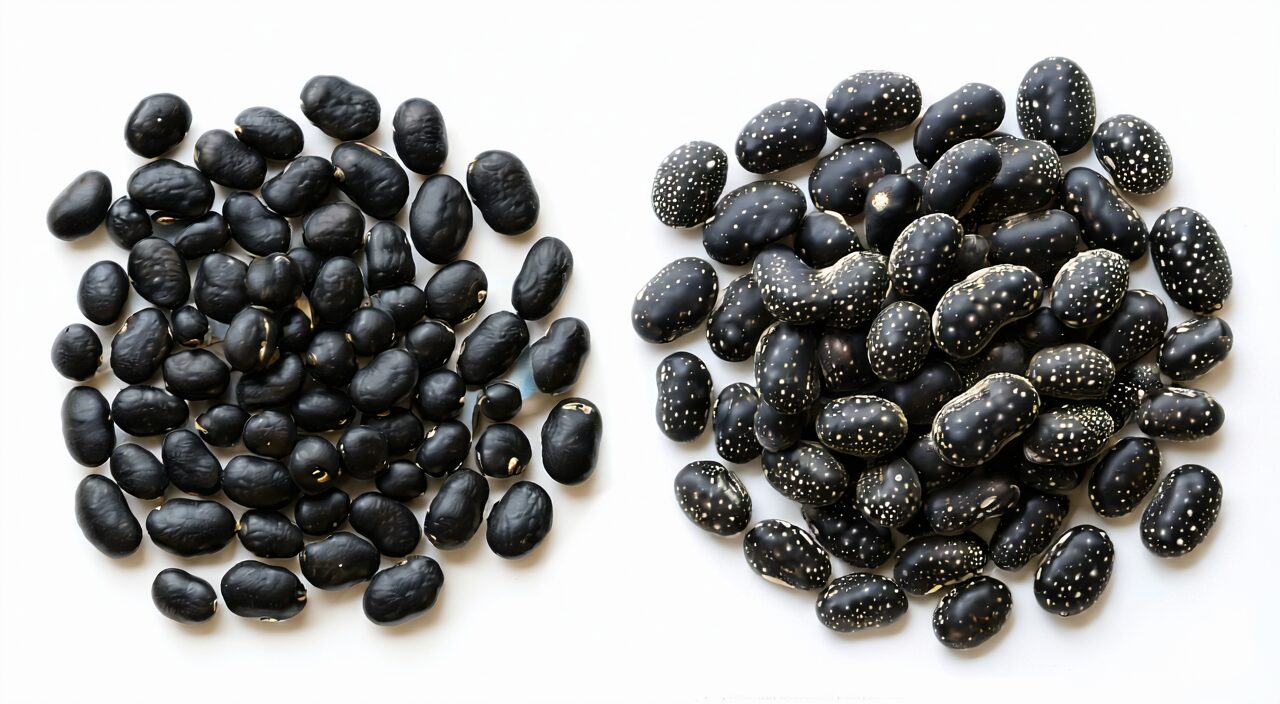
The medicinal part of Dan Dou Chi is a processed product made from mature black soybean seeds through a specific fermentation technique. Unlike leaf or herb-based medicinals that are directly harvested from the field, Dan Dou Chi must be produced through a series of steps: soaking, steaming, cooling, piling, and fermenting black or yellow soybeans. The entire fermentation process requires relatively stable temperature and humidity until a layer of yellowish-white or grayish-white mycelium grows on the surface of the beans, followed by drying as needed.
Different regions may use slightly different auxiliary materials, most commonly mulberry leaves (Sang Ye) and sweet wormwood (Qing Hao). Adding different adjuncts during fermentation directly influences the development and final properties of Dan Dou Chi, which means that products from different sources may differ in practical use. Therefore, when selecting Dan Dou Chi, it is important not only to look for the name but also to understand the specific auxiliary materials and processing methods used, so as to avoid confusion.
How Does TCM Understand Dan Dou Chi?
In traditional Chinese medicine theory, Dan Dou Chi is often classified as an exterior-releasing herb or a heat-clearing herb. Its key characteristic is its light, dispersing nature; it is traditionally believed to be adept at venting constrained heat and expelling external pathogens, making it especially suitable for cases where an external invasion has not yet penetrated deeply but the body already shows signs of heat, irritability, and chest oppression.
From the perspective of releasing the exterior and relieving irritability, there are times during the early stage or recovery phase of an external condition when a person no longer has high fever or chills but continues to feel restless, sleeps poorly, and experiences chest discomfort. In such situations, Dan Dou Chi may be used as an accompanying herb to help vent residual heat and alleviate agitation. It discharges heat without being heating or drying, which makes it particularly distinctive when dealing with mild external pathogens accompanied by heat and irritability. In addition, Dan Dou Chi may also be added appropriately in some gynecological or food-stagnation-related patterns, often in combination with Sheng Jiang (fresh ginger), Zhi Zi (gardenia fruit), and Bo He (mint).
It is important to note that this TCM understanding of Dan Dou Chi is based on holistic pattern differentiation and should not be taken to mean that Dan Dou Chi alone directly “acts” on a specific symptom. Rather, its use depends on whether it aligns with the logic of the entire formula and whether the person’s specific condition matches the therapeutic direction of that pattern.
A Brief Summary of Modern Research
Modern research on Dan Dou Chi primarily focuses on fermentation technology and changes in chemical composition. Some studies indicate that after fermentation, the isoflavones in soybeans undergo transformation, generating active components that are more easily absorbed and utilized. Dan Dou Chi also contains certain fermentation metabolites, such as superoxide dismutase and short-chain fatty acids, which have shown some activity in laboratory studies. However, these findings are mostly based on in vitro experiments or animal studies and are still far from directly guiding personal daily health practices. They mainly offer a modern perspective for understanding its traditional applications.
If you are interested in the modern research on Dan Dou Chi, it can serve as background knowledge, but you should not adjust your usage method based solely on these findings.
Differences Between Dan Dou Chi and Edible Fermented Soybeans
Many people easily confuse Dan Dou Chi with culinary fermented soybeans, but in fact they differ in several important ways.
First, the most obvious difference lies in salt content and auxiliary ingredients. Edible fermented soybeans typically contain a considerable amount of added salt, and some varieties also include soy sauce, chili, or other seasonings, giving them a salty, savory flavor suited for cooking. In contrast, Dan Dou Chi is made with very little salt so that it retains its mild, dispersing character. Additionally, medicinal Dan Dou Chi may be co-processed with auxiliary materials like mulberry leaves or sweet wormwood—something never seen in kitchen fermented soybeans.
Second, processing standards are different. Medicinal Dan Dou Chi must follow specific fermentation and quality standards to ensure the degree of fermentation, dryness, and microbial indicators meet pharmacopoeia requirements, whereas edible fermented soybeans place more emphasis on taste and flavor. Visually, Dan Dou Chi is usually drier and more shriveled, sometimes with a whitish membrane on the surface; culinary fermented soybeans are often moist and glossy, with less wrinkling.
Finally, the usage context is clearly distinct. Dan Dou Chi is generally used as a medicinal ingredient in herbal formulas, decocted or made into pills and powders in relatively small amounts. Edible fermented soybeans are used as a condiment and may be consumed in larger quantities at one time. Therefore, it is essential not to simply replace Dan Dou Chi with kitchen fermented soybeans; otherwise, not only may excessive salt intake affect health, but the traditional therapeutic effects are entirely different.
Which Formulas Contain Dan Dou Chi?
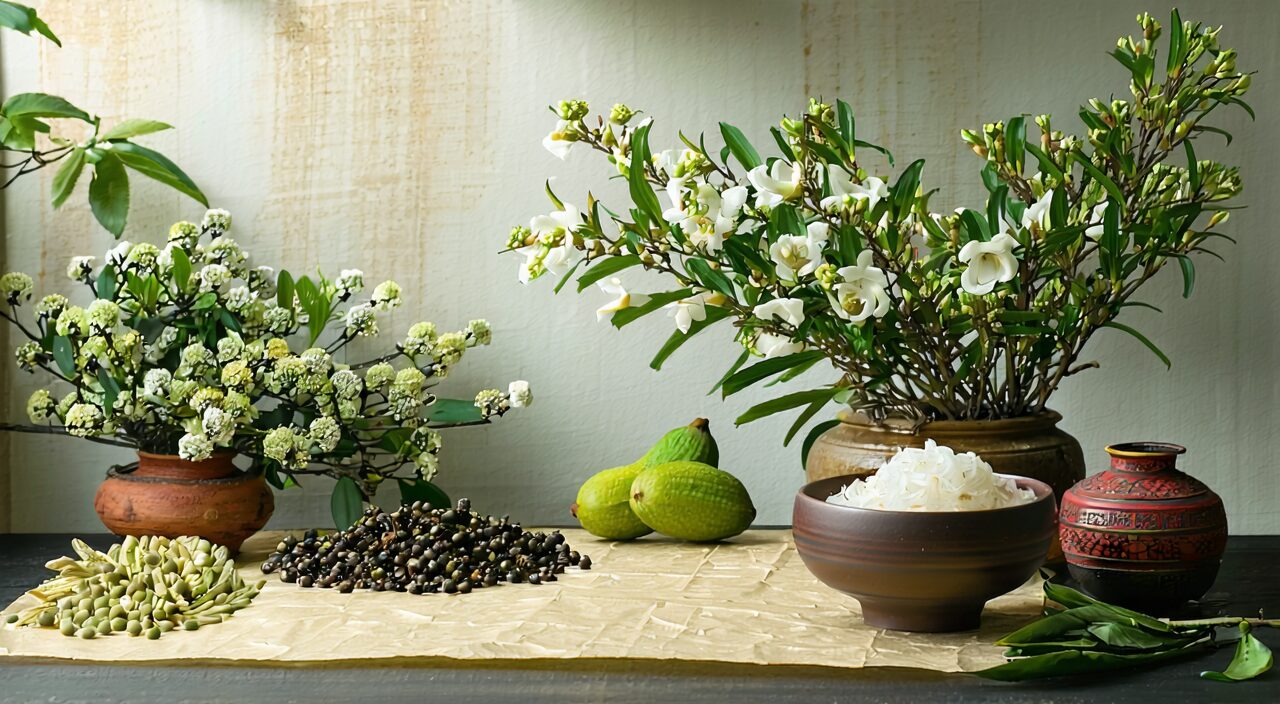
In classical formulas, Dan Dou Chi combines with different herbs to address different clinical emphases. The following classic formulas illustrate its common applications.
Zhizichi Decoction (Gardenia and Fermented Soybean Decoction) is one of the most frequently mentioned formulas. It consists mainly of Zhi Zi (gardenia fruit) and Dan Dou Chi. Traditionally, it is used after an externally contracted febrile disease when heat stagnates in the chest and diaphragm, causing irritability, insomnia, chest oppression with heat sensation, and a general feverish feeling. Here, Dan Dou Chi helps vent constrained heat, working with gardenia to clear heat and relieve irritability. However, whether such presentations truly fit the direction of this formula depends on the individual’s overall pattern; if there is pronounced deficiency cold or spleen‑stomach weakness, a more cautious evaluation is needed.
Yinqiao San (Lonicera and Forsythia Powder) also uses Dan Dou Chi. As a representative pungent-cool exterior-releasing formula, it is often used at the early stage of wind-heat external contraction, with symptoms such as fever, slight aversion to wind, headache, and sore throat. In this formula, Dan Dou Chi works together with Jin Yin Hua (honeysuckle), Lian Qiao (forsythia), and Bo He (mint) to help vent the external pathogen. Some commercial patent preparations of this formula are available, but selection should still be based on individual presentation and product instructions, ideally with professional assessment.
Congchi Jiegeng Decoction (Scallion, Fermented Soybean, and Platycodon Decoction) combines Cong Bai (scallion white), Dan Dou Chi, and Jie Geng (platycodon). It has traditionally been used for mild wind-cold or early wind-heat patterns presenting with slight fever, nasal congestion, and cough. The pairing of Dan Dou Chi and scallion white creates a combined venting and dispersing effect, making it a home‑care option for mild external conditions. Again, whether it is suitable for an individual should not be determined by symptoms alone; especially if fever persists or cough worsens, proper medical help should be sought.
What Precautions Should Be Taken When Using Dan Dou Chi?
Although Dan Dou Chi is considered relatively mild in nature, there are still several points that deserve careful attention during use.
First, the source and processing method must be clear. Because different manufacturers and regions may use different auxiliary materials and fermentation strains, the quality and therapeutic bias of Dan Dou Chi can vary. Whenever possible, choose products with a transparent source and that meet pharmacopoeia standards, and avoid improperly processed fermented soybeans.
Second, be alert to salt adulteration. In some herb markets, culinary fermented soybeans may be sold as Dan Dou Chi. Such products contain high levels of salt; if decocted and taken in large amounts over a long period, they can bring an extra sodium burden. A preliminary judgment can be made at purchase through appearance and taste—if a distinct salty taste is present, it is almost certainly not properly processed Dan Dou Chi.
Furthermore, soybean allergies should not be overlooked. Dan Dou Chi is essentially a fermented soybean product. People who are allergic to soybeans or fermented soy products should avoid exposure. If after using a formula or product containing Dan Dou Chi signs of allergy such as skin itching, gastrointestinal discomfort, or breathing difficulty occur, stop use immediately and consult a physician.
Finally, do not casually substitute ordinary fermented soybeans. Whether dry or wet kitchen fermented soybeans, their high salt content and limited fermentation depth mean they cannot achieve the traditional medicinal direction of Dan Dou Chi and may cause discomfort such as dry mouth and edema. Without experience, casual substitution will only cause trouble.
Summary
Dan Dou Chi, a medicinal product fermented from soybeans, differs fundamentally from everyday culinary fermented soybeans in salt content, processing with auxiliary materials, and usage context. When identifying it, pay attention to its dark brown, wrinkled appearance, soft texture, and distinctive fermented aroma, and do not confuse it based solely on similar shape. It is often used in formulas such as Zhizichi Decoction and Yinqiao San as an herb that vents constraint and releases the exterior, but these applications must be integrated with individual constitution and pattern presentation and cannot be applied simplistically. This article is for informational reference only and is not a substitute for professional diagnosis or treatment advice. If you experience persistent discomfort, please consult a physician or a qualified professional.