
What Is Mu Dan Pi? Medicinal Part, Identification, and Common Formulas
When people think of peonies, the first thing that comes to mind is often the elegant and luxurious flower. However, in the world of traditional Chinese medicine, the value of the peony goes far beyond its beauty. Mu Dan Pi (Moutan Cortex) is one of the commonly used Chinese medicinal materials; it is the dried root bark of the peony, processed in specific ways before use. For many overseas individuals who are just starting to learn about Chinese herbs, the name Mu Dan Pi may be unfamiliar. Understanding what it looks like, which part of the plant it comes from, and which common formulas use it is worthwhile. This article systematically introduces Mu Dan Pi from the perspectives of visual identification, medicinal part, traditional Chinese medicine understanding, differences from Chi Shao (Red Peony Root), and usage precautions.
What Does Mu Dan Pi Look Like? How to Identify It?
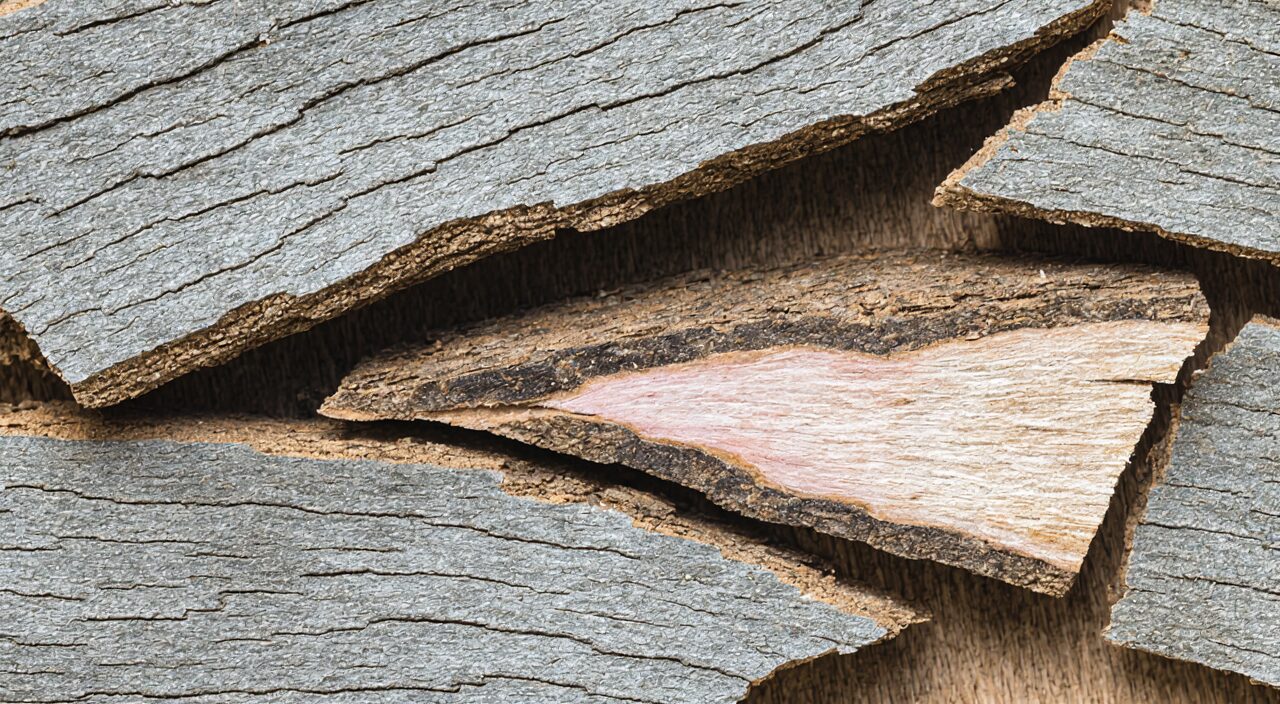
To identify Mu Dan Pi, it helps to focus on several distinct characteristics. First, examine the shape. Mu Dan Pi is usually tubular or semi-tubular in form, as it is the root bark peeled from the peony root which naturally curls upon drying. The length generally ranges from 5 to 15 centimeters, and the diameter is about 0.5 to 1 centimeter.
Next, observe the color and texture. The outer surface is often grayish-brown or purplish-brown, sometimes with transverse lenticel-like scars and fine longitudinal wrinkles. After cutting or peeling away the outer layer, the inner surface provides a contrasting color—usually pale pink, light reddish-brown, or grayish-white—and is relatively smooth. These color features are commonly referenced in traditional identification.
Also pay attention to the fracture surface and odor. When broken, Mu Dan Pi reveals a relatively flat, powdery fracture, indicating a fine texture. Upon smelling, it has a distinctive aroma that is not strong but quite recognizable. Tasting yields a slight bitterness and astringency; traditionally, pieces with a clear and clean fragrance are considered superior. By observing these aspects together, you can gain a comprehensive understanding of Mu Dan Pi’s appearance.
What Is the Medicinal Part of Mu Dan Pi?
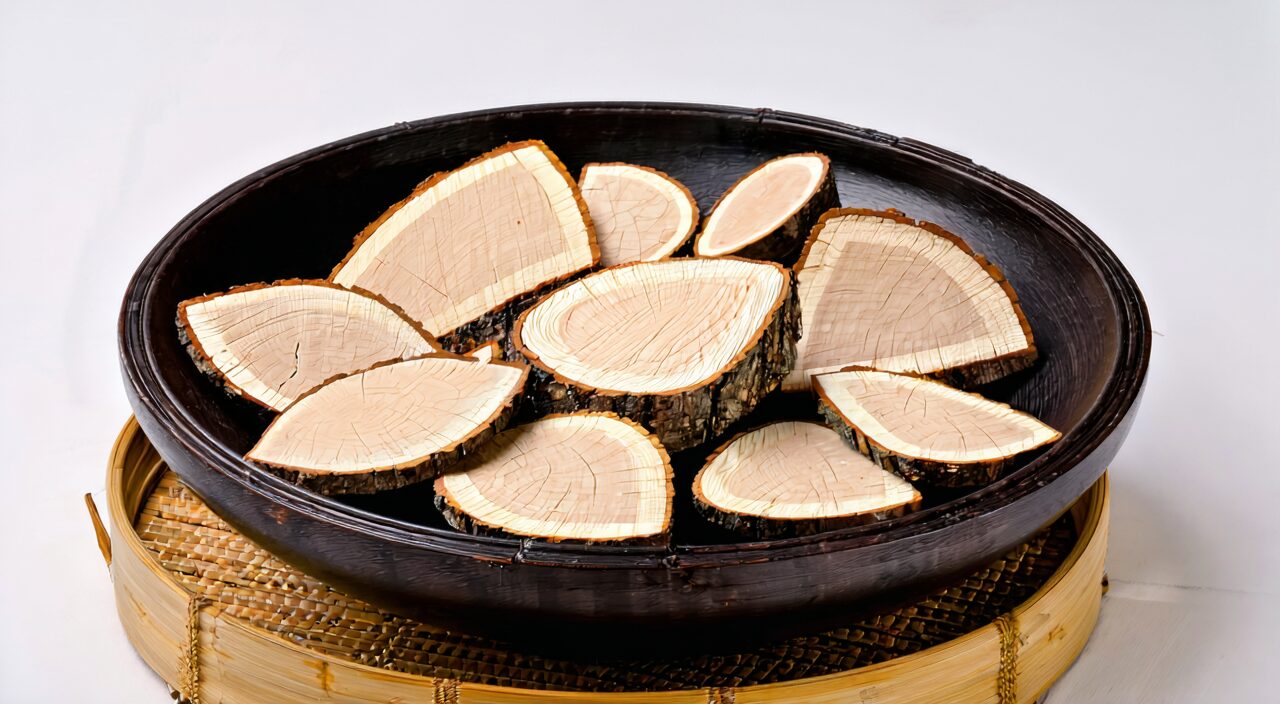
Many people think Mu Dan Pi is the peony root, but this understanding is not quite complete. Strictly speaking, the medicinal part is the dried root bark of the peony. The specific processing method involves digging up the peony root, removing soil and sand, scraping or peeling off the root epidermis, and then extracting the central woody core—commonly known as “removing the wood heart”—leaving only the outer root bark.
Removing the woody core is a key step in processing Mu Dan Pi. The woody core is considered to be more dispersing in nature, while the root bark is traditionally valued for its purer abilities to clear heat, cool blood, and invigorate blood circulation. In prepared slice form, Mu Dan Pi usually appears as thin slices, tubes, or semi-tubes, often with slightly curled edges, and the surface color as described above; the interior is the root bark left after removing the woody core. Understanding that the medicinal part is the root bark rather than the whole root helps in more accurately grasping its characteristics.
How Does Traditional Chinese Medicine Understand Mu Dan Pi?
From the perspective of traditional Chinese medicine, Mu Dan Pi is commonly understood and used in the following ways. First, it clears heat and cools the blood. When pathogenic heat enters the nutrient and blood levels, causing signs related to blood heat, Mu Dan Pi is often used to help clear heat without creating stasis. In this context, it is frequently combined with other heat-clearing and blood-cooling herbs, such as Sheng Di Huang (Rehmannia) and Xuan Shen (Scrophularia).
Second, it invigorates blood and resolves stasis. Mu Dan Pi is believed to unblock the blood vessels and disperse stasis, making it suitable for conditions such as pain, masses, or menstrual irregularities caused by blood stasis. Traditionally, many formulas for regulating menstruation or treating abdominal masses include Mu Dan Pi, but it usually works as part of a combination rather than acting alone.
Third, it alleviates deficiency heat. When the body’s yin fluids are insufficient, leading to signs such as afternoon low-grade fever, night sweats, and a sensation of heat in the palms, Mu Dan Pi is sometimes added to formulas. The classic example is Liu Wei Di Huang Wan (Six-Ingredient Rehmannia Pill), in which Mu Dan Pi cooperates with Shan Zhu Yu (Cornus) and Shu Di Huang (Prepared Rehmannia) to help clear deficiency heat. These understandings are based on overall considerations of constitution and pathogenesis in traditional Chinese medicine. Whether it is suitable depends on individual conditions and professional judgment.
What Perspectives Does Modern Research Provide?
Modern research has also explored the chemical components and pharmacological activities of Mu Dan Pi. Studies show that it contains paeonol, paeoniflorin, and other constituents. Among these, paeonol has been observed in experiments to have potential anti-inflammatory, antioxidant, and immunomodulatory effects. These findings provide some modern annotation for the traditional use of Mu Dan Pi, but they cannot be directly equated with clinical efficacy. There is still a significant gap between laboratory research and the actual processes within the human body, and factors such as usage, dosage, and combination with other herbs all influence the results. Therefore, modern research is more of a direction for understanding. In daily use, Mu Dan Pi should not be simply regarded as the source of a certain extract, and one should not arbitrarily increase the dosage or alter the usage method.
What Is the Difference Between Mu Dan Pi and Chi Shao (Red Peony Root)?
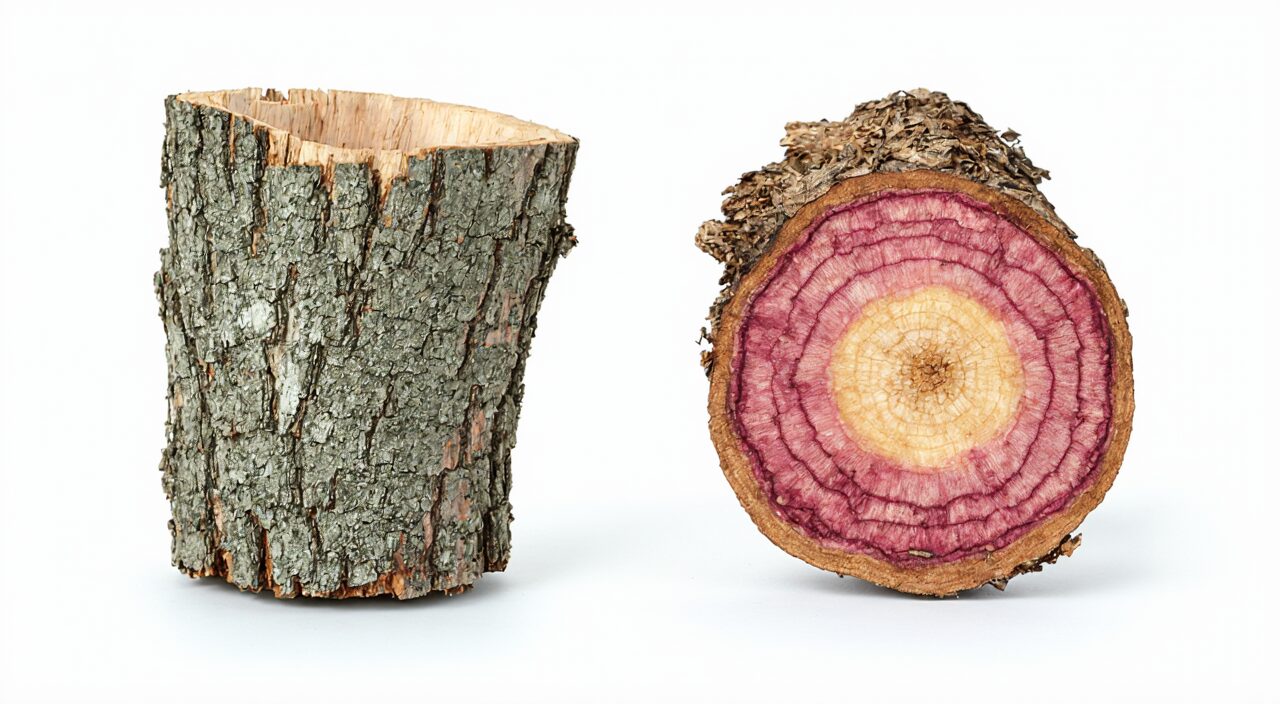
Both Mu Dan Pi and Chi Shao belong to the Ranunculaceae family and the Paeonia genus; they both originate from peony or related plants, so their appearance and functions can sometimes be confused. However, there are clear differences.
In terms of source, Mu Dan Pi is the dried root bark of the tree peony, while Chi Shao is the dried root of Paeonia lactiflora or Paeonia veitchii—one is the bark, the other is the whole root. In appearance, Mu Dan Pi is mostly tubular or semi-tubular, with a noticeably powdery fracture and an inner surface that is light pink or grayish-white. Chi Shao is cylindrical, with a brownish or dark brown surface, a relatively rough fracture without powderiness, and a hard, brittle texture. Regarding odor, Mu Dan Pi has a distinctive fragrance, while Chi Shao has a weaker smell.
In terms of traditional application emphasis, both can cool blood and invigorate blood. However, Mu Dan Pi leans more toward alleviating deficiency heat and is suitable for yin deficiency with heat or blood-heat stasis, while Chi Shao leans more toward invigorating blood and alleviating pain, and is more commonly used for blood-stasis pain, traumatic injuries, and similar conditions. In formulas, the two are sometimes used together, but they cannot fully substitute for each other. When purchasing herbs or understanding TCM approaches, distinguishing between Mu Dan Pi and Chi Shao is a very practical step.
Which Formulas Use Mu Dan Pi?
Mu Dan Pi plays an important role in many classic formulas. The following are a few well-known examples, provided only for understanding traditional usage directions and not as a basis for self-selection of remedies.
In Liu Wei Di Huang Wan, Mu Dan Pi is combined with Shu Di Huang, Shan Zhu Yu, Shan Yao (Chinese Yam), and others to help clear liver fire and alleviate deficiency heat, ensuring that the formula nourishes yin without becoming overly cloying. This approach is commonly used for kidney yin deficiency patterns such as soreness and weakness of the lower back and knees, dizziness, tinnitus, and night sweats.
In Gui Zhi Fu Ling Wan (Cinnamon Twig and Poria Pill), Mu Dan Pi is used together with Gui Zhi (Cinnamon Twig), Fu Ling (Poria), Tao Ren (Peach Kernel), and Bai Shao (White Peony Root), focusing on invigorating blood, resolving stasis, and gradually reducing masses. Traditionally, it is used for blood stasis conditions such as persistent abdominal masses, amenorrhea, and abdominal pain in women.
Xi Jiao Di Huang Tang (Rhinoceros Horn and Rehmannia Decoction) is a representative formula for clearing heat and cooling blood. In this formula, Mu Dan Pi is combined with Xi Jiao (rhinoceros horn; now usually replaced with Shui Niu Jiao, Water Buffalo Horn), Sheng Di Huang, and Chi Shao. It is applicable when pathogenic heat enters the blood level, leading to severe conditions such as purple spots, vomiting of blood, and nosebleeds. This formula must be used strictly under medical supervision.
Da Huang Mu Dan Tang (Rhubarb and Moutan Decoction) comes from the Essentials from the Golden Cabinet. It consists of Da Huang (Rhubarb), Mu Dan Pi, Tao Ren, Dong Gua Ren (Winter Melon Seed), and Mang Xiao (Mirabilite). It is used for early-stage intestinal abscess due to damp-heat stasis, traditionally indicated by right lower abdominal pain and tenderness.
The above formulas involve different constitutions and mechanisms. Whether Mu Dan Pi should be used, and in which direction, must be determined based on tongue and pulse diagnosis, symptoms, and overall pattern differentiation. Self-application is strongly discouraged.
What Precautions Should Be Taken When Using Mu Dan Pi?
Although Mu Dan Pi is a commonly used medicinal, there are some points to note when using it. Pregnant women should avoid using Mu Dan Pi because its blood-invigorating function may affect the fetus; this contraindication is recorded in many herbal texts. Those with heavy menstrual bleeding or a clear tendency to bleed should generally also avoid using Mu Dan Pi during the treatment period, to avoid exacerbating bleeding.
Additionally, Mu Dan Pi has potential anticoagulant effects and may influence platelet aggregation. Therefore, individuals taking anticoagulant medications (such as warfarin, aspirin, etc.) who need to use formulas or products containing Mu Dan Pi must consult a doctor beforehand to assess possible drug interactions. For long-term or recurrent bleeding tendencies or skin ecchymosis, it is even more important to prioritize a comprehensive medical examination rather than self-treating with a single herb.
Summary
Mu Dan Pi is the dried root bark of the peony. Its tubular or semi-tubular appearance, powdery fracture, and distinctive fragrance form its key identification features. Traditional Chinese medicine understands it mainly from the perspectives of clearing heat and cooling blood, invigorating blood and resolving stasis, and alleviating deficiency heat, and flexibly incorporates it into classic formulas such as Liu Wei Di Huang Wan and Gui Zhi Fu Ling Wan. When using it, be mindful of influencing factors such as pregnancy, heavy menstruation, and anticoagulant medications. This article is for informational reference only and cannot replace professional diagnosis or treatment advice. Specific use should always follow a physician’s guidance.