
What Is Ban Lan Gen? Medicinal Parts, Identification, and Common Formulas
When seasons change or when someone nearby catches a cold, many households think of Ban Lan Gen. This seemingly ordinary Chinese medicinal material actually has distinct physical characteristics and usage boundaries. Understanding what Ban Lan Gen is, how to identify it, how it differs from Da Qing Ye, and which classic formulas use it can help you make more informed decisions when using it.
What Does Ban Lan Gen Look Like? How to Identify It?
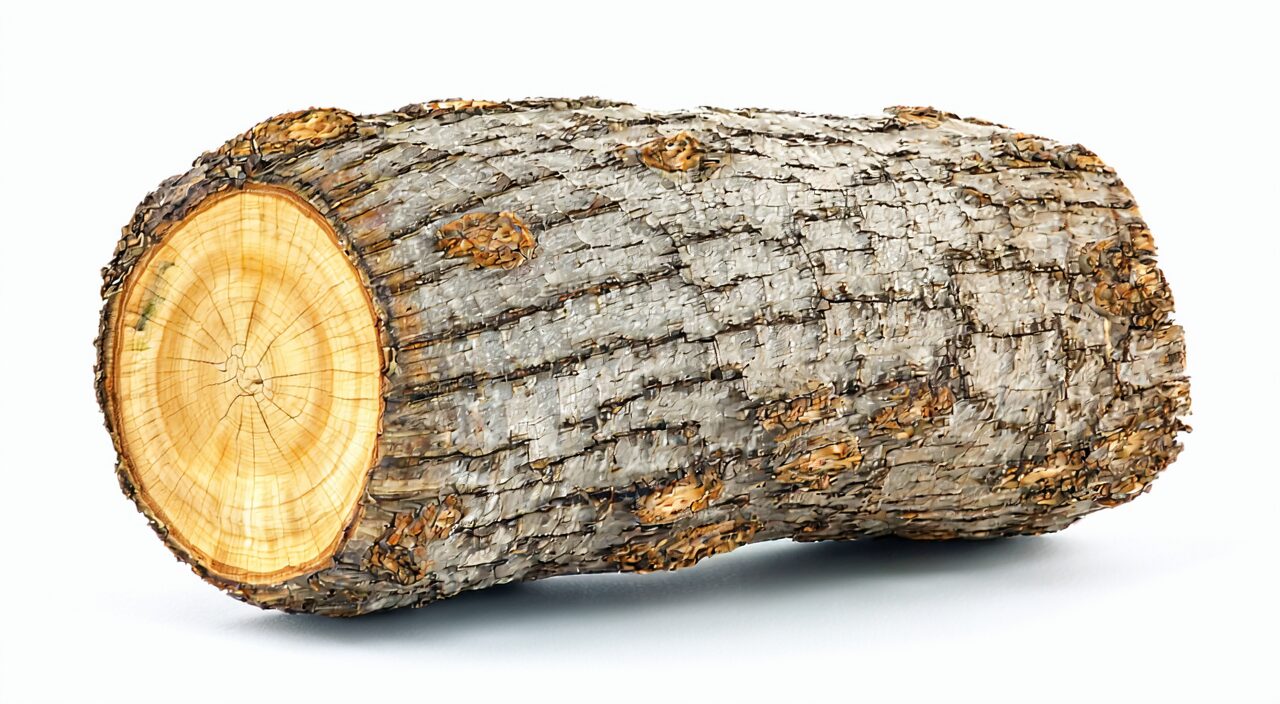
As a medicinal material, Ban Lan Gen is cylindrical, slightly twisted, generally 10–20 cm long and 0.5–1 cm in diameter. The surface is grayish-yellow or light brownish-yellow. On the root head, remnants of stem bases or wart-like protuberances may occasionally be seen. The most distinctive feature is the transversely raised lenticels on the surface, appearing as dots or short lines with relatively even distribution—this is an intuitive mark that distinguishes it from other root herbs.
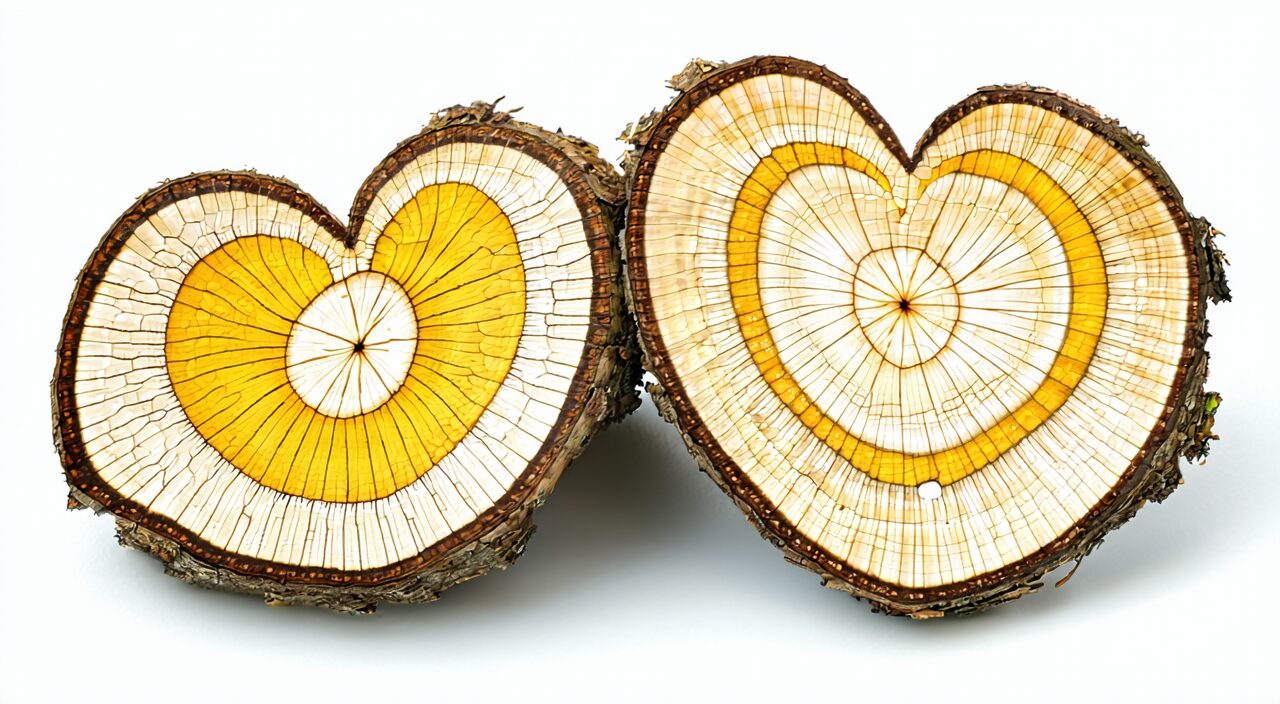
When broken, the fractured surface is uneven; the bark is relatively thin while the xylem is broad, revealing obvious yellow-white alternating textures somewhat resembling a ‘chrysanthemum heart.’ The texture is firm, crisp, and breaks easily. The odor is faint. Upon tasting, there is a slight sweetness at first, followed by a persistent bitterness. This ‘sweet at first, then bitter’ sensory characteristic is a key experience in identifying Ban Lan Gen. If the cross-section color appears abnormal, or if the sweet taste is too strong without a clear bitter aftertaste, it may be an adulterant or improperly processed product—be cautious.
What Is the Medicinal Part of Ban Lan Gen?
The medicinal part of Ban Lan Gen is the dried root of the Isatis indigotica plant (Brassicaceae). Both the root and the leaf of Isatis are used as medicine: the root is Ban Lan Gen, and the leaf is called Da Qing Ye. They come from the same plant but differ in the parts used and the harvesting and processing methods.
Traditionally, the root is dug up in autumn. After removing soil and impurities, it is either dried in the sun or sliced while fresh and then dried. Commercially available Ban Lan Gen decoction pieces are mostly oblique or transverse slices; after slicing, the yellowish-white xylem and the light yellowish-brown bark remain visible with a clear cross-section. Whole pieces are generally dry, free of impurities, and have a distinctive odor. Some processing methods also use honey-frying or steaming, but the crude (unprocessed) form is mainly used. Understanding the medicinal part and processing contributes to a more accurate grasp of the herb’s quality.
How Does Traditional Chinese Medicine Understand Ban Lan Gen?
In traditional Chinese medicine theory, Ban Lan Gen is bitter and cold, and enters the Heart and Stomach meridians. Its core uses can be summarized as clearing heat and detoxicating, cooling the blood, and benefiting the throat. It is often used for swollen and sore throat, fever, mumps (epidemic parotitis), and the early stages of warm-heat diseases caused by exuberant heat-toxin. However, these descriptions are based on the framework of traditional pattern differentiation and treatment, not targeted at specific modern medical diseases.
In traditional use, Ban Lan Gen is rarely used alone. It is often combined with herbs such as Jin Yin Hua (honeysuckle), Lian Qiao (forsythia), Huang Qin (scutellaria), and Huang Lian (coptis) to augment heat-clearing power and address different symptoms. For instance, for sore throat and thirst caused by externally contracted wind-heat or warm toxin, it is commonly used to clear heat-toxin from the upper energizer. However, this needs to be judged based on individual constitution, especially in terms of cold/heat and deficiency/excess. In different stages of warm-heat diseases, Ban Lan Gen is more often applied when there is exuberant qi-level heat or heat-toxin attacking upward, rather than being suitable for all types of fever.
What Modern Research Suggests
Modern research has found that Ban Lan Gen contains various components such as indirubin, indigo, amino acids, and polysaccharides. Some in vitro experiments suggest that Ban Lan Gen extracts show inhibitory tendencies against certain viruses or bacteria, but this remains at the basic research stage and cannot be directly equated with preventive or therapeutic effects in the human body. At present, clinical studies on Ban Lan Gen are still insufficient, and no definitive conclusions can be drawn. When facing colds or other infections, priority should still be given to rest, hydration, and seeking medical attention when necessary, avoiding blind reliance on a single Chinese medicinal.
What Is the Difference Between Ban Lan Gen and Da Qing Ye?
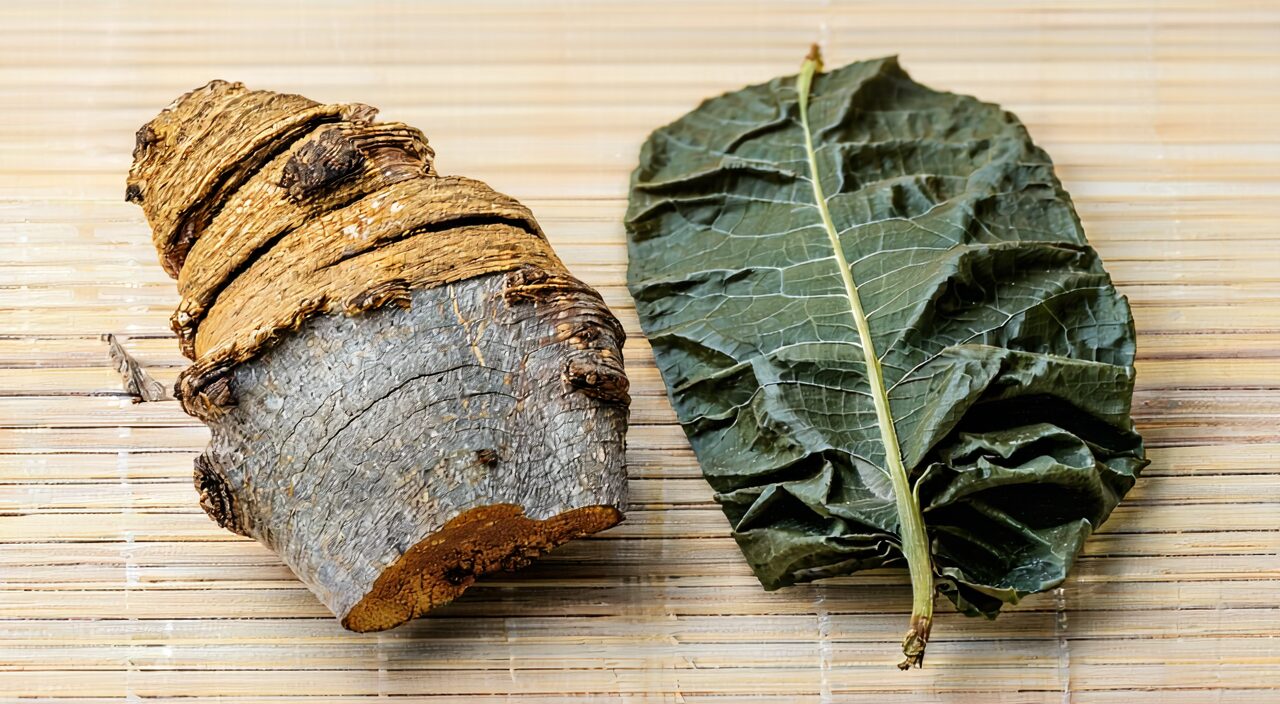
Ban Lan Gen and Da Qing Ye both come from Isatis indigotica, but each has its own emphasis. The main differences are as follows:
- Medicinal part: Ban Lan Gen is the root; Da Qing Ye is the leaf.
- Appearance and morphology: Da Qing Ye is often crumpled or broken; intact leaves are long-elliptic or oblong-oblanceolate, dark green, with winged petioles. Ban Lan Gen is a root, with lenticels on the surface and a chrysanthemum-heart pattern on the cross-section.
- Traditional application focus: Both can clear heat and detoxicate, but Ban Lan Gen has a stronger tendency to benefit the throat and reduce swelling, and is often used for swollen and sore throat, mumps, etc. Da Qing Ye leans more toward cooling the blood and resolving macules, and is more commonly used when warm-heat diseases enter the blood level with faint macules. Furthermore, Da Qing Ye leaves can also be used to produce Qing Dai (natural indigo), which in turn is used for cooling the blood, resolving macules, draining fire, and calming fright.
Understanding these differences helps clarify the logic behind which part is used when selecting related patent medicines or formulas, and makes it easier to see why different parts of the same plant can act in different directions.
Which Formulas Use Ban Lan Gen?
As a heat-clearing and detoxicating herb, Ban Lan Gen appears in many formulas. Below are three relatively representative formula directions:
- Pu Ji Xiao Du Yin (Universal Benefit Decoction to Eliminate Toxin): Traditionally used for conditions such as massive head scourge, redness, swelling, burning pain of the head and face, and throat discomfort. In this formula, Ban Lan Gen is combined with Huang Qin and Huang Lian to help clear heat-toxin from the upper energizer, benefit the throat, and reduce swelling. It is often used for related symptoms after contracting wind-heat epidemic toxin, but should not be self-prescribed without professional pattern differentiation.
- Shen Xi Dan (Spirit Rhinoceros Pill): Originally from medical classics, it is often used for complex situations such as warm-heat, summer-heat epidemics, high fever, loss of consciousness, and delirium. In addition to Ban Lan Gen, Shen Xi Dan includes Shui Niu Jiao (water buffalo horn), Zi Cao (lithospermum), Huang Qin, Jin Yin Hua, etc., emphasizing clearing heat, cooling the blood, detoxicating, and opening the orifices. This formula targets relatively severe states of internal exuberance of heat-toxin and must be used under the guidance of a Chinese medicine practitioner.
- Ban Lan Gen Decoction: This is a single-herb or small compound formula with Ban Lan Gen as the primary ingredient. In some traditional usages, it is combined with Xuan Shen (scrophularia) and Jie Geng (platycodon), specifically for swollen sore throat and enlarged tonsils. The approach of Ban Lan Gen Decoction is relatively straightforward, but it still needs to be matched with specific constitution and symptoms; it is unsuitable for those with spleen-stomach deficiency-cold.
It should be noted that the formulas above are all from traditional records. Whether they are suitable for an individual’s situation must be determined through specific Chinese medicine pattern differentiation and should not be applied mechanically. There are also many patent medicines containing Ban Lan Gen; when choosing, it is advisable to comprehensively consider the product instructions, your personal constitution, and professional advice.
What Precautions Should Be Taken When Using Ban Lan Gen?
Although Ban Lan Gen is common, it is not suitable for everyone, nor can it be taken at any time. Here are a few key points that need attention:
- Use with caution in spleen-stomach deficiency-cold: Ban Lan Gen is bitter and cold and can easily damage spleen-stomach yang qi. People who are prone to diarrhea, cold sensation in the abdomen, poor appetite, or aversion to cold may experience aggravated abdominal discomfort with long-term or large-dose use.
- Not recommended for long-term preventive use: When no symptoms are present, casually taking Ban Lan Gen as a “cold preventive” tea over a long period is not recommended by professional opinion. It may disturb digestive function or cause other unknown effects.
- Extra caution for children: Children have delicate organs; the use of Ban Lan Gen should be in appropriate doses and not for extended periods. It is best to consult a Chinese medicine practitioner or pharmacy professional first.
- Allergies and special populations: There have been isolated reports of allergic reactions such as rash or itching after taking Ban Lan Gen. People with an allergic constitution should monitor closely during initial use. Pregnant and breastfeeding women should also consult a doctor before use.
- Seek medical attention promptly for complex symptoms: If a sore throat is accompanied by high fever, difficulty breathing, or if symptoms persist, seek medical attention promptly and do not rely on a single medicinal material to resolve the problem.
In summary, Ban Lan Gen should be used short-term under the premise of a clear understanding of constitution and symptoms.
Summary
Understanding Ban Lan Gen requires not only knowing its appearance and source, but also grasping its cold nature and usage boundaries. Although it shares the same origin as Da Qing Ye, their actions have different emphases. Its application in classic formulas also indicates that it often needs to be combined with other herbs rather than used alone. For people with a tendency toward spleen-stomach deficiency-cold or without clear signs of heat-toxin, taking Ban Lan Gen frequently over a long period may not be appropriate. This article is for knowledge reference only. Any health decisions should be based on individual specific circumstances and prioritize professional medical advice.