
What Is Chuan Lian Zi? Medicinal Parts, Identification, and Common Formulas
Chuan Lian Zi (the dried ripe fruit of Melia toosendan) is a common medicinal ingredient in Chinese herbal formulas. Many overseas Chinese interested in traditional Chinese medicine may have heard its name, yet are unfamiliar with its specific source, appearance, and usage. Since Chuan Lian Zi carries a certain degree of toxicity, understanding its basic characteristics, traditional applications, and safety boundaries before use is very important. This article will explore what Chuan Lian Zi looks like, how the medicinal part is processed, how Chinese medicine understands its actions, as well as its differences from Ku Lian Pi (Chinaberry bark), common formulas, and safety precautions.
What Does Chuan Lian Zi Look Like? How to Identify It?
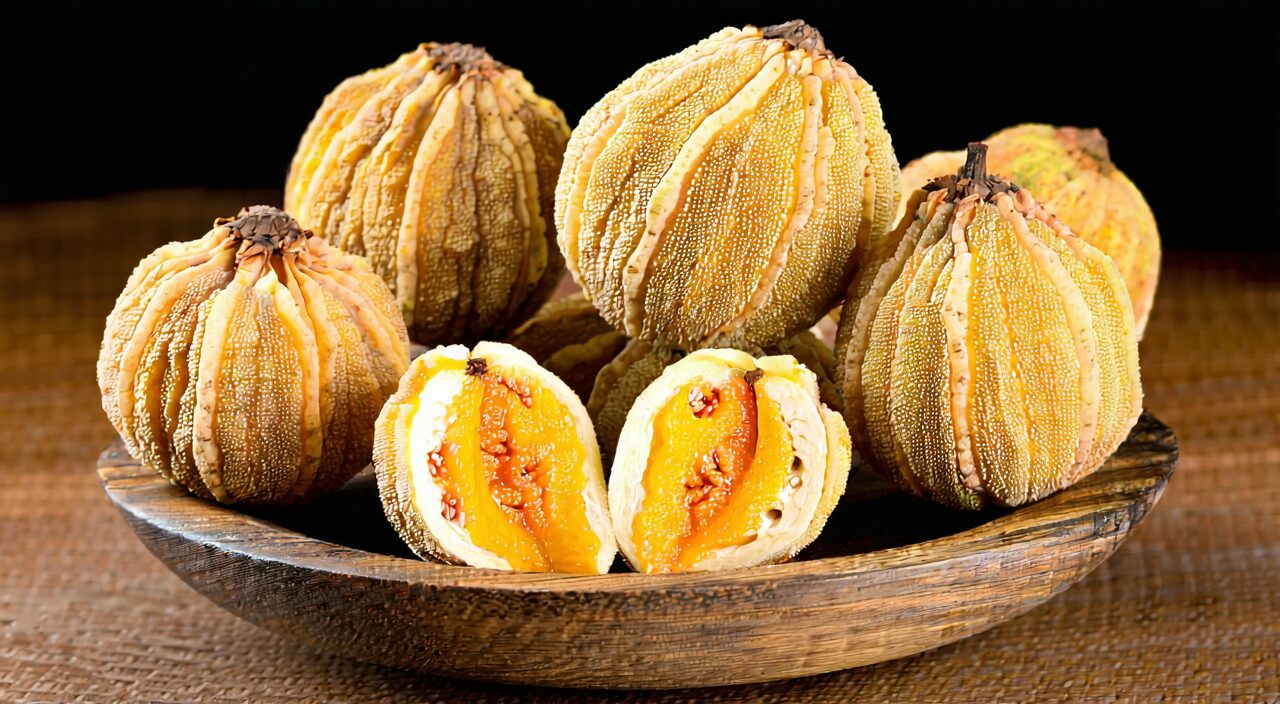
Dried Chuan Lian Zi is globular or oval, typically 1.5–2.5 cm in diameter. The surface is golden-yellow to brownish-yellow, slightly glossy, often showing distinct longitudinal ridges and fine wrinkles. A remnant of the style may be visible at the fruit apex, and a fruit stalk scar at the base. To the touch, the fruit skin is firm yet somewhat pliable. When cut, thick flesh is visible, encasing a hard stone that usually contains several seeds. The odor is mildly peculiar, the taste sour and bitter, with a numbing sensation when chewed. When purchasing, choose fruits that are large, plump, with golden-yellow skin and thick flesh. Avoid those with darkened surfaces or mold spots. As a distinctive fruit-derived medicinal, Chuan Lian Zi is not difficult to recognize, but without sufficient experience, picking and using fresh fruit is not recommended.
What Is the Medicinal Part of Chuan Lian Zi?
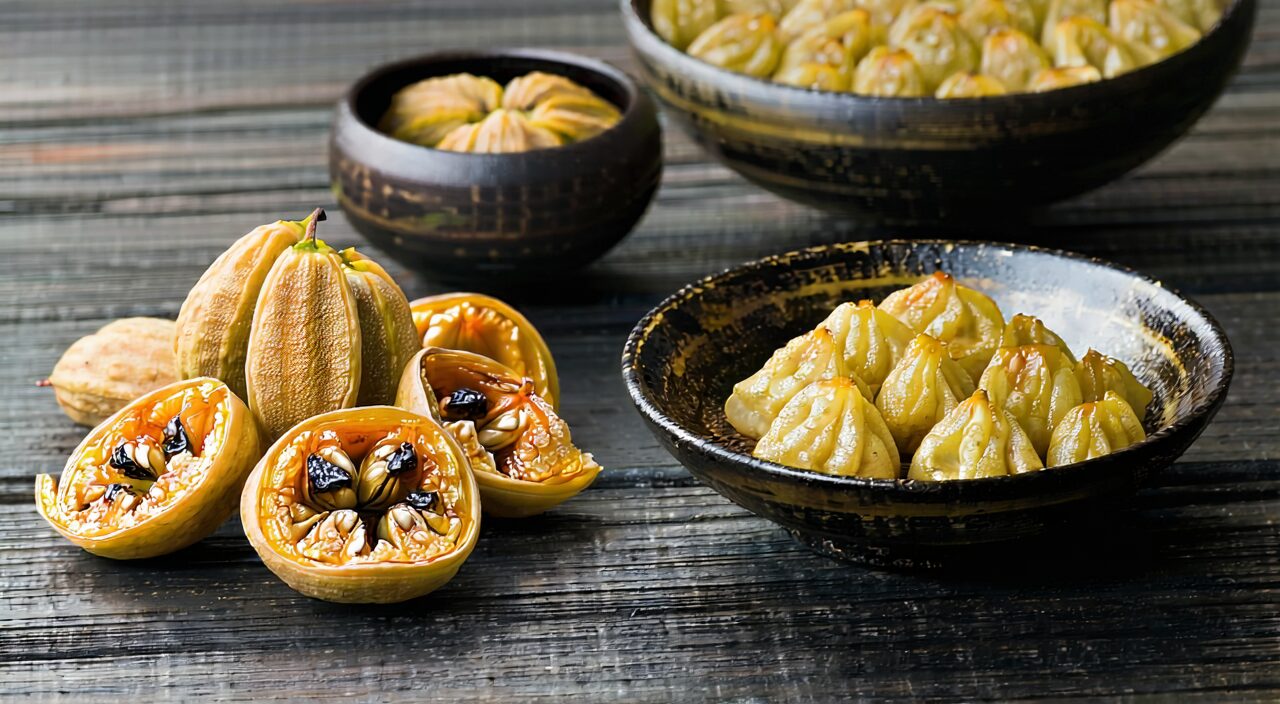
The medicinal part of Chuan Lian Zi is the dried ripe fruit of the Chuan Lian tree (Melia toosendan). It is usually harvested in autumn and winter when the fruit is ripe, cleaned of impurities, and dried in the sun to produce raw Chuan Lian Zi. To moderate its bitter, cold nature and reduce gastrointestinal irritation, stir-fried Chuan Lian Zi is more commonly used in clinical practice: clean Chuan Lian Zi is dry-fried over a gentle flame until the surface turns toasty yellow, then removed and allowed to cool. The processed Chuan Lian Zi still retains its liver-soothing, qi-moving, and pain-relieving effects, with improved taste and reduced irritant properties. It should be noted that the fruit stone is very hard; when preparing decoctions, it is often crushed, but the whole stone should never be swallowed directly.
How Does Chinese Medicine Understand Chuan Lian Zi?
Traditional Chinese medicine (TCM) generally understands Chuan Lian Zi’s actions from the perspectives of soothing the liver and clearing heat, moving qi to relieve pain, and expelling parasites. It has a bitter taste and cold nature, with mild toxicity, and it enters the liver, small intestine, and bladder meridians. Under the pattern of liver depression transforming into fire, it is commonly used for distending pain in the chest and hypochondrium, epigastric and abdominal pain, and hernia pain—conditions associated with qi stagnation and heat accumulation. Many classical texts pair Chuan Lian Zi with Yan Hu Suo (Corydalis rhizome) as a classic combination to regulate liver qi stagnation and pain. In addition, Chuan Lian Zi was traditionally used for roundworm-related abdominal pain and other parasitic accumulations, though this application has gradually declined in modern practice and remains more of a historical notation in formularies. Regardless of the approach, it is emphasized that Chuan Lian Zi has strong medicinal properties, and its suitability must be determined based on the individual’s constitution and presenting symptoms.
What Are the Main Areas of Modern Research?
Modern research on Chuan Lian Zi has mainly focused on its triterpenoid constituents such as toosendanin, along with related toxicological issues. Toosendanin exhibits insecticidal effects and inhibits certain cellular activities, but it also imposes a burden on the liver and nervous system. Reports have indicated that overdose or prolonged use of Chuan Lian Zi may lead to adverse reactions such as liver injury, nausea, vomiting, limb numbness, and even muscle weakness. Therefore, the current scientific consensus is that Chuan Lian Zi should be used only short-term under strict dosage control, and one should never self-increase the dose or arbitrarily extend the duration of use. This understanding aligns with the traditional record mentioning “mild toxicity”.
What Is the Difference Between Chuan Lian Zi and Ku Lian Pi?
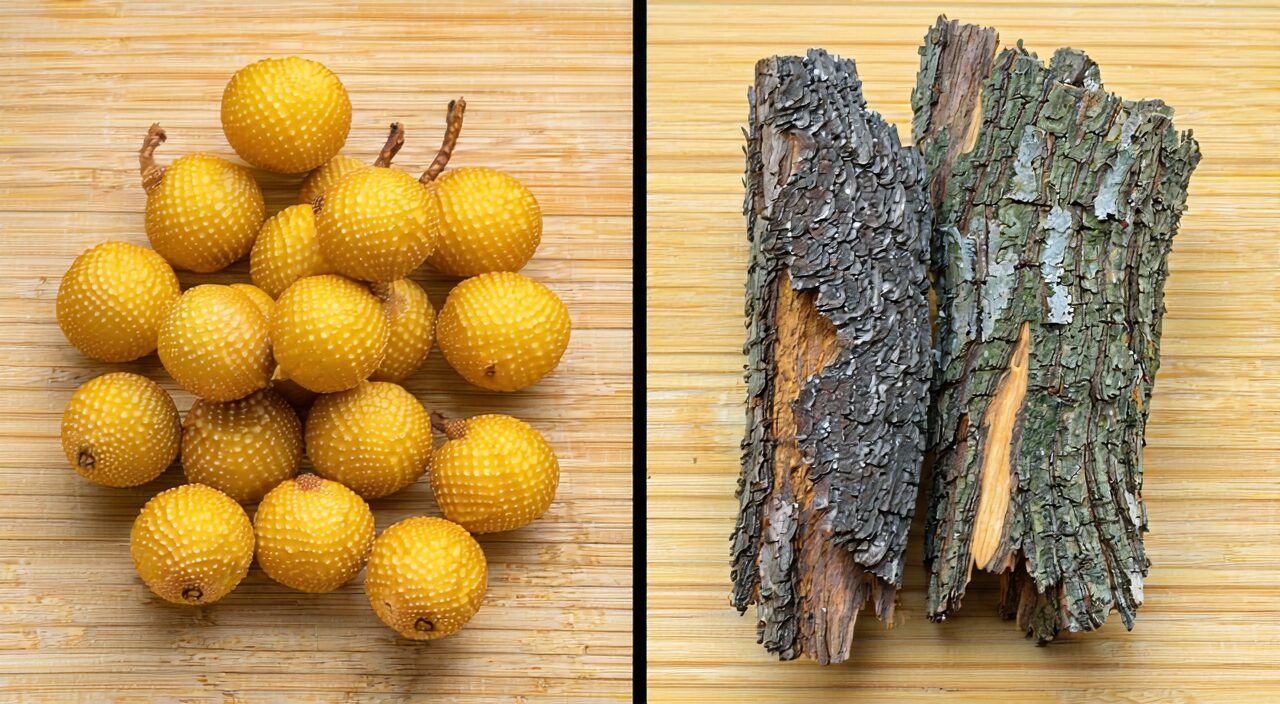
These two medicinal substances have similar names, but they differ greatly in origin, part used, and safety profile. Chuan Lian Zi is the dried ripe fruit of the Chuan Lian tree, while Ku Lian Pi (Chinaberry bark) comes from the dried bark or root bark of Melia toosendan or Melia azedarach. In appearance, Chuan Lian Zi is a golden-yellow, globular fruit, whereas Ku Lian Pi consists of rough, plank-like or channeled bark pieces. From a traditional perspective, Chuan Lian Zi is more oriented toward moving qi, relieving pain, soothing the liver, and clearing heat, while Ku Lian Pi focuses on expelling parasites and is often used for roundworms and hookworms. More critically, Ku Lian Pi is more toxic, posing a higher risk of harm to the digestive and nervous systems, with stricter usage restrictions than Chuan Lian Zi. The two are not interchangeable, and the general public should never harvest or use Ku Lian Pi on their own.
Which Formulas Include Chuan Lian Zi?
Chuan Lian Zi serves as a core component for moving qi and relieving pain in several classic formulas. Among them, Jin Ling Zi San is a representative formula for soothing the liver, clearing heat, and moving qi to stop pain, commonly used for chest, abdominal, and hypochondriac pain caused by liver depression transforming into fire. Yi Guan Jian, although primarily designed to nourish yin, also combines Chuan Lian Zi to soothe the liver and regulate qi, preventing the cloying and stagnating effects of nourishing substances. Tian Tai Wu Yao San uses Chuan Lian Zi with Wu Yao (Lindera root) and Xiao Hui Xiang (fennel) to emphasize warming, dispersing cold, moving qi, and stopping pain, targeting lower abdominal pain and hernia due to cold congealing and qi stagnation. Ju He Wan pairs Chuan Lian Zi with Ju He (tangerine seed) and Hai Zao (seaweed) and is mainly used for regulating conditions like hernia and testicular swelling and pain. Although these formulas differ in their therapeutic emphases, they all demonstrate the important value of Chuan Lian Zi in soothing the liver, moving qi, and relieving pain. It should be noted that each formula has its own scope of application, and whether it suits an individual situation must be determined based on their constitution and the judgment of a qualified professional.
What Precautions Should Be Taken When Using Chuan Lian Zi?
Due to the potential risks of liver injury and neurotoxicity, Chuan Lian Zi must be used with extreme caution. First, pregnant or breastfeeding women, children, and individuals with impaired liver function should avoid using it. Second, Chuan Lian Zi should not be used long-term or in excessive doses; short-term use under professional guidance is generally recommended. If symptoms such as fatigue, loss of appetite, yellowing of the skin, muscle weakness, or numbness in the hands and feet occur during use, discontinue immediately and seek medical attention. The quality of Chuan Lian Zi on the market varies; it should be purchased from reputable sources. Never pick or process fresh fruit on your own, as unprocessed fresh fruit may contain higher concentrations of irritant components. In summary, Chuan Lian Zi is a medicinal with strong properties, and whether it is appropriate to include in a treatment approach should be determined by a qualified professional after evaluating the individual’s constitution and pattern presentation.
Summary
The medicinal part of Chuan Lian Zi is the ripe fruit, which is globular in shape, golden-yellow, and has longitudinal ridges, clearly distinguishable from the more toxic Ku Lian Pi. Traditional formulas such as Jin Ling Zi San may serve as a reference, but due to its liver toxicity and neurotoxicity, never self-administer it long-term. Consult a professional before use; this article is for educational purposes only.