
What Is Glutinous Rice Root? Medicinal Parts, Identification, and Common Formulas
Although glutinous rice root (nuo dao gen) may not stand out among commonly used Chinese herbs, its traditional uses for stopping sweating and nourishing yin have drawn growing interest from overseas users in recent years. Many people searching for glutinous rice root easily confuse it with rice sprout, light wheat, or even ordinary rice straw roots. This article will introduce this root-derived herb from the perspectives of visual identification, medicinal part, traditional understanding, common distinctions, and usage precautions.
What does glutinous rice root look like? How to identify it?
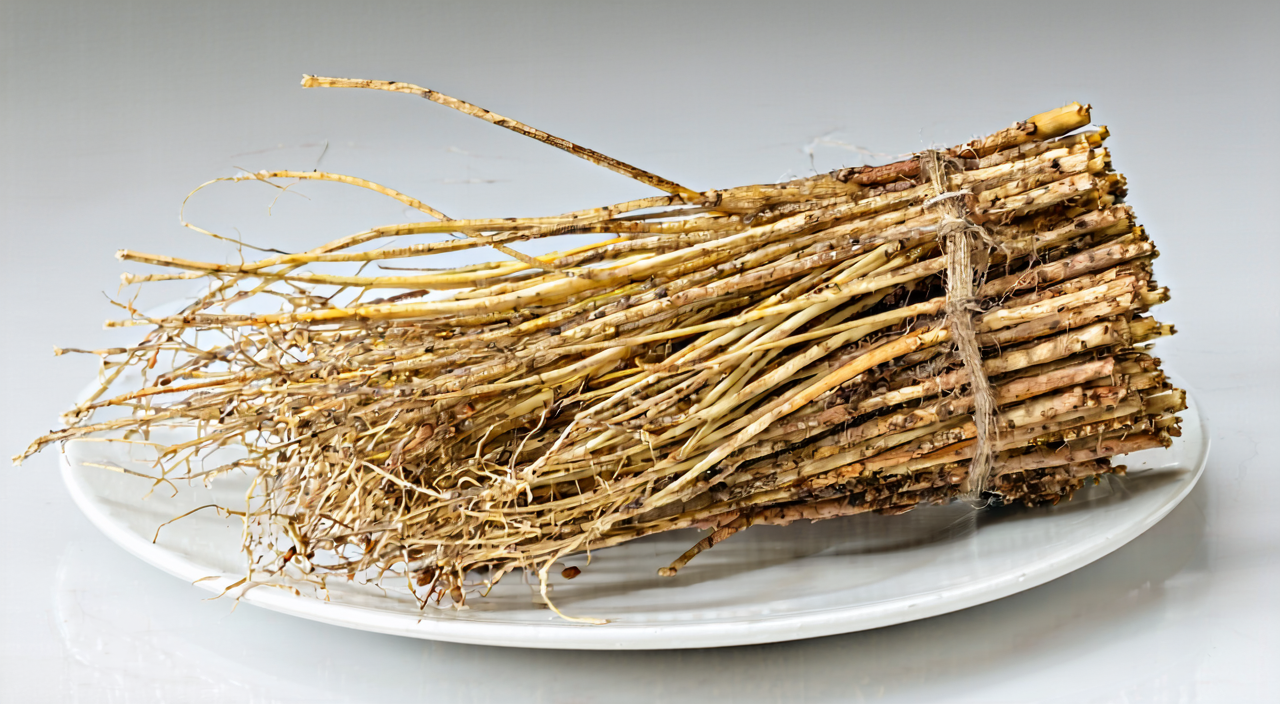
Glutinous rice root comes from the dried root and rhizome of the grass family plant glutinous rice (Oryza sativa var. glutinosa), differing in origin from ordinary rice roots. After harvesting, washing, and drying, glutinous rice root generally appears as a loose clump, dominated by many slender fibrous roots. Its rhizome is very short, often less than 1 cm in diameter, with distinct nodes on the surface. A large number of curved fine roots cluster at these nodes—this is one of its most distinctive features.
In terms of color, the fibrous roots are mostly yellowish-white to light yellowish-brown, with a relatively smooth surface, sometimes tinged with a faint earthy tone. The rhizome part is slightly darker and somewhat firmer in texture. Dried glutinous rice root is very light; it snaps easily when gently squeezed, and the cross-section is fairly even. If you can detect the smell, fresh glutinous rice root has a faint husk-like aroma; after drying, the odor is very mild—typical of a “sweet in flavor, neutral in nature” herb. When identifying it, be careful not to confuse it with specimens that are moldy, blackened, or have an off odor.
What is the medicinal part of glutinous rice root?
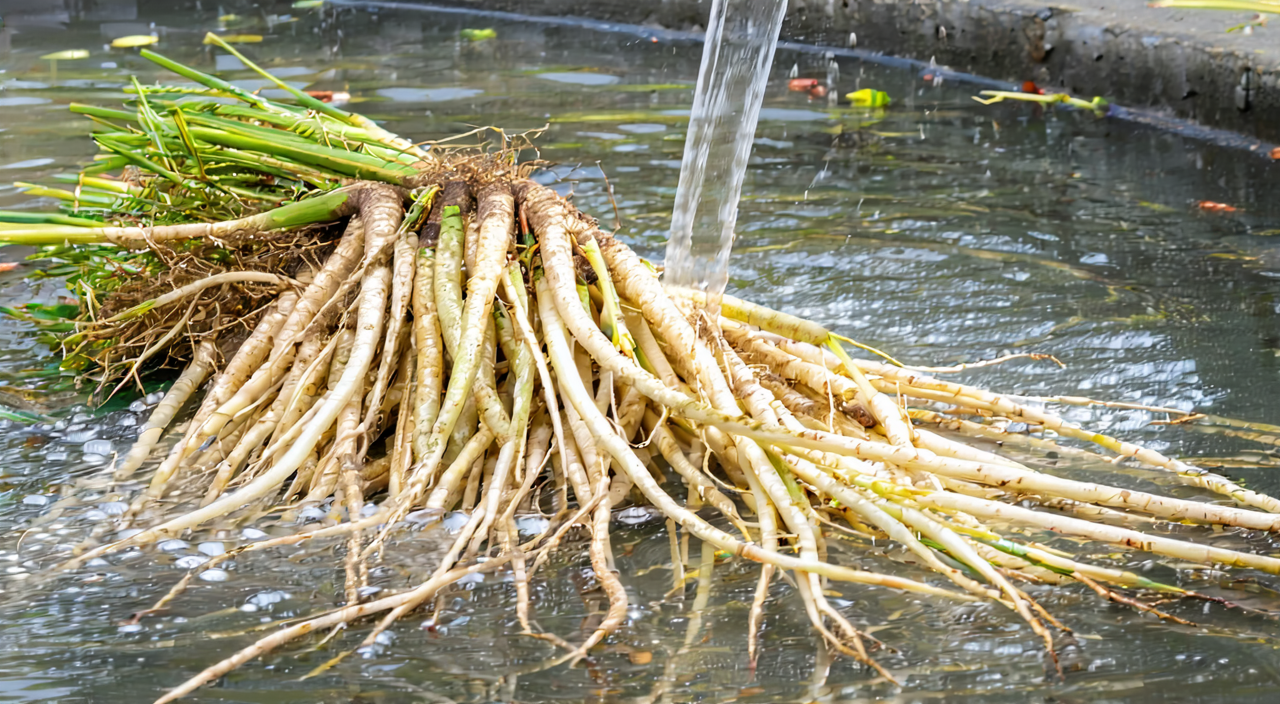
The medicinal part of glutinous rice root is clearly defined as the dried root and rhizome—that is, the entire underground portion. This part includes the very short rhizome and numerous fibrous roots, which are used together and traditionally rarely separated. In the production area, after the glutinous rice is harvested, the roots and rhizomes are dug from the soil, the remaining aerial stems, soil, and impurities are removed, washed with clean water, and then dried in the sun or at low temperatures. They may be cut into sections or used directly in clumps.
It is important to emphasize that the fruit of glutinous rice, once processed, is edible sticky rice, and its sprouted fruit may be used as “rice sprout” (dao ya)—a completely different medicinal material. Many people confuse “glutinous rice root” with “rice sprout” during searches. The former is the root, while the latter is the sprouted fruit, and their therapeutic approaches differ considerably. Therefore, clearly distinguishing the medicinal parts can prevent choosing the wrong material.
How does traditional Chinese medicine understand glutinous rice root?
In traditional Chinese medicine (TCM) theory, glutinous rice root is often classified as a yin-nourishing, exterior-securing, and sweat-stopping herb. It does not have a particularly strong bias; its nature and flavor are sweet and neutral, and it mainly enters the Heart and Liver meridians, with some discussions also mentioning the Lung meridian. Ancient practitioners used it for conditions of unremitting deficiency sweating, especially for spontaneous sweating or night sweats arising after prolonged illness, postpartum, or from a weak constitution, often as part of a regulating approach.
This “sweat-stopping” effect is commonly explained as the ability to nourish yin, benefit the stomach, and clear deficiency heat. When deficiency heat lingers and yin fluids are not secured, abnormal sweating can easily occur in the afternoon or at night. Glutinous rice root traditionally may be suitable for sweating characterized mainly by such “deficiency” patterns. It is rarely used alone; more often, it is combined with herbs like light wheat, ephedra root, and schisandra to form formulas featuring astringing, securing, and yin-nourishing properties. Some practitioners also believe it has qi-supplementing effects, so for fatigue, dry mouth, and mild palpitations caused by damage to both qi and yin, it may serve as an auxiliary regulating component. However, keep in mind that these are based on traditional pattern differentiation, and whether it suits an individual still requires judgment based on constitution and actual manifestations.
Focus of modern research
Modern pharmacological attention to glutinous rice root has been relatively limited, but some component analyses suggest it contains flavonoids, polysaccharides, phenolic acids, and other substances. In vitro studies have observed its antioxidant and anti-inflammatory potential, which may partially explain the background of “nourishing yin and clearing heat” in traditional use. However, there is currently insufficient clinical evidence to support the use of glutinous rice root alone for disease treatment, and related research remains quite preliminary. Readers may view this information as supplementary understanding of traditional experience and should not equate it with proof of efficacy.
What are the differences between glutinous rice root, light wheat, and rice sprout?
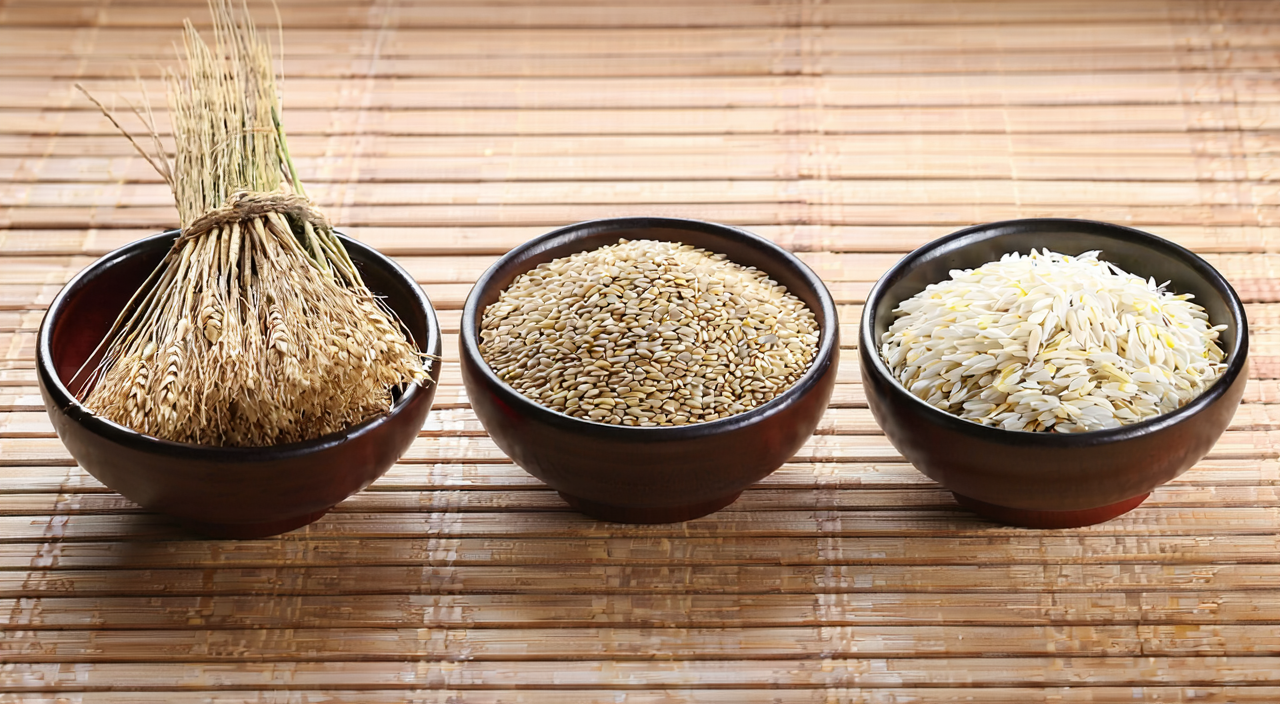
These are a group of herbs that many overseas users easily confuse. Glutinous rice root, light wheat, and rice sprout are all connected to grass-family grains, but their origins and parts are completely different.
Light wheat (fu xiao mai) is the shriveled, lightweight fruit of wheat; the unripe caryopsis is used medicinally, often to secure the exterior, stop sweating, and clear heat. Glutinous rice root is the root and rhizome of glutinous rice, leaning more toward nourishing yin, benefiting the stomach, and stopping sweating. Rice sprout (dao ya) is a processed product made by allowing rice grains (including glutinous or non-glutinous rice) to sprout and then drying them; it is mostly used to digest food, harmonize the middle, and invigorate the spleen and increase appetite. In brief: one is a root, one is a shriveled fruit, and one is a sprouted caryopsis. In traditional sweat-stopping formulas, glutinous rice root and light wheat often appear together, but their emphases differ—light wheat acts more on the exterior and is more prominent in clearing deficiency heat, whereas glutinous rice root leans toward internal yin nourishment and also benefits the middle burner, so they cannot be casually substituted. Understanding the differences among the three helps avoid directional mistakes when choosing.
Which formulas include glutinous rice root?
Glutinous rice root does not appear with high frequency in classical texts, but in some modern and contemporary formularies, formulas centered around it can be found. A well-known example is “Glutinous Rice Root Decoction” (Nuo Dao Gen Tang), which often uses glutinous rice root as the sovereign herb, combined with light wheat, ephedra root, white peony, etc. The traditional approach is for yin deficiency with internal heat and relatively profuse sweating. Similar formulas include those categorized as “Sweat-Stopping Decoctions” (Zhi Han Tang); their names may not be uniform, but the core thinking revolves around nourishing yin, clearing heat, and astringing sweat. In addition, there are regulating formulas aimed at deficiency sweating, such as qi-supplementing and yin-nourishing formulas, which include glutinous rice root to strengthen the securing and holding action.
Some modern Chinese patent medicines or compound granules also include glutinous rice root as part of the direction for regulating deficiency sweating. For instance, certain oral liquids targeting post-illness weakness and profuse night sweating contain glutinous rice root in their composition. It is important to note that the selection of formulas strongly emphasizes pattern differentiation. The same sweating presentation could belong to qi deficiency, yin deficiency, or damp-heat patterns, and the applicable formulas vary. Whether a specific formula is appropriate should be judged by combining individual constitution, symptom presentation, and specific product instructions, and consulting an experienced professional when necessary.
What precautions should be taken when using glutinous rice root?
Although glutinous rice root is considered a relatively mild herb, there are still details that must not be overlooked when using it. First, because it is a plant root, it can easily absorb pesticides and heavy metals from the soil, so its source and processing must be reliable. It is advisable to choose products from reputable channels and regions with quality testing, avoiding herbs of unknown origin or with abnormal color and odor. For storage, protect it from moisture and mold; if mold or insect infestation occurs, discontinue use immediately.
Second, glutinous rice root traditionally is mainly suited for deficiency sweating and is not suitable for profuse night sweats and persistent tidal fever caused by infections, hyperthyroidism, tuberculosis, lymphoma, or other serious diseases. If sweating is accompanied by unexplained weight loss, fever, chest tightness, palpitations, or persistent fatigue, you should seek medical attention as a priority for thorough investigation. Additionally, pregnant women, breastfeeding women, and those prone to allergies to grass-family plants should exercise extra caution before use and may first consult a professional opinion.
Summary
As a traditional herb with a clear origin and relatively specialized use, the core value of glutinous rice root lies in its yin-nourishing and sweat-stopping direction. When identifying it, focus on the clustered fine roots and short rhizome, and distinguish it from light wheat and rice sprout. Traditional sweat-stopping formulas like Glutinous Rice Root Decoction and Sweat-Stopping Decoction can provide conceptual understanding, but actual application must be based on individual conditions; do not blindly copy them. This article is for informational reference only and cannot replace professional diagnosis or treatment advice. If you have persistent night sweats or other symptoms, please consult a doctor promptly.