
What Is Lu Xian Cao? Medicinal Parts, Identification, and Common Formulas
What is Lu Xian Cao? This is a common question among readers who are encountering Chinese medicinal herbs or wild plants for the first time. Its name is easily confused with Lu Ti Cao, and plant names and medicinal herb names may vary across regions and reference materials. Lu Xian Cao generally refers to the dried whole herb of plants in the Pyrolaceae family, particularly Pyrola calliantha or common wintergreen. Lu Ti Cao may be used as a plant name, and it is also often regarded as an alternative or source name for Lu Xian Cao. The following sections review its appearance, medicinal parts, traditional applications, and precautions to help readers develop a basic understanding.
What Does Lu Xian Cao Look Like? How Can It Be Identified?
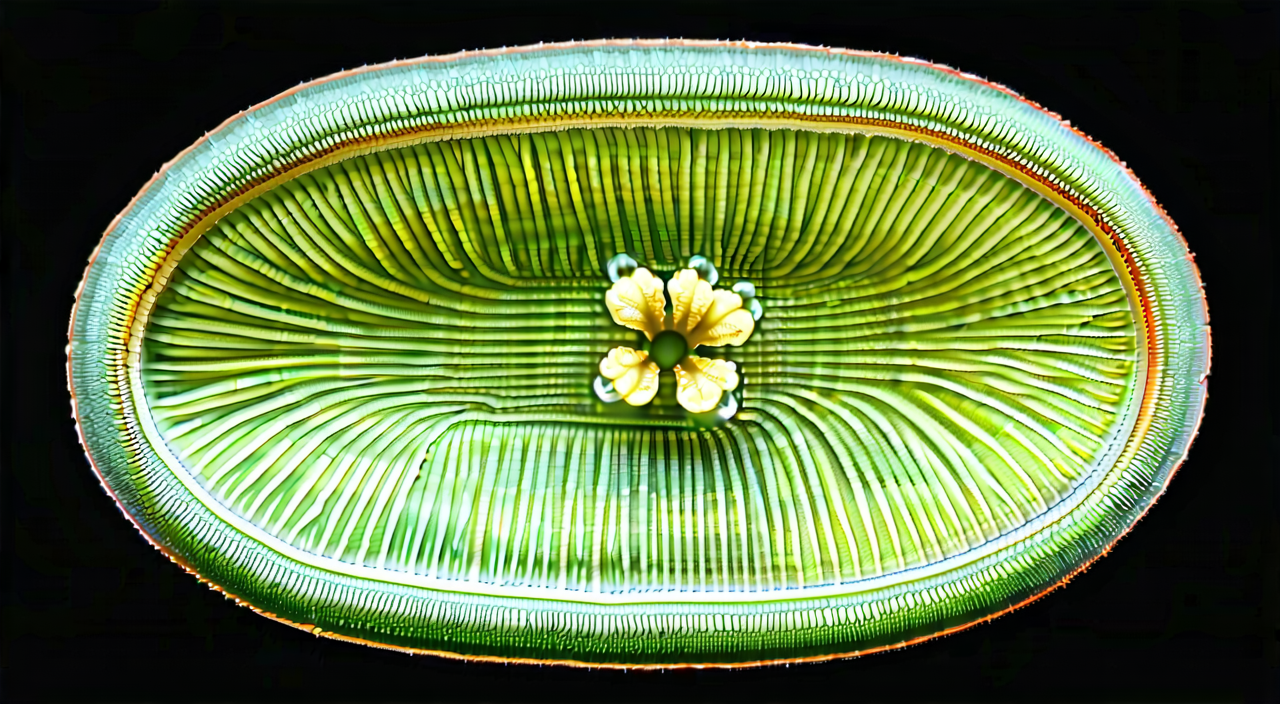
Lu Xian Cao is generally a perennial herb commonly found beneath forests, in damp mountainous areas, or in environments rich in humus. Its most distinctive feature is the basal leaves that grow close to the ground. The leaves are usually ovate, obovate, or nearly round. They are relatively thick, have a somewhat leathery texture, and are generally smooth, with clearly visible veins. The petioles emerge near the root, and the leaves cluster in a rosette-like arrangement.
During the flowering period, the plant sends slender flower stalks up from the leaf cluster. The flower stalks are relatively delicate and usually extend above the leaves. A racemose inflorescence forms at the tip, with flowers distributed along the inflorescence axis. Flower color may vary by species and growth stage. Common colors include white, pale pink, and small flowers with reddish tones. The flowers do not necessarily open at the same time, so buds, open flowers, and young fruits may appear together on the same inflorescence.
Which Features Should Be Observed?
When identifying Lu Xian Cao, it is best to consider the leaves, flower stalk, and habitat together rather than relying only on flower color. First, check whether the leaves are basal, whether they are relatively thick, and whether the veins are distinct. Second, look for a slender flower stalk extending from the center of the leaf cluster and a racemose inflorescence at its tip. Third, consider the plant’s overall size, leaf margin, flower structure, and collection location. The leaves of dried herbs may be curled or folded, and their color may become darker, so a single leaf or photograph is often insufficient for accurate identification.
Particular care is needed when collecting plants in the wild, as many ground-cover plants have similar appearances. General readers should not dig up and use plants based solely on online photographs. If confirmation of the species is needed, consult botanical classification references, experienced herbal identification specialists, and the applicable local pharmacopoeia or industry standards.
What Is the Medicinal Part of Lu Xian Cao?
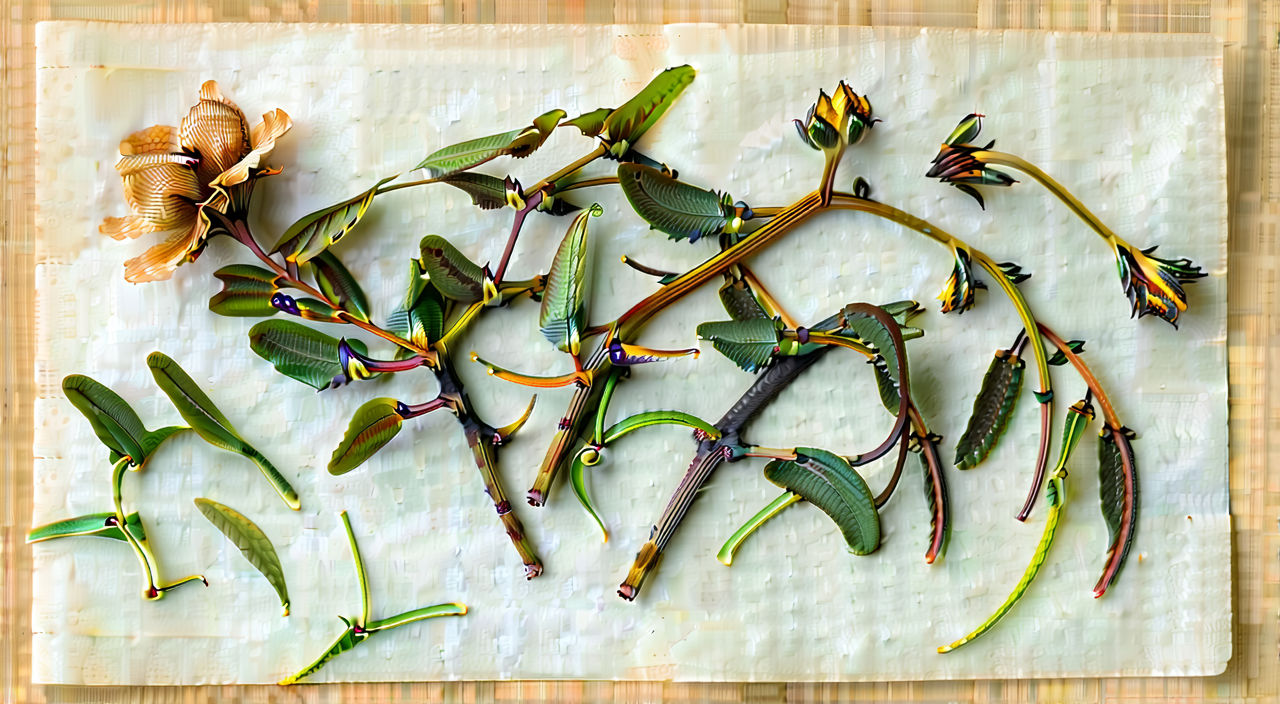
The medicinal part of Lu Xian Cao is usually the whole herb. This means the above-ground portions and tissues associated with the roots are collected together, then sorted, cleaned, and dried to produce the medicinal material. Unlike herbs that use only the leaves, flowers, or roots, traditional use of Lu Xian Cao emphasizes using the whole plant. As a result, the leaves, flower stalks, and other above-ground parts may all remain in the prepared herb.
The harvesting period may vary according to the plant species, growing region, and local medicinal herb standards. In general, the herb is collected when the plant is growing vigorously, partially flowering, or otherwise suitable for processing. After soil and obvious impurities are removed, it is shade-dried, sun-dried, or dried using another standardized method. Dried material commonly has wrinkled leaves that change from green to yellow-green, brown-green, or dark brown. Its texture becomes brittle, while its smell and taste may also change with storage time.
It is important to note that the medicinal part of Lu Xian Cao is the whole herb collected and processed according to established standards. This does not mean that every plant resembling it can be used. The botanical source, harvesting specifications, and commercial names may differ by region, so actual identification should be based on reputable sources, package labeling, and local standards.
How Is Lu Xian Cao Understood in Traditional Chinese Medicine?
In traditional Chinese medicine theory, Lu Xian Cao is commonly understood in terms of dispelling wind-dampness, strengthening the sinews and bones, and stopping bleeding. The idea of dispelling wind-dampness is mainly associated with traditional descriptions of limb and joint discomfort related to wind-dampness, soreness and weakness in the lower back and knees, or impaired movement of the sinews and bones. Strengthening the sinews and bones generally refers to its traditional use in supporting the sinews, bones, lower back, knees, and physical vitality. Stopping bleeding represents another traditional herbal application, although its specific suitability must be considered in light of the bleeding pattern and the individual’s circumstances.
These descriptions summarize traditional properties and usage experience. They are not equivalent to a modern medical diagnosis or treatment. When using medicinal herbs, TCM practitioners generally also consider cold and heat patterns, deficiency and excess, qi and blood, the tongue and pulse, and the duration of symptoms. The role of the same herb may also differ depending on the combination of herbs, dosage, processing method, and population using it.
If persistent or recurring lower back or knee pain, joint swelling, restricted movement, or unexplained bleeding occurs, do not rely solely on the herb’s name for self-assessment. The cause of the symptoms should first be clarified, after which a doctor or qualified TCM practitioner can assess whether this type of traditional approach is appropriate.
What Areas Can Modern Research Explore?
Modern research generally examines the chemical constituents of plants in the Pyrola genus, antioxidant-related activity, indicators associated with inflammatory responses, and experimental observations related to hemostasis. Such studies can help clarify the compounds present in these plants and their possible biological effects. However, differences remain between laboratory research, animal studies, and actual human use, so definite health conclusions cannot be drawn from a single study.
Different species, growing regions, harvesting periods, and extraction methods may affect the composition of research samples. For dried herbs sold under the names Lu Xian Cao or Lu Ti Cao, the botanical source and quality should also be confirmed before discussing traditional use or research findings. Modern research is therefore best viewed as supplementary information for understanding the herb and should not replace herb identification, individual assessment, or professional advice.
What Are the Differences Between Lu Xian Cao, Zi Hua Di Ding, and Shi Nan Ye?
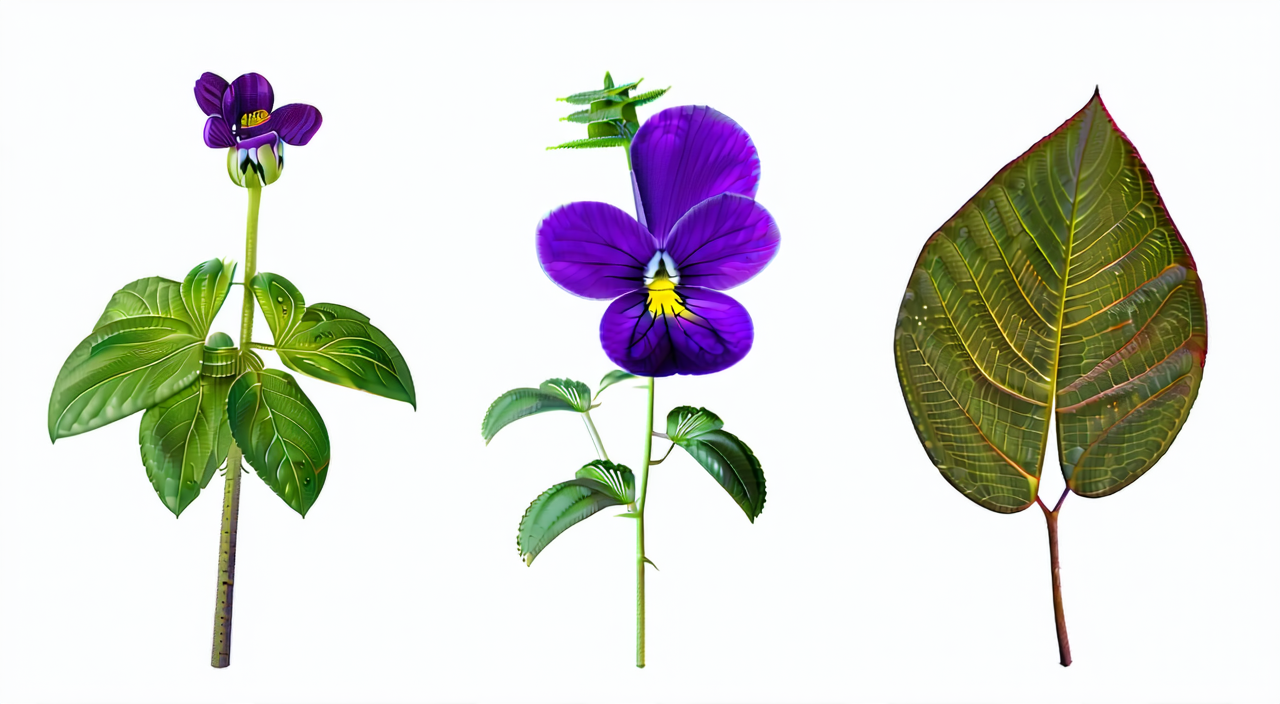
Lu Xian Cao, Zi Hua Di Ding, and Shi Nan Ye may be confused by beginners in some medicinal herb markets or wild environments. However, they are not the same plant, and their traditional applications and medicinal parts also differ.
Lu Xian Cao is characterized by relatively thick basal leaves, which are often ovate or obovate, with fairly distinct veins. Its flower stalks emerge from the leaf cluster and form racemose inflorescences at the tips. It is commonly found beneath forests or in damp mountainous environments. Zi Hua Di Ding is usually recognized by its prominent purple flowers. Its leaves generally grow in a basal cluster, and its overall form and flower structure differ from those of Lu Xian Cao. Its traditional medicinal parts and application principles are also different. Shi Nan Ye, in contrast, consists of leaves from a woody plant. The leaves usually grow from branches, have a distinctly leathery texture, are relatively long, and often have finely serrated margins. The plant generally has the form of a shrub or small tree, rather than the ground-level leaf cluster and slender flower stalk that characterize Lu Xian Cao.
For identification, compare several features together, including leaf texture, whether the leaves are basal, whether the plant has become woody, the form of the flower stalk, and the habitat. When the appearance changes substantially after drying, professional identification is even more important. Do not purchase or substitute herbs based solely on color or name.
Which Formulas Contain Lu Xian Cao?
Traditional formula references and local practices include names such as Lu Xian Cao Decoction and Lu Xian Cao Powder. The ingredients, dosages, preparation methods, and indications of these formulas may differ according to the source text, regional tradition, or product standards. Their specific use cannot be inferred from the formula name alone. In general, formulas containing Lu Xian Cao are often combined according to traditional principles involving the dispelling of wind-dampness, strengthening of the sinews and bones, or stopping of bleeding. Other herbs may be added or removed according to symptoms and constitution.
Lu Xian Cao Decoction can generally be understood as the name of a decoction containing Lu Xian Cao, while Lu Xian Cao Powder is one expression for a powder preparation. When reviewing related information, confirm the source, complete ingredients, processing requirements, and intended users. The term “sinew- and bone-strengthening and bleeding-stopping formulas” is only a summary of a traditional combination approach and does not represent a fixed or standardized category of prescriptions.
A formula is not simply the sum of individual herbs. Whether it is suitable for a particular person depends on the nature and duration of the symptoms, constitution, previous medications, pregnancy status, and relevant examination results. For long-term or recurring joint discomfort, abnormal bleeding, or similar concerns, consult a doctor or qualified professional before considering whether a traditional formula is appropriate.
What Precautions Should Be Taken When Using Lu Xian Cao?
First, people who are pregnant, trying to conceive, or breastfeeding should be especially cautious before use. Information and product specifications related to Lu Xian Cao may not be completely consistent, so its classification as a traditional herb does not mean that it is automatically suitable for self-use. Children, older adults, and people with chronic diseases, abnormal liver or kidney function, or multiple medications should also seek professional advice first.
Second, if there is unexplained bleeding, increased bleeding, recurrent nosebleeds, blood in the stool, black stools, unusually heavy menstruation, or bleeding accompanied by dizziness or weakness, the cause should be investigated as a priority. Do not self-medicate with an herb traditionally associated with stopping bleeding in place of appropriate examination. If significant pain, chest tightness, palpitations, breathing abnormalities, persistent vomiting, weight loss, or marked low mood or anxiety also occurs, consult a doctor promptly.
Third, mistaken identification during wild collection is a common risk. Lu Ti Cao, Zi Hua Di Ding, Shi Nan Ye, and other understory plants may look similar during the seedling stage or after drying. Plants collected from polluted environments may also contain heavy metals, pesticides, or mold contamination. Choose medicinal materials with a clear source, complete labeling, and standardized processing, and determine how they should be used according to the product instructions and professional advice.
Finally, the botanical source, alternative names, harvesting practices, and quality requirements for Lu Xian Cao may differ across regions. Before purchasing or using it, verify the herb name, Latin botanical source, medicinal part, and applicable standard. This article is for educational reference only and cannot replace professional diagnosis or treatment advice.
Summary
Lu Xian Cao generally refers to the dried whole herb derived from Pyrola calliantha or common wintergreen. When identifying it, pay particular attention to its basal leathery leaves, distinct veins, slender flower stalks, and racemose inflorescences. In traditional Chinese medicine, it is commonly understood in terms of dispelling wind-dampness, strengthening the sinews and bones, and stopping bleeding. Formula names and medicinal herb standards may vary by region. People who are pregnant, experiencing unexplained bleeding, or dealing with severe or recurring symptoms should consult a doctor or qualified professional first.