
What Is Ye Ming Sha? Its Medicinal Source, Identification, and Traditional Formulas
What is Ye Ming Sha? When encountering this name for the first time, many people notice that it differs from common plant-based medicinal materials: in traditional usage, Ye Ming Sha comes from dried bat droppings. Because wild-collected material may contain fungi, bacteria, parasites, or other contaminants, people should not enter bat caves to collect it for identification or experimentation. It is also not advisable to smell the powder or take it internally.
Ye Ming Sha was associated with approaches such as improving eyesight and dispersing blood stasis in ancient herbal texts and traditional formulas, but historical records are not equivalent to modern medical conclusions. Understanding it is more important for learning about its source, appearance, and hygiene risks than for seeking out or using samples that have not been properly processed.
What Does Ye Ming Sha Look Like? How Is It Identified?
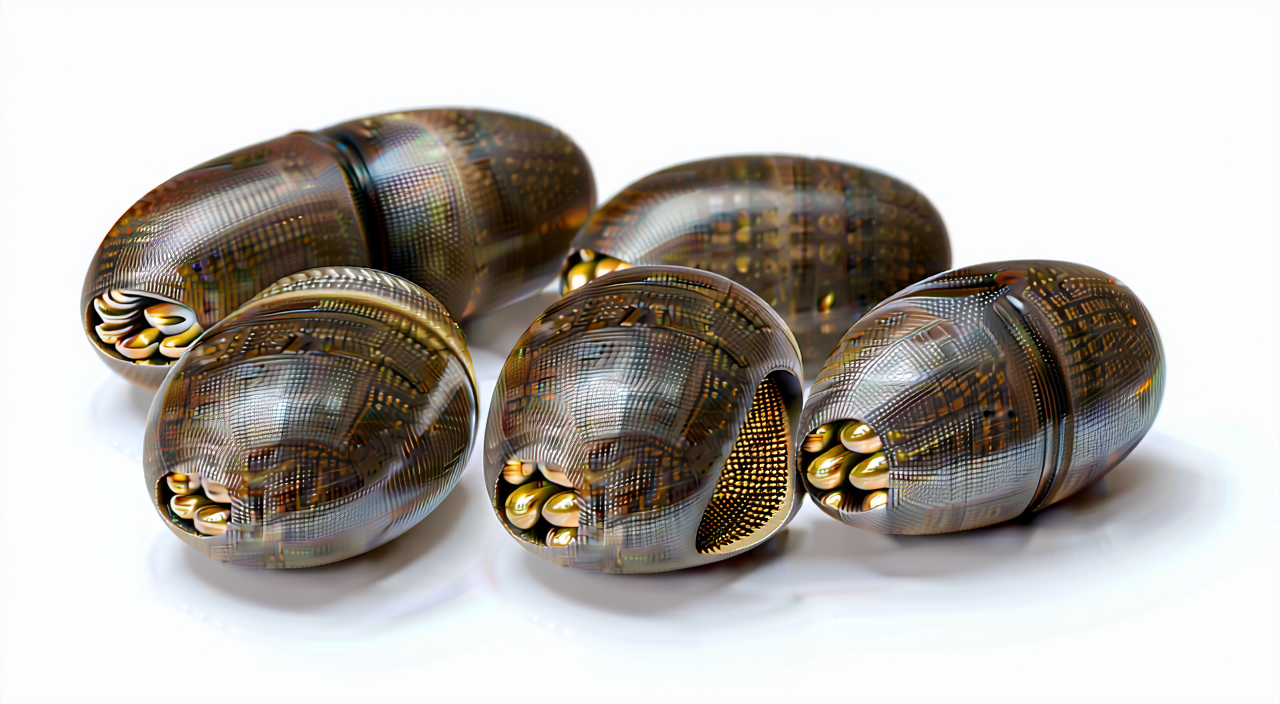
In traditional descriptions of the medicinal material, Ye Ming Sha usually appears as small, elongated oval or slightly spindle-shaped granules, with sizes that are not completely uniform. The surface is generally rough, and the color may range from blackish brown and grayish black to dark brown. Once dried, it is relatively brittle. At the broken surfaces or fragments of some granules, undigested remnants such as insect wings or pieces of exoskeleton may be visible, reflecting the bat’s diet.
However, these are only traditional descriptions of its appearance and cannot reliably confirm the source of a sample for the general public. Rodent droppings, bird feces, clumps of soil, and other organic residues in the environment may have similar colors or shapes. Elongated oval granules, a blackish-brown appearance, or internal fragments alone cannot establish whether a sample is a properly prepared medicinal material, let alone whether it is suitable for use.
In medicinal-material identification, professionals generally also consider source records, physical characteristics, cleaning and processing procedures, and testing by specialized institutions. For users overseas, wild-collected samples often lack information about their origin, storage, and handling, making self-identification based solely on online images especially inappropriate.
What Is Its Traditional Medicinal Source?
The traditional medicinal source of Ye Ming Sha is dried bat feces, which may also be recorded under related alternative names in classical texts. The medicinal part referred to here is not the bat’s bones, fur, or other tissues, but its excrement after collection, drying, and further processing.
In the context of traditional Chinese medicine processing, cleaning or purification generally refers to removing visible impurities, screening out foreign matter, and eliminating parts that do not meet requirements so that the material reaches a relatively standardized state for use. This does not mean that washing or sun-drying it at home can eliminate all risks, nor can it replace testing for microbial, parasitic, or chemical contamination. For fecal samples of unknown origin collected in the wild, household processing is particularly unlikely to ensure hygienic conditions.
Collecting bat feces may also disturb wildlife habitats and increase opportunities for contact between people and animal excrement. Therefore, the medicinal source of Ye Ming Sha may be studied as part of traditional herbal knowledge, but this should not lead to self-collection or home preparation.
How Did Traditional Chinese Medicine Historically Understand Ye Ming Sha?
In traditional Chinese medicine theory, Ye Ming Sha was mainly discussed in relation to the Liver meridian, improving eyesight, and blood stasis. Ancient medical texts and herbal records often associated it with traditional approaches such as clearing the Liver and improving vision, or dispersing blood stasis and resolving accumulations. It appeared particularly in historical descriptions of certain eye discomfort, blurred vision, or patterns associated with blood stasis. These accounts reflect the disease concepts, medication experience, and formula structures of their time and cannot be directly equated with modern ophthalmological diagnoses or evidence of efficacy.
From the perspective of traditional formulation, Ye Ming Sha was generally not considered as a material to be used independently of pattern identification. The ingredients, dosages, processing requirements, and intended users of different formulas may vary, and physicians in different historical periods did not always understand these patterns in the same way. Even if certain formulas were historically used for purposes related to improving eyesight, this does not justify applying them without professional guidance.
If you experience reduced vision, distorted vision, a marked increase in floaters or dark spots, eye pain, light sensitivity, or sudden difficulty seeing, you should prioritize an ophthalmological examination. Eye symptoms may involve refractive problems, changes in the fundus, inflammation, or other conditions requiring professional assessment. The name of a traditional medicinal material should not be used as a substitute for medical evaluation.
What Does Modern Research Focus On?
Modern safety discussions surrounding Ye Ming Sha often focus not only on traditional uses but also on source control and public health. Bat feces are animal excrement. When collected in damp caves, outdoor environments, or poorly ventilated spaces, they may contain fungi, bacteria, parasites, insect fragments, soil, and excrement from other animals. The degree of contamination may be affected by the location, season, storage method, and handling conditions.
Dried granules may produce dust when broken, screened, or ground. Dust entering the respiratory tract, eyes, or damaged skin may cause irritation and may also increase exposure to environmental contaminants. Wearing an ordinary mask, leaving the material in the sun at home, or simply rinsing it with water cannot demonstrate that it has reached a safe standard for use.
From a modern perspective, greater attention should therefore be paid to standardized sourcing, professional cleaning and processing, testing records, storage conditions, and contact protection. For consumers, the safest approach is not to seek wild samples, but to avoid collecting, processing, or ingesting them independently. If you develop persistent coughing, fever, shortness of breath, eye discomfort, or other unusual symptoms after exposure to related dust, consult a doctor promptly and disclose the exposure history.
How Does Ye Ming Sha Differ from Can Sha and Wu Ling Zhi?
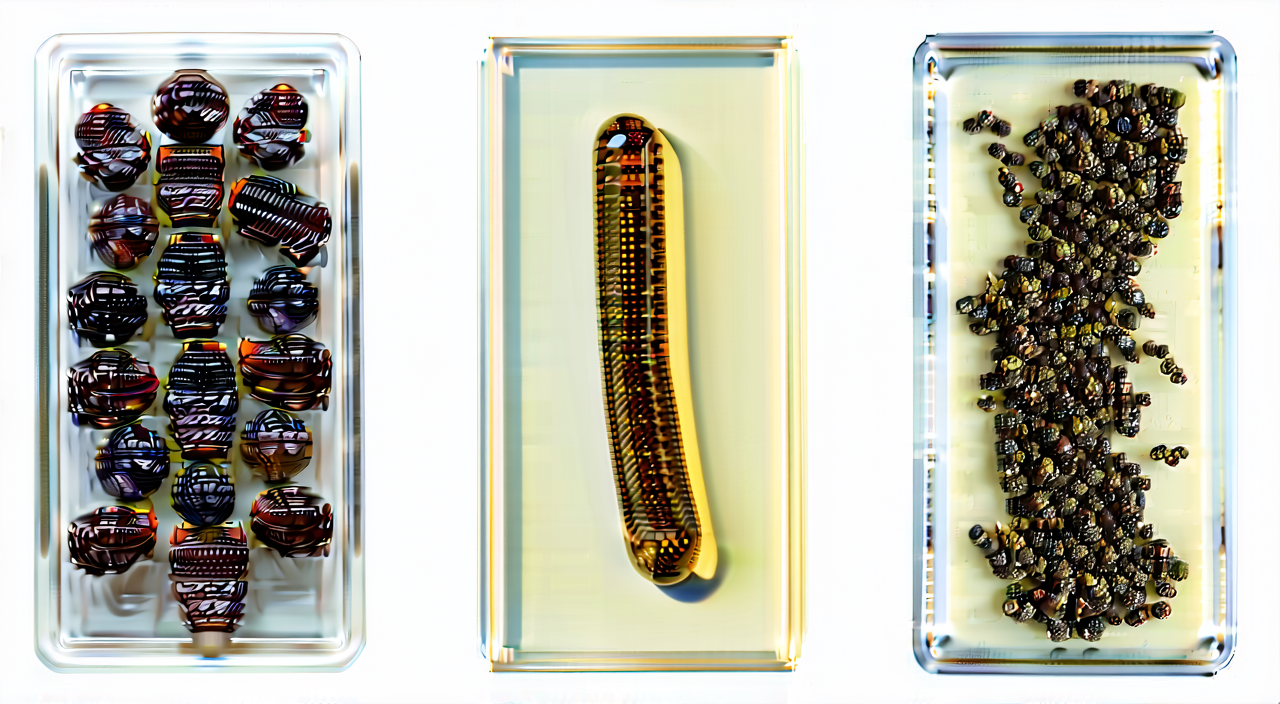
Ye Ming Sha, Can Sha, and Wu Ling Zhi may all bring to mind traditional medicinal materials of animal origin, but they are not the same material. Their sources and traditional applications also differ.
| Name | Traditional source | Appearance or source characteristics | Common traditional uses |
|---|---|---|---|
| Ye Ming Sha | Dried bat feces | Usually blackish-brown elongated oval granules; insect fragments may be visible | Historical uses related to improving eyesight and dispersing blood stasis |
| Can Sha | Dried feces of silkworms | Usually smaller cylindrical or granular pieces, often dark brown | Historical uses related to eliminating dampness, harmonizing the Stomach, and promoting blood circulation |
| Wu Ling Zhi | Dried feces of flying squirrels and similar animals | Appearance may vary depending on processing; commonly found as granules or clumps | Historical uses related to promoting blood circulation, dispersing blood stasis, and relieving pain |
The table can only help explain the general differences in traditional sources and cannot replace professional identification. Different origins, processing methods, and storage conditions can affect color, shape, and odor. In addition, all materials derived from animal excrement may involve impurities and microbial contamination. Do not mistake one material for another simply because they look similar.
Which Traditional Formulas Use Ye Ming Sha?
Historical formulas include names such as Ye Ming Sha San, and some traditional formulas for improving eyesight also used Ye Ming Sha as a component. For example, records of Ye Ming Sha San may differ in composition and usage across different medical texts, editions, and lineages. Its exact formula cannot be inferred from the name alone, and the name of an ancient formula should never be treated directly as an individual’s medication plan.
Traditional formulas for improving eyesight often contain multiple medicinal ingredients and generally require an assessment based on symptoms, constitution, disease duration, and accompanying signs. Modern products using similar names may also differ in formula, dosage form, dosage, and quality standards. Whether a product is appropriate should be determined by considering its instructions, the individual’s circumstances, and professional advice.
If your concern is eye strain, blurred vision, or changes in night vision, you should first investigate issues such as excessive screen or near-work use, refractive errors, dry eye, and retinal or other fundus problems. Traditional formulas can at most be studied as examples of historical therapeutic approaches. They should not replace an ophthalmological examination, and preparing formulas independently from loose medicinal materials is not recommended.
What Precautions Should Be Taken?
The first precaution when it comes to Ye Ming Sha is to avoid contact with samples of unknown origin. Do not enter bat caves, abandoned buildings, or other habitats to collect feces, and do not bring particles found in the wild home for observation, grinding, decocting, or soaking in water. Smelling the dust, touching it with bare hands, or photographing it at close range may all increase the opportunity for exposure.
Second, do not take it internally without professional guidance. Even if the material looks similar to traditional descriptions, it is impossible to confirm its species origin, contamination status, processing condition, or storage conditions. Pregnant people, children, older adults, people with weakened immune systems, and those with chronic diseases or taking medications should be especially careful not to try medicinal materials derived from animal excrement on their own.
If you have already come into contact with a sample, avoid beating or blowing it in ways that could disperse dust. Clean contaminated clothing and contact surfaces. If you develop breathing difficulties, persistent coughing, fever, red or painful eyes, or a skin reaction, consult a doctor. Serious, prolonged, or recurring vision problems, especially when accompanied by marked headache, eye pain, or neurological symptoms, require prompt professional assessment.
Summary
What is Ye Ming Sha? In terms of its traditional herbal source, it refers to dried bat feces. It is commonly described as blackish-brown elongated oval granules that may contain insect fragments, and it was historically used in formulas related to improving eyesight and dispersing blood stasis. However, appearance cannot prove a material’s identity or quality. Animal excrement may also involve pathogens, impurities, and inhalation risks from dust. Therefore, people should not enter caves to collect it, smell the powder, or take it internally without professional guidance. Anyone experiencing reduced vision or persistent eye symptoms should receive an ophthalmological examination first. This article is for educational reference only and cannot replace professional diagnosis or treatment advice.