
What Is Zhi Ju Zi? Medicinal Parts, Identification, and Common Formulas
Many people first encounter the name “Zhi Ju Zi” when learning about traditional Chinese medicinal herbs associated with relieving alcohol-related discomfort, thirst, or urinary difficulties. Because its name resembles those of Zhi Shi and Zhi Ke, people unfamiliar with Chinese herbal medicine may easily confuse these herbs. Zhi Ju Zi comes from the mature seeds or fruit-related medicinal parts of Hovenia and similar plants. It is not the same herb as Zhi Shi or Zhi Ke, which come from plants in the citrus family. The following sections explain its appearance, medicinal source, traditional understanding, and precautions for use.
What Does Zhi Ju Zi Look Like? How Is It Identified?
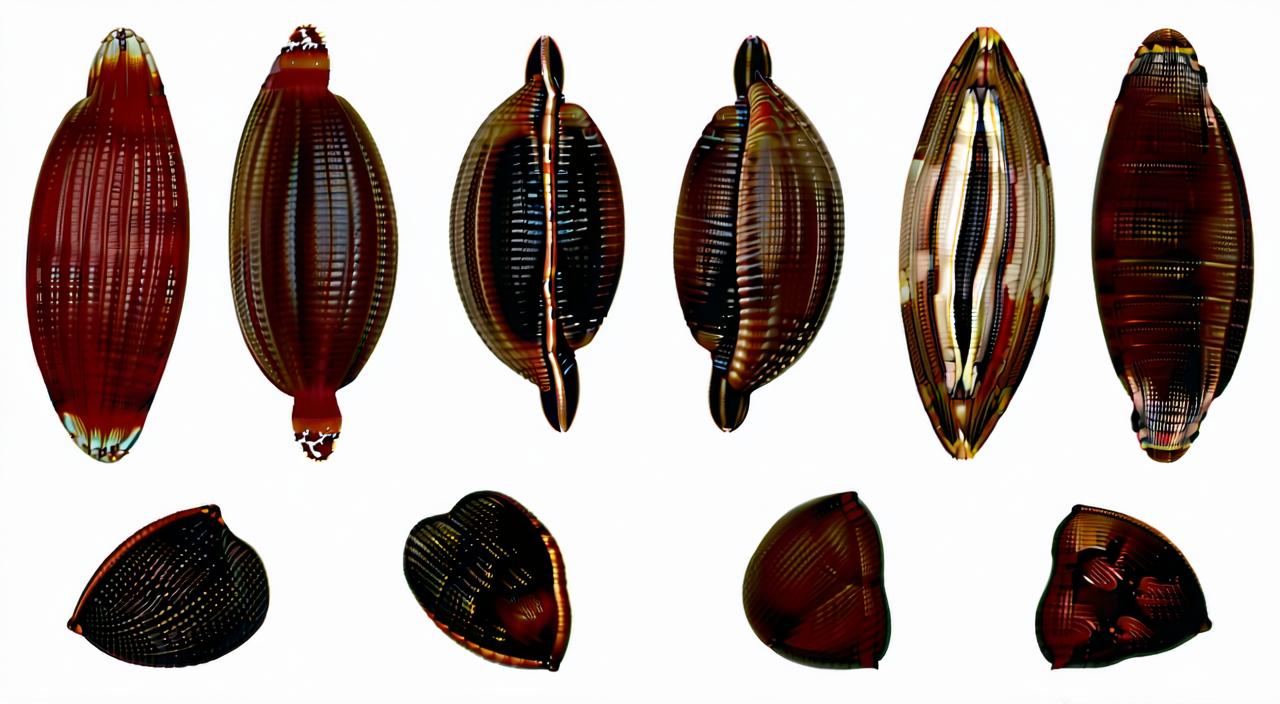
Zhi Ju Zi usually refers to the seeds inside the mature fruits of Hovenia plants. In commercial form, it commonly appears as small, nearly round, flattened, or slightly irregular particles. The surface may range from reddish brown and brownish black to dark brown. Color can vary according to maturity, degree of drying, and processing method. The texture is generally relatively hard, and the surface may have a slight sheen. Some samples may show the hilum or a small mark left by the hilum.
When identifying Zhi Ju Zi, do not rely only on its name or a single color. Its botanical source, fruit structure, odor, size, and commercial standards should also be considered. The fruit clusters of Hovenia have notably enlarged, fleshy fruit stalks. After ripening, these often become curved, branched, or thickened, which is a relatively distinctive feature for plant identification. It is important to note that the market may also contain products made from fruit clusters, fruit stalks, or related parts that still contain seeds. Their appearance may not always resemble complete, uniform seeds.
If a specific sample needs to be confirmed, check the product packaging for the herb name, Latin botanical source, place of origin, batch number, and applicable standard. Reliable identification usually cannot be completed solely through online images or visual inspection, especially for loose herbs or samples that have been cut, processed, or dried.
What Are the Medicinal Parts of Zhi Ju Zi?
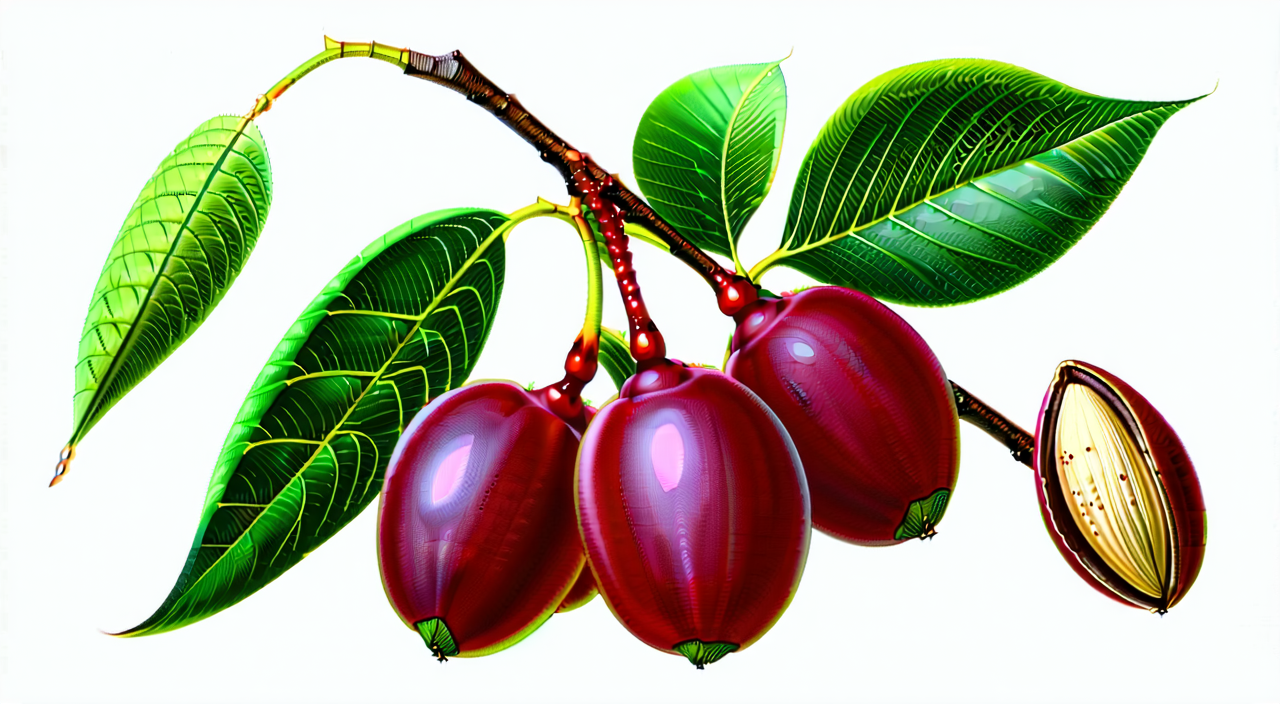
In traditional herbal terminology, the core medicinal part of Zhi Ju Zi is generally the mature seed of Hovenia and similar plants. The seeds are harvested after the fruit matures and are then cleaned and dried before use. The specific scope of what is included under “Zhi Ju Zi” may vary among regions, pharmacopoeias, and commercial standards. Some references also include fruit, fruit clusters, or enlarged, fleshy fruit stalks containing seeds.
Therefore, when you see the term “Zhi Ju Zi,” first confirm whether it refers to a seed product or to related medicinal parts that include the fruit cluster or fruit stalk. Different parts may not have exactly the same appearance, odor, characteristics, or traditional uses. Similar names alone do not mean that they can be substituted for one another.
When purchasing products or reading Chinese product information overseas, pay particular attention to the English terms used in the product description, such as “seed,” “fruit,” or “fruit stalk,” as well as the ingredients listed in compound formulas. Some product translations may be broad or imprecise, so it is best to verify them against the Chinese label, botanical source, and local regulations.
How Does Traditional Chinese Medicine Understand Zhi Ju Zi?
Traditional Chinese medicine commonly understands Zhi Ju Zi in terms of promoting fluid production and relieving thirst, easing irritability, addressing the traditional concept of alcohol toxicity, and promoting urination and bowel movements. The phrase “addressing alcohol toxicity” belongs to traditional theory and clinical usage descriptions. It explains the approach recorded in classical texts and does not mean sobering up in the modern medical sense or indicate that it can counteract the effects of alcohol on the body.
In traditional formulas, Zhi Ju Zi may be combined with herbs such as Ge Hua, Sha Ren, Bai Dou Kou, and Mu Xiang. These combinations are traditionally used in approaches addressing thirst, heat and discomfort, stomach discomfort, or difficulty urinating after alcohol consumption. Traditional Chinese medicine pattern identification may also consider the amount and timing of alcohol consumption, the condition of the digestive system, constitution, and accompanying symptoms. A single symptom should not be used as the sole basis for self-prescribing an herb.
“Promoting urination and bowel movements” is a traditional functional description involving the passage of urine and stool. It is not a diagnosis of a urinary or digestive disease. If persistent vomiting, severe abdominal pain, altered consciousness, abnormal breathing, or significant dehydration occurs, seek medical assistance promptly rather than relying on herbs or formulas for self-treatment.
What Does Modern Research Say About Zhi Ju Zi?
Modern research may examine flavonoids, polysaccharides, saponins, and other constituents found in Zhi Ju Zi and related parts. Researchers may use in vitro experiments, animal studies, or constituent analyses to investigate potential effects. These findings can help clarify the herb’s chemical composition and research directions, but experimental conditions, extract concentrations, and methods of use are not the same as taking the herb in everyday practice.
Assessing the actual effects of Zhi Ju Zi requires distinguishing experimental research from human evidence. Without well-designed human studies with adequate sample sizes, experimental results should not be directly promoted as evidence that the herb protects the liver, relieves intoxication, or prevents a particular disease. Especially after drinking alcohol, alcohol metabolism still depends mainly on the body’s own physiological processes. Zhi Ju Zi cannot replace reducing alcohol consumption, drinking an appropriate amount of water, resting, or obtaining medical evaluation when necessary.
For this reason, teas, health foods, or compound products containing Zhi Ju Zi should not be casually promoted as liver-protective or alcohol-relief products. Whether they are suitable depends on the product instructions, actual dosage, individual health status, and advice from a qualified professional.
What Is the Difference Between Zhi Ju Zi, Zhi Shi, and Ge Hua?
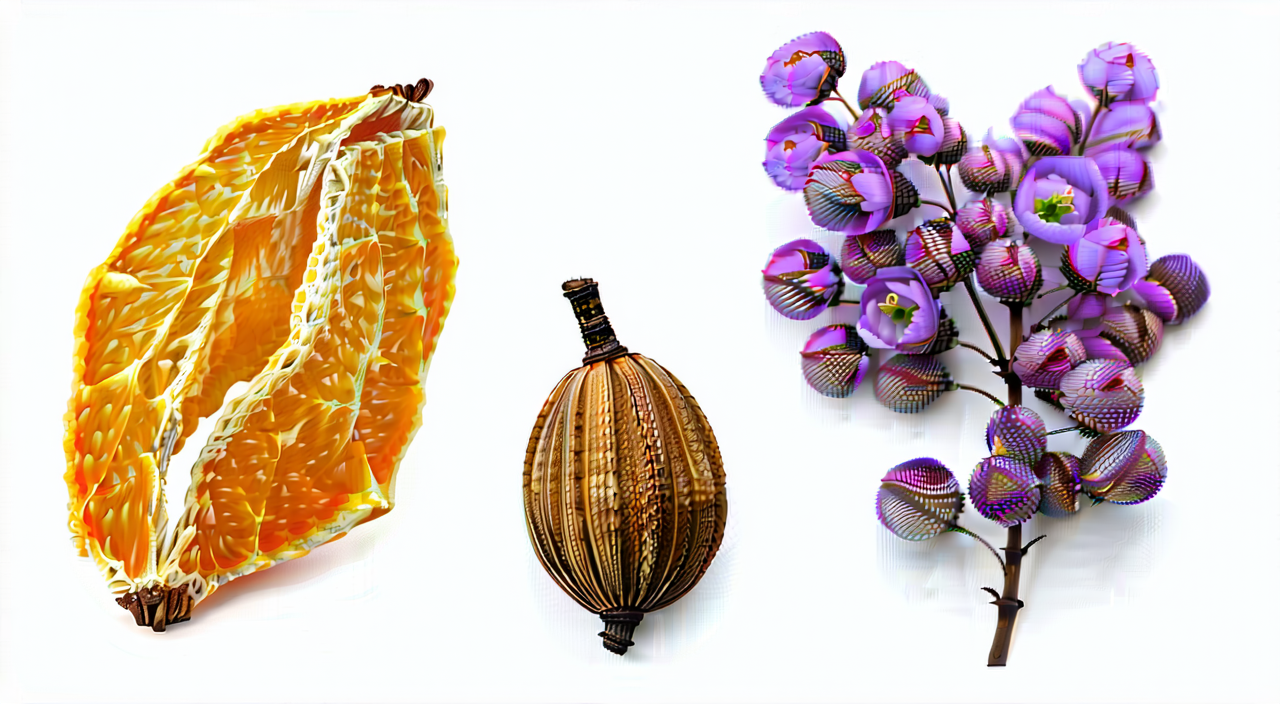
Although Zhi Ju Zi, Zhi Shi, and Ge Hua are all commonly mentioned in traditional formulas or materials concerning alcohol-related discomfort, they come from different plant parts and botanical sources.
| Name | Main source or medicinal part | Appearance and traditional use |
|---|---|---|
| Zhi Ju Zi | The mature seeds of Hovenia and similar plants, along with fruit- or fruit-cluster-related parts included in some standards | Usually small seeds ranging from reddish brown to dark brown; traditionally understood in terms of relieving thirst and irritability, addressing alcohol toxicity, and promoting urination and bowel movements |
| Zhi Shi | The immature fruits of sour orange and its cultivated varieties, which belong to the citrus family | Usually nearly spherical or hemispherical immature fruits; traditionally used in approaches involving regulating qi, reducing food accumulation, and relieving focal distention |
| Ge Hua | The flowers of kudzu, a legume | A flower-based medicinal herb traditionally included in formulas addressing patterns associated with alcohol and dampness |
The fact that all three names contain the character “Zhi” does not mean they are interchangeable. Zhi Shi is an immature fruit, Zhi Ju Zi mainly refers to mature seeds or related fruit parts, and Ge Hua is a flower. Their botanical sources, medicinal parts, and traditional functions differ, so each ingredient should be checked individually in a prescription or product ingredient list.
Which Traditional Formulas Contain Zhi Ju Zi?
Ge Hua Jie Cheng Tang
Ge Hua Jie Cheng Tang is a traditional formula frequently mentioned in connection with alcohol- and dampness-related patterns. Its formulation approach generally centers on Ge Hua, Zhi Ju Zi, and herbs used to regulate qi, transform dampness, and harmonize the stomach. The ingredients and proportions may vary among medical texts, schools of practice, and manufactured versions. The same name does not mean that every product has exactly the same formula. It should be viewed only as an example for understanding traditional formula theory and should not be used independently to manage alcohol poisoning or severe reactions after drinking.
Zhi Ju Zi Wan
Zhi Ju Zi Wan is a category of traditional pills identified primarily by the inclusion of Zhi Ju Zi in the formula name. Historical records and modern products may differ in composition. Pills may also involve other herbs, excipients, preparation methods, and dosages, so the intended users cannot be determined from the formula name alone. When reviewing relevant information, rely on the specific version, product instructions, and professional advice.
Zhi Ju Zi San
Zhi Ju Zi San is another type of traditional powder formula whose name includes Zhi Ju Zi. The ingredients, amounts, and directions may vary according to the source, and the pattern descriptions in traditional records are not equivalent to modern disease diagnoses. When several formulas are presented together, assessment should take constitution, symptoms, age, medication history, and local regulatory requirements into account rather than combining them independently.
What Precautions Should Be Taken When Using Zhi Ju Zi?
First, alcohol poisoning requires prompt assessment. If someone develops confusion, cannot be awakened, repeated vomiting, seizures, slow or irregular breathing, cold skin, or similar symptoms after drinking, contact local emergency services immediately. Zhi Ju Zi and products containing it cannot replace emergency care and should not delay medical treatment.
Second, people with liver disease, kidney problems, or a risk of low blood sugar, as well as those taking diuretics, blood sugar-lowering medicines, sedatives, or other long-term prescription drugs, should consult a doctor or pharmacist first. The traditional description of promoting urination and bowel movements should not be treated as equivalent to a modern diuretic effect. Combining products may increase individual variability and complicate medication management.
People who are pregnant or breastfeeding, children, older adults, and those who need to restrict fluid or electrolyte intake should also exercise caution. Anyone allergic to Zhi Ju Zi or related plants should not continue using it. If a rash, diarrhea, persistent nausea, dizziness, or another unusual symptom develops after use, stop experimenting on your own and seek professional advice.
Finally, pay attention to differences in source standards. Products made from seeds, fruits, fruit stalks, or fruit clusters are not necessarily identical, and the concentrations of decoction pieces, extracts, tea bags, and compound preparations may also differ. Assess suitability according to the product instructions, personal circumstances, and professional advice. Do not assume that something is suitable for long-term or unrestricted use simply because it is “natural.” For severe, long-lasting, or recurrent symptoms, or symptoms accompanied by marked anxiety, depression, palpitations, chest tightness, pain, persistent vomiting, black stools, unexplained weight loss, or similar signs, consult a doctor or another qualified healthcare professional.
Summary
To understand what Zhi Ju Zi is, the key is to confirm its botanical source and medicinal part. Traditional references most often indicate the mature seeds of Hovenia and similar plants, while some standards also include related fruit or fruit-cluster parts. It is not the same herb as Zhi Shi, Zhi Ke, or Ge Hua. Zhi Ju Zi and related formulas can serve as educational examples of traditional approaches to alcohol-related discomfort, thirst, and promoting urination and bowel movements. However, they cannot replace emergency care or medical diagnosis and treatment. Before use, verify the applicable standard and consider individual circumstances together with professional advice.