
What Is Bai Lian? Medicinal Part, Identification, and Traditional Formulas
What is Bai Lian? For readers who are new to Chinese medicinal herbs, Bai Lian is often mistaken for Bai Ji or Tian Hua Fen because its name contains the character meaning “white.” In fact, Bai Lian comes from the dried tuberous roots of a Vitaceae plant known as Bai Lian, and it has its own characteristics in terms of appearance, medicinal part, and traditional applications. Understanding its morphology and processed-herb features can help with basic identification and reduce confusion with similar medicinal materials. This article is provided for educational reference only. Actual use should be determined according to individual circumstances and professional advice.
What Does Bai Lian Look Like? How Can It Be Identified?
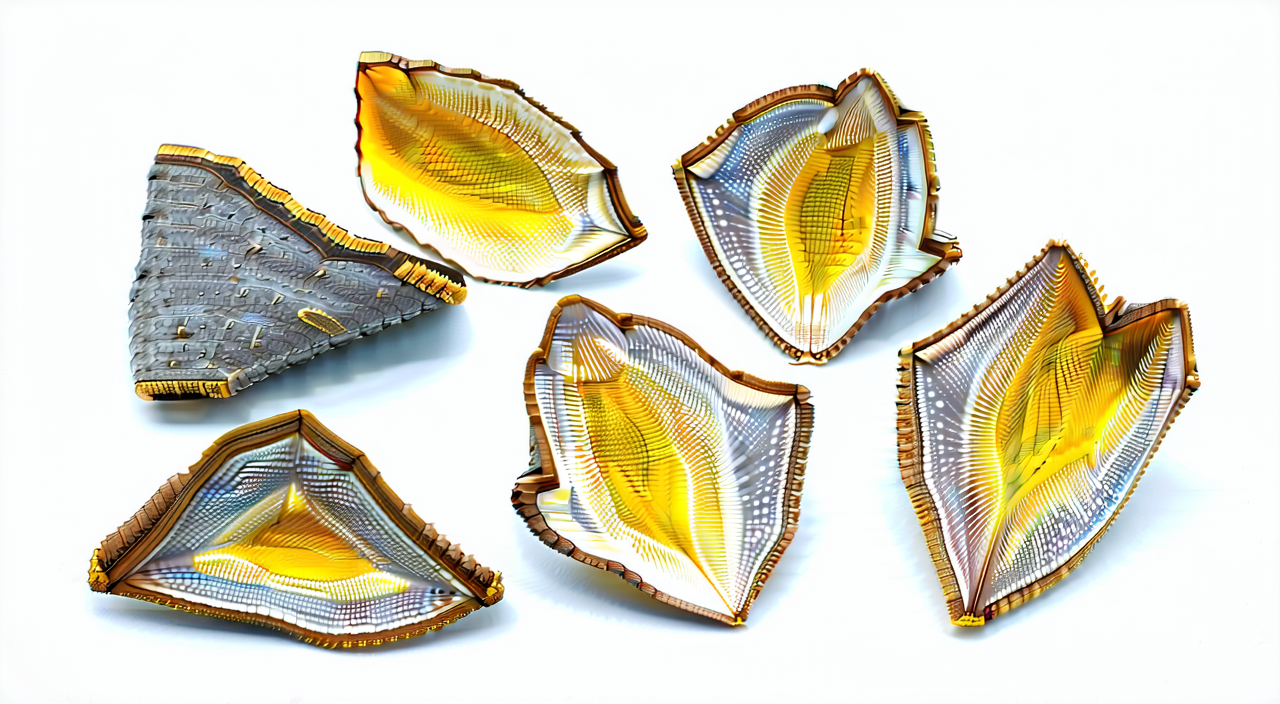
Appearance and Cross-Section Features
Bai Lian medicinal material is usually longitudinally split into petal-like pieces and commonly appears as irregular slices or sections. The outer surface is generally grayish yellow, light brown, or grayish brown, and may show wrinkles, longitudinal markings, and root scars. After drying, the material becomes harder, although its color and size may vary depending on the growing region, harvesting time, and processing method.
One of the more distinctive features of Bai Lian is its cross-section. Longitudinally sliced pieces usually have a yellowish-white or off-white interior with a powdery texture. When examined more closely, relatively clear radial markings may be visible. Some commercial products have a darker outer layer and a lighter interior. If the material has absorbed moisture, its powdery texture, odor, and consistency may change, so color alone should not be used for identification.
What to Look for During Basic Identification
When examining Bai Lian, consider its shape, outer skin, cross-section, texture, and odor together. Properly dried material is generally firm, with a clearly powdery cross-section. When broken or cut, markings extending outward from the center may be visible. Material with obvious mold, an unusual odor, insect damage, or a damp and sticky texture should not be used based solely on a photograph or its name.
It is important to note that online images, the way decoction pieces are cut, and storage conditions can all affect appearance. If the herb is intended for actual formula use, it should come from a reputable source, and a Chinese medicine practitioner or pharmacist should confirm it based on the product label, physical characteristics, and any necessary identification information.
What Is the Medicinal Part of Bai Lian?
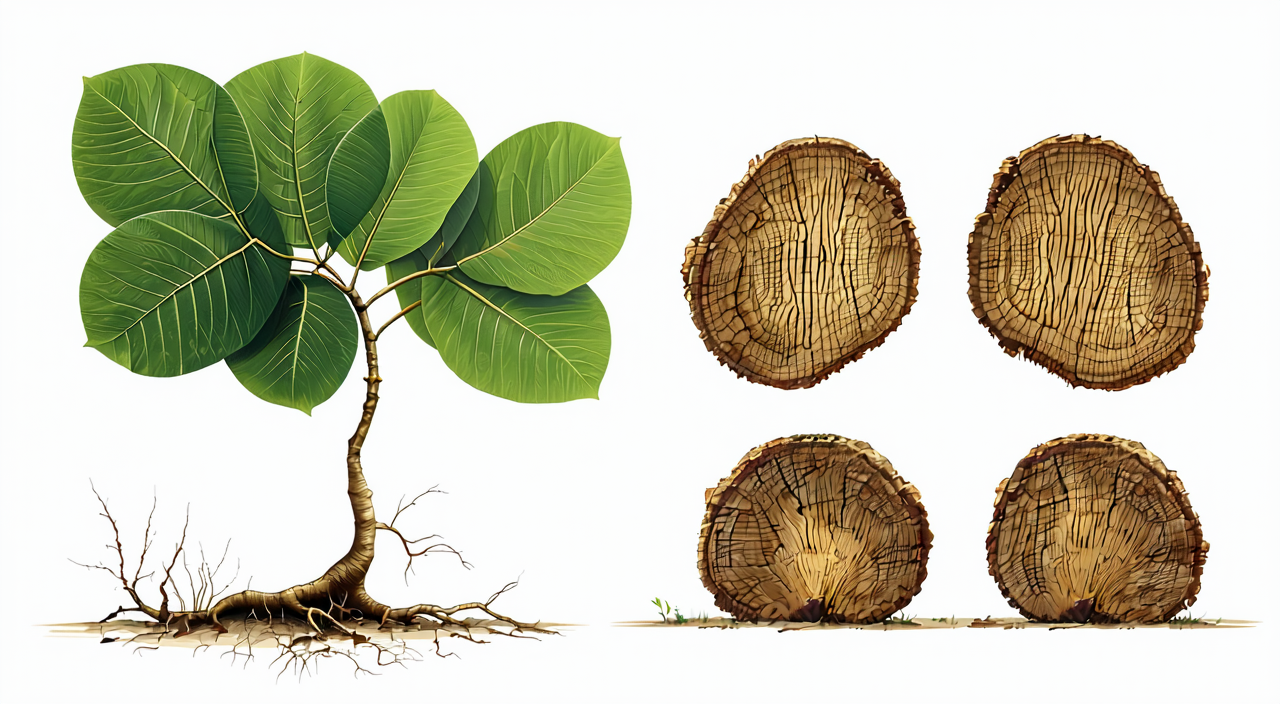
The medicinal part of Bai Lian is the dried tuberous root of the Bai Lian plant, meaning the enlarged underground root rather than the stem, leaves, or fruit. Traditional harvesting generally involves digging up the tuberous roots during the appropriate season, removing soil and fibrous roots, washing them, slicing them longitudinally, and then drying them. Longitudinal slicing facilitates drying and storage and also creates the commonly seen petal-like appearance of Bai Lian decoction pieces.
The tuberous root gradually becomes harder during drying while retaining a yellowish-white to off-white powdery interior. Commercial products may appear as slices, petals, or blocks, and their sizes are not completely uniform. When determining the medicinal part, the key is to confirm that it comes from the underground tuberous root of Bai Lian and to check whether it has the corresponding cross-sectional and textural characteristics.
From the perspective of Chinese medicinal material management, the same herb name does not mean that all products are of identical quality. The growing region, harvesting period, cutting method, degree of drying, and storage environment may all affect appearance and use. Before purchasing or using it, check the formal label, product name, and storage conditions. Similar root pieces found in the wild should not be directly identified as Bai Lian.
How Does Traditional Chinese Medicine Understand Bai Lian?
Traditional Chinese medicine commonly understands Bai Lian from the perspectives of clearing heat and toxins, reducing abscesses and dissipating nodules, and astringing sores and promoting tissue regeneration. These descriptions are mainly found in traditional materia medica texts and formula-use experience. They emphasize the herb’s traditional role within combinations and do not constitute modern medical diagnoses or treatment conclusions.
Clearing Heat and Toxins, and Reducing Abscesses and Nodules
In the context of traditional use, Bai Lian is often discussed in formulas related to sores, ulcers, redness, swelling, and localized accumulations. Some classical formulas combine it with other herbs traditionally used to clear heat, resolve toxins, or dissipate nodules, reflecting a traditional approach to manifestations such as localized swelling and pain or early-stage sores and ulcers. Whether it is appropriate depends on the nature of the symptoms, their duration, the individual’s constitution, and the overall formula.
Astringing Sores, Promoting Tissue Regeneration, and External Use
Bai Lian also appears in discussions of topical formulas traditionally used to astringe sores and promote tissue regeneration, including wound-care applications. Modern use must place particular emphasis on cleanliness, hygiene, and skin integrity. If the affected area is deep, expanding, associated with significant pain, fever, pus, or streak-like redness, do not cover it with Chinese herbal powder without professional guidance. Consult a doctor or qualified professional as soon as possible.
How Should Modern Research Be Viewed?
Modern research on this herb may include investigations into its plant compounds, in vitro experiments, antioxidant-related indicators, and preliminary observations concerning skin care. However, laboratory studies, animal experiments, or results from small local samples cannot be equated directly with the effects of personal use, nor can they replace appropriate clinical evaluation.
For traditional herbs such as Bai Lian, research findings may also be affected by the plant part extracted, extraction method, dosage, dosage form, and sample size. When reading related information, consumers should distinguish among “traditional use,” “experimental research,” and “clinical evidence,” and avoid interpreting a single study as a definite health promise. If internal use, long-term use, or combination with other medicines is involved, consult a Chinese medicine practitioner, pharmacist, or doctor first.
What Are the Differences Between Bai Lian, Bai Ji, and Tian Hua Fen?
Bai Lian, Bai Ji, and Tian Hua Fen may all have white or yellowish-white powdery cross-sections, making them easy to confuse in herb photographs. However, their sources and physical characteristics are different.
| Herb | Medicinal part | Common appearance clues | Traditional perspective |
|---|---|---|---|
| Bai Lian | Dried tuberous root of Bai Lian | Usually longitudinally split into petal-like pieces; grayish-yellow or light-brown outer skin; yellowish-white cross-section with visible radial markings | Clearing heat and toxins, reducing abscesses and nodules, and astringing sores and promoting tissue regeneration |
| Bai Ji | Dried tuber of Bai Ji | Usually irregularly flattened, round, or palmately divided; the cross-section is more noticeably horny or semi-translucent | Traditional directions include astringing bleeding, reducing swelling, and promoting tissue regeneration |
| Tian Hua Fen | Dried root of Trichosanthes | Often long strips, slices, or irregular pieces; white or pale yellowish-white, with a relatively obvious powdery texture | Clearing heat and promoting fluid production, reducing swelling, and expelling pus |
The table is intended only as an initial reference and cannot replace professional identification. One key difference between Bai Lian and Bai Ji is that the former is primarily a tuberous root, while the latter is a tuber. Their cut-surface textures, forms, and traditional formulation approaches also differ. Tian Hua Fen comes from the root of a Trichosanthes plant and has different characteristics in both appearance and origin. Once the herbs have been chopped, powdered, or incorporated into a compound formula, it is often difficult to identify them accurately by sight alone.
Which Traditional Formulas Contain Bai Lian?
In traditional formulas, Bai Lian may be found in discussions of Bai Lian San, Nei Xiao San, and some topical formulas for astringing sores. The herbs, proportions, preparation methods, and intended applications may differ among classical texts, medical lineages, and modern preparations. Therefore, a formula should not be prepared based solely on its name.
Bai Lian San
Bai Lian San is one category of traditional formulas named after Bai Lian. The ingredients and applications recorded throughout history are not completely consistent. Some sources discuss its use in combinations related to sores, swelling, pain, or external medicine. When consulting such information, confirm the specific source, dosage form, and instructions rather than treating different versions as one fixed prescription.
Nei Xiao San
In traditional formulas, Nei Xiao San is generally associated with approaches for dispersing accumulations and addressing localized lumps, although its exact composition may vary by version. Bai Lian is usually only one of several ingredients. Whether it is appropriate depends on the overall pattern assessment, changes in symptoms, and professional judgment. The effects of a complete formula cannot be inferred from a single herb.
Topical Formulas for Astringing Sores
Some topical formulas use Bai Lian according to its traditional astringing and swelling-reducing direction. External use does not mean that hygiene and skin condition can be ignored. In particular, untreated herbal powder should not be applied directly to open wounds, deep infections, or large areas of damaged skin. Before using any topical preparation, read the product instructions and watch for reactions such as irritation, redness, or itching.
What Precautions Should Be Observed When Using Bai Lian?
First, traditional materia medica texts record compatibility precautions involving Bai Lian and aconite-type herbs, commonly summarized as “Bai Lian opposes aconite.” When ingredients such as Sichuan aconite, wild aconite, or Fu Zi are involved, do not combine them on your own. A qualified professional should review the compatibility. People taking prescription medicines, as well as those who are pregnant or breastfeeding, should also disclose their circumstances before use.
Second, people with a cold and weak digestive system, a tendency toward diarrhea, poor appetite, or sensitivity to cooling herbs should be particularly cautious before internal use. Bai Lian is not suitable for every constitution. The traditional assessment of hot and cold patterns, dosage, and processing method must be understood within a complete pattern assessment. Do not increase the dose or extend the duration of use simply because the herb comes from a plant.
Third, if the skin has a deep wound, obvious pus, persistent discharge, expanding redness or swelling, fever, or severe pain, seek help from a doctor or qualified professional as a priority. Applying powder externally on your own may cause contamination, delay appropriate care, or irritate the wound. If pronounced redness, burning pain, itching, or breathing discomfort occurs after use, stop contact and seek timely care.
If related symptoms are severe, persistent, or recurrent, or are accompanied by significant anxiety, depression, palpitations, chest tightness, abnormal breathing, persistent pain, severe abdominal pain, ongoing vomiting, black stools, unexplained weight loss, or other concerning signs, consult a doctor promptly. This article is provided for educational reference only and cannot replace professional diagnosis or treatment advice.
Summary
Bai Lian is a traditional Chinese medicinal herb used in the form of its dried tuberous root. Common features include a longitudinally split, petal-like shape, grayish-yellow or light-brown outer skin, and a yellowish-white powdery cross-section with radial markings. It is not the same herb as Bai Ji, whose medicinal part is a tuber, or Tian Hua Fen, which comes from the root of a Trichosanthes plant. Bai Lian San, Nei Xiao San, and topical formulas for astringing sores can be understood as traditional formulation directions. Actual use should take constitution, compatibility precautions, hygiene, and symptom severity into account, with professional advice sought when necessary.