
What Is Bupleurum? Medicinal Parts, Identification, and Common Formulas
For many people, the impression of bupleurum (Chai Hu) often stops at the name “Xiao Chai Hu Tang” (Minor Bupleurum Decoction). In fact, bupleurum has a long history of use in China, and the Shen Nong Ben Cao Jing (Divine Farmer’s Materia Medica) already listed it as a top-grade herb. Nowadays, an increasing number of users overseas wish to understand the basic appearance of this medicinal substance, its medicinal parts, and how it appears in herbal formulas. This article does not provide diagnostic or therapeutic conclusions, but offers a relatively systematic, science-based reference — covering visual identification, medicinal parts, differences between two common commercial types of bupleurum, frequently used formulas, and safety precautions.
What Does Bupleurum Look Like? How to Identify It?
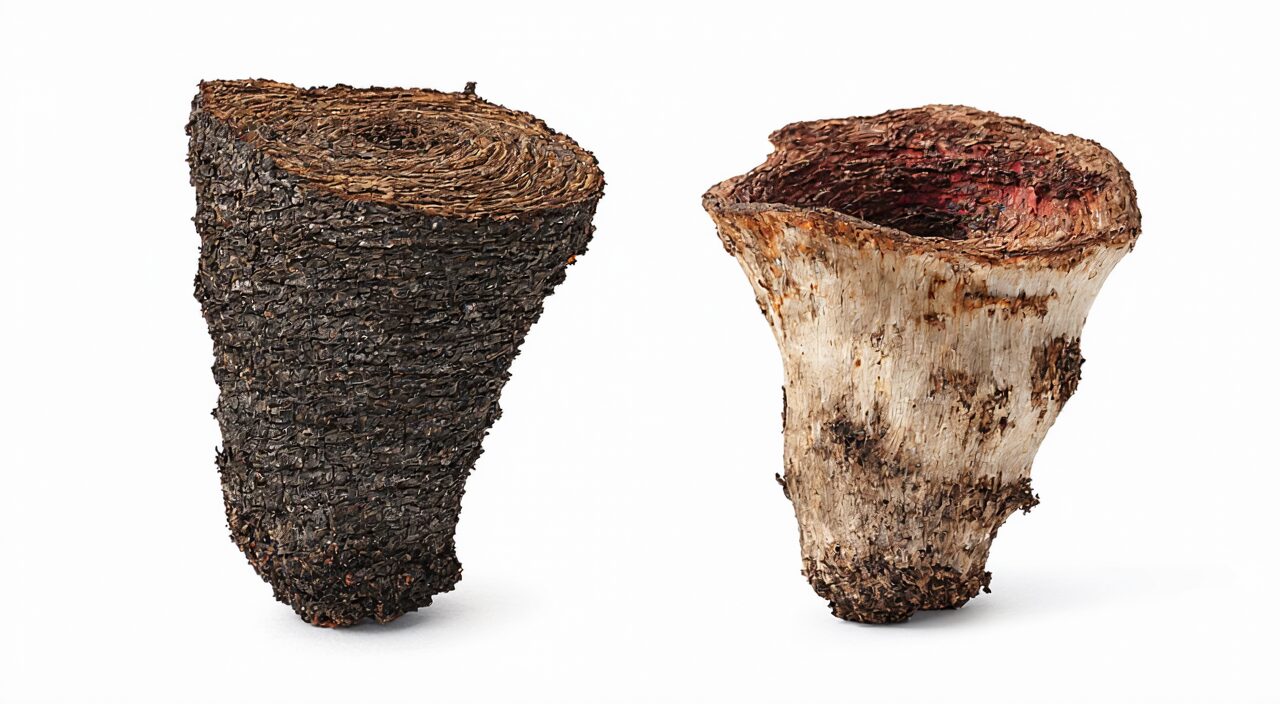
Bupleurum is the dried root of Bupleurum chinense or Bupleurum scorzonerifolium, both plants of the Apiaceae family. The commonly traded Bei Chai Hu (northern bupleurum) and Nan Chai Hu (southern bupleurum) both use the root as the medicinal part, yet they differ in appearance, texture, and odor.
Characteristics of Bei Chai Hu (Northern Bupleurum) Root
The root of Bei Chai Hu is mostly long cylindrical or long conical, sometimes with slight branching. It usually measures 6–15 cm in length and around 0.3–0.8 cm in diameter. The surface color is mostly dark brown or pale brown, with clearly visible longitudinal wrinkles, rootlet scars, and lenticels. The texture is hard and tough, making it difficult to break. The fractured surface shows a fibrous nature; the bark is light brown and the wood is yellowish-white. In terms of odor, Bei Chai Hu has a faint aroma and a slightly bitter, slightly acrid taste.
Characteristics of Nan Chai Hu (Southern Bupleurum) Root
The root of Nan Chai Hu is usually thinner, also long cylindrical but with relatively fewer branches. The surface color is mostly reddish-brown or brownish-brown. One of its distinguishing features is the presence of numerous fine, dense ring-like markings near the root head, which makes it relatively easy to identify. Its texture is somewhat softer, and the fractured surface is somewhat flat without obvious fibrousness; sometimes clear cracks can be seen. Nan Chai Hu smells distinctly rancid-oil-like, and its taste is also slightly bitter and slightly acrid, but that peculiar odor is often more pronounced.
When identifying bupleurum, besides observing the shape and surface texture, the odor is also an important clue for distinguishing the two. However, it should be noted that self-identification by ordinary users has limitations; the determination of the specific variety of the medicinal material should still rely on professional identification or product labeling.
What Is the Medicinal Part of Bupleurum?
The medicinal part of bupleurum is primarily the dried root. Traditionally, it is harvested in spring and autumn, with the stems, leaves, and sediment removed, then sun-dried directly or cut into sections and dried. Depending on different processing methods, commercial products such as vinegar-processed bupleurum (Cu Chai Hu) or turtle-blood-processed bupleurum (Bie Xue Chai Hu) are also available. These processing methods impart different property emphases to the herb, but the basic medicinal part remains the root.
Precisely because the root is used as medicine, the focus of visual observation lies in the root’s length, diameter, surface texture, and cross-sectional characteristics. When purchasing or distinguishing, one may check whether the product description specifies the source species, such as “Bei Chai Hu” or “Nan Chai Hu”.
How Does Traditional Chinese Medicine Understand Bupleurum?
Traditional Chinese medicine often understands bupleurum from the perspective of its nature, taste, and meridian tropism: it is generally considered bitter and acrid in taste, slightly cold in nature, and enters the Liver, Gallbladder, and Lung meridians. This understanding does not correspond directly to a specific disease name, but is applied in the following several directions.
Harmonizing and Relieving Fever
One common direction for bupleurum is addressing alternating chills and fever caused by pathogenic factors lodged between the exterior and interior. When the body exhibits alternating sensations of cold and heat, fullness and discomfort in the chest and hypochondrium, a bitter taste in the mouth, and a dry throat, the traditional approach may consider using bupleurum as the chief herb, combined with herbs such as scutellaria (Huang Qin), to help vent the pathogen outward. This regulating direction does not apply to all types of fever and must be judged holistically based on specific presentations.
Soothing the Liver and Relieving Stagnation
Another important direction of bupleurum lies in regulating the qi dynamic. When emotional constraint and liver qi stagnation manifest as distending pain in the chest and hypochondrium, chest oppression, irregular menstruation, or low mood, traditional formulas often combine bupleurum to soothe the liver and regulate qi. This usage is commonly seen in daily wellness approaches, often considered together with herbs like dang gui (Chinese angelica) and bai shao (white peony).
Raising and Lifting Yang Qi
In some conditions where shortness of breath, fatigue, and a tendency toward organ prolapse arise from insufficient middle qi, bupleurum is sometimes combined with ginseng and astragalus (Huang Qi) with the intention of raising yang qi and lifting the sunken. However, such applications usually require strict differentiation of body constitution; it is not suitable for all cases of qi deficiency.
What Have Modern Studies Found?
In modern research, the active constituents of bupleurum mainly involve saikosaponins, volatile oils, flavonoids, and other substances. Some studies have explored its potential effects on inflammatory responses, liver function-related indicators, and emotional regulation, but most are still at the experimental or small-scale observational stage. These explorations help to understand the material basis behind traditional experience, but at present they cannot be equated with clear clinical efficacy conclusions.
It should be reminded that modern research does not simply equate a Chinese medicinal material with a single drug; actual application is influenced by multiple factors, including species, dosage, combination, and individual differences.
What Are the Differences Between Bei Chai Hu and Nan Chai Hu?
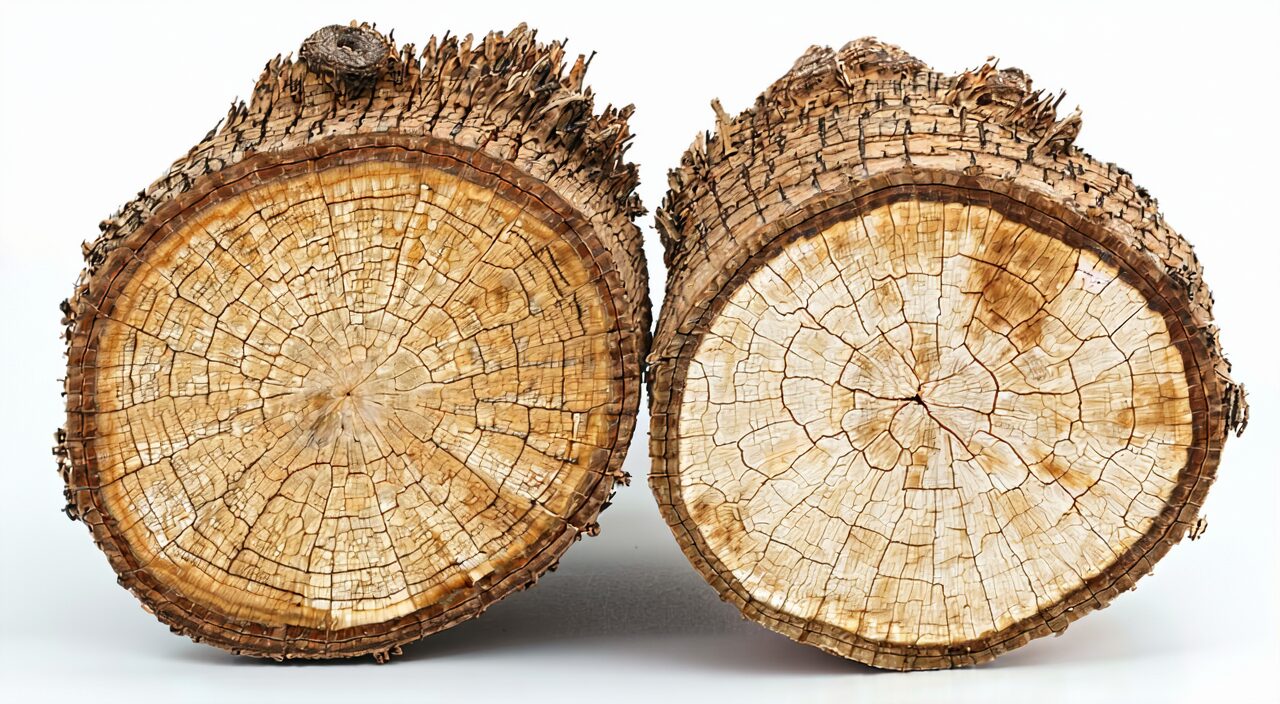
Bei Chai Hu and Nan Chai Hu have clear differences in source, appearance, and quality characteristics. Understanding these differences helps establish a basic awareness of differentiation when encountering Chinese herbs or related products.
- Different sources: The original plant of Bei Chai Hu is Bupleurum chinense, while that of Nan Chai Hu is Bupleurum scorzonerifolium. Although both belong to the Apiaceae family, they are different species.
- Different appearance: Bei Chai Hu root is thicker and sturdier, with a dark brown or light brown surface and pronounced longitudinal wrinkles, and a strongly fibrous fracture surface. Nan Chai Hu root is thinner, with a reddish-brown or brown surface, fine dense ring-like markings near the root head, a relatively flat fracture surface, and sometimes visible cracks.
- Different odor: Bei Chai Hu has a faint aroma and a slightly bitter and astringent taste; Nan Chai Hu has a more noticeable rancid-oil-like smell, which is a distinguishing point valued by many experienced identifiers.
- Standards and usage: In the Chinese Pharmacopoeia, both are officially recognized as genuine bupleurum. In clinical practice, there is a certain preference based on custom and specific formula requirements; generally, Bei Chai Hu is more commonly used.
Which Herbal Formulas Use Bupleurum?
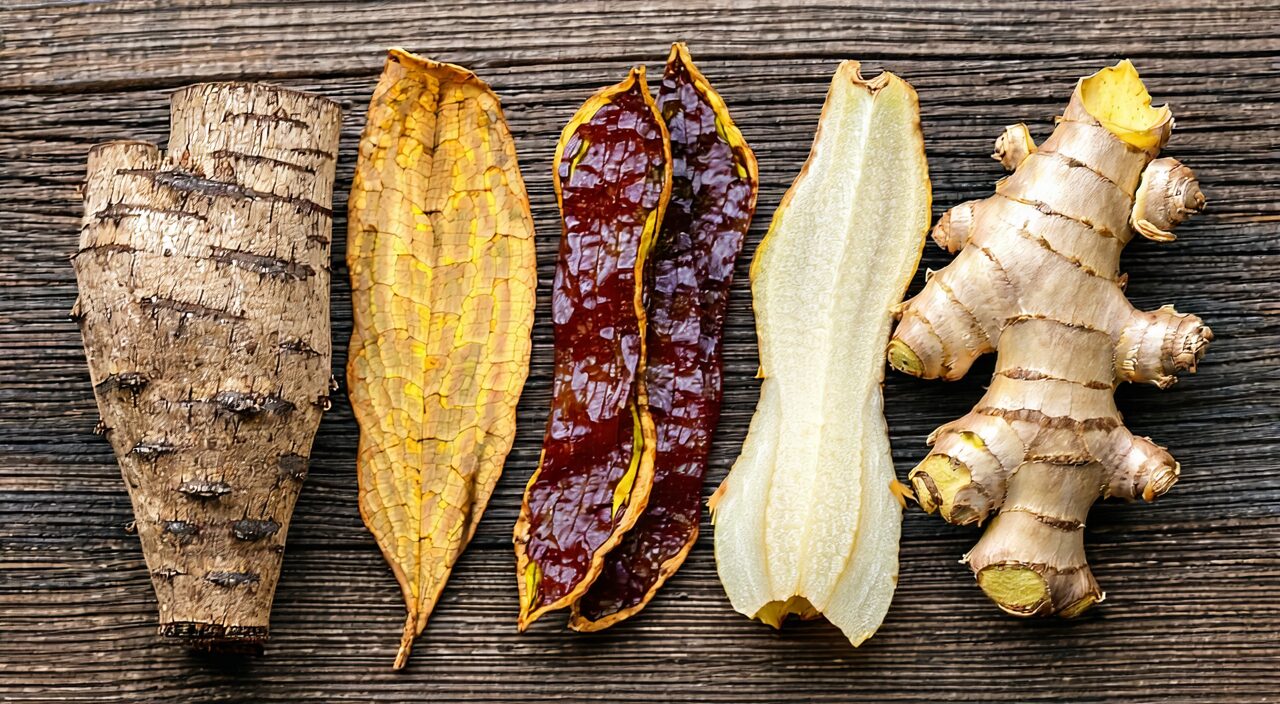
The following formulas are merely examples of traditional usage. Whether they are suitable for an individual requires assessment based on constitution, symptoms, and professional judgment; they should not be self-applied mechanically.
Xiao Chai Hu Tang (Minor Bupleurum Decoction)
Xiao Chai Hu Tang is a classic formula recorded in the Shang Han Lun (Treatise on Cold Damage), composed of bupleurum, scutellaria, ginseng, pinellia, licorice, ginger, jujube, and others. Traditionally it is used for presentations such as alternating chills and fever, fullness and discomfort in the chest and hypochondrium, low spirits with no desire to eat, and vexation with a tendency to retch. It is often mentioned in some lingering states after a cold, certain digestive discomforts, and gynecological regulatory approaches, but it is not suitable for all colds or digestive issues.
Si Ni San (Frigid Extremities Powder)
Si Ni San consists of bupleurum, immature bitter orange (zhi shi), peony, and licorice. Traditionally it is used for yang constraint and reversal patterns, which may manifest as cold extremities, abdominal pain, or diarrhea with tenesmus. This formula vents pathogens, resolves constraint, soothes the liver, and regulates the spleen. Some cases of cold hands and feet and abdominal discomfort due to liver-spleen qi stagnation may be considered for this formula, but cold extremities are not always due to yang constraint and require differentiation.
Xiao Yao San (Free and Easy Wanderer Powder)
Xiao Yao San is a modification based on Si Ni San, mainly containing bupleurum, Chinese angelica, white peony, white atractylodes, poria, licorice, ginger, and mint. Traditionally it is commonly seen in patterns of liver constraint with blood deficiency and spleen weakness, manifesting as bilateral hypochondriac pain, headache and dizziness, dry mouth and throat, fatigue and poor appetite, or irregular menstruation and breast distension. Xiao Yao San emphasizes soothing the liver and relieving constraint, strengthening the spleen and nourishing blood, reflecting the idea of simultaneously regulating the liver and spleen.
Chai Hu Shu Gan San (Bupleurum Liver-Soothing Powder)
Chai Hu Shu Gan San includes bupleurum, tangerine peel, chuanxiong, cyperus, immature bitter orange (zhi qiao), peony, and licorice. It focuses on soothing the liver, regulating qi, activating blood, and relieving pain, and is often used for hypochondriac pain, chest oppression, and frequent sighing caused by liver qi stagnation. Compared to Xiao Yao San, it emphasizes more on moving qi and activating blood.
The above formulas are only representative examples containing bupleurum. Different formulas have different focal points in their combination strategies; when considering them in practice, one should comprehensively analyze based on individual conditions and avoid simply matching symptoms to formulas.
What Precautions Should Be Taken When Using Bupleurum?
Although bupleurum is common, there are still some aspects that call for caution when using it.
First, it is traditionally considered that people with yin deficiency with fire rising or liver yang hyperactivity should use it with caution. If there are tendencies such as heat in the palms and soles, night sweats, dry mouth and throat, headache and dizziness, flushed face and bloodshot eyes, using bupleurum or formulas containing bupleurum may aggravate discomfort.
Second, liver disease is not the same as liver qi stagnation. In cases of chronic liver disease, liver injury, or abnormal liver function, self-use of bupleurum or related products carries potential risks and requires strict evaluation under medical guidance.
Third, long-term or high-dose self-use of bupleurum, especially the unprocessed raw herb or improperly combined preparations, may place an additional burden on the body. When using any Chinese herbal material, it is recommended to first read the product description and consider it in light of your personal constitution and professional judgment.
If the physical discomfort is severe, long-lasting, or accompanied by pronounced chest oppression, palpitations, nausea and vomiting, abdominal pain, weight loss, etc., one should first consult a doctor and not rely solely on self-regulation.
Summary
As a traditional Chinese medicinal material whose medicinal part is the root, bupleurum presents a wealth of identification clues in terms of appearance characteristics, species differences, and formula combinations. Understanding the basic differences between Bei Chai Hu and Nan Chai Hu, becoming familiar with traditional directions such as harmonizing and relieving fever and soothing the liver to resolve constraint, and paying attention to situations like yin deficiency with fire rising where self-use is inadvisable can help build clearer safety awareness. This article is for informational reference only and cannot replace professional diagnosis or treatment advice. Specific use should still be comprehensively judged based on personal conditions and professional guidance.