
What Is Chong Lou? Medicinal Parts, Identification, and Common Preparations
What is Chong Lou? This is a common question among overseas Chinese readers interested in the appearance, traditional uses, and formulation ingredients of Chinese medicinal herbs. Chong Lou is mainly derived from the dried rhizomes of Yunnan Chong Lou or Paris polyphylla. Traditionally, it has been associated with applications such as clearing heat, detoxification, reducing swelling, and relieving pain. However, it is not an ordinary health food and should not be taken internally without proper guidance based on online claims or folk experience.
It is especially important to note that Chong Lou contains biologically active steroidal saponins and has a certain degree of toxicity. Folk topical applications and online claims about its antitumor effects cannot be used to determine its safety or replace standard medical treatment. The following sections explain the herb’s identification features and potential risks to help readers develop a basic understanding.
What Does Chong Lou Look Like? How Can It Be Identified?
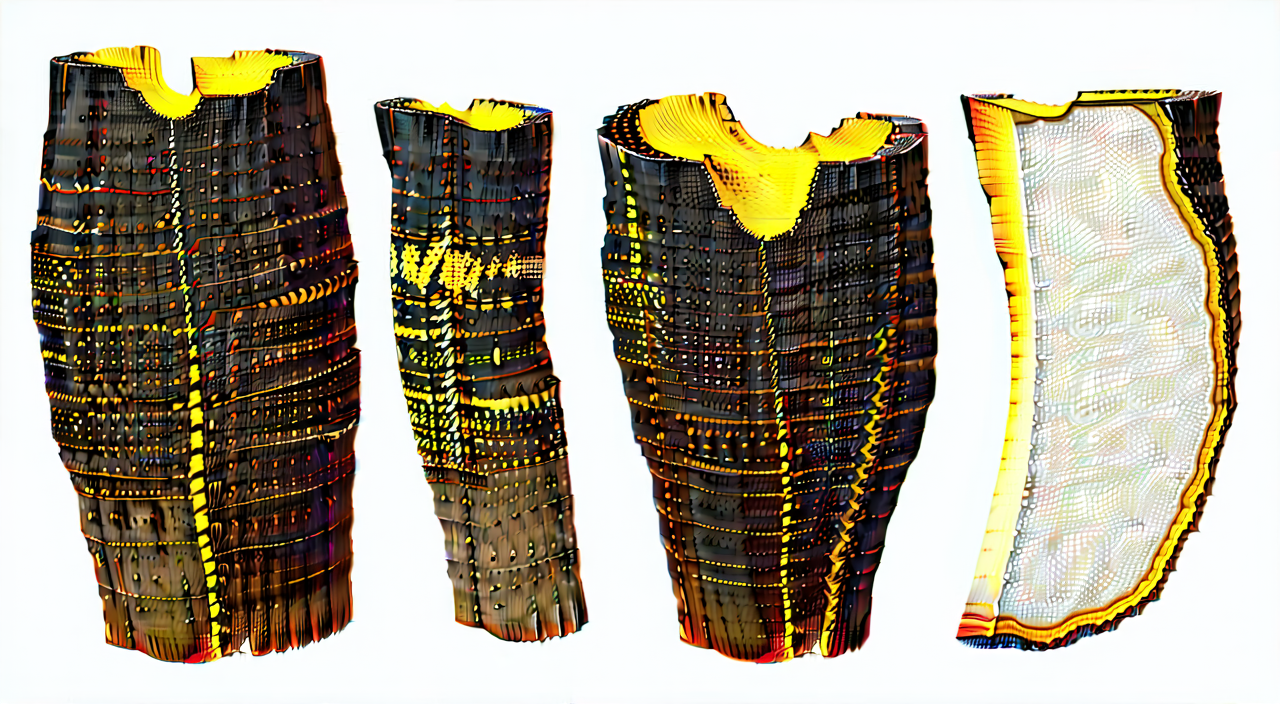
The above-ground part of Chong Lou is a perennial herb. A common feature is a stem topped with whorled leaves, while the flowering period reveals a central floral structure and slender perianth segments. Appearance may vary depending on the growing region, variety, and growth stage. Therefore, a single photograph or isolated characteristic is not sufficient for accurate identification.
Commercially available dried Chong Lou is mainly identified by examining the rhizome. The rhizomes are often nodular, flattened-cylindrical, or slightly curved. Their surface ranges from yellowish brown to dark brown and usually shows clear nodes, internodes, and stem scars. Some samples may also retain fibrous root marks or circular scars left after the above-ground stem has been removed. The texture is generally firm. The cross-section may show white to light-brown powdery or slightly granular tissue. The odor is usually not strong, while the taste is generally bitter, pungent, and astringent.
However, color, the number of scars, and the powdery nature of the cross-section can be affected by the harvesting period, drying method, and storage conditions. When purchasing or identifying the herb, do not rely solely on visual resemblance. The source, processing information, and professional identification are also important.
What Is the Medicinal Part of Chong Lou?
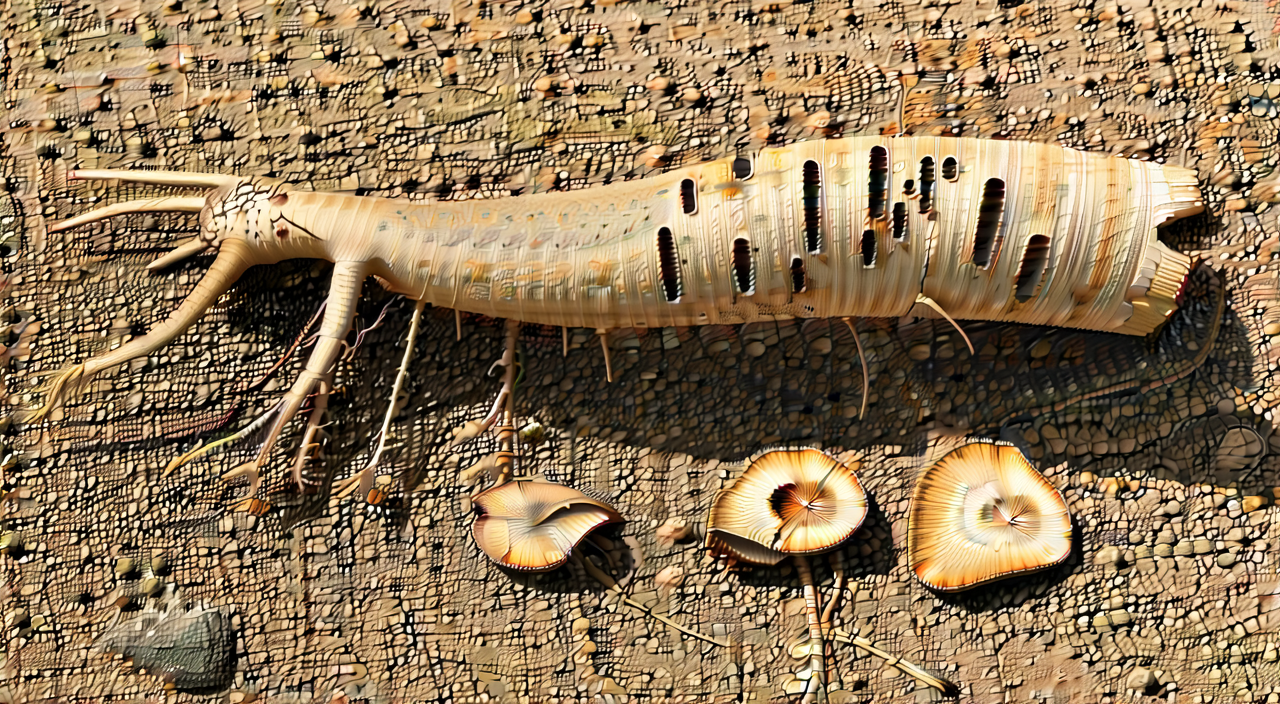
The traditional medicinal part of Chong Lou is the underground rhizome, not the leaves, flowers, or fruits. The herb is generally harvested after the plant has grown for a certain number of years. The above-ground parts, fibrous roots, and soil are removed, after which the rhizome is washed and either sliced or dried whole. Differences in origin and processing specifications may affect the shape, color, and cross-sectional appearance of the medicinal material.
The rhizome is an important storage site for saponins and other constituents and is the part that requires particular attention in traditional medicinal use. Fresh material that has not been properly processed, wild plants of unknown origin, or plants collected personally may involve risks such as species confusion, difficulty controlling the dose, and contamination. When purchasing across borders or online, pay attention to the official product name, origin, batch information, and legally compliant labeling. Do not use a visually similar plant as Chong Lou without verification.
How Does Traditional Chinese Medicine Understand Chong Lou?
Traditional Chinese medicine commonly understands Chong Lou in terms of clearing heat, detoxification, reducing swelling, relieving pain, cooling the liver, and calming convulsions. In historical materia medica and traditional Chinese medicine practice, it has been associated with pattern-based approaches involving sore and swollen throats, sores and swellings, injuries from falls or blows, and infantile convulsions. However, these are traditional application directions and do not represent modern medical conclusions about the treatment of specific diseases.
Traditional Chinese medicine typically considers constitution, symptom patterns, disease duration, compatibility with other herbs, and medication contraindications when using medicinal materials. The dosage, processing method, and appropriate indications of a herb with the same name may differ among preparations. Therefore, even when certain Chong Lou preparations have specific approved uses listed in their instructions, this does not justify expanding their use independently, nor should they replace a doctor’s assessment of persistent or serious symptoms.
How Does Modern Research View Chong Lou?
Modern research has focused extensively on steroidal saponins and related constituents in Chong Lou, observing their pharmacological activity through chemical analysis, cell experiments, and animal studies. These experiments help researchers understand the characteristics of its constituents and their possible directions of action. However, laboratory findings are not equivalent to clinical effects in humans, and they cannot directly establish that a medicinal herb can treat cancer or other serious diseases.
Three levels need to be distinguished: first, the herb contains detectable active constituents; second, certain changes may be observed in cell or animal experiments; and third, whether properly designed human clinical studies can confirm its effectiveness and safety. Chong Lou products also involve factors such as dosage, processing, formulation technology, individual differences, and concurrent medications. Conclusions should not be based solely on one constituent or an online article.
In addition, the toxicity of Chong Lou should be taken seriously. Excessive or inappropriate use may cause gastrointestinal reactions such as nausea, vomiting, abdominal pain, and diarrhea. In severe cases, it may also affect liver and kidney function or the nervous system. If discomfort occurs, stop self-administering the product and promptly consult a doctor or qualified professional.
What Are the Differences Between Chong Lou, Bian Xu, and Shan Ci Gu?
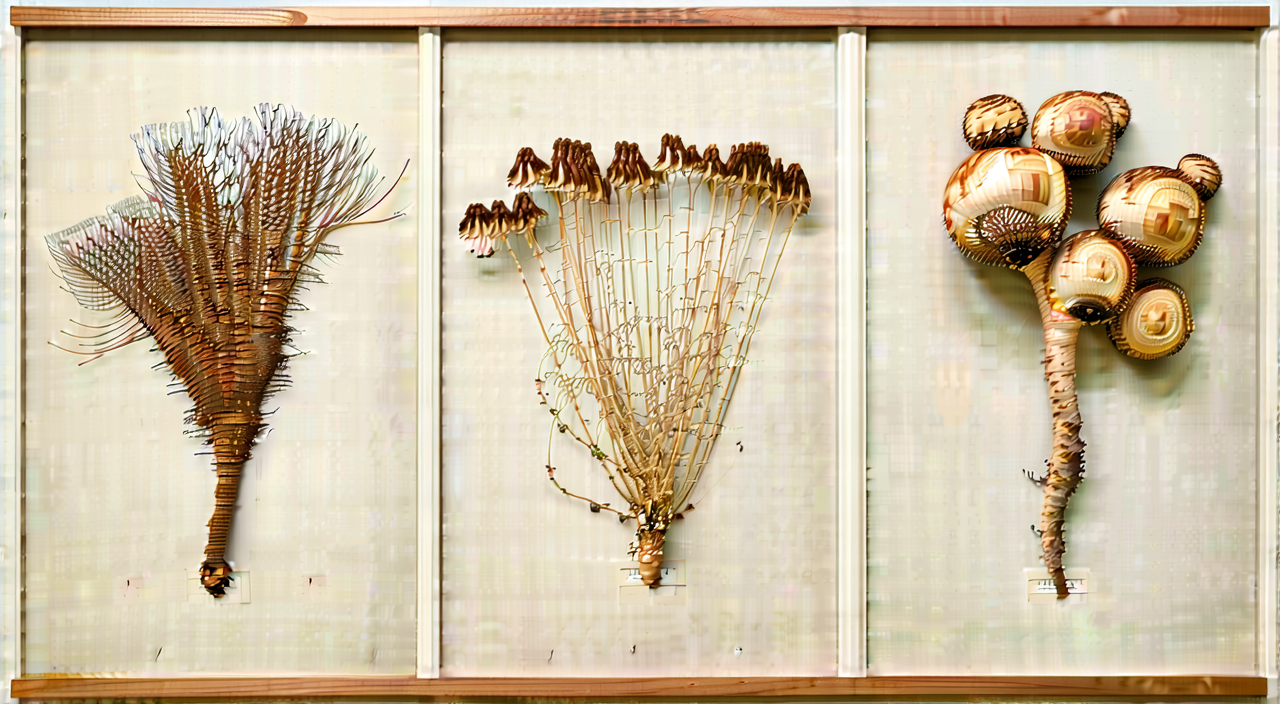
Chong Lou, Bian Xu, and Shan Ci Gu may all be used medicinally in the form of underground roots or rhizomes. After drying, they may be confused based on appearance, but their botanical sources and physical characteristics are different.
Chong Lou rhizomes are usually nodular and flattened-cylindrical, with relatively distinct nodes and often visible stem scars. The cross-section is generally white to light brown and powdery. Bian Xu comes from the dried rhizome of a Polygonaceae plant known as Bian Xu. Its surface is often purplish brown or dark brown, and its shape tends to be short, thick, or curved. Its cross-section and texture differ from those of Chong Lou, so the two should not be substituted for each other simply because both may have a segmented appearance. In commercial and traditional medicinal naming, Shan Ci Gu may refer to different botanical sources. The bulb- or corm-like appearance of commonly related medicinal materials is not completely consistent with the nodular rhizome of Chong Lou.
Accurate identification requires consideration of the botanical source, medicinal-material characteristics, microscopic features, and, when necessary, physicochemical testing. For nonprofessionals, the safest approach is not to substitute Bian Xu, Shan Ci Gu, or other similar roots and rhizomes for Chong Lou, and not to formulate herbal medicines based on online photographs.
What Common Chong Lou Preparations Are Available?
Legally approved preparations containing Chong Lou ingredients are available on the market, including Chonglou Jiedu Tincture, Gongxue Ning Capsules, and other approved compound preparations. The ingredients, dosage form, approved uses, contraindications, and precautions differ among products. The fact that they all contain Chong Lou does not mean their methods of use can be used as references for one another.
Chonglou Jiedu Tincture is intended for external use, but external application does not mean it can be used casually. Gongxue Ning Capsules and other compound preparations should be evaluated for suitability according to the product instructions and professional advice. Do not increase the frequency, extend the duration of use, or combine them with other medicines without guidance. Pregnant or breastfeeding individuals, children, older adults, and people with liver or kidney disease, gastrointestinal disease, or multiple ongoing medications should consult a doctor or pharmacist first.
What Precautions Are Needed When Using Chong Lou?
Chong Lou is a medicinal material that should be treated with caution. Individuals are not advised to purchase the raw herb for self-administration, boil it independently, or determine the dosage based on online information. Topical products should also be used strictly according to their instructions. Do not apply them to broken skin, mucous membranes, around the eyes, or large areas of skin. If pronounced stinging, redness, swelling, a rash, or any other abnormal reaction occurs, stop using the product and seek professional advice promptly.
Pregnant individuals, children, and people with weak constitutions should not try it independently. Those with abnormal liver or kidney function, chronic gastrointestinal disease, or nervous system disorders, as well as those taking anticoagulants, sedatives, or other prescription medicines, should inform their doctor or pharmacist before use. If persistent vomiting, severe abdominal pain, marked dizziness, altered consciousness, changes in urine output, jaundice, or other serious symptoms occur, seek medical attention as soon as possible.
For lumps, persistent bleeding, recurrent fever, long-term pain, suspected tumors, or similar conditions, Chong Lou and its preparations cannot replace imaging examinations, pathological diagnosis, or standard treatment. If symptoms persist or recur, or are accompanied by significant anxiety, depression, palpitations, chest tightness, abnormal breathing, weight loss, or other concerning signs, consult a doctor or qualified professional instead of self-administering a high-risk medicinal herb.
Summary
Chong Lou mainly refers to the dried rhizomes of Yunnan Chong Lou or Paris polyphylla. When identifying it, look for its nodular shape, nodes, stem scars, and white to light-brown powdery cross-section. Although it has traditional medicinal value, it also carries toxicity risks. It should not be confused or combined with Bian Xu or Shan Ci Gu, used internally without guidance, applied to broken skin, or used as a substitute for standard treatment of cancer or other serious diseases. This article is for educational reference only. Specific use should be evaluated according to the product instructions, individual circumstances, and professional advice.