
What Is Herba Sedi? Medicinal Parts, Identification, and Common Preparations
Many people first encounter Herba Sedi when learning about traditional herbs, plant specimens, or certain Chinese patent medicines related to liver function. Herba Sedi has both an ornamental form with trailing growth and fleshy leaves and a history of use as a traditional Chinese medicinal herb. However, ornamental succulents sold in the horticultural market should not be casually equated with medicinal materials whose origin, harvesting, and quality have been properly managed. This article explains what Herba Sedi is by discussing its appearance, medicinal parts, traditional Chinese medicine concepts, the boundaries of modern research, and common preparations.
What Does Herba Sedi Look Like? How Can It Be Identified?
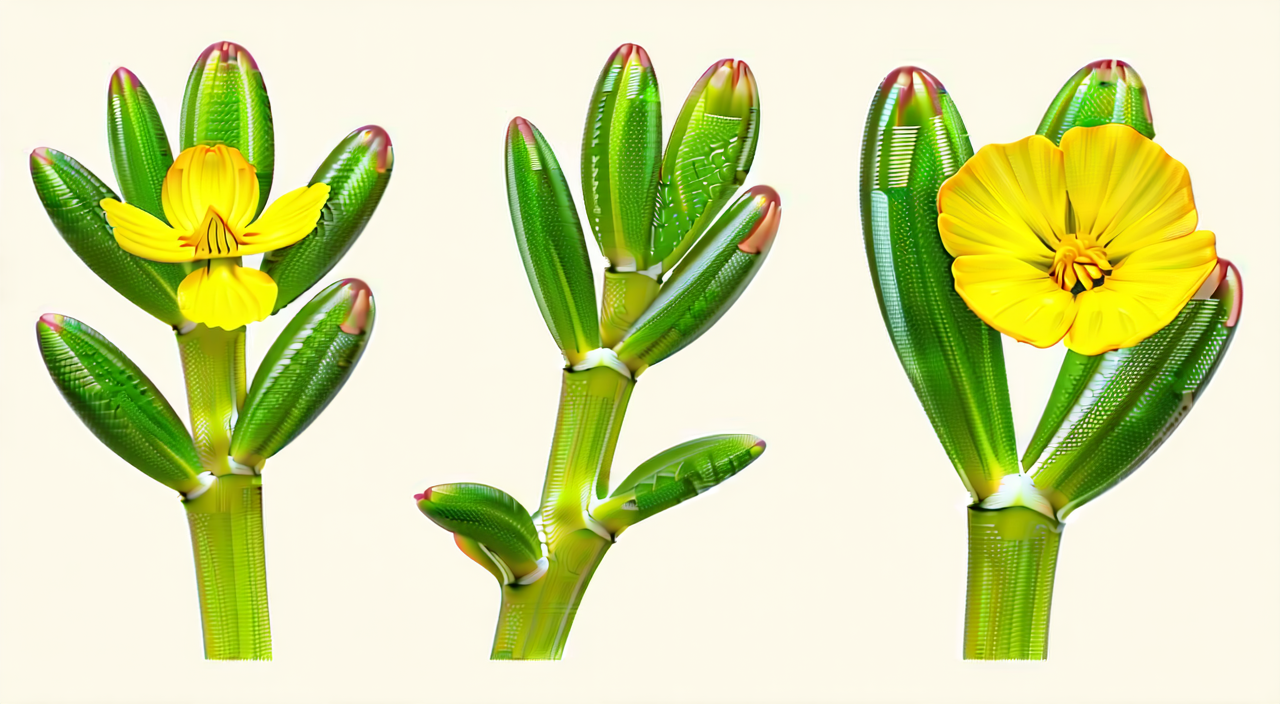
Herba Sedi refers to the whole plant of the Crassulaceae species known as Herba Sedi. It is commonly found in relatively warm regions and can also be cultivated as a trailing plant. Its stems usually grow close to the ground in a creeping or slightly ascending manner. The stems are fairly succulent, with distinct nodes, and the plant readily spreads outward, giving it a trailing and ground-covering appearance.
The leaves are an important feature for identifying Herba Sedi. They commonly occur in whorls of three, meaning that three leaves are arranged in a ring near the same node. The leaves are generally narrowly lanceolate or linear-lanceolate, relatively thick, and fleshy to the touch. The tips may be slightly pointed, the surfaces are fairly flat, and the color is usually green. Differences in growing conditions, season, and plant maturity may affect leaf size, color, and fullness, so identification should not rely on a single characteristic.
During the flowering season, small yellow flowers can be seen. The flowers usually have five petals that spread into a star-like shape. The combination of yellow five-petaled flowers and succulent, trailing stems and leaves is one of the more distinctive features of Herba Sedi. However, camera angles, the seedling stage, or plants that have not yet flowered can make identification more difficult. If the plant is intended for medicinal use, consult a reliable botanical guide, standardized medicinal-material information, or an experienced professional. Self-harvesting and use based solely on online images is not recommended.
Ornamental Plants Are Not the Same as Standardized Medicinal Materials
Herba Sedi grown as a household potted plant may have been exposed to pesticides, fertilizers, or environmental contamination. Its variety, source, and cultivation conditions may also fail to meet medicinal requirements. Even if its appearance is similar, this does not confirm that it is suitable for use as a sliced medicinal herb or as an ingredient in a preparation. Medicinal materials typically also require original-species identification, appropriate harvesting times, processing methods, storage conditions, and quality testing.
What Is the Medicinal Part of Herba Sedi?
The medicinal part of Herba Sedi is the whole plant, rather than only the root, stem, or leaves. In traditional herbal medicine, “whole plant” generally includes the above-ground stems, leaves, flowers, and other parts. Specific harvesting and processing should follow the applicable medicinal-material standards. The use of the whole plant is an important distinction between Herba Sedi and certain plants whose primary medicinal parts are the roots, rhizomes, or seeds.
Herba Sedi is available in both fresh and dried forms. After harvesting, it is generally sorted and washed, then cut into sections or dried using an appropriate method depending on its intended use. Fresh material retains more moisture and is greener and softer in appearance. Dried material changes in color and texture; the stems and leaves may shrink, and its odor may differ from that of the fresh plant. The actual processing procedure should be based on the applicable local pharmacopoeia, standards for sliced medicinal herbs, or product labeling.
For wild plants collected independently, there is not only a risk of misidentification but also a risk of contamination from roadsides, industrial areas, pesticide-sprayed locations, or land contaminated with heavy metals. Even when the plant is confirmed to be Herba Sedi, this does not mean that its sanitary condition and medicinal quality are acceptable. For teas, decoctions, or formulation with other herbs, products with a clear source and proper quality control should be preferred.
How Does Traditional Chinese Medicine Understand Herba Sedi?
Traditional Chinese medicine commonly understands Herba Sedi from the perspectives of clearing heat and promoting urination to resolve dampness. Traditional materia medica and applications also frequently use descriptions such as “promoting urination to reduce jaundice” and “clearing heat and detoxifying.” These terms belong to the theoretical and traditional-use context of Chinese medicine. They describe an overall pattern-based approach and do not constitute a modern medical diagnosis or a confirmed treatment outcome for a specific disease.
In traditional applications, Herba Sedi is often considered in approaches addressing damp-heat patterns, yellowing of the skin or eyes, or sores and swelling associated with toxic heat. However, Chinese medicine emphasizes treatment based on pattern differentiation. Whether an herb is appropriate generally requires consideration of cold and heat patterns, deficiency and excess, appetite, bowel movements, tongue and pulse findings, and other medications being used. The appearance of terms such as “liver support” or “reducing jaundice” in a product name or promotional material does not mean that the product is suitable for every liver, gallbladder, or digestive problem.
Herba Sedi may also be combined with other herbs in compound formulas. The ingredients, compatibility, dosage, dosage form, and intended uses of compound products vary. The traditional understanding of the single herb should not be directly applied to every product. People receiving prescription treatment, those who are pregnant or breastfeeding, children, and older adults should assess suitability based on the product information and professional advice.
How Should Modern Research Be Distinguished from Liver Function Issues?
Modern research has examined Herba Sedi and related constituents in areas including liver function, oxidative stress, and inflammatory responses. Such research may involve cells, animals, constituent analysis, or clinical data. However, the study types, sample sizes, formulations, and evaluation criteria are not identical. A result from one study cannot be directly equated with a definite effect from everyday use.
It is especially important to distinguish “research related to liver function” from “standard treatment for liver disease.” Abnormal liver function markers may be associated with viral infection, fatty liver disease, alcohol, medications, biliary problems, autoimmune factors, or other conditions. When markers such as transaminases or bilirubin are abnormal, the priority is to identify the cause through proper medical evaluation and have a doctor determine whether further treatment is needed. Herba Sedi or preparations containing it cannot replace evaluation of the underlying cause, follow-up testing, or standard treatment.
If you develop obvious yellowing of the skin or whites of the eyes, darkened urine, persistent fatigue, discomfort in the upper right abdomen, nausea and vomiting, or repeatedly abnormal test results, consult a doctor promptly. Do not independently combine multiple herbal medicines, health supplements, or Chinese patent medicines in pursuit of supposed “liver protection,” as this can make it more difficult to assess duplicated ingredients and the metabolic burden on the liver.
What Are the Differences Between Herba Sedi, Fo Jia Cao, and Ban Zhi Lian?
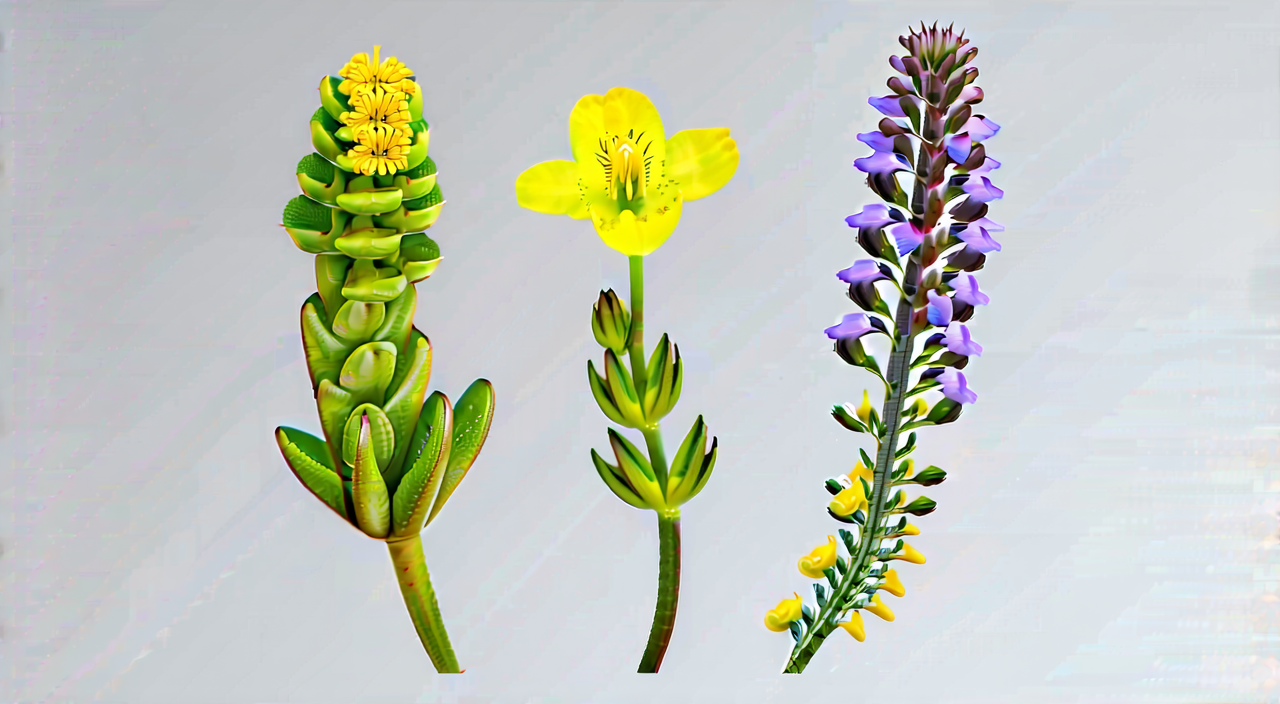
Herba Sedi, Fo Jia Cao, and Ban Zhi Lian can sometimes be confused in folk terminology, appearance, or discussions of traditional herbs. However, they are not the same plant, and their medicinal information cannot be used interchangeably.
| Plant | Key Identification Features | Main Difference from Herba Sedi |
|---|---|---|
| Herba Sedi | Trailing, succulent stems; leaves commonly arranged in whorls of three; narrowly lanceolate leaves; yellow five-petaled flowers | Characterized by the combination of trailing stems, fleshy leaves, and yellow five-petaled flowers |
| Fo Jia Cao | Stems and leaves are also relatively succulent, often spreading or growing in clumps; the arrangement and shape of the leaves may resemble those of Herba Sedi | The specific leaf arrangement, leaf shape, branching pattern, and floral characteristics differ. It cannot be identified simply by looking for “succulent” or “trailing” features |
| Ban Zhi Lian | Usually an upright or ascending herb, with flowers commonly purple, blue-purple, or tinged with purple; the flower shape is also different | It is not Herba Sedi, and its overall form, leaves, and flower color differ noticeably |
In actual identification, observe the stem growth pattern, whether the leaves are whorled, the shape and thickness of the leaves, the number and color of the petals, and the plant’s origin, while consulting botanical references. After drying, some identifying features become less distinct, making accurate identification from a small piece of herb even more difficult. For medicinal purposes, choose sliced medicinal herbs with clear labeling and compliant sourcing, or legally approved related preparations.
What Common Preparations Contain Herba Sedi?
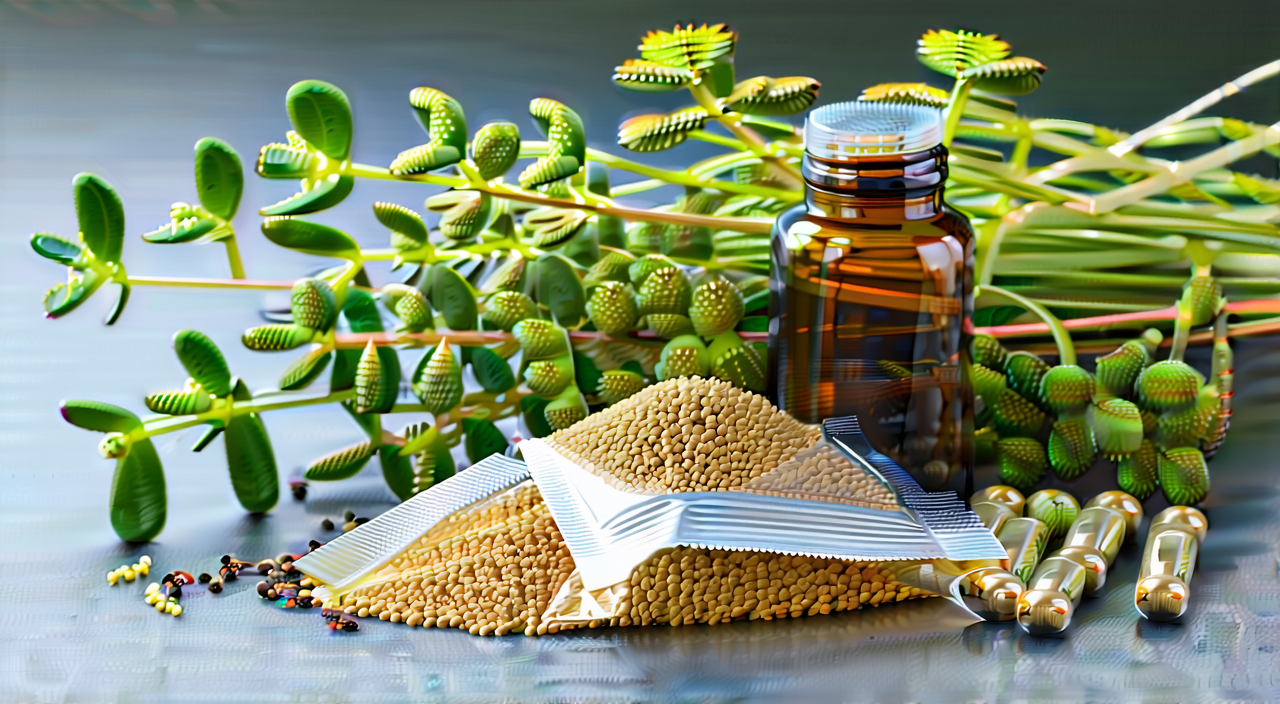
Common Herba Sedi-related products on the market include Herba Sedi granules, compound Herba Sedi granules, and other legally approved related preparations. Granules are generally convenient to portion and dissolve, while compound preparations may contain multiple herbs. Their exact ingredients, functions and indications, directions and dosage, and contraindications should be determined from the drug package insert and local regulatory information.
“Herba Sedi Granules” and “Compound Herba Sedi Granules” are not interchangeable versions of the same product. Even when product names are similar, approval information, specifications, excipients, and labeling may differ between manufacturers. Before choosing or using such a preparation, check the product name, approval information, expiration date, storage conditions, and intended user groups. Do not make a decision solely on the basis of online anecdotes, recommendations from others, or a single symptom.
These formulas or Chinese patent medicines are often used as part of traditional approaches for related concerns, but suitability still depends on individual constitution, symptoms, medical history, and current medications. When used in relation to abnormal liver function, proper testing and medical advice should take priority. If a rash, abdominal pain, diarrhea, nausea, or other discomfort develops after use, stop increasing the dose on your own and consult a professional.
What Precautions Should Be Taken When Using Herba Sedi?
First, people with a cold or weak digestive system, a tendency toward diarrhea, or a sensitive gastrointestinal tract should be especially cautious before use. Herbs traditionally considered to clear heat and promote urination to resolve dampness may not be suitable for prolonged, continuous, or high-dose self-use. If diarrhea, stomach discomfort, reduced appetite, or similar symptoms occur, stop self-use and monitor the situation. Seek professional advice when necessary.
Second, abnormal liver function should not be assessed solely through herbal medicine. Whether elevated markers are found during a health examination or symptoms such as jaundice, persistent fatigue, unusual urine color, abdominal pain, persistent vomiting, black stools, or weight loss occur, consult a doctor promptly. If these issues are accompanied by obvious palpitations, chest tightness, abnormal breathing, anxiety, or depressed mood, self-medication should not be used to delay evaluation.
Finally, avoid harvesting wild Herba Sedi from unknown sources, especially near roadsides, farmland, industrial areas, or locations where pesticides may have been used. People who are pregnant or breastfeeding, children, older adults, those taking multiple medications, and people with chronic liver or kidney disease should explain their full circumstances to a doctor or pharmacist before use. Suitability should be assessed comprehensively in light of the product information, individual circumstances, and professional advice.
Summary
Herba Sedi is a traditional Chinese medicinal herb used in the form of its fresh or dried whole plant. For identification, focus on its trailing succulent stems, fleshy leaves arranged in whorls of three, and yellow five-petaled flowers. It is not the same plant as Fo Jia Cao or Ban Zhi Lian, and Herba Sedi granules and compound preparations should be distinguished according to their specific labeling. This article is for educational reference only and cannot replace professional diagnosis or treatment advice.