
What Is Torreya Seed? Medicinal Parts, Identification, and Common Formulas
In the memories of many overseas Chinese, Xiangfei (Chinese torreya) is a small nut with a distinctive aroma and a hard shell that occasionally appears in snack plates during holidays. However, in the context of Chinese medicine, it refers not to the ready-to-eat roasted torreya found at snack stalls, but to Torreya seed (Fei Zi) that has undergone specific processing for medicinal use. This article will provide a clear reference from the perspectives of identification, medicinal parts, differences from similar herbs, and traditional formulas that use Torreya seed, for readers who wish to systematically understand this herb.
What Does Torreya Seed Look Like? How to Identify It?
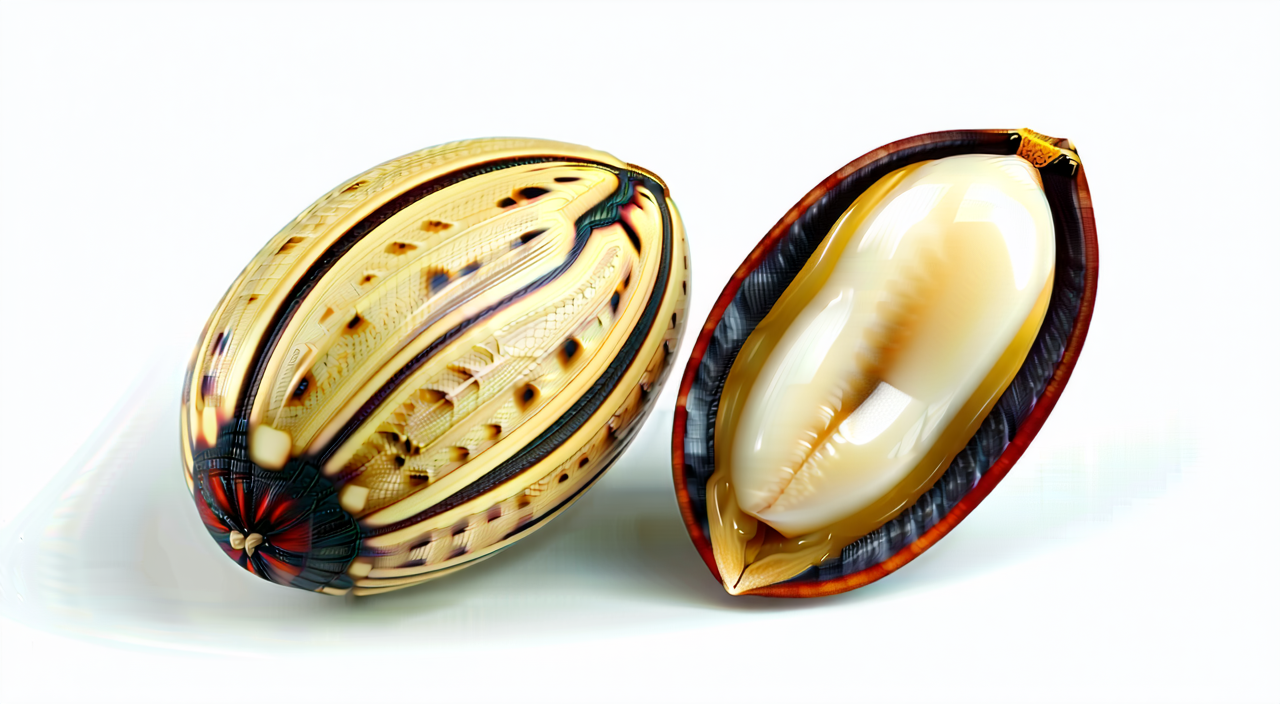
As a medicinal material, Torreya seed is the mature seed of Torreya grandis from the yew family. The whole seed is elongated ovoid or oval, about 2–4 cm long. The outer seed coat is usually removed during processing, so what we see in the pharmacy is mostly the hard, bony inner seed coat. The dried Torreya seed is yellowish-brown or dark brown, slightly lustrous, bluntly rounded at one end and slightly pointed at the other. Upon close inspection, there is usually a distinct longitudinal groove running from the tip to the base on the seed coat, which is an important feature distinguishing it from other similar seeds.
The shell is very hard and not easily broken. When cracked open, a reddish-brown or dark brown membranous inner seed coat can be seen. The kernel is yellowish-white or pale yellow, oily and dense in texture, with a unique oily fragrance. It tastes slightly sweet and somewhat astringent when chewed. If the kernel appears obviously darkened, or has a rancid or sour smell, the oil has oxidized and it should not be used as medicine or food.
What Is the Medicinal Part of Torreya Seed?
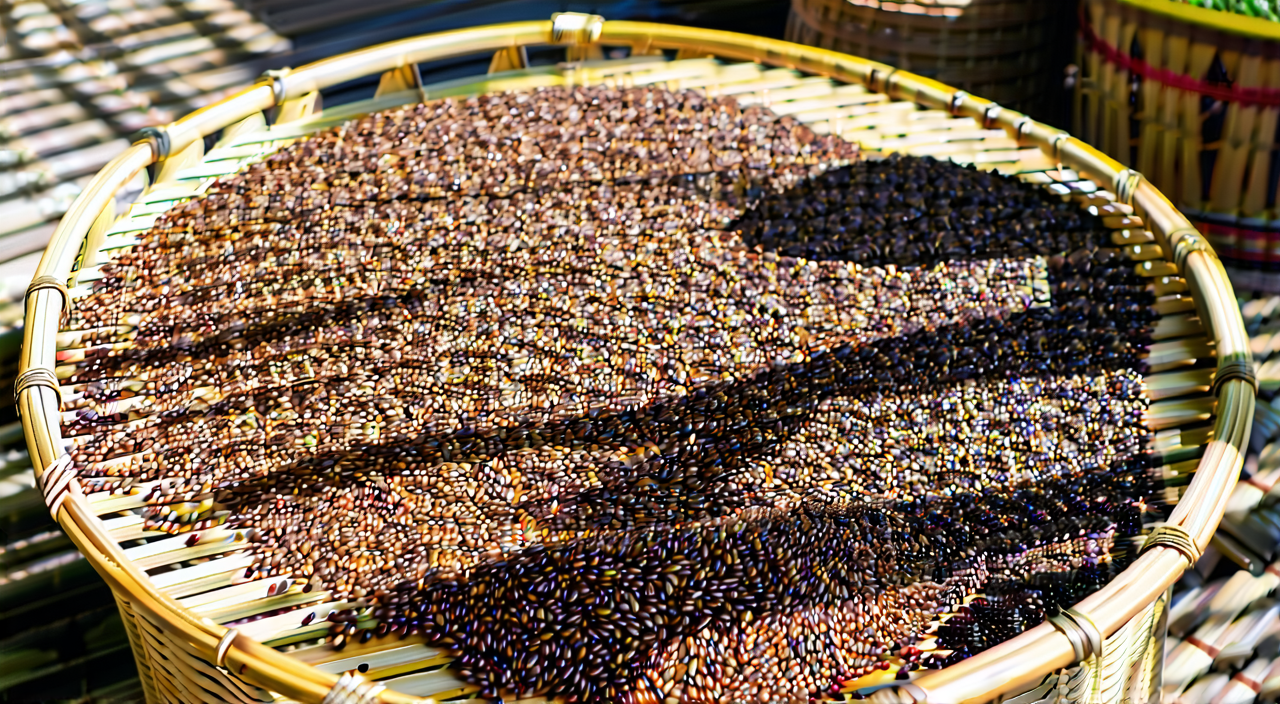
The medicinal part of Torreya seed is the dried mature seed of Torreya grandis. Harvesting traditionally occurs when the fruit ripens in autumn. The false aril is first rubbed off or removed by piling and fermentation, washed, and then sun-dried or dried over gentle heat. Next, the hard bony shell is cracked or peeled away to obtain the whole kernel. Sometimes the clean Torreya kernel is used directly; in other formulas, the seed may be kept with the shell to better preserve its oily constituents during decoction or dry-frying.
In everyday understanding, many people confuse edible torreya nuts with medicinal Torreya seed. Edible torreya nuts are often roasted, salted, or spiced, making them crispy and more of a snack, while medicinal Torreya seed emphasizes cleanliness, dryness, and retention of natural oils, with stricter control over moisture and impurities during processing. Therefore, even though they come from the same source, the selection and handling priorities differ according to the intended use.
How Does Traditional Chinese Medicine Understand Torreya Seed?
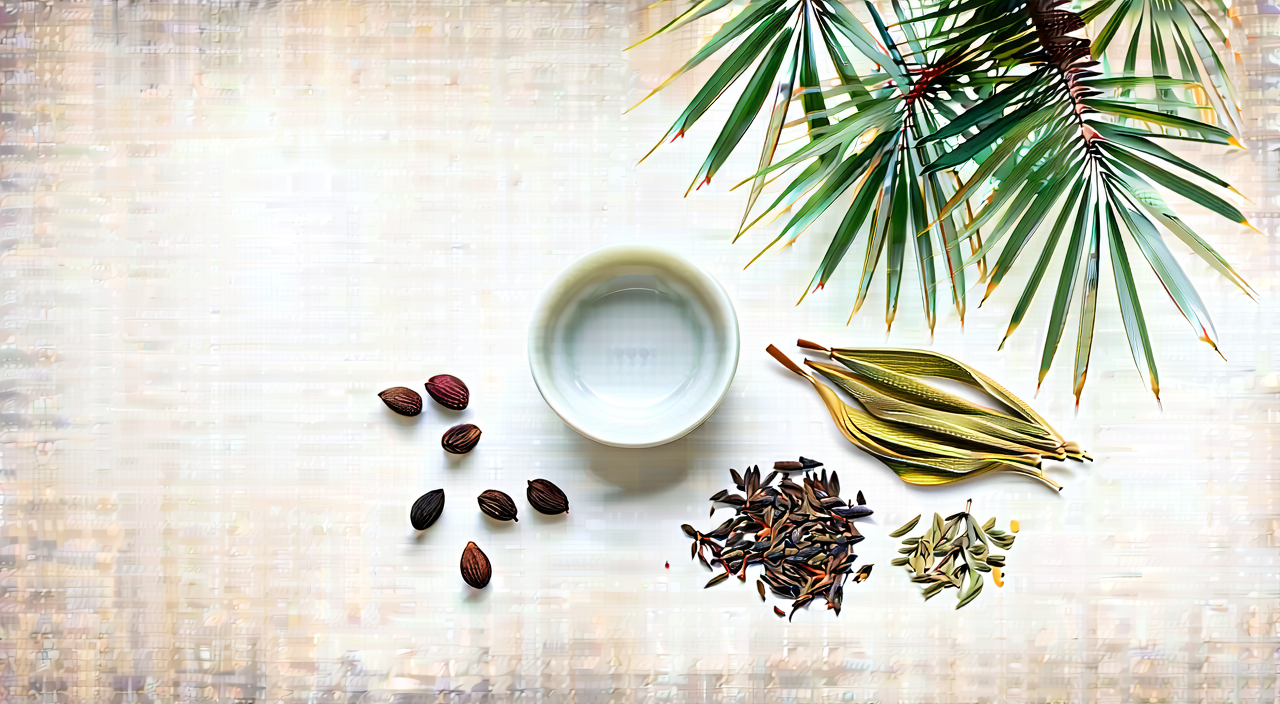
From the perspective of traditional Chinese medicine, Torreya seed is sweet in flavor, neutral in nature, and enters the Lung, Stomach, and Large Intestine meridians. Ancient records mainly focus on several directions. First, it is used for abdominal pain due to parasitic accumulation and is regarded as a gentle anthelmintic, especially effective in ‘killing’ and ‘expelling’ intestinal parasites such as roundworms, hookworms, and tapeworms. Second, it helps relieve cough due to lung dryness because it moistens the lungs without causing excessive greasiness, often serving as an auxiliary in formulas for moistening the lung and stopping cough. Third, it is used for dry constipation due to intestinal dryness, taking advantage of its rich oil content and moistening texture to lubricate the bowels, making it particularly suitable for those with a tendency toward dryness and dry stools as a reference direction.
It must be emphasized that these are only a compilation of traditional uses and ideas and do not mean that large doses can be taken on one’s own, nor that Torreya seed can replace modern medical anthelmintic treatment or systematic diagnosis. Whether it suits an individual and how it should be combined still needs to be determined by a professional based on the overall situation.
Brief Overview of Modern Pharmacological Research
Modern pharmacological research has noted that Torreya seed contains abundant fatty acids, proteins, sterols, and other components. Torreya seed oil can paralyze or inhibit the activity of various intestinal parasites, showing certain anthelmintic activity in vitro. Some studies have also found that its extracts have inhibitory effects on certain bacteria and fungi. In addition, components such as linoleic acid and oleic acid among the fatty acids may be consistent with its observed effects of moistening the intestines and lungs. However, most of these studies remain at the laboratory or preliminary stage and cannot be directly equated with clinical efficacy. Overall, modern research provides some supporting evidence for traditional applications, but more high-quality evidence is still needed.
How Does Torreya Seed Differ from Quisqualis Fruit and Pumpkin Seed?
All three herbs have traditionally been used for expelling parasites and resolving food accumulation, but they differ in origin, appearance, and usage. Torreya seed comes from the seed of Torreya grandis; it is elongated ovoid, with an oily kernel and a special aroma, neutral in nature and tending to moisten, addressing both lung-moistening and bowel-lubricating functions. Quisqualis fruit (Shi Jun Zi) comes from the mature fruit of the Quisqualis indica plant; it is ellipsoid or ovoid, with five longitudinal ridges. After drying, the outer skin is hard and contains a white kernel. A slight sweet smell may be noticed during decoction. It is traditionally used mainly for roundworm and pinworm problems in children, often combined with Areca nut. Pumpkin seed is the mature seed of Cucurbita moschata, broadly ovoid, flat, with a yellowish-white seed coat and a ridged edge. When peeled, a green radicle is visible. It is often decorticated and used as a dietary choice in folk practice.
In terms of identification, Torreya seed has a distinct longitudinal groove and high oil content; Quisqualis fruit has five ridges and is lighter in texture; pumpkin seed is flat and broad with a green radicle tip. The use of the three should also be distinguished: Torreya seed and pumpkin seed often appear as everyday snacks, but for medicinal use, dried forms without excessive seasoning should be chosen. Quisqualis fruit has some toxicity and should never be consumed casually but must be used under professional guidance with controlled dosage.
Which Formulas Use Torreya Seed?
In traditional formularies, Torreya seed is not typically the core ingredient of large complex formulas; it more often appears as a single herb or in small formulas, focusing on gently and steadily expelling parasites and moistening downward. The better-known ones are Torreya Powder and Torreya Pill.
Torreya Powder usually takes Torreya kernel as the main ingredient, sometimes combined with Areca nut and Carpesium fruit (He Shi). It is prepared as a powder and taken with warm water, mainly used to expel intestinal parasites. Traditional usage emphasizes taking it on an empty or semi-empty stomach so that the herb can directly contact the parasites. Torreya Pill, based on the powder, is further formed into pills with honey or paste, making it easier to store and administer. It also targets parasitic abdominal pain and is especially suitable for children or those who find powders unpalatable. In addition, in some empirical formulas for expelling parasites and resolving accumulation, Torreya seed may be combined with Quisqualis fruit, pumpkin seed, Chinaberry bark, Areca nut, and others, but the specific combination and proportion vary from person to person and cannot be generalized.
As part of traditional conditioning approaches, these formulas reflect the ancients’ diverse methods for expelling parasites. However, after a clear diagnosis of parasitic disease, it is still recommended to prioritize modern medical treatment principles.
What Precautions Should Be Taken When Using Torreya Seed?
Although Torreya seed is relatively gentle in nature, it is not suitable for everyone in large amounts or as a regular supplement. First, Torreya seed has a high fat content—oil can account for more than half of 100 grams of the kernel. Excessive intake can easily cause abdominal bloating, nausea, or diarrhea, especially in those with spleen-stomach weakness and loose stools. Second, people allergic to tree nuts need to be particularly careful; some have experienced oral or skin reactions after eating torreya nuts, so a small amount should be tried initially for observation. In addition, children’s organs are delicate, so the dosage must be reduced; it should never be the same as an adult’s and must be used under the guidance of a knowledgeable professional.
It is especially important to note that if severe, long-lasting, or recurrent symptoms suggestive of parasitic infection occur—such as abdominal pain, weight loss, anemia, anal itching—or if there are significant accompanying symptoms like anxiety, palpitations, or difficulty breathing, do not rely on Torreya seed or formulas containing it to manage the condition on your own. Seek medical attention promptly so that a doctor can provide a clear diagnosis and a standardized treatment plan. This herb and its related formulas are only provided as a direction for understanding traditional knowledge and cannot replace standard medical measures.
Summary
Torreya seed is an herb that has journeyed from a traditional snack into the medicine cabinet. Its core value lies in obtaining the oily kernel from the mature seed of Torreya grandis, and in traditional Chinese medicine it is often used to expel parasites and resolve accumulation, moisten the lungs, and lubricate the bowels. When identifying it, look for the elongated ovoid shape, the longitudinal groove on the yellowish-brown seed coat, and the hard shell, which can help differentiate it from Quisqualis fruit and pumpkin seed. Regardless of whether it is considered as a supplementary conditioning option, one must fully understand its high oil content and allergy potential and seek professional diagnosis when necessary; large amounts should not be consumed blindly, nor should it be used to replace standard medical treatment. The information in this article is for educational reference only and cannot substitute for a doctor’s judgment and advice.