
What Is Sichuan Pepper? Medicinal Parts, Identification, and Common Formulas Explained
Sichuan pepper is a common pungent spice in the kitchen, its unique numbing sensation leaving a deep impression. But in Chinese medicine, Sichuan pepper is also a long-used medicinal herb, with its medicinal part being the dried mature pericarp of Zanthoxylum bungeanum or Z. schinifolium. Many people wonder: Is medicinal Sichuan pepper the same as the seasoning? Are its seeds useful? What does Sichuan pepper look like, and how is it distinguished from black pepper and Evodia? This article will sort out key information about Sichuan pepper from aspects such as identification methods, medicinal parts, traditional understanding, and common formulas.
What Does Sichuan Pepper Look Like? How to Identify It?
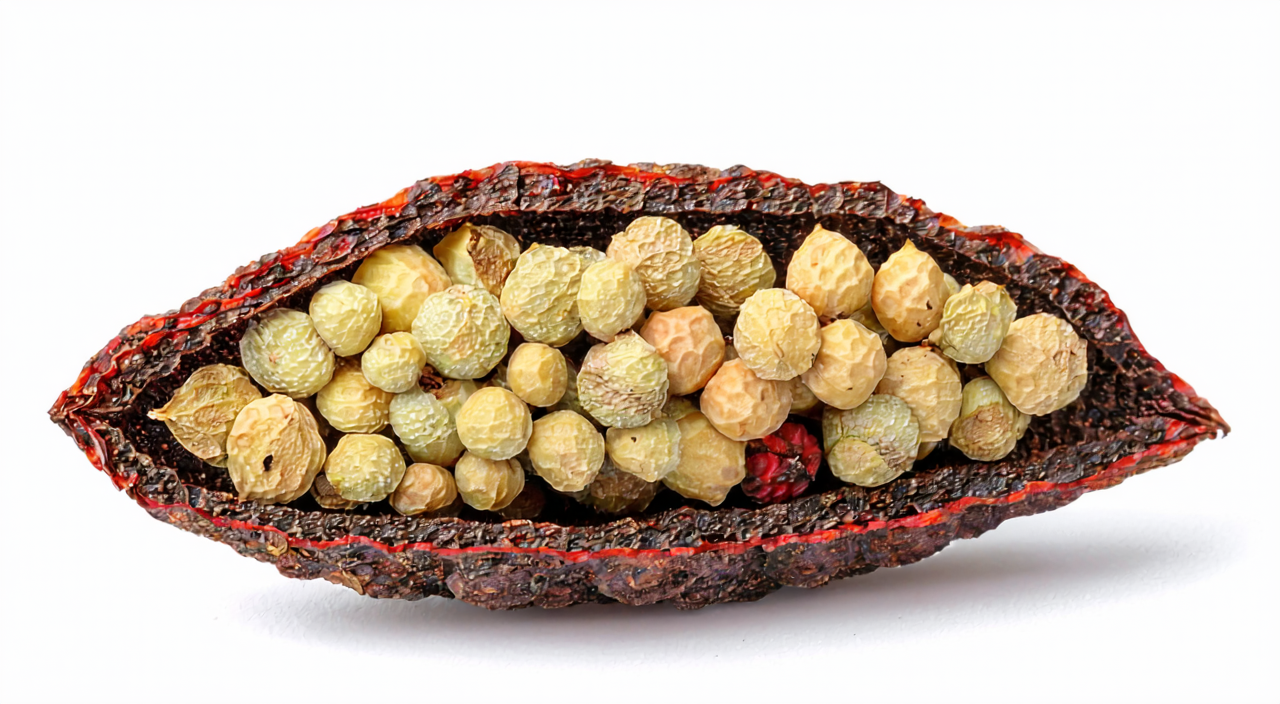
The medicinal Sichuan pepper is mostly the pericarp of follicles, often single and detached or connected at the base. The outer surface is reddish-brown to purplish-red, scattered with many raised oil dots, which are the main source of its numbing taste. The inner surface is light yellow, smooth, or with fine longitudinal striations. The pericarp usually splits along the ventral suture, and remnants of the detached black seeds can be seen. Sichuan pepper has a strong, distinctive numbing fragrance and a markedly numbing sensation upon tasting. When selecting, those with intact pericarps, abundant oiliness, strong aroma, and no impurities are preferred. If you see unopened fruits or dark-colored pieces, it may indicate insufficient drying or prolonged storage.
What Is the Medicinal Part of Sichuan Pepper?
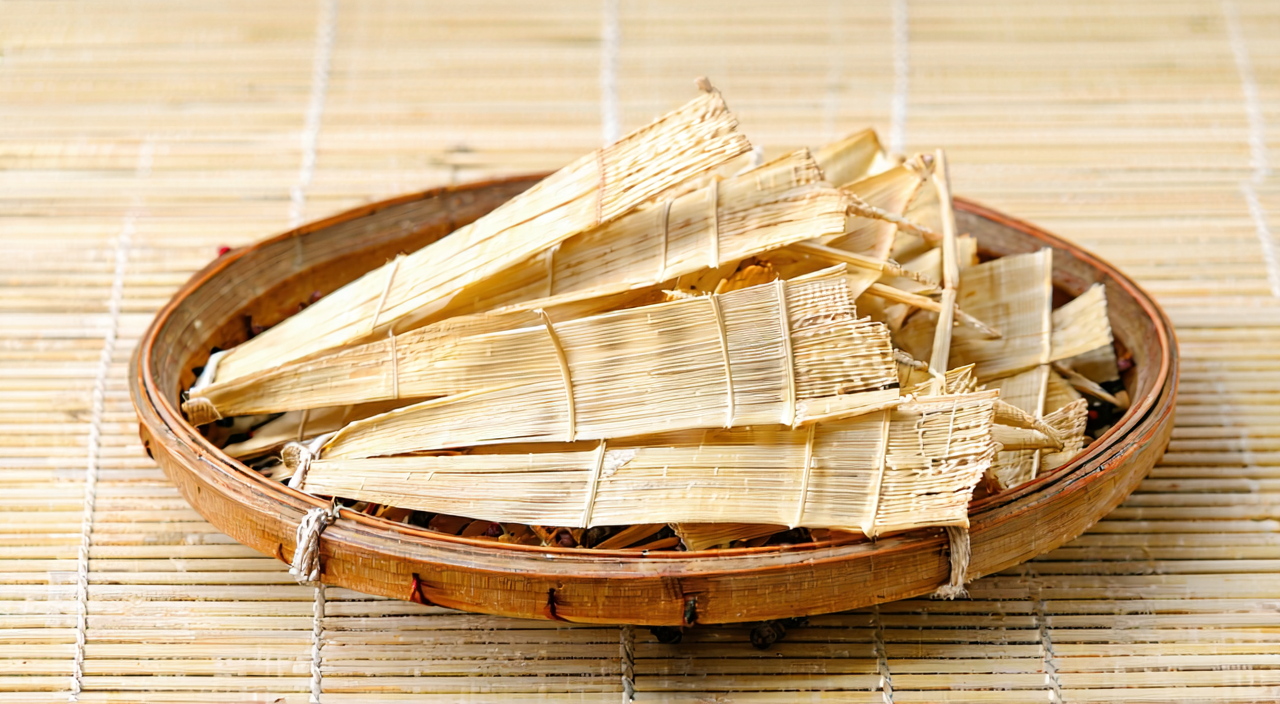
The medicinal part of Sichuan pepper is clearly defined as the mature pericarp. When harvesting, the fruit clusters are typically cut after the fruits mature, dried in the sun or shade, and then the seeds and impurities are removed, retaining only the clean pericarp for medicinal use. Here, a distinction must be made: the common seasoning Sichuan pepper is also the pericarp but may contain a few seeds; medicinal Sichuan pepper requires higher purity, with the seeds removed, known as “Jiaomu”. Jiaomu is the black, round seed of Sichuan pepper; it has separate applications in Chinese medicine, often used for promoting diuresis and relieving asthma, so Sichuan pepper and Jiaomu are two different medicinal materials and should not be confused. In addition, Sichuan pepper oil or essential oil is mostly extracted from the pericarp, which differs from decocting the pericarp directly or using it in pills and powders.
How Does Chinese Medicine View Sichuan Pepper?
In traditional Chinese medicine theory, Sichuan pepper is acrid and warm, entering the spleen, stomach, and kidney meridians. Its main actions are often summarized as “warming the middle and relieving pain” and “killing parasites and relieving itching”. “Warming the middle and relieving pain” means its acrid-warm nature helps dispel cold pathogens in the middle burner. For abdominal cold pain, stomach pain, or diarrhea that worsens upon encountering cold, ancient formulas combine Sichuan pepper to warm the spleen and stomach and alleviate pain. “Killing parasites and relieving itching” is commonly used externally; for instance, Sichuan pepper decoction as a wash can be applied for abdominal pain caused by roundworms or eczema itching. Additionally, Sichuan pepper is believed to expel roundworms, and it appears in some anthelmintic formulas. However, it must be emphasized that these are summaries of traditional experience; each individual’s condition varies, and whether it is suitable still depends on the person’s constitution and the judgment of a professional.
What Has Modern Research Discovered?
Modern research has mainly explored its chemical constituents. The pericarp is rich in volatile oils, alkaloids, and amides, among which hydroxy-α-sanshool and similar components are closely related to the numbing sensation. Preliminary studies show that Sichuan pepper extracts exhibit certain activity against some bacteria and fungi and may also have anti-inflammatory, analgesic, and gastrointestinal motility-regulating tendencies. However, these findings mostly remain at the laboratory or animal study level and cannot be directly equated to effects in the human body. Therefore, in modern health care, Sichuan pepper is more regarded as a potential natural ingredient, and related applications still require more high-quality human studies for support.
How Does Sichuan Pepper Differ from Black Pepper and Evodia?
Although these three pungent materials all bring a warming sensation, their botanical sources, physical characteristics, and traditional applications differ. Sichuan pepper is the pericarp of Zanthoxylum bungeanum or Z. schinifolium from the Rutaceae family, appearing as a split follicle, reddish-brown or purplish-red, with distinct oil dots and a numbing sensation. Black and white pepper come from Piper nigrum (Piperaceae): black pepper is the dried unripe fruit, while white pepper is the mature seed with the pericarp removed, both spherical, grayish-white or blackish-brown, aromatic and spicy with a weaker numbing sensation. Evodia is derived from the nearly ripe fruit of Evodia rutaecarpa and other species of Rutaceae, often consisting of several small fruitlets aggregated together, dark yellowish-green or purplish-brown, with a special aroma and a pungent, bitter taste. Traditionally, Sichuan pepper tends to warm the middle, disperse cold, and relieve pain; pepper tends to warm the middle, descend qi, and resolve phlegm; Evodia tends to disperse cold, relieve pain, descend rebellious qi, and stop vomiting. The three should not be used interchangeably, and identification is necessary when using them.
Which Formulas Use Sichuan Pepper?
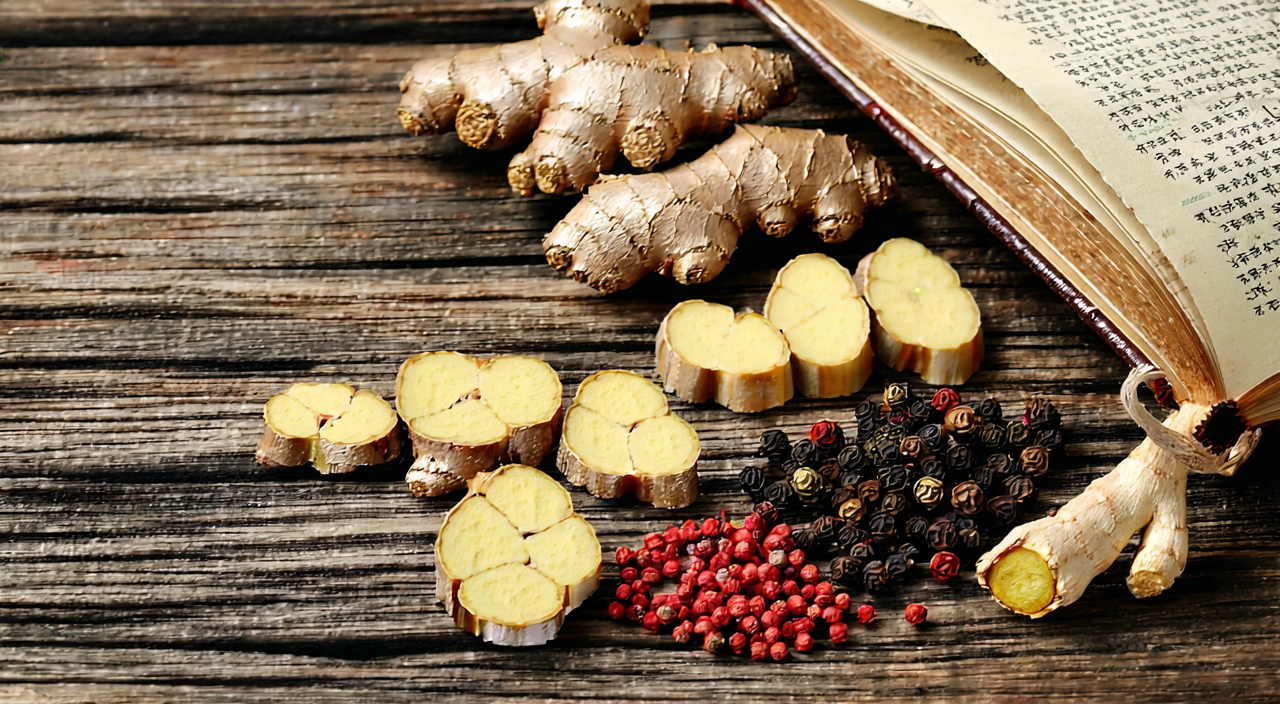
Sichuan pepper, as a traditional medicinal material, commonly appears in the following formulas, but specific applications must fit the pattern presentation.
- Da Jian Zhong Tang (Major Constructing the Middle Decoction): Originating from the Essentials from the Golden Cabinet, it combines Shu Jiao (a type of Sichuan pepper) with dried ginger, ginseng, and maltose (yitang) for severe abdominal pain and vomiting caused by yang deficiency in the middle and internal exuberant cold. In modern applications, it is used in the management of cold-type gastrointestinal spasms or chronic abdominal pain.
- Wu Mei Wan (Mume Pill): From the Treatise on Cold Damage, it contains Sichuan pepper, mume, coptis, phellodendron, etc., often used for roundworm reversal syndrome or chronic dysentery. Here, Sichuan pepper mainly warms the viscera and quiets roundworms.
- Jiao Mei Tang: A modification based on Wu Mei Wan, highlighting the combination of Sichuan pepper and mume, often used for mixed cold and heat with roundworm-induced abdominal pain.
- Hua Jiao San (Sichuan Pepper Powder): An external formula, often consisting of Sichuan pepper alone or with a few other herbs ground into powder, applied mixed with oil or used as a wash, for eczema itching, toothache due to decay, etc.
The above formulas are only examples of traditional medication approaches. In actual practice, they must be modified by a professional according to the individual’s constitution and symptoms, and self-application is not recommended.
What Precautions Should Be Taken When Using Sichuan Pepper?
Sichuan pepper is common, but several aspects need attention. First, people with yin deficiency and fire exuberance constitution, such as those often experiencing dry mouth, hot palms, and night sweats, should use it cautiously, as its acrid-warm nature may aggravate internal heat. Second, Sichuan pepper can irritate the gastrointestinal tract; consuming large amounts on an empty stomach or drinking overly concentrated decoctions may cause stomach discomfort, and those with chronic gastritis or peptic ulcers should control dosage. Third, a very small number of people may be allergic to Sichuan pepper, developing rashes or laryngeal edema; when using Sichuan pepper essential oil or topical preparations, it is advisable to test on a small skin area first. Additionally, heavy use of Sichuan pepper as a seasoning in daily diets, such as in numbing-spicy hot pot or boiled fish, can easily lead to excessive intake of fats and sodium, which is detrimental to overall health, so moderation is key. Finally, pregnant and breastfeeding women should consult a professional before using Sichuan pepper or related preparations.
Summary
As a pungent material used both as food and medicine, Sichuan pepper’s medicinal part is the mature pericarp, which differs from the seed (Jiaomu). It can be identified by its split reddish-brown pericarp, oil dots, and strong numbing fragrance. In traditional Chinese medicine, Sichuan pepper is commonly used to warm the middle and relieve pain, kill parasites, and relieve itching, appearing in formulas such as Da Jian Zhong Tang and Wu Mei Wan, but it must be applied according to body constitution differentiation. Whether in daily seasoning or understanding it as a herbal medicine, paying attention to issues such as yin deficiency with internal heat and gastrointestinal irritation helps to treat this traditional herb more reasonably. This article is for popular science reference only and cannot replace professional diagnosis or treatment advice.