
What Is Hua Ju Hong? Medicinal Parts, Identification, and Common Preparations
Many people encounter Hua Ju Hong when learning about coughs, phlegm-dampness, or traditional Chinese medicinal materials. Some also confuse it with Ju Hong or Chen Pi. Although Hua Ju Hong belongs to the same broad category of citrus-derived medicinal materials, it has distinctive characteristics in terms of source, appearance, and the part used medicinally. To understand what Hua Ju Hong is, it is helpful to begin with its botanical source, the layers of its peel, and its processed form, then consider how traditional Chinese medicine understands its traditional applications.
What Does Hua Ju Hong Look Like, and How Can It Be Identified?
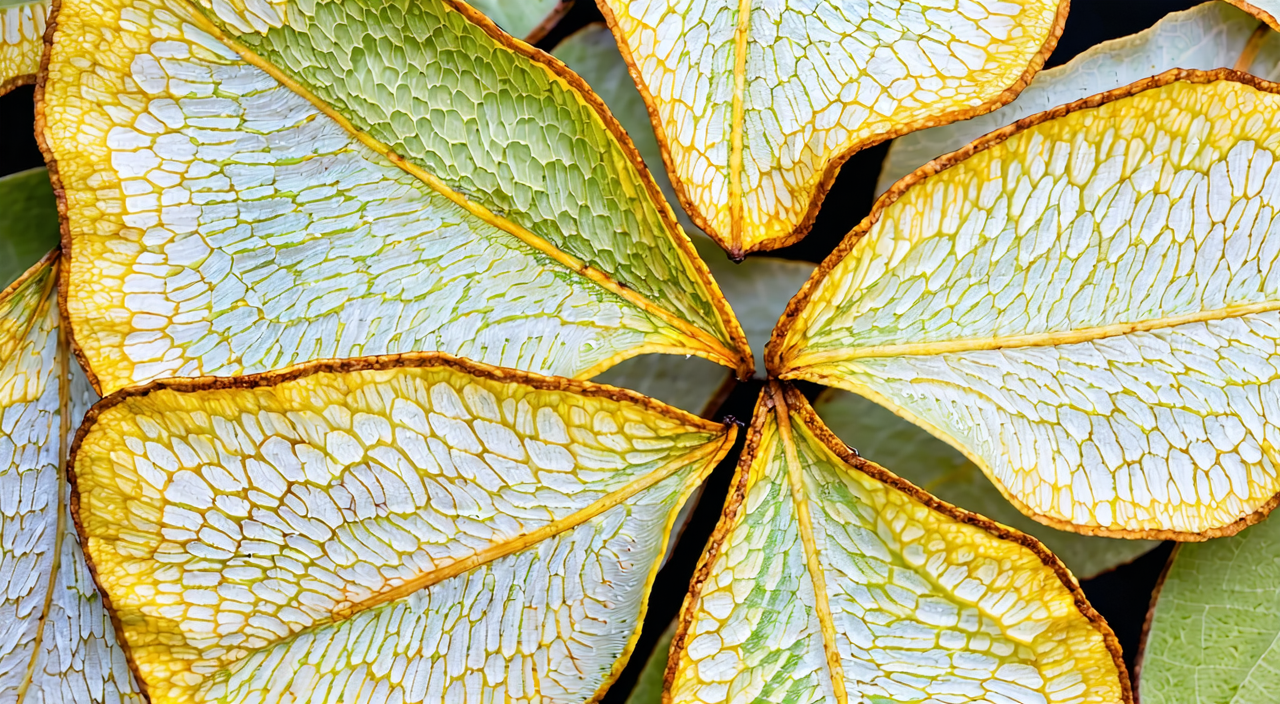
Hua Ju Hong comes from the outer peel of immature or nearly mature fruit of the Huazhou pomelo, a plant in the Rutaceae family. The medicinal material is usually not an entire peel but consists of slices or segments produced by peeling, cutting, and drying. A common form on the market is made by folding the peel and processing it into seven-pointed or five-pointed slices. As a result, the pieces often appear curved, folded, or segmented, while their thickness may vary according to the harvest time and cutting method.
Key Appearance Characteristics
First, the color is usually yellow-green, yellowish-white, or yellow-brown. Freshness, drying conditions, and storage environment can all affect the surface color, so color intensity alone cannot determine quality. Second, the outer surface usually has relatively dense fine hairs, which are one of the more representative identification features of Hua Ju Hong. The hairs may not be evenly distributed, and some may fall off during processing, transportation, or friction.
Third, the cut or broken surface may reveal a white to pale-yellow inner layer. Hua Ju Hong primarily consists of the outer peel and usually retains a certain thickness of the white inner layer, but it should not simply be understood as the entire peel of a pomelo. Fourth, it often has a distinct fresh pomelo or citrus fragrance, which may become more noticeable after infusion or decoction. It is important to note that many citrus peels have a similar appearance. Identification based solely on online images or smell is not reliable; before purchasing or using the product, pay attention to its legitimate source, packaging information, and professional identification advice.
What Is the Medicinal Part of Hua Ju Hong?
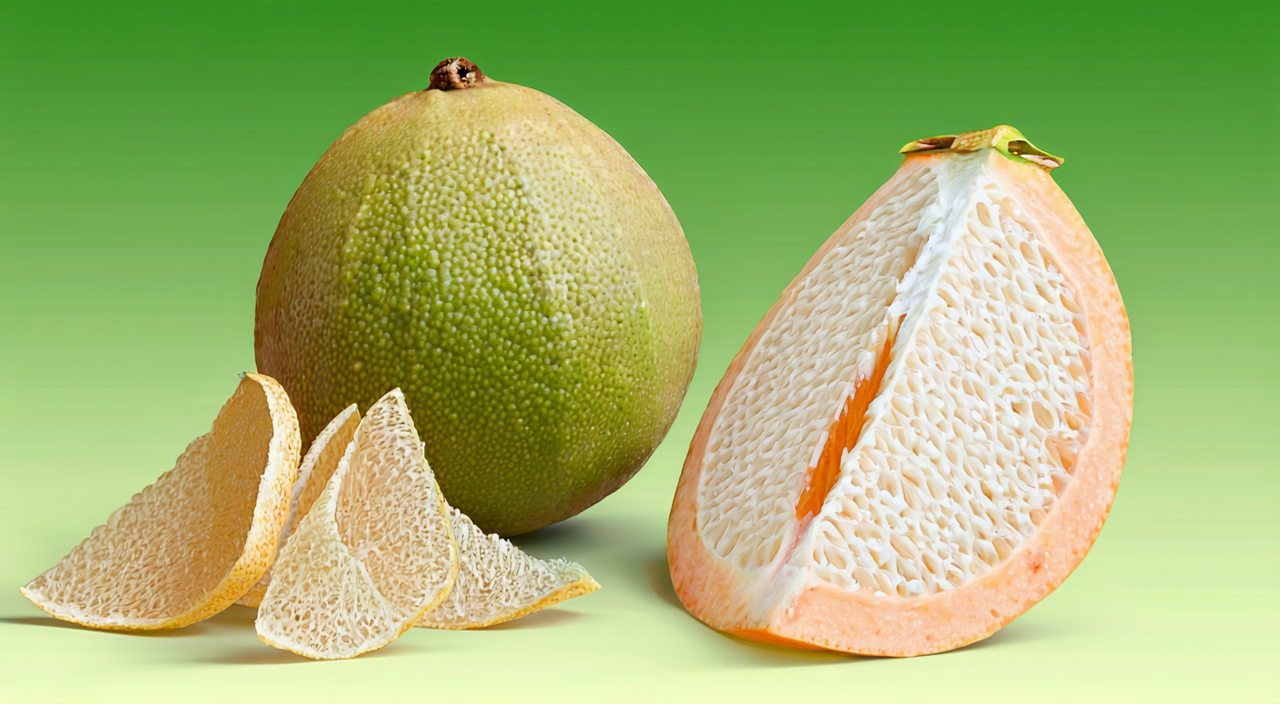
The medicinal part of Hua Ju Hong is mainly the outer peel of immature or nearly mature Huazhou pomelo fruit, meaning the outermost part of the peel. After harvesting, it is generally peeled, cut, and dried to produce slices, segments, or irregular pieces. Differences in growing region, harvest period, and processing method may affect the color, thickness, amount of retained hairs, and aroma.
Botanically, the peel can be broadly divided into an outer layer rich in oil glands and a relatively thick white inner layer. Traditional medicinal use emphasizes the outer peel and is not equivalent to the intact peel left after eating a pomelo. Home-collected peel may also be affected by washing, pesticide residues, mold, or insufficient drying during long-term storage. Therefore, homemade peel should not be directly treated as standardized medicinal material.
When identifying it, consider its source, appearance, hairs, aroma, and processed form together. If the material’s name, origin, or ingredient labeling is unclear, or if it shows signs of moisture, mold, or an unusual odor, stop using it and consult a pharmacist or another qualified professional.
How Does Traditional Chinese Medicine Understand Hua Ju Hong?
Traditional Chinese medicine commonly understands Hua Ju Hong in terms of regulating qi, broadening the middle, drying dampness, and transforming phlegm. In simple terms, regulating qi and broadening the middle are used to explain patterns involving impaired qi movement in the chest and abdomen, abdominal fullness, or a feeling of stuffiness in the upper abdomen. Drying dampness and transforming phlegm are often used to describe patterns involving damp phlegm, excessive phlegm, chest tightness, or cough with sticky phlegm. These are traditional concepts within Chinese medicine and are not diagnoses of any specific disease or individual symptom.
The role of Hua Ju Hong in different formulas or proprietary Chinese medicines may also vary. Some combinations focus more on regulating qi, while others also address directions such as diffusing the lung, strengthening the spleen, or moistening dryness. Therefore, the name of the herb alone cannot be used to assume that every product containing Hua Ju Hong is suitable for the same people. Traditional Chinese medicine pattern differentiation may also consider the nature of the phlegm, how long the cough has lasted, dry mouth, gastrointestinal reactions, tongue appearance, and overall constitution.
If coughing or coughing up phlegm persists for a long time or repeatedly returns, or if it is accompanied by fever, shortness of breath, chest pain, coughing up blood, marked fatigue, or other symptoms, consult a doctor promptly. Do not rely solely on Hua Ju Hong or another single medicinal herb to assess the condition yourself.
What Areas Can Modern Research Focus On?
Modern research generally examines the volatile compounds, flavonoids, and other phytochemicals in Hua Ju Hong, using methods such as compositional analysis, in vitro experiments, or animal studies to observe potential effects. This research can help clarify the characteristics, quality control, and possible activity directions of the material. However, experimental results do not confirm efficacy in humans and cannot replace appropriate clinical evaluation.
The content of different compounds in Hua Ju Hong samples may be affected by plant variety, maturity, growing region, harvest time, processing, and storage conditions. Therefore, regional characteristics or the content of particular compounds can only provide one perspective for understanding the material and cannot independently be equated with actual effects in use. When reading related information, consumers should distinguish among traditional experience, experimental research, and clinical evidence, and avoid overextending the conclusions of individual studies.
What Are the Differences Between Hua Ju Hong, Ju Hong, and Chen Pi?
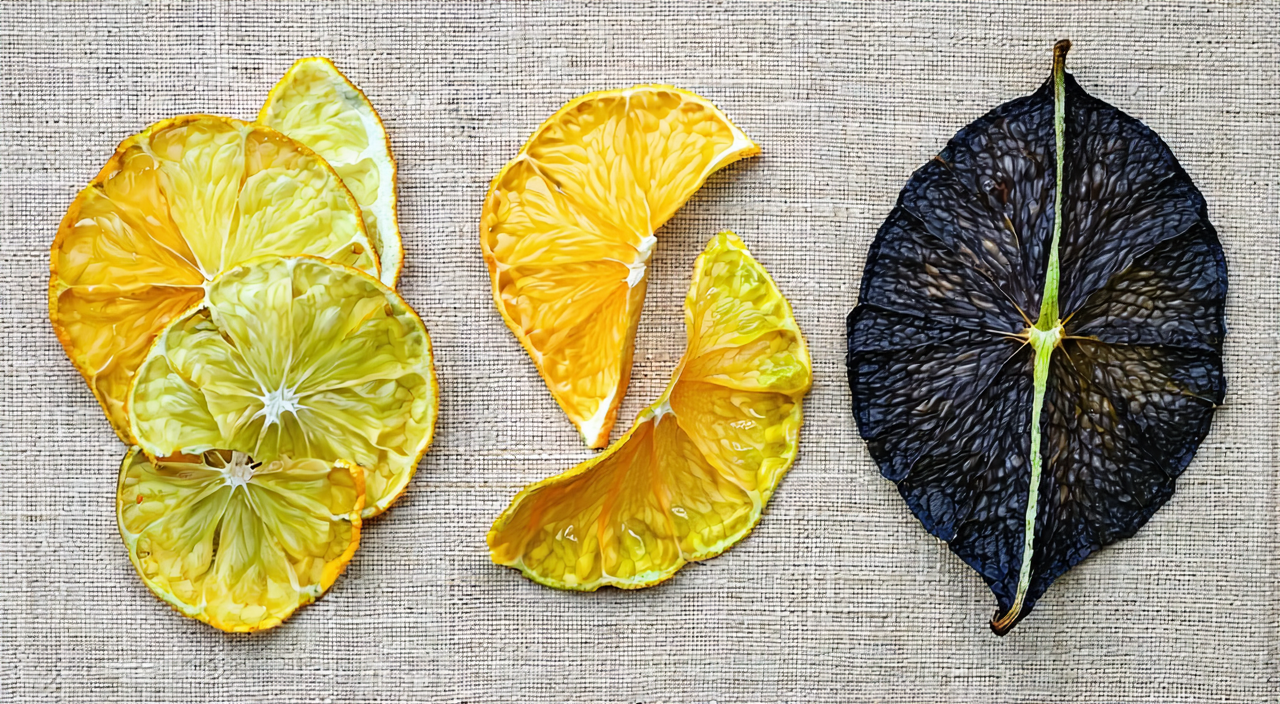
Hua Ju Hong, Ju Hong, and Chen Pi are all related to citrus peels, but they are not the same medicinal material. Hua Ju Hong mainly comes from the outer peel of immature or nearly mature Huazhou pomelo fruit. Its surface often has prominent fine hairs, and it is commonly processed into folded seven-pointed or five-pointed slices.
Ju Hong generally refers to the dried outer layer of the fruit peel of citrus plants in the Rutaceae family, commonly including mandarins or cultivated varieties. Compared with Hua Ju Hong, Ju Hong may have a different range of sources and appearance, and its hairs may not be as obvious. Chen Pi usually refers to mature citrus peel that has been dried and aged under certain conditions. Its common characteristics include gradually darkening color and an aroma that changes from fresh and bright to relatively mellow, although its specific appearance is influenced by variety and storage.
| Comparison | Hua Ju Hong | Ju Hong | Chen Pi |
|---|---|---|---|
| Primary source | Outer peel of immature or nearly mature Huazhou pomelo fruit | Outer peel of citrus fruit | Mature citrus peel, dried and aged |
| Appearance | Commonly folded seven-pointed or five-pointed slices with relatively dense hairs | Shapes and sources vary; hairs are not necessarily prominent | Commonly curled or sliced; color is related to the degree of aging |
| Traditional application direction | Regulating qi, broadening the middle, drying dampness, and transforming phlegm | Regulating qi, drying dampness, and transforming phlegm, among other traditional applications | Regulating qi, strengthening the spleen, drying dampness, and transforming phlegm, among other traditional applications |
The table is intended only to provide an initial understanding and should not be used as the sole basis for authenticating a product. Accurate differentiation should consider the medicinal material’s source, physical characteristics, identification testing, and professional advice.
What Common Preparations Contain Hua Ju Hong?
Hua Ju Hong or Ju Hong-related ingredients are commonly found in some proprietary Chinese medicines and compound preparations. The ingredients, dosage forms, amounts, and intended uses of different products may vary. The following information is provided only to explain product categories and is not a personal medication recommendation.
Ju Hong Wan
Ju Hong Wan is one traditional proprietary Chinese medicine dosage form that includes Ju Hong-type medicinal materials among its related ingredients. It is usually combined with other herbs and is traditionally used in directions associated with phlegm-heat, cough, or impaired lung qi. The specific ingredients and instructions should be based on the package insert for the product purchased. Products from different manufacturers should not be considered identical simply because their names are similar.
Hua Ju Hong Tablets
Hua Ju Hong tablets generally use Hua Ju Hong as a primary related ingredient and are made into tablets for convenient carrying and use according to the instructions. Whether they are appropriate for an individual depends on the nature of the symptoms, constitution, medical history, and product labeling. If the cause of the symptoms is unclear or other medicines are being used, do not add this product based solely on the name of the medicinal herb.
Ju Hong Tan Ke Oral Liquid
Ju Hong Tan Ke oral liquid is a liquid preparation whose name generally reflects traditional application directions related to Ju Hong and cough with phlegm. A liquid dosage form is not necessarily more suitable for a particular group, nor does it replace a doctor’s evaluation of persistent or recurrent coughing. Before use, read the ingredients, contraindications, precautions, and directions for use and dosage. Children and people who are pregnant or breastfeeding should consult a qualified professional first.
What Precautions Should Be Taken When Using Hua Ju Hong?
Traditionally, Hua Ju Hong is considered relatively drying and qi-regulating. People with yin deficiency and dry cough, marked throat dryness, or scanty and difficult-to-expectorate phlegm should be assessed carefully before use. Not every cough should be attributed to a damp-phlegm pattern. People who are prone to stomach discomfort, acid reflux, or excessive stomach acid should also monitor whether heartburn, acid regurgitation, stomach pain, or other changes occur after use, and consult a doctor or pharmacist when necessary.
Citrus medicinal materials and preparations containing citrus ingredients may interact with medicines or supplements a person is taking, or may create a risk of duplicate use. People taking prescription medicines or anticoagulant-related medicines, or those requiring long-term management of a chronic condition, should proactively provide a professional with a complete medication list. Do not judge whether something is suitable for long-term use solely because it is described as “natural” or “traditional.”
In addition, regional reputation, the amount of surface hair, color intensity, and descriptions of ingredients in promotional materials cannot independently guarantee efficacy or quality. Choose products with complete information, a legitimate source, and clear packaging and labeling, and use them according to the instructions. Seek medical attention promptly if abnormal breathing, chest tightness, palpitations, persistent vomiting, black stools, or noticeable weight loss occurs, or if a cough does not improve over a long period or repeatedly returns. This article is provided for general educational reference about Chinese medicinal materials and cannot replace professional diagnosis or treatment advice.
Summary
Hua Ju Hong mainly consists of the outer peel of immature or nearly mature Huazhou pomelo fruit. Common features include folded seven-pointed or five-pointed slices, dense surface hairs, and a distinct pomelo fragrance. It differs from Ju Hong and Chen Pi in botanical source, maturity, peel layers, and processing methods, while related proprietary Chinese medicines have their own formulas and precautions. Whether it is suitable for use should be determined based on an individual’s constitution, symptoms, product instructions, and professional advice.