
What Is Chinese Fevervine? Medicinal Parts, Identification Methods, and Common Formulas
When people hear the name “Chinese fevervine” (ji shi teng), their first reaction is often that it sounds unusual. It is indeed related to smell—rubbing the leaves or stems releases an odor similar to chicken droppings, which is how it got its name. Yet in folk tradition, Chinese fevervine has a long history of use, often mentioned for aiding digestion, resolving phlegm, and relieving pain. This article will walk through its visual identification, medicinal parts, how traditional Chinese medicine views it, and how it differs from spatholobus stem, all in an accessible way to help you build a clear picture.
How to Identify Chinese Fevervine
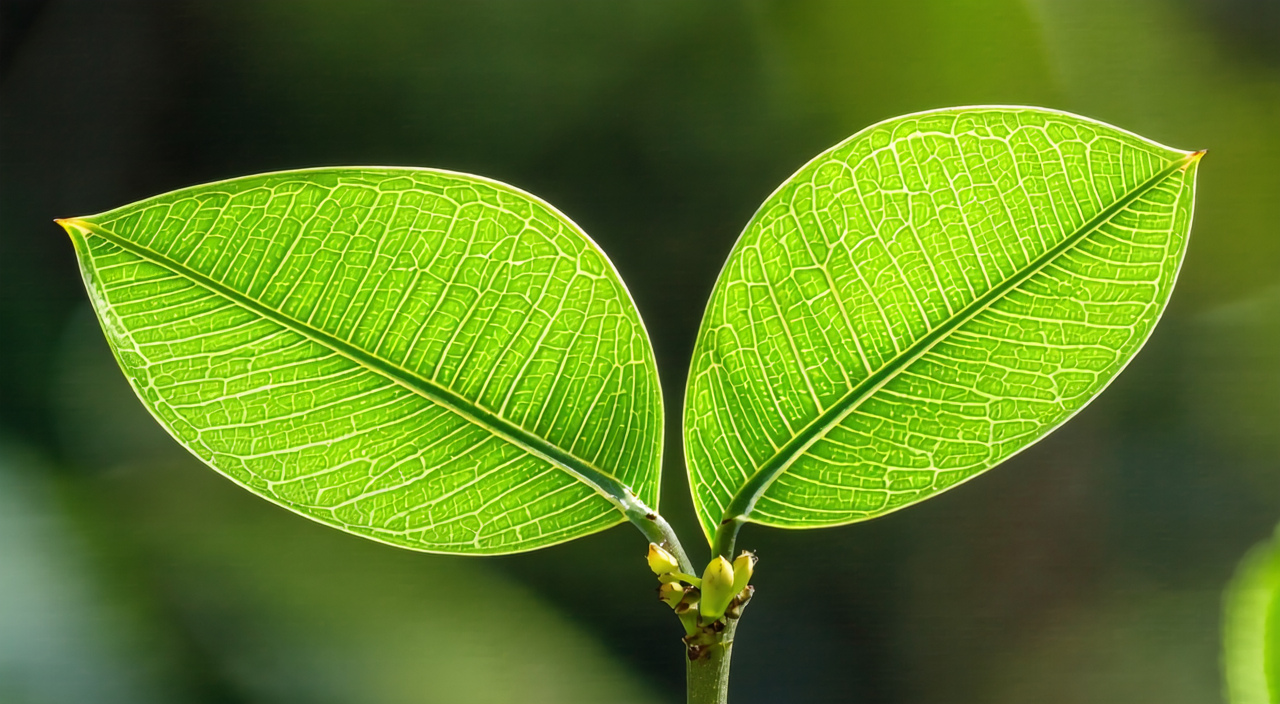
Chinese fevervine is a perennial herbaceous vine in the Rubiaceae family. It is often seen twining around shrubs or fences in the wild. A few typical features make it easy to recognize:
Twining Growth and Stem Nodes
The stem twines around supports and can climb over other plants, sometimes reaching several meters in length. The stems are relatively slender; young stems are often green or slightly purplish, while older stems become somewhat woody. The nodes are slightly swollen and can be felt when touched.
Opposite Leaves
The leaves are an important clue for identification. They are opposite, meaning two leaves grow symmetrically at each node. The leaf shape is generally ovate, ovate-lanceolate, or broad-lanceolate, with a tapering tip and a rounded or shallowly heart-shaped base. The leaf surface is green, glabrous on both sides or with only sparse short hairs. The veins are fairly distinct, and the lateral veins are slightly raised on the underside. The leaves are soft in texture, not stiff like some other vines.
Distinctive Smell
The most memorable feature of Chinese fevervine is its distinctive smell. Crushing the leaves or young stems releases a scent very similar to chicken droppings, which often leaves a strong first impression. The odor is more noticeable when the plant is fresh; after drying, it becomes much milder and may even carry a faint, pleasant fragrance. Therefore, smelling a fresh specimen is a reliable identification method.
Flowers and Fruits
The flowers are cymes, axillary or terminal, with a tubular corolla that is greyish-white outside and purplish-red inside. Blooming usually occurs in summer and autumn. The fruit is spherical, light yellow or yellowish-brown when ripe, and small in diameter. In practice, most people rely on the vine habit, opposite leaves, and smell to identify the plant.
What Are the Medicinal Parts of Chinese Fevervine?
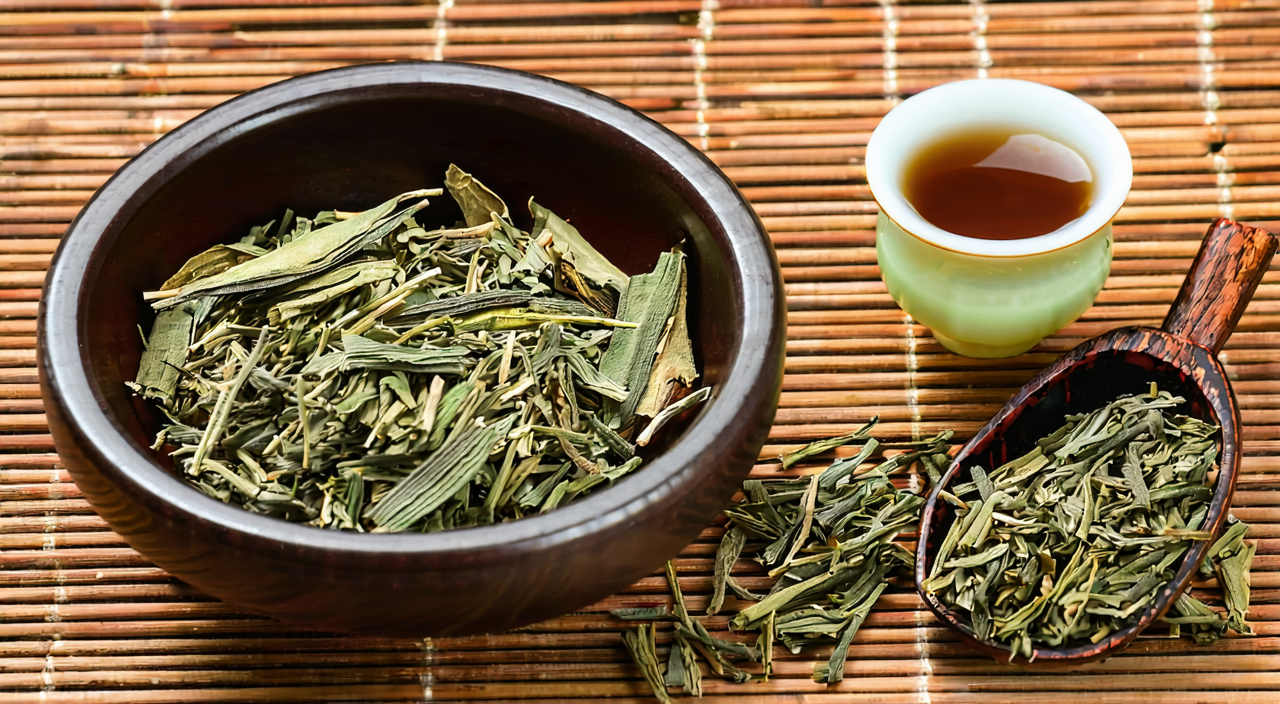
Traditionally, Chinese fevervine is often used as the “aerial parts” or “whole herb.” The aerial parts mainly include young stems with leaves and some older stems; occasionally flowers and fruits are also collected, but stems and leaves are the primary material. In some local practices, the root is also used, though this is less common, and the root’s traditional uses differ slightly from those of the aerial parts.
Harvesting usually takes place in summer and autumn when the plant is growing vigorously and aerial biomass is abundant. After collection, impurities are removed, the material is washed, cut into sections, and dried in the sun or shade. Once dried, the color shifts from green to yellowish-green or brownish-green, and the smell weakens considerably. Note that regional habits vary: some areas use only the leafy vines, while others use young branches together with leaves. If you wish to use this herb, it is best to confirm the source is clear and understand how it is used locally.
How Does Traditional Chinese Medicine View Chinese Fevervine?
In traditional Chinese medicine, Chinese fevervine is not a major herb listed in classic textbooks, but it has a fairly rich range of uses in folk experience across many regions. It is generally understood from the following perspectives:
Aiding Digestion and Strengthening the Stomach
This is the most frequently mentioned use. In many local traditions, it is believed to help promote digestion and relieve abdominal distension caused by food stagnation. For symptoms such as food retention, indigestion, and childhood malnutrition (infantile gan), some people combine it with other herbs that disperse food and resolve stagnation. However, such use is largely based on folk knowledge; whether it suits an individual case still needs to be judged according to specific symptoms and constitution.
Resolving Phlegm and Relieving Cough
In some southern regions, Chinese fevervine is also used to address phlegm-heavy coughs. Traditionally, it is thought to help transform phlegm and relieve coughing, especially when accompanied by chest tightness and difficulty expelling phlegm. Some users combine it with herbs like platycodon root and loquat leaf. This approach remains empirical and can be taken as a reference.
Clearing Heat, Resolving Toxins, and Relieving Pain
In some local records, Chinese fevervine is also used for boils, sores, sore throat, and pain conditions such as rheumatic pain and traumatic injuries. For external use, the fresh herb can be mashed and applied to the affected area. For internal use, it is often combined with herbs like honeysuckle flower and forsythia fruit. As a pain-relieving remedy, some folk traditions use a simple decoction of Chinese fevervine alone to help ease gastrointestinal spasms or joint pain. However, any pain-relieving use should not replace necessary medical examination; if pain persists or worsens, seek medical attention promptly.
The above directions are mostly drawn from regional herbal records or folk experience, and usage and combinations vary from place to place. When applying these herbs, trained TCM practitioners tailor formulas based on overall patterns such as cold, heat, deficiency, and excess. Self-prescribing based on general information is not recommended.
What Clues Do Modern Studies Provide About Chinese Fevervine?
Modern researchers have also conducted preliminary analyses of Chinese fevervine. Studies have found that it contains various chemical constituents, such as iridoid glycosides, flavonoids, and volatile oils. In animal experiments, it has shown certain analgesic, anti-inflammatory, and gastrointestinal motility–promoting effects, providing some clues that align with folk experience. However, most of these studies are still at the laboratory or small-scale clinical observation stage and are far from established standardized applications. Therefore, Chinese fevervine remains largely an empirical herb; such findings are for background understanding and should not be taken as direct efficacy claims.
Differences Between Chinese Fevervine and Spatholobus Stem
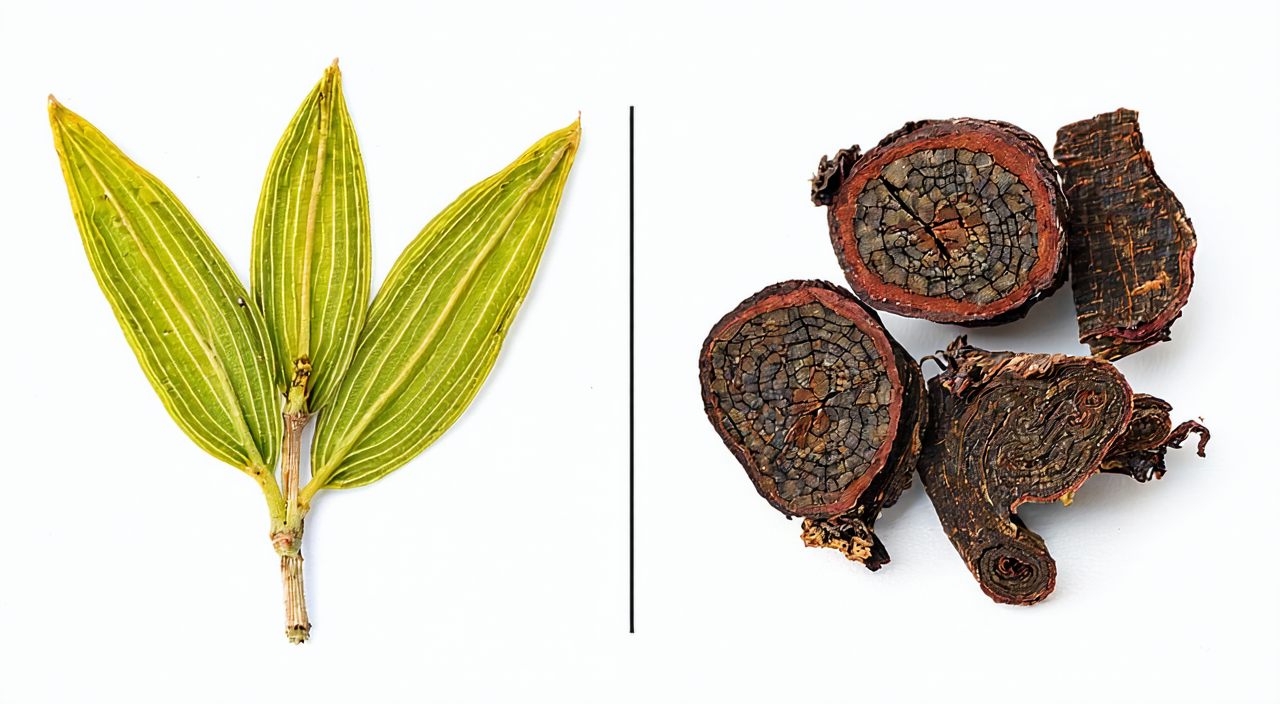
Because both names contain the word “ji” (chicken), many people confuse Chinese fevervine with spatholobus stem (ji xue teng); in reality, they are completely different plants with distinct origins, appearances, and uses.
Spatholobus stem usually refers to the dried stem of the leguminous plant Spatholobus suberectus. It is a woody vine; when cut, the cross-section exudes a red sap resembling chicken blood, hence its name. Its medicinal parts are mainly the thick, hard stems, which are reddish-brown or dark brown. Traditionally, spatholobus stem is used to invigorate blood, nourish blood, regulate menstruation, and relax sinews—directions clearly different from the digestive, phlegm-resolving, and heat-clearing uses of Chinese fevervine.
Chinese fevervine, by contrast, is an herbaceous vine; its aerial parts are used medicinally, mainly green to yellowish-green, with a distinctive smell when crushed and no red sap. The two differ completely in plant family, morphology, and traditional application, so it is essential to distinguish them clearly to avoid misuse.
Which Formulas Contain Chinese Fevervine?
Chinese fevervine rarely appears in classic formulas; it is more often found in regional preparations or folk empirical recipes. Some commonly seen ones include:
- Chinese Fevervine Decoction (Ji Shi Teng Tang): This is a widely circulated folk formula, often composed of Chinese fevervine combined with charred hawthorn, malt, and aged tangerine peel. It is commonly used to address food stagnation and epigastric distension. Regional and individual variations exist; some practitioners add chicken gizzard lining to enhance digestion. This formula is not from classics such as the Treatise on Cold Damage but is a summary of local experience. Whether it is suitable depends on one’s personal digestive condition.
- Chinese Fevervine Pill (Ji Shi Teng Wan): Some regional preparations combine Chinese fevervine with other digestive herbs into pill form for convenience. They are mainly used for poor appetite and childhood malnutrition. Such pills are typically regional products; read the instructions carefully before use to understand the intended users and contraindications.
- Local Digestive and Pain-Relieving Preparations: In some provinces, traditional remedies pair Chinese fevervine with herbs such as corydalis tuber and costus root to make preparations for stomach pain, abdominal pain, and joint pain. These are mainly auxiliary formulas aimed at relieving discomfort and are not equivalent to analgesic drugs. If severe or recurring pain occurs, a physician must first determine the cause.
It is important to note that most of these formulas and preparations are accumulated from local experience and lack large-scale standardized validation. If you wish to try formulas or products containing Chinese fevervine, it is best to understand your constitution and symptoms and consult an experienced TCM practitioner or a professional rather than purchasing and using them based solely on online information.
What Precautions Should You Take When Using Chinese Fevervine?
Before using Chinese fevervine or related products, several points deserve special attention:
- Differences in regional medicinal standards: The status of Chinese fevervine varies across regional pharmacopoeias or processing standards; some regions list it in local herbal medicine standards, while others do not. If using it abroad on your own, pay special attention to whether the source is reliable to avoid purchasing adulterated or contaminated products.
- Pregnancy and special populations: According to traditional experience, Chinese fevervine has a certain blood-invigorating tendency, so pregnant women are generally advised to avoid it. Breastfeeding women, children, and people with chronic conditions should also consider its use under professional guidance.
- Risk of misidentification: Many wild vines resemble Chinese fevervine; identifying them solely from online images can easily lead to confusion. There is a particular risk of confusing it with spatholobus stem or other toxic vines, so extra caution is needed. It is recommended to obtain dried herb material from reputable sources rather than collecting it yourself.
- Seek medical care if symptoms worsen: If problems such as indigestion, cough, or pain do not go away, especially when accompanied by weight loss, black stool, severe vomiting, breathing difficulty, or palpitations, you should not continue relying on herbal self-treatment and must promptly seek medical help. Chinese fevervine is more of a folk experience reference and cannot replace necessary medical treatment.
Summary
Chinese fevervine is a highly recognizable folk herb. Its distinctive odor, opposite leaves, and twining vine habit make it relatively easy to identify in the wild. Traditionally, its aerial parts are the main medicinal material, used in various regions for aiding digestion, resolving phlegm and relieving cough, clearing heat and relieving pain. It is completely different from spatholobus stem in both origin and use. Most related formulas are regional preparations; before use, carefully identify your constitution and the herb’s source, and avoid self-prescribing. When discomfort persists without improvement, professional medical advice should be sought. This content is provided only as a reference for understanding traditional herbal culture.