
What Is Lu Lu Tong? Medicinal Parts, Identification, and Common Formulas
When people see Lu Lu Tong for the first time, they may confuse it with prickly fruits or resin-based medicinal materials. Lu Lu Tong comes from the mature fruiting structure of the Chinese sweetgum tree and has a distinctive spherical aggregate form. The resin produced by the same plant, however, is called Chinese sweetgum resin, or Feng Xiang Zhi, and is not the same medicinal part. Understanding what Lu Lu Tong is, what it looks like, and how it is traditionally used in Chinese medicine can help with basic identification and information verification.
What Does Lu Lu Tong Look Like? How Can It Be Identified?
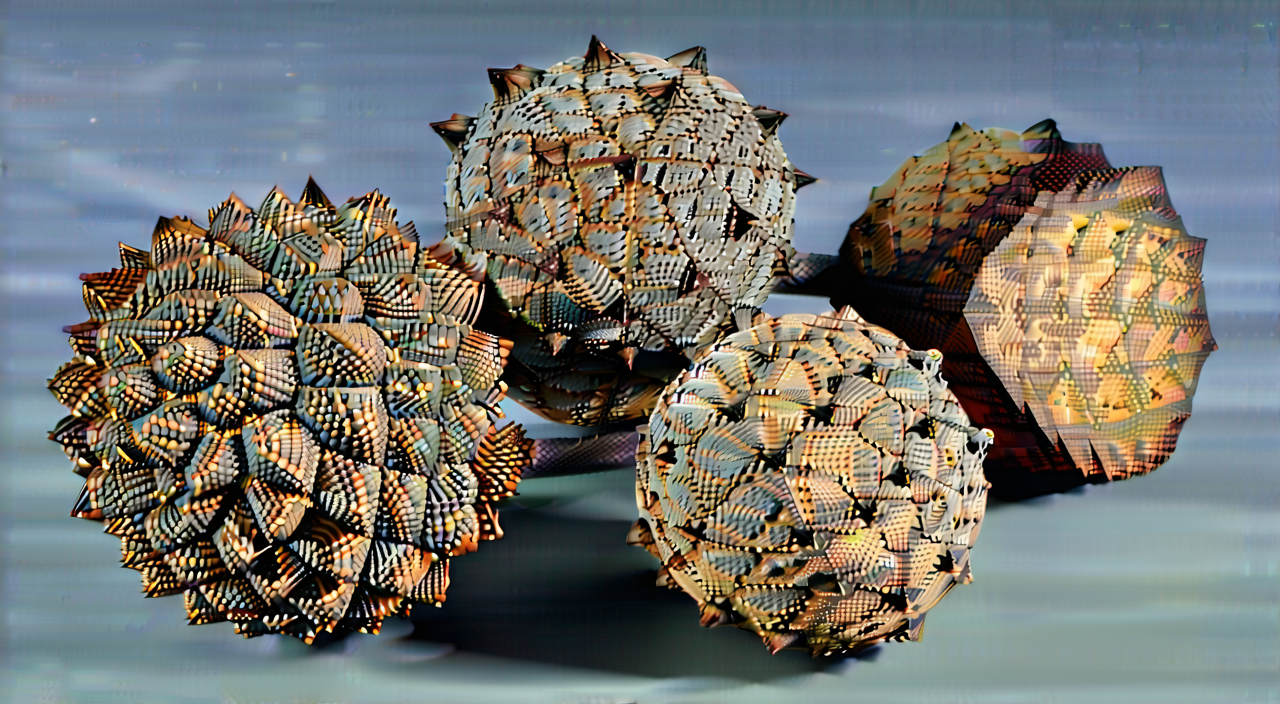
Lu Lu Tong is usually a nearly spherical aggregate fruiting structure made up of many small capsules clustered together. The medicinal material is commonly grayish-brown, gray-brown, or brownish-brown. Its surface has numerous pointed projections and small openings, giving it the overall appearance of a small prickly ball. Differences in growing region, harvest time, and drying methods may affect the depth of its color and the completeness of the pointed projections.
In terms of texture, dried Lu Lu Tong is relatively hard but usually feels light when held. The internal structure of the aggregate fruiting body can be seen at a broken or damaged section, where some of the individual fruits may be tightly arranged. Its aroma is generally not particularly strong. Tasting medicinal materials is part of professional identification, so ordinary consumers should not attempt it on their own.
When identifying it, focus on three points: first, whether it is a nearly spherical aggregate fruiting structure; second, whether the surface has dense spines and small openings; and third, whether it is hard but light, with the appearance of a mature, dried fruiting structure. If the material is severely fragmented, unusually colored, moldy, or has an abnormal odor, its identity and quality should not be judged from pictures alone.
What Is the Medicinal Part of Lu Lu Tong?
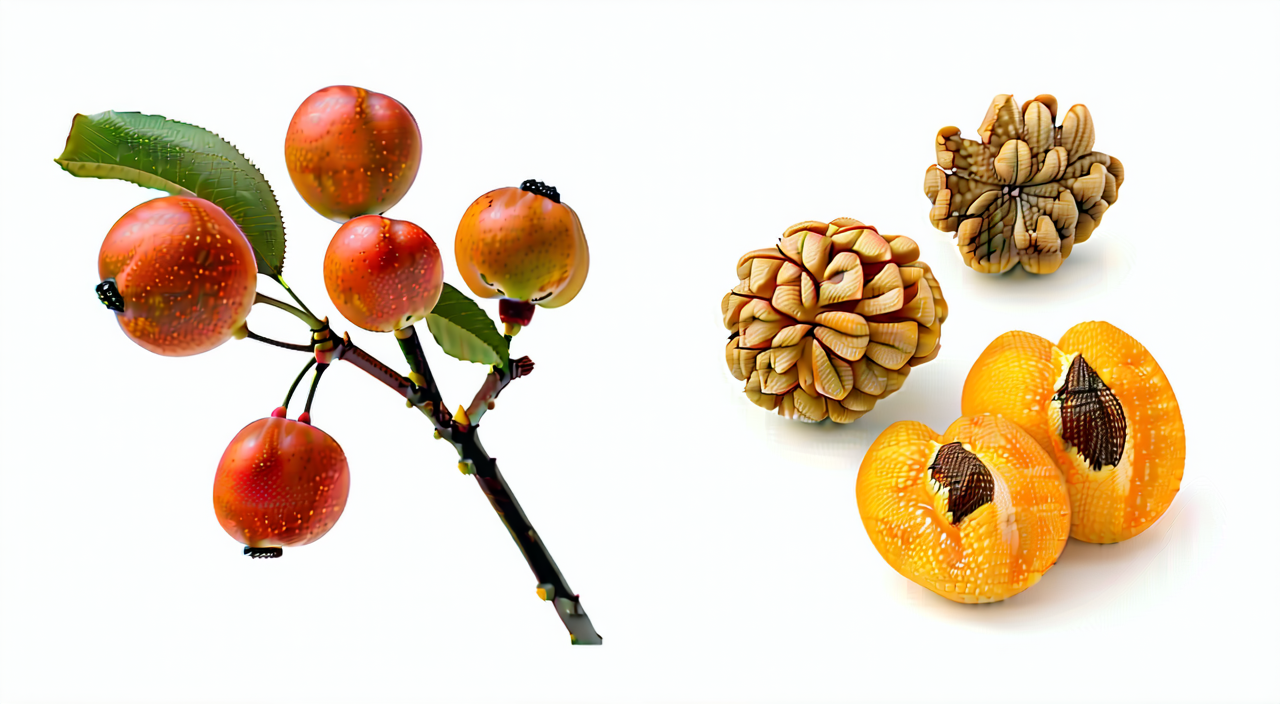
The medicinal part of Lu Lu Tong is the mature fruiting structure of the Chinese sweetgum tree. It is not the tree’s resin, bark, leaves, or roots. After the fruiting structures mature, they are generally harvested during the appropriate season, cleaned of impurities, dried, and then used as medicinal material. Because their surfaces are covered with spines, care should be taken during harvesting, transportation, and sorting.
In medicinal terminology, a “fruiting structure” refers to a structure formed by multiple small flowers or fruits growing together; it is not the same as a single ordinary fruit. The spherical appearance of Lu Lu Tong is an important identification feature of its mature aggregate fruiting structure. The specifications, preparation methods, and uses of the actual medicinal material should be based on local pharmacopoeias, reliable herbal medicine references, and product instructions.
It is especially important to distinguish Lu Lu Tong from Chinese sweetgum resin, which is also produced by the Chinese sweetgum tree. Chinese sweetgum resin differs from Lu Lu Tong in form, chemical characteristics, and traditional uses. The fact that both come from the same plant does not mean that they can be used interchangeably.
How Does Traditional Chinese Medicine Understand Lu Lu Tong?
Traditional Chinese medicine commonly understands Lu Lu Tong in terms of dispelling wind, promoting the flow of the channels and collaterals, promoting urination, and regulating the channels. According to traditional theory, its applications are associated with manifestations such as impaired circulation through the channels, limited movement of the limbs, disrupted qi and blood circulation, and imbalances in fluid movement. These descriptions reflect traditional theories of medicinal properties and formulation strategies; they are not equivalent to modern medical diagnoses or treatment conclusions.
In actual use, Lu Lu Tong is rarely considered separately from an overall pattern-based assessment. A Chinese medicine practitioner may combine symptoms, tongue and pulse findings, constitution, and other medicinal substances when creating a formula. For example, traditional approaches may differ when addressing joint discomfort, numbness in the limbs, irregular menstrual flow, or insufficient postpartum milk production. A formula should not be selected independently based on a single symptom.
Insufficient milk production may also be related to feeding frequency, latch technique, rest, nutritional status, breast-related problems, and endocrine factors. If persistent pain, breast redness or swelling, fever, or difficulty feeding the baby occurs, consult a doctor, midwife, or lactation professional promptly rather than relying only on one medicinal substance.
What Can Modern Research Tell Us?
Modern studies have examined the chemical constituents, extract characteristics, and possible pharmacological activities of Lu Lu Tong. However, the plant parts used, experimental methods, and dosages have not been consistent across studies. Results from laboratory or animal research cannot be directly equated with effects in humans, nor can they support conclusions that apply to everyone.
When reviewing related research, pay attention to whether the subject is the Lu Lu Tong fruiting structure, Chinese sweetgum resin, or another part of the plant. It is also important to examine the sample size, study design, and dosage. Overseas users should be aware that different countries and regions may have different names, source requirements, and quality standards for Chinese medicinal materials. Modern research is best regarded as supplementary information for understanding the material and cannot replace individualized professional judgment.
How Does Lu Lu Tong Differ from Chinese Sweetgum Resin and Cang Er Zi?
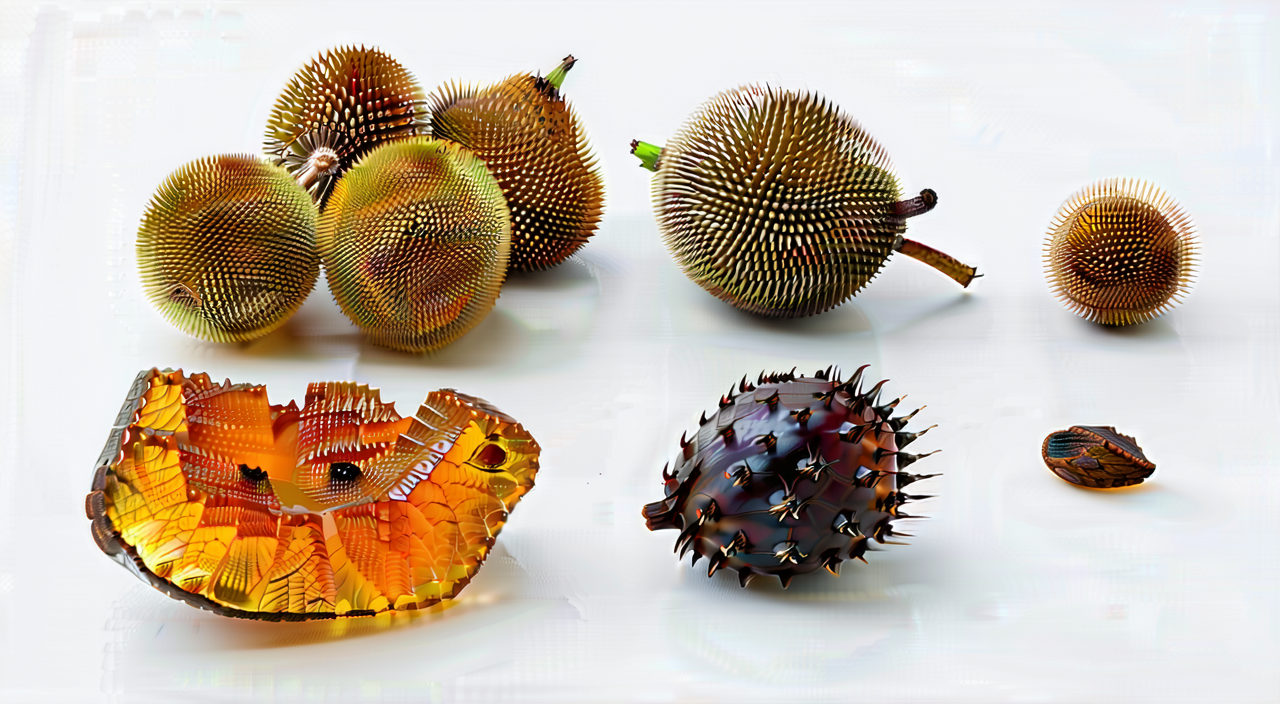
Lu Lu Tong, Chinese sweetgum resin, and Cang Er Zi may be associated by some people because of similarities in appearance or traditional applications, but they come from different sources and medicinal parts.
| Name | Source or medicinal part | Key appearance features | Basic identification approach |
|---|---|---|---|
| Lu Lu Tong | Mature fruiting structure of the Chinese sweetgum tree | Nearly spherical, with many spines and small openings; hard but light | Focus on the aggregate fruiting structure |
| Chinese sweetgum resin | Resin of the Chinese sweetgum tree | Usually resinous, clumped, or irregularly coagulated | Focus on its resinous form; it is not a fruiting structure |
| Cang Er Zi | Mature fruit with an involucre from the cocklebur plant | Smaller fruit with hooked spines, usually oval or egg-shaped | Focus on the form of the individual hooked-spine fruit |
The prickly appearance of Lu Lu Tong can easily bring Cang Er Zi to mind. However, Lu Lu Tong is generally a larger, spherical aggregate fruiting structure, whereas Cang Er Zi is an individual fruit or fruit-like structure covered with hooked spines. Chinese sweetgum resin is more readily distinguished by its sticky, solidified, and irregular form. Actual identification should also consider the source, packaging of the prepared slices, macroscopic characteristics, and professional laboratory or institutional opinions. Names or online images alone are not sufficient.
Which Formulas Contain Lu Lu Tong?
Traditional formulas may include names such as Lu Lu Tong San and Lu Lu Tong Wan, which contain Lu Lu Tong as one of their ingredients. Some formulas traditionally used to promote lactation and improve the flow of the channels may also include Lu Lu Tong according to their formulation principles. It is important to note that formulas with the same name may differ in ingredients, dosage, preparation methods, and intended uses across classical texts, regions, or manufacturers. The specific contents cannot be inferred from the formula name alone.
Lu Lu Tong San can generally be regarded as a traditional formula name that illustrates the formulation direction associated with Lu Lu Tong. Lu Lu Tong Wan refers to a pill preparation, but its actual ingredients should be confirmed through the relevant product instructions or a legitimate prescription. Formulas intended to promote lactation and channel flow may address different situations, and the causes of insufficient milk production should first be assessed. Whether a formula containing Lu Lu Tong is appropriate depends on a person’s constitution, symptoms, medical history, current medications, and professional advice.
Overseas users should also verify the Chinese name, Latin name or botanical source, medicinal part, dosage instructions, and local regulatory requirements before purchasing or using a product. Do not combine Lu Lu Tong, Chinese sweetgum resin, or Cang Er Zi from different sources, and do not copy formulas or dosages circulating online without professional guidance.
What Precautions Apply When Using Lu Lu Tong?
People who are pregnant, planning to become pregnant, or breastfeeding should consult a doctor or a qualified Chinese medicine professional before using Lu Lu Tong. Those with heavy menstrual bleeding, a tendency to bleed, frequent urination, or pronounced nighttime urination should also undergo a careful assessment. Traditional theories associate Lu Lu Tong with promoting the flow of the channels and promoting urination, but its suitability for an individual cannot be determined from the herb’s name alone.
If using a patent Chinese medicine or formula containing Lu Lu Tong, read the product instructions carefully. Confirm the ingredients, dosage, directions, contraindications, and precautions, and consider possible interactions with other medications or herbs. If a rash, gastrointestinal discomfort, dizziness, or any other unusual reaction occurs, stop using it without professional supervision and seek appropriate advice.
The surface of the Lu Lu Tong fruiting structure has sharp spines, so care should be taken to avoid puncture injuries when handling dried material. Children, people with poor eyesight, and those with reduced sensation in their hands should especially avoid grasping it directly. The medicinal material should be kept dry and clean. If it shows mold, insect damage, a strong abnormal odor, or incomplete packaging information, continued use is not recommended.
If related symptoms are severe, persistent, or recurrent, or are accompanied by marked anxiety, depression, palpitations, chest tightness, abnormal breathing, severe abdominal pain, persistent vomiting, black stools, unusual bleeding, unexplained weight loss, or other concerning signs, consult a doctor or qualified professional promptly. This article is provided for general educational reference about Chinese medicinal materials and cannot replace professional diagnosis or treatment advice.
Summary
Lu Lu Tong is the mature, spherical aggregate fruiting structure of the Chinese sweetgum tree. Its common features include a grayish-brown to brownish-brown appearance, numerous spines and small openings, and a hard but light texture. Chinese sweetgum resin is the resin of the same plant, while Cang Er Zi is a different type of prickly fruit, so the three should be distinguished. Formulas containing Lu Lu Tong can be viewed as examples of traditional formulation strategies, but situations such as pregnancy, heavy menstrual bleeding, frequent urination, and insufficient milk production require professional assessment first. Use should be guided by product instructions, individual circumstances, and professional advice.