
What Is Ligustrum Lucidum? Medicinal Parts, Identification, and Common Formulas
When it comes to Chinese herbs that nourish the liver and kidneys, many people think of goji berries, but Nu Zhen Zi (glossy privet fruit) also often appears in related health regimens. Nu Zhen Zi is the dried ripe fruit of Ligustrum lucidum, a plant in the Oleaceae family. Because the plant stays green through winter, ancient people believed it had “chaste and steadfast virtue,” so the Compendium of Materia Medica named it “Nu Zhen” (chaste privet). For those wanting to learn more, the first things to understand are: what does Nu Zhen Zi look like, which part is used, and how is it combined in formulas.
What Does Nu Zhen Zi Look Like and How to Identify It?
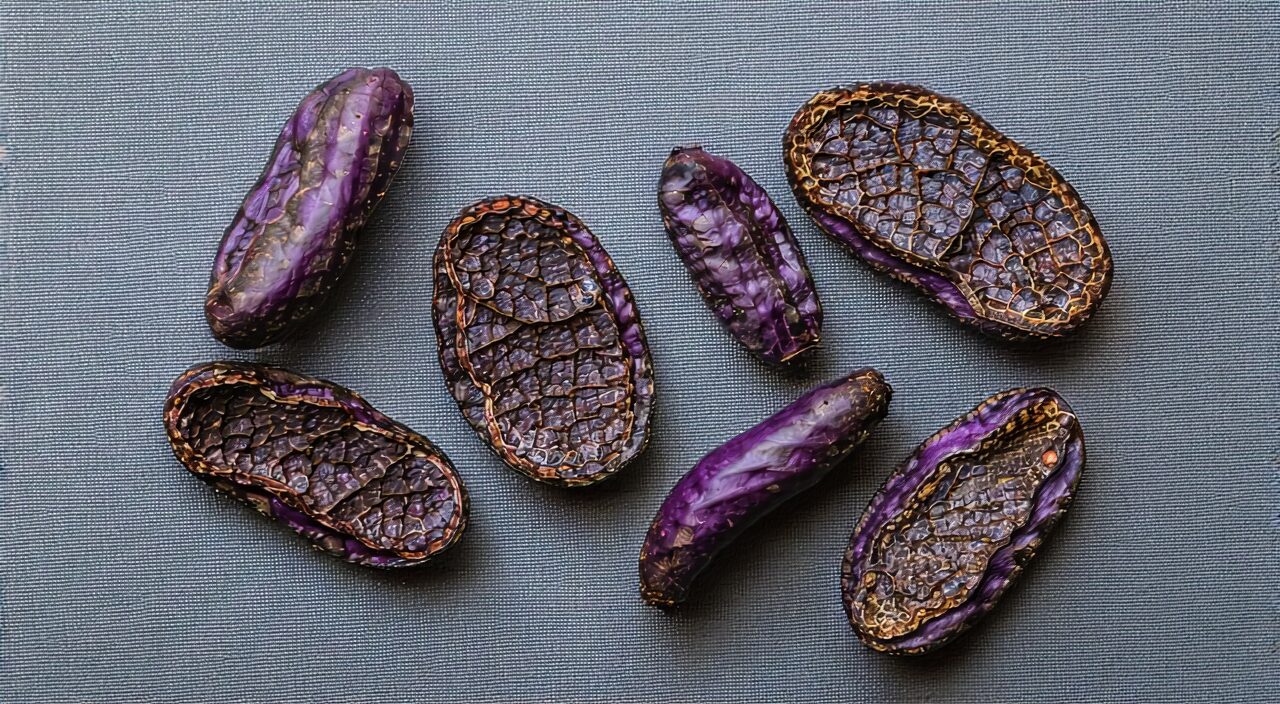
After drying, Nu Zhen Zi is typically oval or kidney-shaped, small in size, generally about 6–8 mm long. The surface is blackish-purple or grayish-black, and upon close observation you can see distinct wrinkling—it is not smooth. When held, it feels hard, but the flesh is very thin. When crushed, there is a large, hard pit inside, usually containing a single seed. The overall smell is faint, and it tastes slightly sweet-bitter.
When identifying, consider the following points:
- Shape: mainly oval or kidney-shaped, occasionally irregular;
- Surface: blackish-purple or grayish-black with wrinkling;
- Flesh thin, pit large and hard;
- Scent faint, taste slightly sweet-bitter.
If you see fruit with an overly bright color or plump, fleshy appearance, it is more likely to be a different, easily confused fruit rather than the medicinal Nu Zhen Zi.
What Is the Medicinal Part of Nu Zhen Zi?
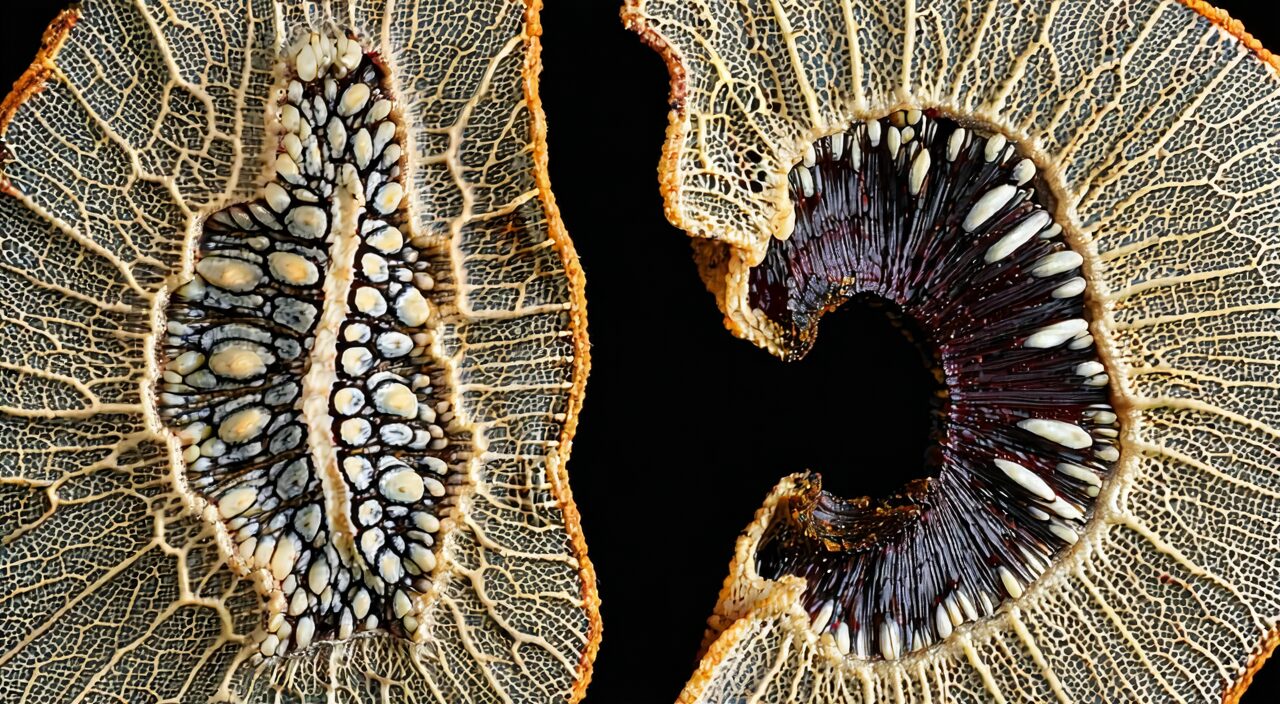
The medicinal part of Nu Zhen Zi is the dried ripe fruit of the plant. Generally, the fruits are harvested in winter when they are mature and have turned black. After removing branches, leaves, and impurities, they are dried directly in the sun, or briefly steamed before sun-drying—the resulting processed fruit is the commonly seen Chinese herb Nu Zhen Zi. In addition to the plain dried product, there are also processed forms such as wine-fried Nu Zhen Zi. Traditionally, wine processing is believed to enhance its tonic effects. In practice, the whole dried fruit is mostly used, sometimes crushed or ground into a coarse powder.
How Does Traditional Chinese Medicine View Nu Zhen Zi?
From a traditional Chinese medicine perspective, Nu Zhen Zi is sweet and bitter in flavor, cool in nature, and enters the liver and kidney meridians. Its main actions are nourishing the liver and kidneys, brightening the eyes, and darkening the hair. In traditional understanding, Nu Zhen Zi is commonly used for certain conditions associated with liver and kidney yin deficiency, such as dizziness, blurred vision, premature graying of the hair, and soreness and weakness of the lower back and knees. Unlike some warm-tonifying herbs, its nature is cool, so while it nourishes yin, it also helps clear deficiency heat. However, whether it is suitable depends on individual constitution, symptoms, and professional advice; it should not be assumed to work for everyone.
What Components and Effects of Nu Zhen Zi Are Studied in Modern Research?
In recent years, researchers have conducted chemical composition studies and experimental observations on Nu Zhen Zi. It contains compounds such as oleanolic acid, ursolic acid, nuezhenide, and salidroside. Laboratory studies suggest that these components may exhibit antioxidant, immune-modulating, and liver-protective activities. Some animal and cell experiments have also looked at the potential of Nu Zhen Zi extracts in improving glucose and lipid metabolism and slowing aging. It should be noted that these are mostly basic research or preliminary explorations and cannot be equated with confirmed effects in humans. Traditional usage and modern research can inform each other, but experimental conclusions should not be directly understood as clinical therapeutic conclusions.
How Does Nu Zhen Zi Differ from Similar Herbs?
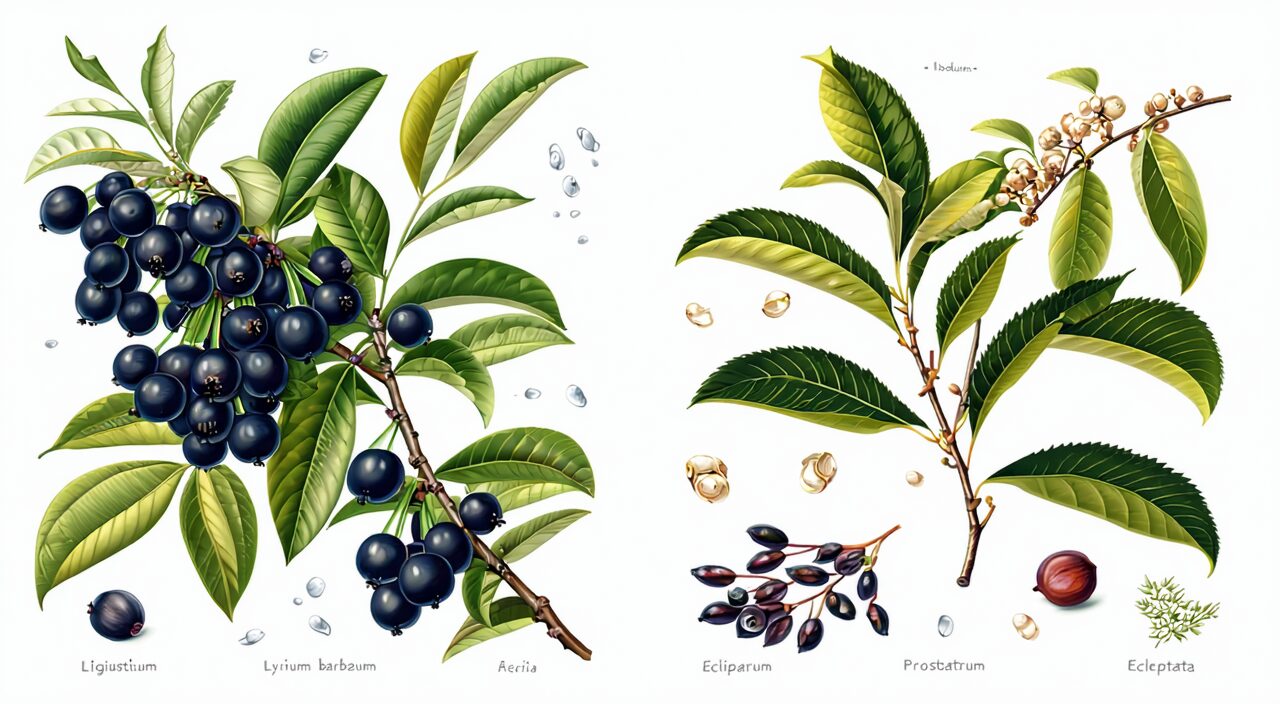
In daily health practices, goji berry and Eclipta (Mo Han Lian) are often discussed alongside Nu Zhen Zi, but the three differ significantly in origin, appearance, medicinal parts, and traditional application focus.
Goji berry comes from Lycium barbarum of the Solanaceae family, and the medicinal part is the mature fruit. Its surface is bright red or dark red, the flesh is soft, plump, and juicy, and the taste is sweet. Traditionally, goji berry tends to nourish the liver and kidneys, benefit essence, and brighten the eyes. It gently tonifies both yin and yang, has a balanced nature, and has a relatively broad range of applications.
Mo Han Lian (Eclipta) is the dried aerial part of Eclipta prostrata in the Asteraceae family; the whole herb is used. When the stem and leaves are broken, a black juice exudes. Its appearance is entirely different from the fruit form of Nu Zhen Zi. Mo Han Lian is traditionally often used to cool the blood and stop bleeding, and it also has liver- and kidney-nourishing effects, but with a greater emphasis on cooling the blood.
Nu Zhen Zi uses the blackish-purple dried fruit, with thin flesh and a large, hard pit. Its mouthfeel is not as sweet and moist as fleshy fruits. Its nature is cool, and its traditional effects primarily revolve around nourishing liver and kidney yin and clearing deficiency heat. Although these three herbs intersect in the direction of supporting the liver and kidneys, their specific application emphases and combination approaches differ, so they should not simply be substituted for one another.
Which Traditional Formulas Use Nu Zhen Zi?
Nu Zhen Zi plays a role in nourishing the liver and kidneys in many traditional formulas. Below are a few representative examples.
Er Zhi Wan is a commonly used formula consisting of two herbs: Nu Zhen Zi and Mo Han Lian (Eclipta). Nu Zhen Zi is adept at nourishing liver and kidney yin, while Mo Han Lian leans toward cooling the blood and stopping bleeding. Combined, they are traditionally used for dizziness, sore lower back, premature graying, and certain bleeding tendencies caused by liver-kidney yin deficiency with internal disturbance of deficiency heat. There are corresponding patent Chinese medicine products available on the market, which can serve as a way to learn about this traditional usage.
Nu Zhen Zi Gao is a decocted extract mainly composed of Nu Zhen Zi. A single herb is concentrated by decoction and then honey is added to form a paste. It is traditionally used for conditions requiring long-term nourishment of the liver and kidneys, commonly seen in health regimens for deficiency fatigue and declining vision.
Yi Gan Ming Mu Oral Liquid often combines Nu Zhen Zi with goji berry and chrysanthemum. It focuses on addressing blurry vision and eye fatigue caused by liver yin insufficiency and lack of nourishment to the eyes. In such formulas, Nu Zhen Zi mainly plays a role in clearing heat and nourishing yin, working synergistically with the other herbs.
Whether these formulas or patent medicines are suitable for an individual depends on product instructions, personal constitution, and professional advice; they should not be taken as a universal health regimen.
What Precautions Should Be Taken When Using Nu Zhen Zi?
Nu Zhen Zi is cool and moistening, so those with spleen-stomach deficiency cold, who often experience bloating, loose stools, or frequent diarrhea should exercise extra caution before using it. Long-term, large-dose use may burden the spleen and stomach, causing abdominal discomfort or indigestion. Moreover, if you have serious, chronic, or recurring health problems, or symptoms such as noticeable anxiety, depression, palpitations, chest tightness, pain, breathing abnormalities, severe abdominal pain, persistent vomiting, black stools, or weight loss, you should not rely on a single herb alone for management but should promptly consult a doctor or professional. When choosing related products for daily use, it is also advisable to start with gentler usage and pay attention to your body’s response.
Summary
As a traditional Chinese herb that nourishes the liver and kidneys, Nu Zhen Zi has relatively distinct characteristics in appearance, nature, and application, and is often differentiated from goji berry and Mo Han Lian. Understanding how to identify it, its medicinal parts, and common formulas like Er Zhi Wan can help in developing a more rational perspective on such traditional herbs. It is important to note that Chinese herbs and formulas must be used prudently based on a thorough understanding of your own constitution. This article is for educational reference only and cannot replace professional diagnosis or treatment advice.