
What is Sang Piao Xiao? Medicinal Parts, Identification, and Common Formulas
When it comes to Sang Piao Xiao, many people mistakenly think it comes from the mulberry tree. In fact, it is more closely related to the mantis. Sang Piao Xiao is the dried egg case of the praying mantis species such as Tenodera sinensis, Statilia maculata, or Hierodula patellifera. It is a distinctive animal-based Chinese medicinal material. For readers who want to understand traditional methods of securing and astringing, clarifying its origin, appearance, and practical applications is the foundation for further understanding related formulas.
What Does Sang Piao Xiao Look Like? How to Identify It?
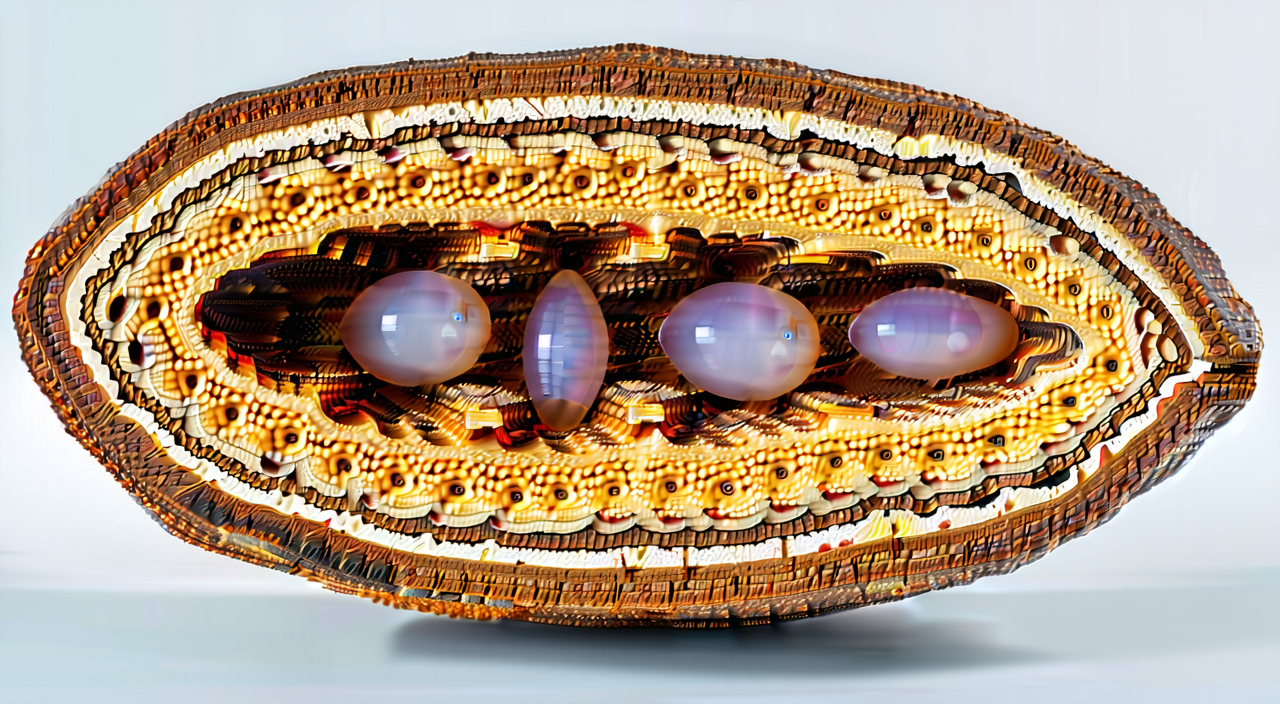
The appearance of Sang Piao Xiao is quite unique. It is generally oblong, roundish, or lump-shaped, composed of many overlapping membranous layers. It usually measures about 2.5 to 5 cm in length and 2 to 3 cm in width. A complete Sang Piao Xiao consists of multiple layers of spongy or foam-like structures, with a surface color of yellowish-brown, brownish-brown, or slightly greyish-yellow.
On the dorsal side, a distinct band-like ridge is often visible, sometimes darker in color. The ventral side is relatively flat or may have a concave groove. Looking at a cross-section, one can see tightly arranged egg chambers inside, each usually containing a single elongated mantis egg. The texture is light; when broken, the fracture surface is irregular, with clearly visible spongy layers and slight toughness.
Commercially, Sang Piao Xiao is often categorized into “Tuan Piao Xiao” (round type), “Chang Piao Xiao” (long type), and “Hei Piao Xiao” (black type) based on shape and source. Tuan Piao Xiao is roundish and lumpy with a more yellowish-brown surface; Chang Piao Xiao is elongated; Hei Piao Xiao is darker in color, usually dark brown or blackish-brown. For laypeople, key identification features include the foam-like layered texture, internal egg chambers, and overall shape, which help distinguish it from similar materials.
What Is the Medicinal Part of Sang Piao Xiao?
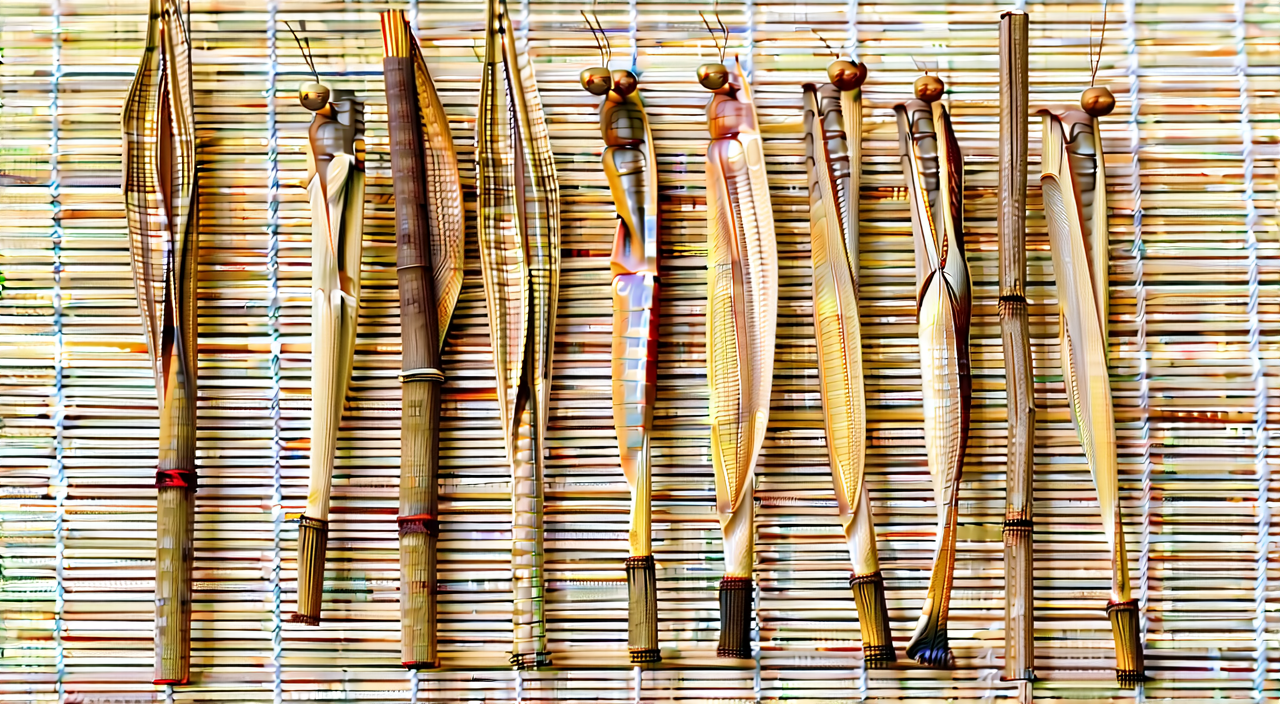
The medicinal part of Sang Piao Xiao is the dried egg case of the mantis, not the adult mantis itself. The egg case is a protective structure formed by the hardening of the foam-like substance secreted by the female mantis during egg-laying, attaching to tree branches, grass stems, or walls. Harvesting is usually done from late autumn to the following spring, when the egg case is fully formed and relatively stable in texture.
After collection, processing is required. Traditionally, the egg cases are steamed thoroughly in a steamer to kill any surviving eggs inside, then dried in the sun or at low heat. In some regions, they are briefly scalded in boiling water before drying. This processing makes Sang Piao Xiao easy to store while preserving the integrity of the egg case.
Egg cases from different mantis species may vary slightly in commercial specifications, but all are used as Sang Piao Xiao. It should be noted that if the eggs have already hatched, leaving empty shells inside, such material is traditionally considered of lower quality and not primarily used.
How Does Traditional Chinese Medicine Understand Sang Piao Xiao?
In traditional Chinese medicine theory, Sang Piao Xiao is categorized as an astringent medicinal. It is traditionally believed to enter the Kidney meridian and has the effects of securing essence, reducing urination, tonifying the kidneys, and assisting yang. For conditions such as frequent urination, enuresis, clear and copious urine, or seminal emission due to kidney qi instability, this herb was used in formulas by ancient practitioners.
This understanding relates to the thinking of analogism. The mantis egg case features layers of protection, securely storing the contents inside without easily dispersing, thus it is metaphorically extended to the ability to secure the body’s essential substances and reduce unnecessary loss. Of course, this is only a reflection of traditional medicinal reasoning. Whether it suits an individual’s condition must be assessed based on constitution, symptoms, and professional analysis, and cannot be generalized.
Modern Research on Sang Piao Xiao
Modern pharmacological studies on Sang Piao Xiao mainly focus on its nutritional components and proteinaceous substances. Sang Piao Xiao contains certain amounts of proteins, amino acids, and small amounts of phospholipids. Some experimental studies suggest that water or alcohol extracts of Sang Piao Xiao may exhibit certain biological activities. However, overall, modern pharmacological research on Sang Piao Xiao is still insufficient, mostly at a preliminary exploratory stage.
Given the current research status, traditional experiential knowledge remains the primary reference for understanding Sang Piao Xiao. Readers who hope to confirm its functions through modern research may need to wait for more high-quality experimental data.
What Are the Differences Between Sang Piao Xiao, Hai Piao Xiao, and Mantis Egg Masses?
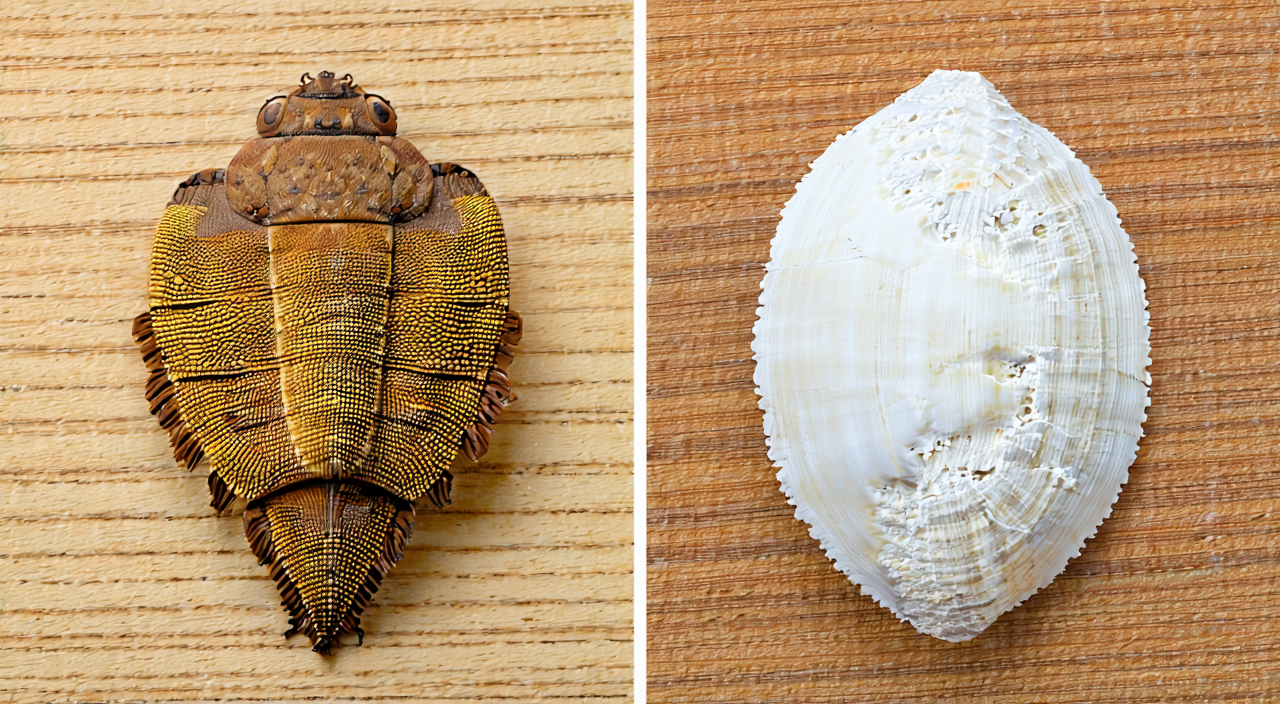
Although the names sound similar, Sang Piao Xiao and Hai Piao Xiao have completely different origins and distinct therapeutic approaches. Hai Piao Xiao is the internal shell of cuttlefish, mainly composed of calcium carbonate, traditionally used for astringing to stop bleeding, neutralizing acid, and alleviating pain. In contrast, Sang Piao Xiao is the mantis egg case, an animal protein-based medicinal, traditionally focused on securing essence, reducing urination, tonifying kidneys, and assisting yang. They are not directly interchangeable in terms of morphology, texture, or clinical thinking.
As for mantis egg masses, they are simply the fresh or unprocessed form of Sang Piao Xiao, sharing the same origin but at a different processing stage. In some regions, unsteamed egg cases are collected directly, but clinical application in Chinese medicine typically requires standardized processing. Therefore, in daily use, it is important to distinguish that Sang Piao Xiao refers to the dried product that has been steamed or treated to kill eggs, not the fresh egg mass.
Which Formulas Use Sang Piao Xiao?
Sang Piao Xiao mostly appears as an adjuvant herb in formulas for securing and astringing. A representative example is Sang Piao Xiao San (Mantis Egg-Case Powder), a formula from classical Chinese medical texts. It mainly combines Sang Piao Xiao with Yuan Zhi (Polygala root), Shi Chang Pu (Acorus rhizome), Long Gu (fossilized bone), Ren Shen (ginseng), Fu Shen (Poria with host wood), Dang Gui (Chinese angelica root), etc. Traditionally, it is used for frequent urination, enuresis, or spermatorrhea caused by heart-kidney deficiency and unconsolidated kidney qi. The formula’s strategy often involves harmonizing the heart and kidney and securing essence; Sang Piao Xiao plays the role of astringing the lower jiao.
Additionally, classical texts also record variations such as Sang Piao Xiao Wan, which often add tonifying or mind-calming herbs based on Sang Piao Xiao to address different emphases. In modern times, some formulas for securing essence and reducing urination also follow this approach, combining Sang Piao Xiao with Shan Yao (Chinese yam), Yi Zhi Ren (Alpinia fruit), Sha Yuan Zi (flatstem milkvetch seed), etc. It should be noted that each formula has its own indication and specific proportions; suitability must be judged by considering individual constitution, symptoms, and professional advice.
What Precautions Should Be Taken When Using Sang Piao Xiao?
Although Sang Piao Xiao is a traditional astringent medicinal, it is not suitable for all conditions. In cases where there is internal damp-heat, excessive fire, or acute inflammatory phases such as urinary tract infection with burning pain, turbid urine, etc., traditional understanding generally deems it inappropriate to use astringent substances alone, as it may trap pathogens and delay recovery. Therefore, if there are clear urinary abnormalities, especially with fever, back pain, urinary frequency, urgency, or pain, it is essential to seek medical diagnosis first rather than self-prescribing astringent approaches.
Moreover, Sang Piao Xiao is an animal-derived medicinal, so people allergic to insects must exercise extra caution. Before initial exposure to formulas or products containing Sang Piao Xiao, it is advisable to understand the source and processing method in detail and assess personal allergy risks. Wild-collected Sang Piao Xiao may have hygiene concerns and potentially carry microorganisms, requiring proper processing to ensure safety; fresh mantis egg masses should not be casually collected and used directly. For long-term or recurrent symptoms of enuresis, seminal emission, or urinary issues, especially when accompanied by marked fatigue, weight loss, or lumbar/abdominal pain, professional medical help should be sought rather than relying solely on one medicinal substance.
Summary
Sang Piao Xiao is a traditional medicinal derived from the dried egg case of the mantis. By identifying its foam-like layered texture and internal egg chambers, it can be distinguished from other materials such as Hai Piao Xiao. Traditionally, it appears in formulas for securing essence, reducing urination, tonifying kidneys, and assisting yang. However, it is not suitable for all urination or consolidation issues; damp-heat and acute infections must be ruled out. This article is for informational purposes only and does not replace professional diagnosis or treatment advice. The use of any medicinal substance should be carefully decided based on an understanding of one’s own constitution.