
What Is She Chuang Zi? Medicinal Part, Identification, and Common Formulas
She Chuang Zi is a common Chinese medicinal material. Because its name contains ‘zi’ (meaning ‘seed’ or ‘fruit’), many people confuse it with other seed-type herbs such as Xiao Hui Xiang and Di Fu Zi. In fact, She Chuang Zi comes from the ripe fruit of Cnidium monnieri. Traditional Chinese medicine commonly uses it for drying dampness, dispelling wind, killing parasites and relieving itching, and warming the kidneys and strengthening yang. It can be used both externally and internally, but both uses have clear boundaries. This article discusses its visual identification, medicinal part, TCM understanding, easily confused herbs, common formulas, and precautions for use.
What Does She Chuang Zi Look Like? How Is It Identified?
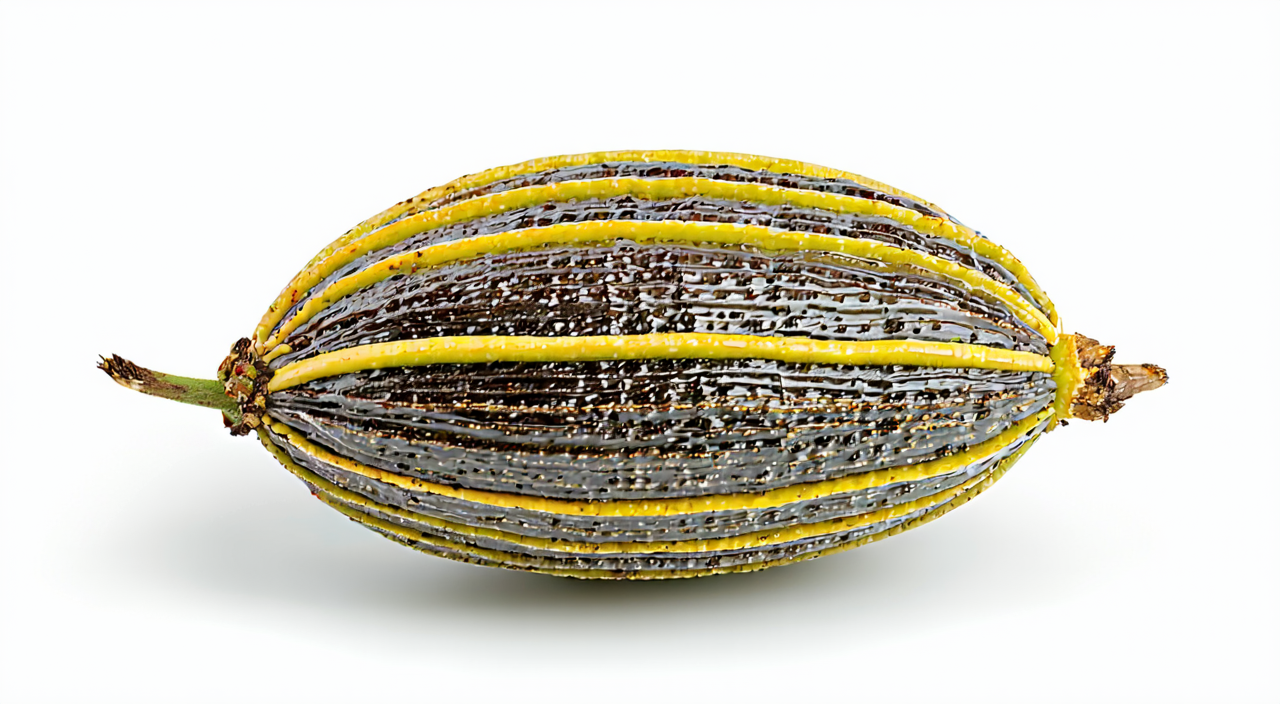
She Chuang Zi is a cremocarp, usually elliptical in shape and composed of two mericarps. Each mericarp is convex on the back and relatively flat on the ventral side, sometimes with a short fruit stalk. The surface is mostly grayish-yellow or grayish-brown, with five distinct longitudinal ridges, and fine textures can be seen between the ridges. The texture is relatively light. In terms of odor, She Chuang Zi has an acrid aroma, but it is not as sweet as Xiao Hui Xiang; some people may notice slight tongue numbness or a faint fishy smell. Key identification points include the elliptical mericarps, grayish-yellow or grayish-brown color, five longitudinal ridges, and acrid aroma. If the fruit is noticeably round, greenish, or sweet-smelling, it is likely not She Chuang Zi. In medicinal material identification, plump, dry, and impurity-free grains are generally preferred, but even if the appearance is typical, it is not advisable to self-medicate based only on visual inspection.
What Is the Medicinal Part of She Chuang Zi?
The medicinal part of She Chuang Zi is the ripe fruit of Cnidium monnieri, not the root, leaves, stems, or whole herb. It is usually harvested when the fruit ripens in summer or autumn. The aerial parts are cut, dried in the sun, and then the fruit is threshed and cleaned before further drying. She Chuang Zi processed in this way is the source of common decoction pieces or external wash preparations. It is important to note that fruit maturity, degree of drying, and storage conditions can affect appearance, odor, and safety. When learning about or purchasing it, pay attention to whether the source is clear and whether it has been dried properly, and do not confuse it with immature fruit or other seed-type medicinal materials. The ‘zi’ in She Chuang Zi does not mean it is merely an ordinary seed; it is a fruit-type medicinal material.
How Does Traditional Chinese Medicine Understand She Chuang Zi?
Traditional Chinese medicine commonly understands She Chuang Zi from the perspectives of drying dampness, dispelling wind, killing parasites and relieving itching, and warming the kidneys and strengthening yang. For skin dampness and itching, eczema-like presentations, genital dampness and itching, abnormal vaginal discharge, and other conditions with a ‘damp’ or ‘wind’ tendency, it may be included in external wash or internal treatment approaches. For traditional pattern-based indications such as kidney yang deficiency, coldness in the lower back and knees, impotence, and seminal emission, some formulas may also consider its warming and tonifying effects. However, these understandings belong to traditional experience, and suitability still depends on individual constitution, symptom presentation, and whether mixed heat signs are present. For example, using it alone may not be appropriate for people with yin deficiency with exuberant fire. Therefore, She Chuang Zi should not be simply understood as an ‘antipruritic drug’ or a ‘kidney tonic’; it should be considered within specific patterns and combinations.
What Components and Safety Boundaries Are Studied in Modern Research?
Modern research on She Chuang Zi focuses mainly on coumarin-type constituents and volatile oils. Some studies explore its potential antifungal, anti-inflammatory, and antipruritic activities, while others pay attention to safety boundaries such as local irritation and reproductive toxicity. In other words, She Chuang Zi is not a simple medicinal material where ‘the more concentrated, the better.’ High-concentration external use may irritate the skin, and improper internal use may also cause adverse reactions. Different dosages, extraction methods, and routes of administration can produce significant differences. Ordinary people should not prepare high-concentration external washes or decoctions for internal use based on scattered study findings. In particular, avoid casual use on broken skin or mucosal areas.
What Is the Difference Between She Chuang Zi, Xiao Hui Xiang, and Di Fu Zi?
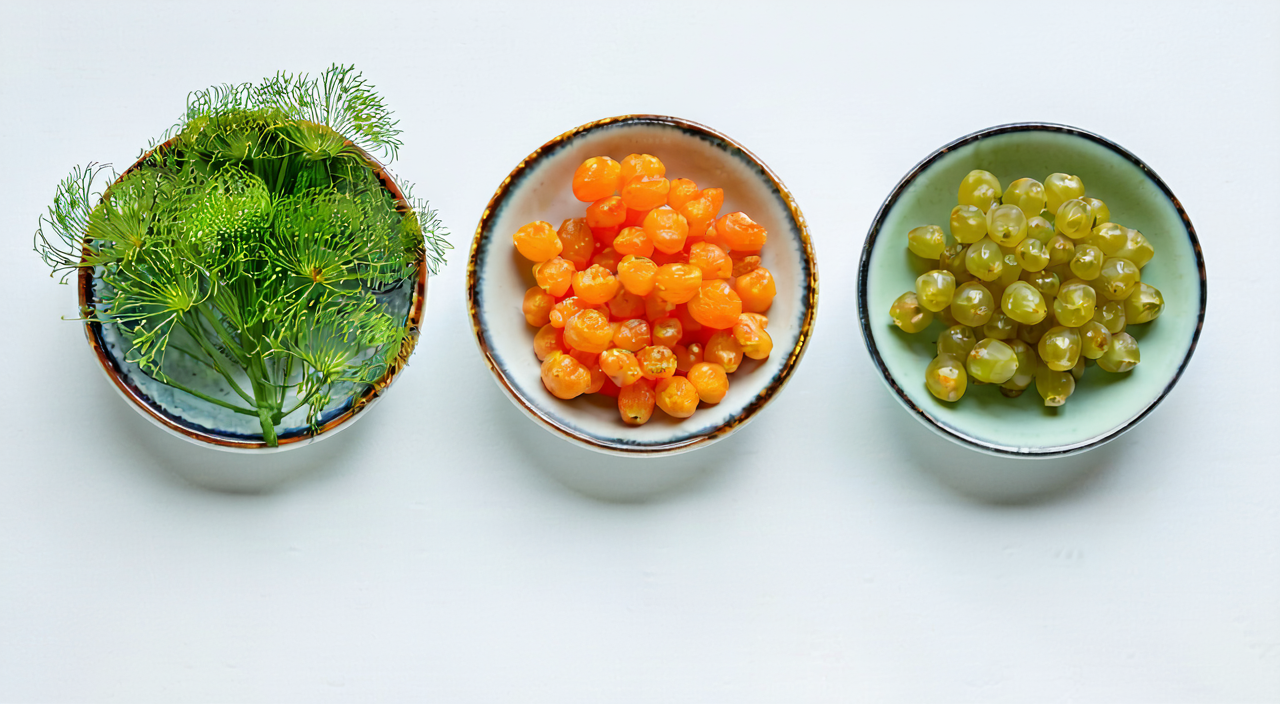
She Chuang Zi, Xiao Hui Xiang, and Di Fu Zi are easily confused. She Chuang Zi is mostly the mericarp of an elliptical cremocarp, with a grayish-yellow or grayish-brown surface and five obvious longitudinal ridges, and its acrid aroma is more subdued. Traditionally, it is often used for drying dampness, killing parasites and relieving itching, and warming the kidneys. Xiao Hui Xiang is the ripe fruit of the fennel plant in the Apiaceae family. It is relatively long with slightly pointed ends, yellowish-green or greenish in color, and has a sweet aroma. In daily life it is often used as a seasoning, and it is also used to warm the middle and disperse cold, regulate qi, and harmonize the stomach. Di Fu Zi is the fruit of the kochia plant in the Chenopodiaceae family. It is mostly flattened-round or pentagonal-star-shaped, grayish-green or light brown in color, and has a mild odor. Traditionally, it is often used to clear and drain damp-heat and relieve itching. These three substances belong to different plant families and have different sources, so they cannot replace one another. When studying them, one should focus on comparing fruit shape, longitudinal ridges, color, and odor, rather than judging only by whether they are ‘seed-type’ or ‘aromatic.’
Which Formulas Use She Chuang Zi?
She Chuang Zi appears relatively frequently in traditional formulas. Common examples include She Chuang Zi San, She Chuang Zi Tang, and external wash formulas for relieving itching. In classical formulas, She Chuang Zi San is often combined with herbs that warm the kidneys and dry dampness; traditionally, it is often used for cold-dampness in the lower jiao, vaginal discharge, or genital dampness and itching. She Chuang Zi Tang is more commonly used as an external wash, often combined with Ku Shen, Huang Bai, Di Fu Zi, and other herbs for skin dampness and itching or eczema-like presentations. In external wash formulas for relieving itching, She Chuang Zi is usually not the sole core herb but works together with other medicinals. Different formulas cannot be applied indiscriminately because their composition, dosage, usage, and indications differ. For general readers, it is enough to understand the names and general ideas of these formulas; self-prescribing, decocting, or external application according to ancient formulas is not recommended. Whether use is appropriate should be judged comprehensively based on constitution, symptoms, product instructions, and professional advice.
What Precautions Should Be Taken When Using She Chuang Zi?
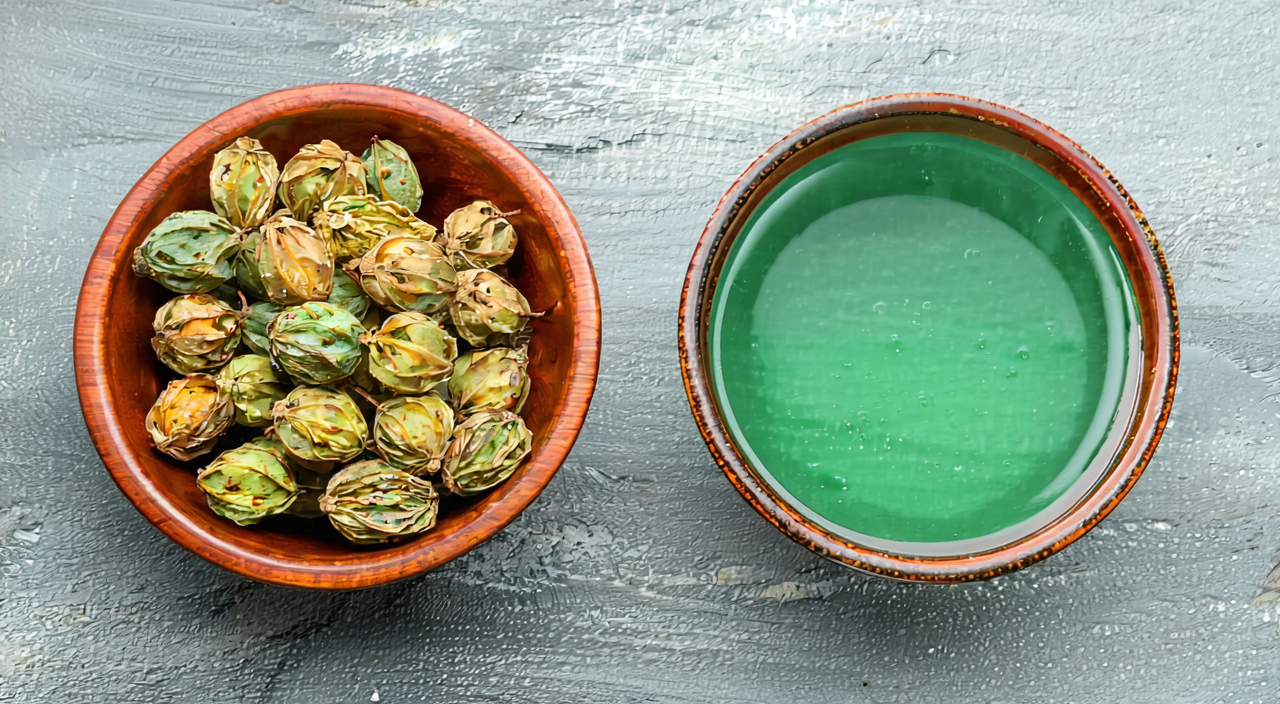
Several safety boundaries should be noted before using She Chuang Zi. First, people who are pregnant or preparing for pregnancy should avoid using it on their own, because some studies suggest it may affect pregnancy-related processes. Second, people with yin deficiency with exuberant fire, tidal fever, dry mouth, or a tendency to easily develop heat signs are traditionally considered unsuitable for using She Chuang Zi alone. Third, do not apply She Chuang Zi or its crude extracts externally on broken skin, obviously oozing lesions, large ulcers, or mucosal areas. Fourth, do not casually prepare high-concentration decoctions, alcohol infusions for topical application, or use it externally for a long time, in order to avoid irritation, burning, or contact dermatitis. Fifth, internal use must be carried out under the guidance of an experienced professional; She Chuang Zi should not be treated as a daily health supplement. If skin problems recur or spread, or if there is obvious pain, fever, or signs of infection, seek medical attention promptly.
Summary
The core feature of She Chuang Zi is that its medicinal part is the ripe fruit. In appearance, it consists of elliptical mericarps, is grayish-yellow or grayish-brown, and has five longitudinal ridges and an acrid aroma. Traditional Chinese medicine often understands it from the directions of drying dampness, dispelling wind, killing parasites and relieving itching, and warming the kidneys, but it must be judged together with individual constitution and pattern. It differs from Xiao Hui Xiang and Di Fu Zi in source and use, so they cannot be used interchangeably. Whether used externally or internally, safety boundaries should be observed, and high-concentration self-use should be avoided. This article is for informational reference only and is not a substitute for professional diagnosis or treatment advice.