
What Is Schisandra? Medicinal Parts, Identification and Common Formulas
Schisandra (Wu Wei Zi) is no stranger in traditional Chinese medicine. It is usually taken from the dried ripe fruit of the plant Schisandra chinensis, belonging to the Magnoliaceae family. Many who are interested in Chinese medicinal herbs may wonder: “What is schisandra? Why is it called ‘five-flavor berry’?” It is generally believed that the flesh of schisandra has a distinct sour taste, slightly sweet, while the seeds carry pungent, bitter, and salty notes. One bite brings a mix of five flavors, which may explain the origin of its name. This article will sort out the visual identification features, medicinal parts, traditional understanding, and differences from similar medicinal substances for overseas Chinese readers. It will also introduce several common formulas that use schisandra, along with some usage precautions.
What Does Schisandra Look Like? How to Identify It?
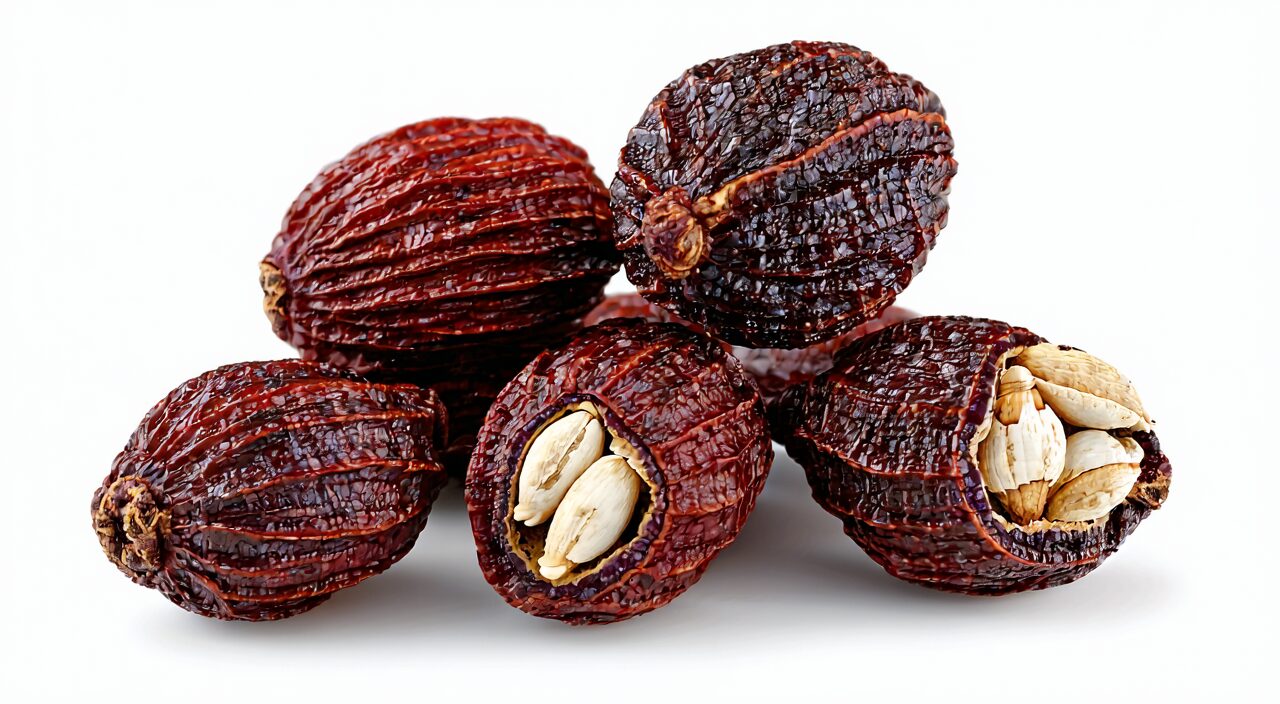
Schisandra medicinal material is usually irregularly spherical or flattened spherical, with a diameter of about 5 to 8 mm. The surface color is red, purplish-red, or dark red, wrinkled and oily, resembling concentrated small berries. The flesh is soft and easily crushed. When you split the flesh, you can see 1 to 2 seeds, which are kidney-shaped, brownish-yellow on the surface, smooth and shiny. The fruit flesh has a slight odor, but the sour taste is very distinct upon entering the mouth, which is the most direct identification feature; in contrast, the seeds when crushed emit an aroma similar to Sichuan pepper, accompanied by pungent and slightly bitter flavors. Many experienced individuals can make a preliminary judgment simply by tasting the sourness of the flesh and the pungent aroma of the seeds. In addition, if conditions allow for comparison, the genuine schisandra (northern schisandra) has larger fruits and deeper surface wrinkles, which is noticeably different from the southern schisandra mentioned later.
What Is the Medicinal Part of Schisandra?
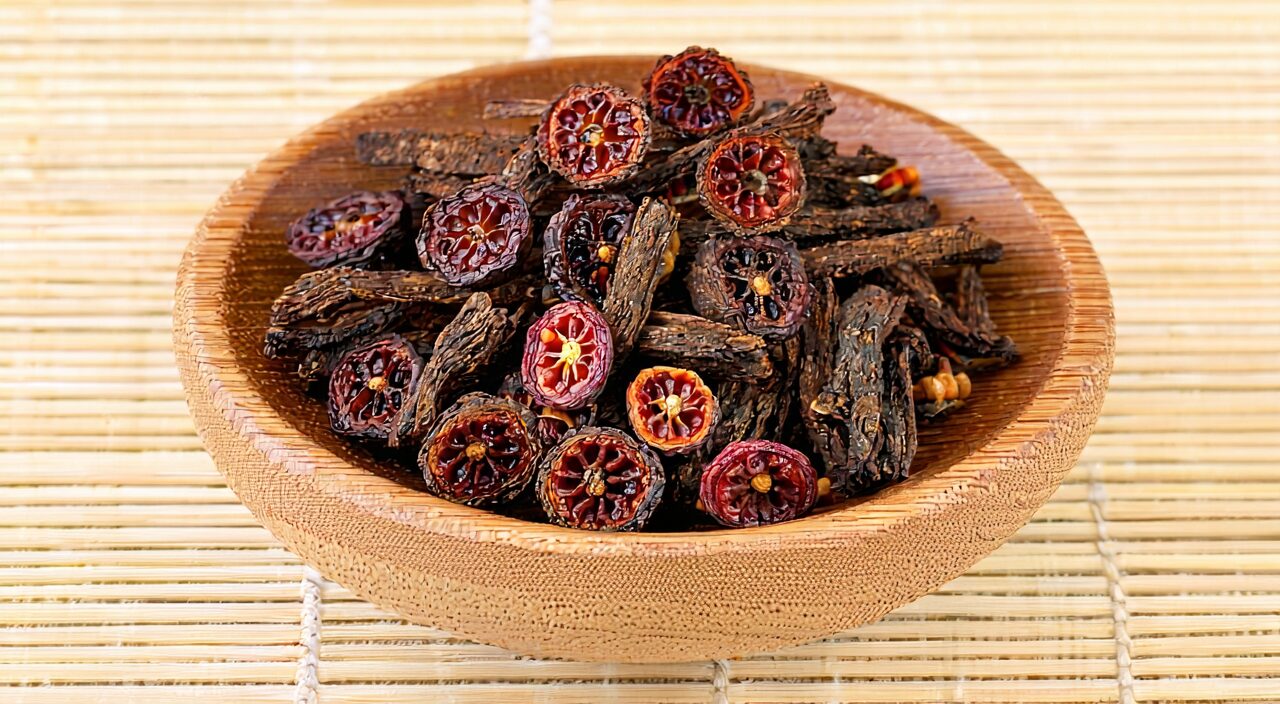
The medicinal part of schisandra in TCM is the dried ripe fruit of Schisandra chinensis. It is generally harvested in autumn when the fruits are fully mature and show a bright red color. After harvest, impurities such as fruit stalks are removed, and they can be directly sun-dried, or sometimes steamed first and then sun-dried, which is better for preservation. The schisandra medicinal material seen on the market is mostly whole fruits of wrinkled flesh encasing seeds. Some are also ground into coarse powder or made into other prepared forms. Depending on different therapeutic purposes, schisandra can be used raw or processed with vinegar, honey, etc. For example, vinegar-processed schisandra excels at astringing, while honey-processed schisandra tends to moisten the lungs. Traditional Chinese medicine holds that regardless of the processing method, it highlights schisandra’s characteristic of “astringing and consolidating,” which forms the basis for its widespread use in various formulas.
How Does TCM Understand Schisandra?
In TCM theory, schisandra is sour and sweet in flavor, warm in nature, and enters the lung, heart, and kidney meridians. Its core functions can be summarized as astringing and consolidating, replenishing qi and generating fluids, tonifying the kidneys, and calming the heart. When the body shows a tendency to “dissipate” and “collapse,” such as chronic cough with deficiency dyspnea, spontaneous sweating, night sweating, seminal emission, spermatorrhea, and chronic diarrhea, schisandra is often used to help astringe and check. At the same time, because it can replenish qi and generate fluids, it is also commonly seen in therapeutic approaches for thirst and wasting-thirst, as well as for palpitations and insomnia where calming the heart and spirit is needed. It should be noted that this astringent effect is not simply “tonifying” but securing the body’s qi, blood, and body fluids to prevent excessive dissipation. Therefore, when externally contracted pathogenic factors are unresolved, when there is internal excess heat or damp-heat exuberance, or at the early stage of cough, using schisandra too early may instead entrap the pathogenic factors inside the body, which is an important principle in traditional use.
What Components and Effects of Schisandra Are Modern Studies Focusing On?
Modern researchers have isolated various active components from schisandra, mainly including lignans (such as schisandrin A, schisandrin B, gomisin A, etc.), volatile oils, organic acids, and polysaccharides. Related experimental studies suggest that these components exhibit some potential biological activities in in vitro experiments and animal models, such as a protective trend on the liver, antioxidation, sedation and calming, and anti-fatigue effects. However, it should be clarified that most of these come from cell or animal studies, which are still quite far from the complex environment inside the human body. Currently, there is insufficient high-quality clinical evidence to show that using schisandra alone can produce definitive therapeutic effects on specific diseases. Therefore, these modern studies can serve as a reference for understanding, but it is not advisable to equate them directly with clinical efficacy, much less as a substitute for standardized diagnosis and treatment.
What Is the Difference Between Schisandra and Similar Medicinal Substances?
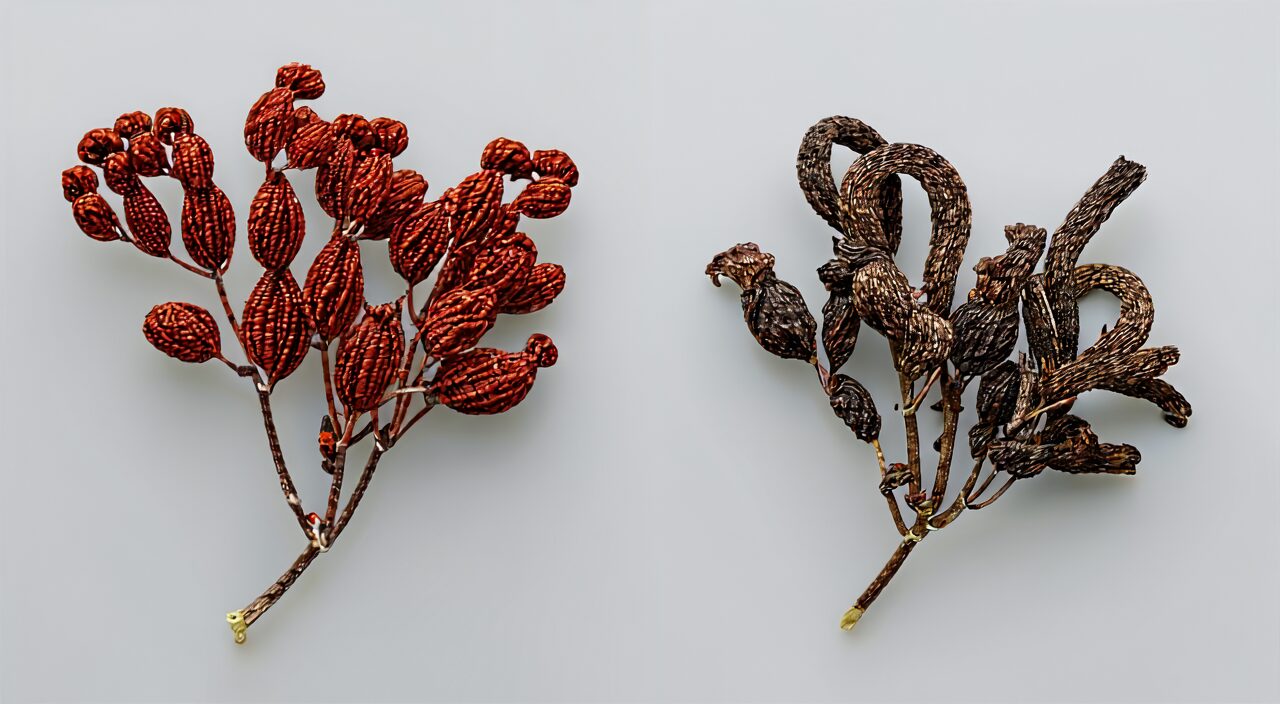
Sometimes in the market, schisandra is confused with “southern schisandra.” Southern schisandra comes from the dried ripe fruit of Schisandra sphenanthera of the same family. It has some similarities in appearance with schisandra (northern schisandra), but several points can help distinguish them: southern schisandra is usually smaller in size, with a diameter of about 4 to 6 mm, a brownish-red to dark brown surface, shriveled and not plump, with fine dense wrinkles. The flesh is thin and relatively hard, the internal seeds are also smaller, with a yellowish-brown surface, sometimes with tiny wart-like protrusions. From the perspective of traditional application, northern schisandra tends more to astringe the lung and nourish the kidney, and is considered a higher-quality “geo-authentic” medicinal material; while southern schisandra also has astringent and consolidating effects, it leans more towards astringing the lung to stop cough. In everyday use, if a formula particularly emphasizes tonifying the kidney and grasping qi, calming the heart and spirit, northern schisandra is usually the first choice. Paying attention to the origin and appearance characteristics when purchasing can help make a more appropriate selection.
Which Formulas Use Schisandra?
Schisandra appears in many classic formulas, and here are a few common combinations:
- Sheng Mai San (Pulse-Engendering Powder): Composed of ginseng, ophiopogon, and schisandra. Among them, schisandra’s sourness astringes sweat, and together with ginseng and ophiopogon, it fulfills the role of replenishing qi and nourishing yin. It is often used in situations of qi and yin dual deficiency, profuse sweating, and fatigue. The idea behind this formula is to include astringing within tonifying, avoiding replenishing qi without consolidation.
- Xiao Qing Long Tang (Minor Bluegreen Dragon Decoction): This is a formula for releasing the exterior to dissipate cold and warming the lung to transform retained fluids. Schisandra is combined here mainly to astringe the lung and stop cough, preventing overly dissipating or drying from warm-scattering ingredients like asarum and dried ginger, thus playing a balancing role. This reflects the TCM formulation wisdom of “dispersing with astringing.”
- Mai Wei Di Huang Wan (Ophiopogon and Schisandra Rehmannia Pill): By adding ophiopogon and schisandra to Liu Wei Di Huang Wan (Six-Ingredient Rehmannia Pill), it enhances the effects of nourishing yin and tonifying the lung, often used for therapeutic directions involving lung and kidney yin deficiency.
- Du Qi Wan (Qi-Guiding Pill): Simply put, it is Liu Wei Di Huang Wan plus schisandra. It is traditionally used for deficiency dyspnea and cough caused by kidney deficiency failing to grasp qi. Schisandra here plays the role of grasping qi and returning it to the kidney.
These formulas have different structural emphases. In actual selection, one should base the choice on constitution, symptoms, and professional advice, and not self-administer merely based on the formula name.
What Are the Precautions for Using Schisandra?
Several situations require special attention when using schisandra. First, when exterior pathogenic factors have not been resolved, that is, in the early stages of a cold with obvious fever and chills, it is generally inappropriate to use schisandra, lest the pathogenic factors become trapped and delay recovery. Second, when there is excess heat in the body or exuberance of damp-heat internally, it is also unsuitable because schisandra’s warm nature may aggravate heat. Furthermore, at the early stage of cough with profuse and congesting phlegm, or at the initial eruptive stage of measles, traditional experience holds that one should not use astringents too early but rather allow the pathogenic factors a way out. Additionally, since schisandra may affect liver drug-metabolizing enzymes, if you are taking other medications that are metabolized through the liver, you should consult a physician or pharmacist beforehand. The use of schisandra is mostly as part of regulation and should not be taken long-term in large doses by oneself. If symptoms such as stomach discomfort or skin rash appear, use should be suspended, and professional evaluation sought.
Summary
Schisandra is a typical astringent and consolidating medicinal herb. Traditional Chinese medicine often uses it to regulate problems like chronic cough with deficiency dyspnea, profuse sweating, and seminal loss. This article has sorted out its key visual identification points—red wrinkled small fruit, kidney-shaped seeds, and distinct sour taste—introduced the source of its medicinal part, and explained the difference from southern schisandra. It also listed the combinatorial significance of schisandra in common formulas like Sheng Mai San. Whether viewed from traditional understanding or modern research, the use of schisandra has its specific conditions and contraindications. It is recommended that interested friends, after learning about it, if they wish to try it, do so in conjunction with their own constitution and consult a professional. This article is for popular science reference only and cannot replace professional diagnosis or treatment advice.