
What Is Yin Chen? Medicinal Parts, Identification, and Common Formulas
When encountering Chinese herbal medicine abroad, the name “Yin Chen” may seem unfamiliar, but it is actually a relatively common herb in formulas for clearing heat and draining dampness. Many people want to know what Yin Chen looks like, which part is used, what common formulas exist, and what precautions to take. This article addresses these aspects to help readers develop a comprehensive, factual understanding of Yin Chen.
Yin Chen comes from the dried aerial parts of Artemisia scoparia or Artemisia capillaris of the Asteraceae family. Depending on the harvest time, the commercial product is often divided into “Mian Yin Chen” (soft Yin Chen) and “Hua Yin Chen” (flowering Yin Chen). The material harvested in spring during the seedling stage is called Mian Yin Chen, while that harvested in summer after the plant grows taller is called Hua Yin Chen. They differ in appearance and traditional therapeutic emphasis, which is a key consideration when identifying and selecting the herb.
What Does Yin Chen Look Like? How to Identify It?
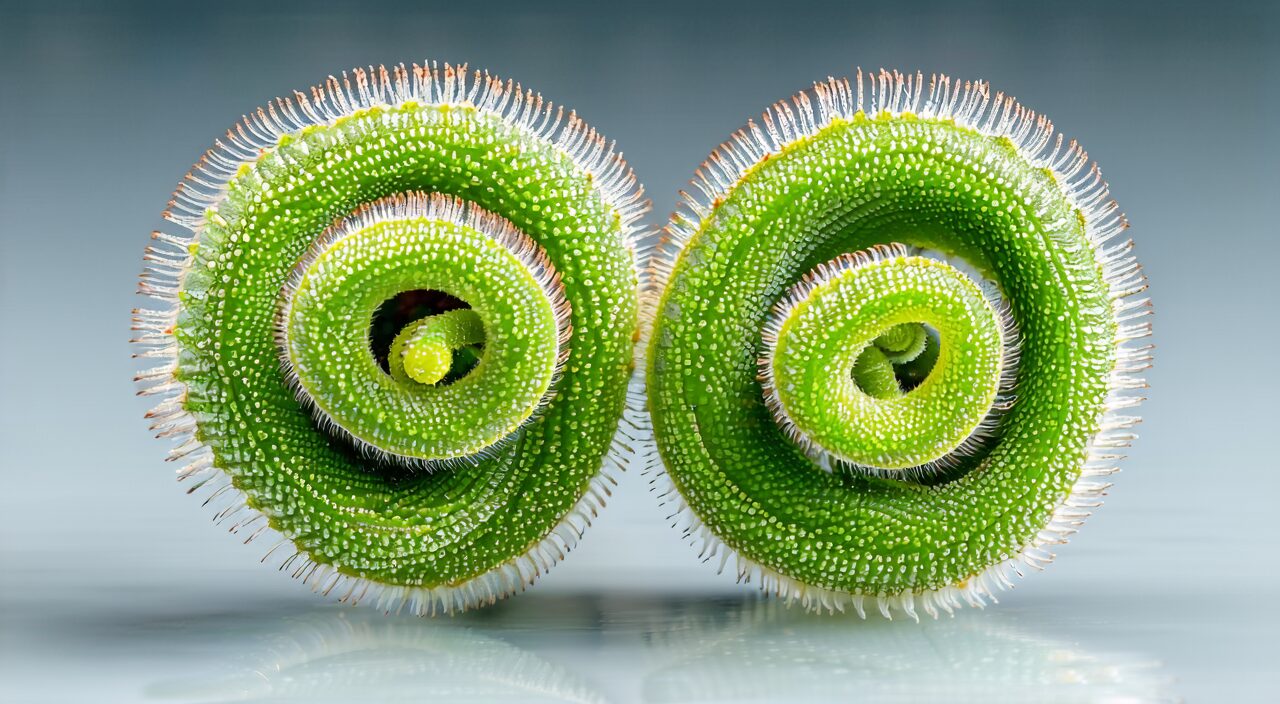
The typical feature of Mian Yin Chen is its seedlings curled into clumps, with a texture as soft as velvet, hence the name “Mian Yin Chen” (cotton-soft Yin Chen). Its leaves are grayish-green or grayish-white, densely covered with fine soft hairs on the surface, and divided into slender thread-like segments, making the whole plant fluffy and soft. When gently twisted with fingers, the softness is clearly felt. When brought close to the nose, it emits a distinctive fresh aroma similar to that of artemisia plants, which becomes more pronounced after the herb is broken. In the Hua Yin Chen stage, the stems grow upright and elongate; lower leaves may wither and fall off, while upper leaves retain the finely divided form. The stem surface has shallow longitudinal ridges, and the color is purplish-brown or yellowish-green. The texture is much tougher than that of Mian Yin Chen, and older stems may even become somewhat woody, with a relatively milder aroma. When identifying Yin Chen, focus on two key points: “grayish-green curled clumps” and “a distinctive fresh, aromatic scent.” If a noticeable artemisia-like fragrance emerges after rubbing, you can be more confident. Of course, appearance may vary slightly depending on the place of origin and storage conditions, so it is best to combine multiple pieces of information for a comprehensive judgment.
What Is the Medicinal Part of Yin Chen?
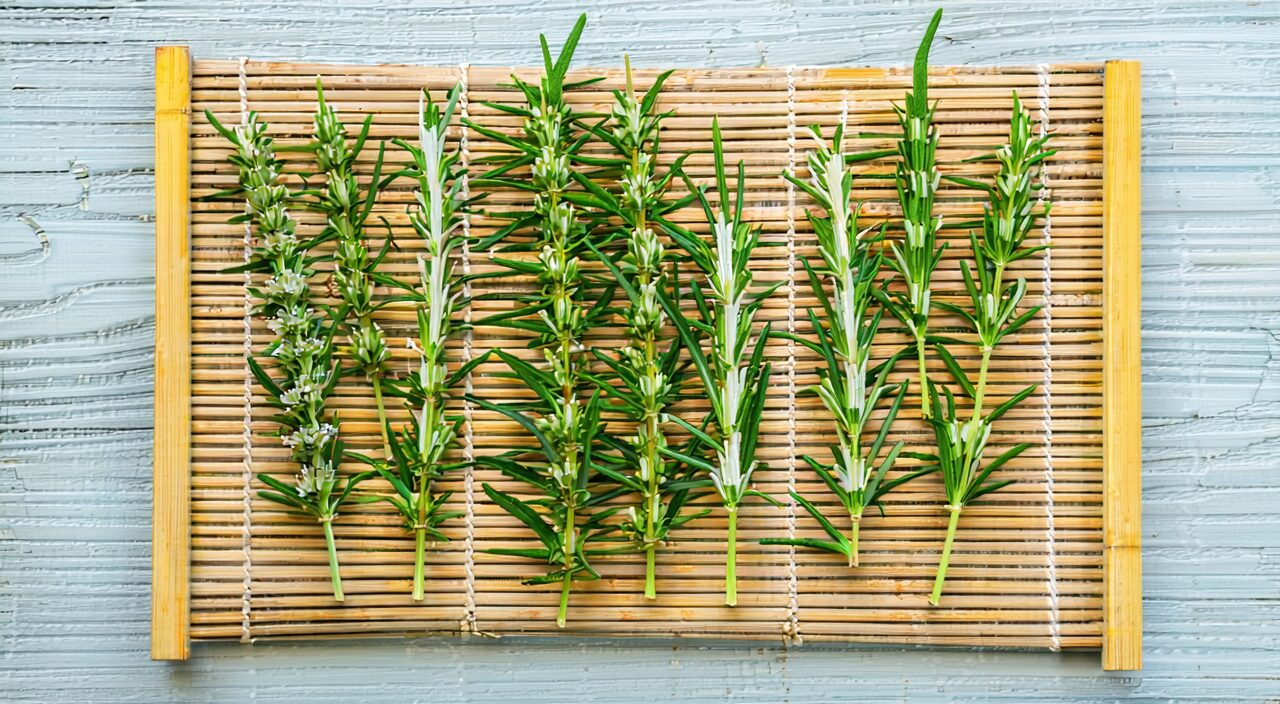
The medicinal part of Yin Chen is the dried aerial portion. Mian Yin Chen, harvested in spring, is mostly short seedlings used as the whole herb with leaves; the decoction pieces are often cut into grayish-green fragments, soft to the touch, and feel somewhat downy when rubbed. Hua Yin Chen, harvested in summer, uses the above-ground parts after removing the roots and overly old stems, retaining the branches and leaves with flowers or fruits. Its decoction pieces show obvious stem segments mixed with leaves; the stems are relatively hard, and sometimes the pith is visible in the cross-section. Understanding the characteristics of the medicinal parts and harvest times can help in reasonably selecting the form for traditional therapeutic directions, but specific applications still need to be combined with individual constitution and professional judgment, and should not be decided solely by the product name.
How Does Traditional Chinese Medicine View Yin Chen?
Traditional Chinese medicine often understands Yin Chen from the perspective of nature, taste, and meridian tropism. It is considered bitter and acrid in taste, slightly cold in nature, and enters the spleen, stomach, liver, and gallbladder meridians. Its core action is summarized as clearing damp-heat, promoting gallbladder function, and relieving jaundice. When damp-heat accumulates in the liver and gallbladder, manifesting as yellowing of the skin, eyes, and urine, Yin Chen is often included as an important component in formulas. However, it is crucial to note that jaundice in Chinese medicine can be broadly classified into yang jaundice and yin jaundice. Yang jaundice is mostly associated with damp-heat, with a bright yellow color; yin jaundice is mostly associated with cold-damp, with a dull, dark yellow hue, and the treatment approaches are completely different. Ordinary readers may find it difficult to differentiate accurately. If symptoms such as yellow eyes or skin appear, especially when accompanied by fever, abdominal pain, nausea, or persistent fatigue, medical investigation should be sought first to identify the cause. Self-administration of Yin Chen or formulas containing Yin Chen is not advisable.
What Aspects of Yin Chen Are Studied in Modern Research?
Modern research on Yin Chen mainly focuses on its choleretic, hepatoprotective, and anti-inflammatory properties. Some experiments have found that components such as coumarins and flavonoids in Yin Chen may promote bile secretion and have a certain protective effect on liver cells. In addition, some researchers are exploring its potential in regulating blood lipids and blood sugar, believing that certain extracts may affect metabolic signaling pathways. However, these findings currently come mostly from in vitro or animal studies, and the exact effects in humans still require more high-quality clinical trials to confirm. Therefore, at this stage, Yin Chen is better understood within the framework of traditional Chinese medicine rather than being regarded as a modern medication for treating liver and gallbladder diseases.
What Are the Differences Between Mian Yin Chen, Hua Yin Chen, and Qing Hao?
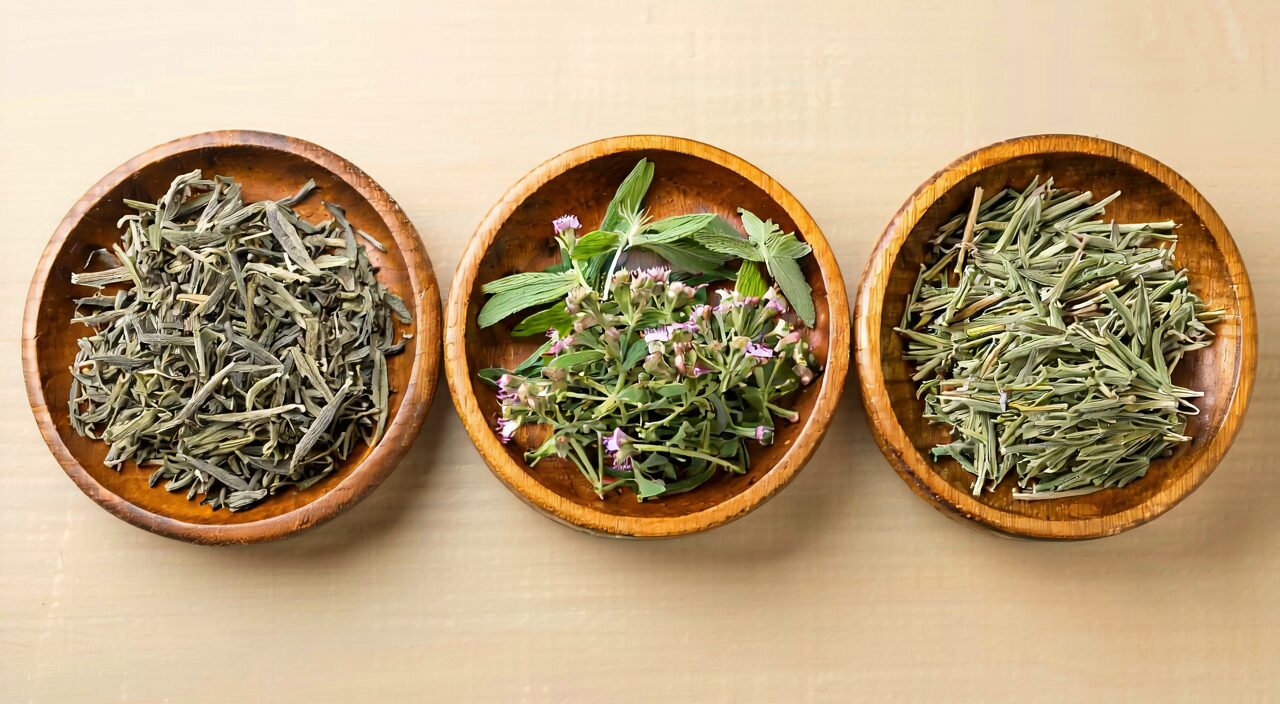
Mian Yin Chen and Hua Yin Chen come from the same plant species; the main differences lie in harvest time and morphology. Mian Yin Chen is harvested in spring at the seedling stage, with the whole plant curled up like a downy ball, grayish-green in color, and intensely aromatic. Traditionally, it is more used to clear damp-heat and relieve jaundice. Hua Yin Chen is harvested in summer after the plant grows taller; its stems become significantly longer and harder, and the color tends to be yellowish-green or purplish-brown. Traditionally, besides draining dampness and relieving jaundice, it is sometimes also used for dispersing wind-heat and other purposes. Qing Hao (sweet wormwood) comes from Artemisia annua, a different Asteraceae plant. Its leaves are more finely divided and brightly green, with a strong, distinct aroma. Traditionally, it is commonly used to clear deficiency heat, relieve steaming bone sensation, and resolve summerheat, differing from Yin Chen’s direction of clearing damp-heat. Because the names and leaf shapes are easily confused, understanding the differences between these three can help more accurately recognize their respective usage scenarios and avoid mistakes in therapeutic thinking.
Which Formulas Use Yin Chen?
Yin Chen appears in many classic formulas. Here are three relatively common examples for general understanding.
Yin Chen Hao Tang (Artemisia Capillaris Decoction) consists of Yin Chen, Zhi Zi (gardenia fruit), and Da Huang (rhubarb root and rhizome). It is a representative formula from the Treatise on Cold Damage for clearing heat, draining dampness, and relieving jaundice. Traditionally, it is used for damp-heat jaundice characterized by yellowing of the entire body, face, and eyes with a bright yellow color, abdominal fullness, and thirst. In modern practice, it may also be used for damp-heat-related conditions such as hypochondriac pain and gallbladder discomfort, but treatment must be based on pattern differentiation and should not be self-applied solely on the basis of symptoms.
Yin Chen Wu Ling San (Artemisia Capillaris and Five-Ingredient Powder with Poria) is made by adding Yin Chen to Wu Ling San. It has the effects of draining dampness, relieving jaundice, warming yang, and transforming qi. It is commonly used for conditions where dampness predominates over heat, such as jaundice with a not-so-bright color, heaviness of the body, difficult urination, and reduced appetite. Suitability must be determined based on constitution and overall symptoms and should not be self-determined.
Yin Chen Zhu Fu Tang (Artemisia Capillaris, Atractylodes, and Aconite Decoction) is composed of Yin Chen, Bai Zhu (white atractylodes rhizome), Fu Zi (prepared aconite root), Gan Jiang (dried ginger), etc. It is a formula that warms the middle, strengthens the spleen, drains dampness, and relieves jaundice. It is suitable for yin jaundice accompanied by cold-damp encumbering the spleen, with manifestations such as dull yellow color, cold hands and feet, and loose stools. Because it contains warming yang herbs like Fu Zi, which has a strong nature, it must be considered only under professional guidance and should not be self-selected.
The above formulas range from clearing heat to warming and transforming, covering a wide spectrum of therapeutic directions. Users should never arbitrarily apply a formula just because they see the term “jaundice.” The application of any formula should be based on specific manifestations, constitution, and comprehensive professional advice.
What Precautions Should Be Taken When Using Yin Chen?
First, the differentiation between yin jaundice and yang jaundice should not rely on self-judgment. If yellowing of the eyes, skin, or urine occurs, especially when accompanied by fever, right upper abdominal pain, nausea and vomiting, persistent fatigue, or light-colored stools, seek medical attention promptly for a clear diagnosis. Do not self-administer Yin Chen or related formulas.
Second, individuals with chronic spleen-stomach deficiency coldness, those prone to diarrhea, poor appetite, a cold sensation in the abdomen, or cold extremities should be particularly cautious when using Yin Chen. Yin Chen is relatively cold in nature and has a strong dampness-draining effect, which may inappropriately worsen the cold state of the digestive system. If it is truly needed, it is advisable to use it under professional guidance alongside herbs that warm the middle and strengthen the spleen.
Furthermore, Yin Chen should not be used as a daily tea substitute for long-term consumption. Although some people occasionally brew Yin Chen in water, as a medicinal herb it has its own properties; prolonged or large-scale use may interfere with normal digestive function. Use during special physiological stages such as pregnancy, childbirth, or lactation requires individualized assessment by a professional before a decision is made.
Summary
As a traditional Chinese herb that clears damp-heat, promotes gallbladder function, and relieves jaundice, Yin Chen comes in various commercial forms such as Mian Yin Chen and Hua Yin Chen, each with its own emphasis. Understanding its appearance, medicinal parts, and a general overview of commonly used formulas like Yin Chen Hao Tang can help build objective knowledge. For general readers, this information can serve as a knowledge reserve, but when faced with actual liver-gallbladder discomfort or jaundice, prioritizing medical consultation for a clear diagnosis is the safe choice. Any long-term or chronic approaches should also incorporate professional judgment; formulas and herbs should not be self-selected based solely on general health information.