
What Is Honey-Fried Licorice (Zhi Gan Cao)? Medicinal Part, Identification, and Common Formulas
Honey-fried licorice is familiar to many health-conscious overseas Chinese communities. It frequently appears in traditional regulating combinations yet is often confused with ordinary licorice. This article starts from its origin and basic definition to help readers clarify what honey-fried licorice really is and how to recognize it from appearance, medicinal characteristics, and its role in formulas.
Honey-fried licorice is the dried root and rhizome of leguminous plants Glycyrrhiza uralensis, Glycyrrhiza inflata, or Glycyrrhiza glabra, processed by stir-frying with honey. The term “zhi” refers to the honey-frying method, and it is this processing that creates a clear divide between it and raw licorice in nature, flavor, and clinical emphasis.
What Does Honey-Fried Licorice Look Like? How to Identify It
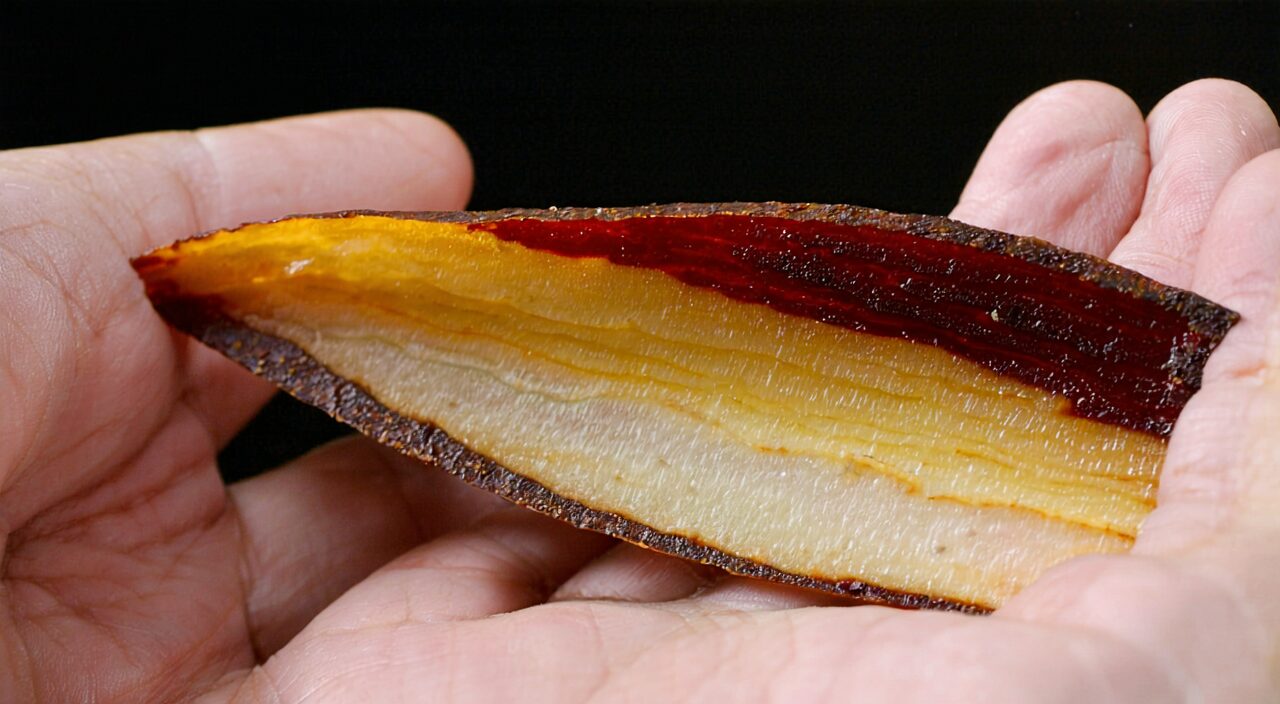
After honey-frying, honey-fried licorice looks quite different from raw licorice. Identification can focus on the following aspects:
- Color: The surface is reddish-brown, dark brown, or deep yellow, darker than raw licorice. The caramel coloring from honey-frying is a key feature.
- Luster: The surface often carries a subtle sheen, unlike the dull appearance of raw licorice, due to the attached honey film.
- Texture: It becomes supple and slightly sticky, feeling pliable rather than dry, hard, and fibrous like raw licorice.
- Cut surface: The cut surface is usually yellowish-white to pale brownish-yellow with a clear cambium ring, radially arranged rays, and visible small cracks. After honey-frying, the cut surface deepens in color, and sometimes traces of honey infiltration can be seen.
- Odor and taste: When smelled up close, it has a sweet aroma similar to caramel or honey. When tasted, it is sweet with a slight cloying note, while raw licorice has mainly a beany or mildly sweet taste.
In practice, grasping the core points of “dark color, glossy surface, supple and moist texture, and distinct honey aroma” generally allows you to distinguish honey-fried licorice from raw licorice that has not undergone honey-frying.
What Is the Medicinal Part of Honey-Fried Licorice?
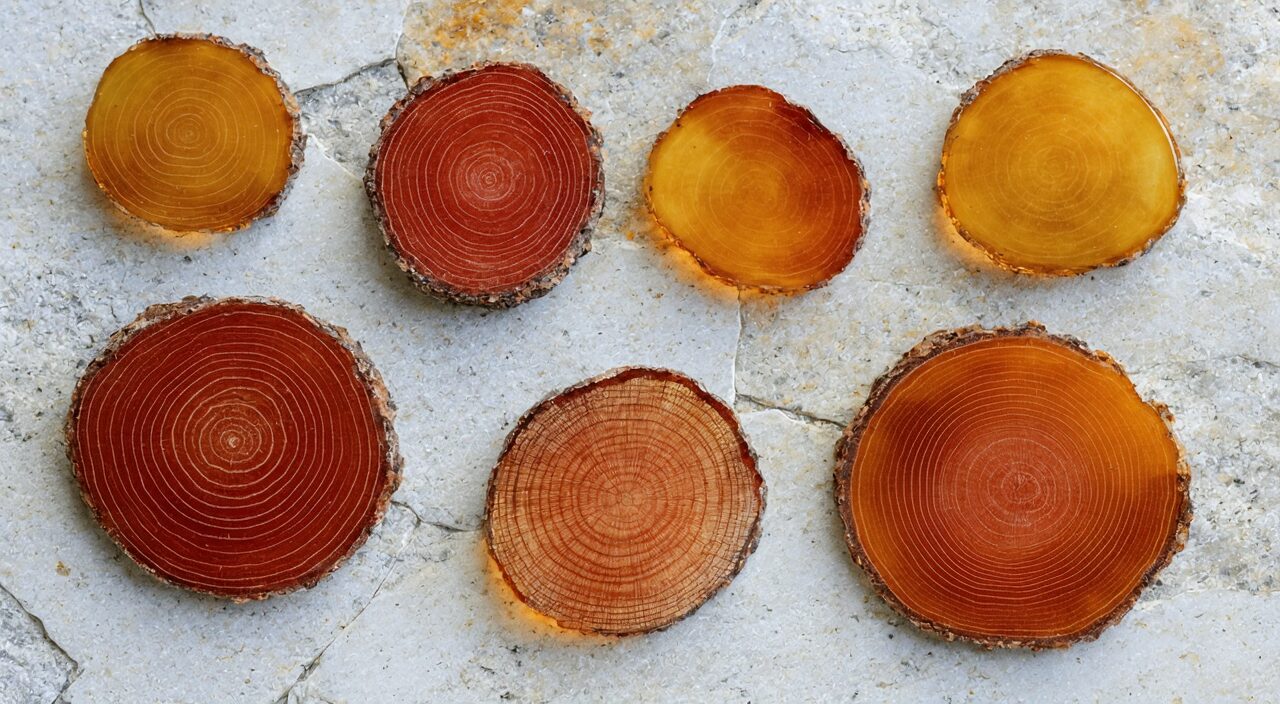
The medicinal part of honey-fried licorice is the same as that of raw licorice: the root and rhizome of the plant. The difference lies in the processing: after thorough cleaning, soaking, and cutting, the slices are mixed with refined honey and stir-fried until no longer sticky.
Harvesting usually occurs in spring and autumn. After digging up the roots, the fibrous roots and silt are removed, and they are cut into thick slices or sections while fresh before drying. The subsequent honey-frying process coats the prepared slices with a thin honey film: the surface color becomes deeper, the cut surface texture remains clear, the pieces feel slightly sticky to the touch, and a distinct honey aroma is evident.
Commercially available honey-fried licorice pieces are mostly roundish or oval thick slices, about 2–4 mm thick, with edges that may be slightly curled. Medicinal material prepared from this root and rhizome differs significantly from the original licorice in both slice form and overall characteristics, which also defines its application positioning in traditional use as distinct from raw licorice.
How Does Traditional Chinese Medicine Understand Honey-Fried Licorice?
Traditional Chinese medicine primarily understands honey-fried licorice through its nature, flavor, meridian tropism, and actions.
It is sweet in flavor and neutral in nature, entering the Heart, Lung, Spleen, and Stomach meridians. After honey-frying, the sweet flavor is enhanced and its medicinal nature becomes more moderate. On this basis, honey-fried licorice is more inclined to tonify the spleen and stomach, boost qi, and restore the pulse, while it less often takes on the roles of clearing heat or drastic harmonization.
Some classical literature mentions it for patterns such as lassitude and lack of strength due to spleen qi deficiency, poor appetite, or for regulating directions like palpitations and bound or intermittent pulse. However, whether it is appropriate for a specific presentation still requires comprehensive assessment of the individual’s overall condition, tongue, and pulse; one cannot simply match symptoms directly.
What Constituents and Actions of Honey-Fried Licorice Are Focused on in Modern Research?
Modern research on honey-fried licorice focuses mainly on the following types of constituents:
- Triterpenoid saponins: Such as glycyrrhizic acid. Its content may change after honey-frying; some studies have observed a decrease in glycyrrhizic acid but conversion into more easily absorbed forms. This area remains under active investigation.
- Flavonoids: Including liquiritin, isoliquiritigenin, etc. These constituents have shown certain antioxidant and anti-inflammatory potential in experimental studies.
- Polysaccharides: Associated with directions like immune regulation and gut microbiota.
In in vitro and animal experiments, extracts of honey-fried licorice have demonstrated effects such as regulating heart rhythm, protecting gastric mucosa, and suppressing cough and expelling phlegm. It is important to note that these findings are largely based on compositional analysis and experimental research and cannot be simply equated to direct effects in the human body. Currently, high-quality clinical evidence in humans is still relatively limited; therefore, experimental conclusions should not be taken as clinical certainties.
How Does Honey-Fried Licorice Differ from Similar Medicinal Substances?
The one most easily confused with honey-fried licorice is raw licorice. Additionally, commercially available honey-fried astragalus (mi zhi huang qi) differs in both source and use. The following comparison can help distinguish them:
| Comparison Item | Honey-Fried Licorice | Raw Licorice | Honey-Fried Astragalus (Commonly Confused) |
|---|---|---|---|
| Source & Processing | Root and rhizome of licorice species, stir-fried with refined honey | Root and rhizome of licorice species, directly dried and sliced | Root of Astragalus mongholicus or Astragalus membranaceus, honey-fried |
| Appearance | Reddish-brown or dark brown, glossy, supple and slightly sticky, obvious honey aroma | Grayish-brown or reddish-brown, cut surface yellowish-white, markedly fibrous and powdery, almost no honey aroma | Outer surface pale brownish-yellow to dark brown, cut surface has a honey-moistened feel, with honey aroma and beany odor |
| Nature, Flavor & Application Emphasis | Neutral tending warm; tonifies spleen and stomach, boosts qi, restores pulse | Neutral tending cool; clears heat, dispels phlegm and stops cough, harmonizes other herbs | Warm; tonifies center and boosts qi, raises yang and stabilizes exterior |
| Traditional Selection Approach | For deficiency patterns: spleen-stomach weakness, lassitude, palpitations | For heat-toxin directions: sore throat, sores and abscesses, drug or food poisoning | For qi deficiency with sinking: chronic diarrhea with prolapse, spontaneous sweating and shortness of breath |
Although both undergo honey-frying, they are completely different medicinal substances and should be carefully distinguished before use.
Which Formulas Use Honey-Fried Licorice?
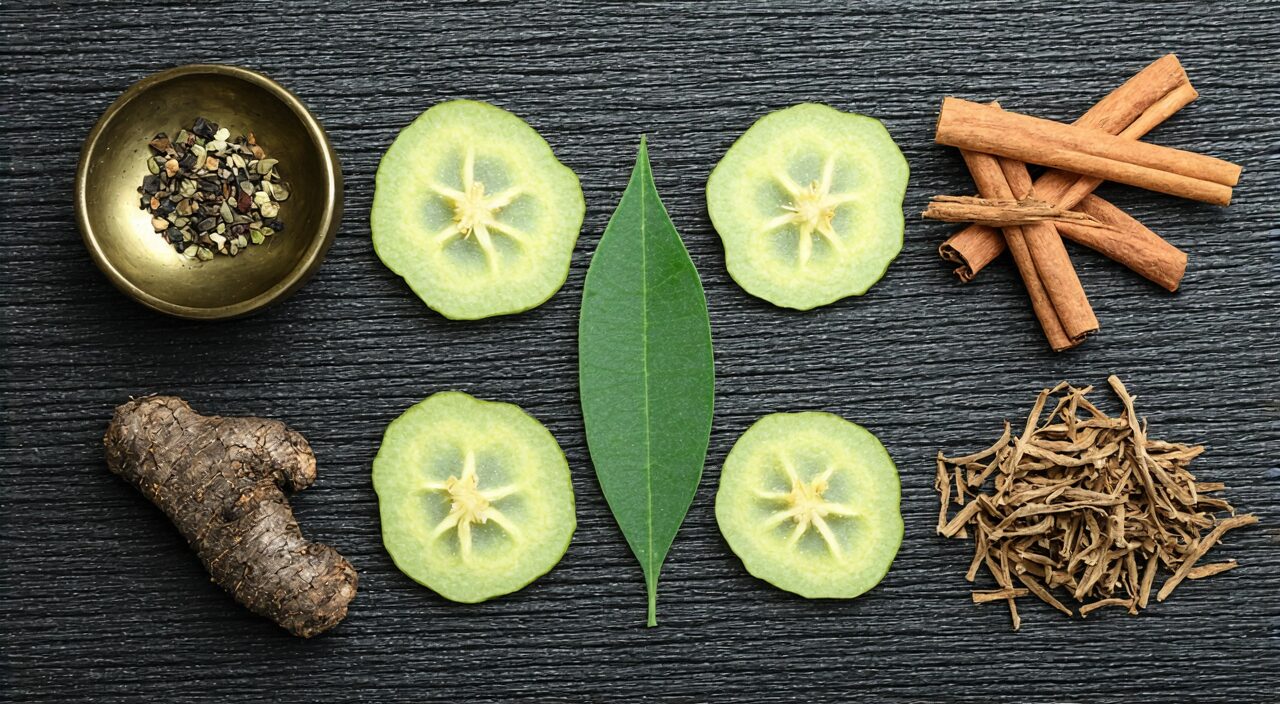
Honey-fried licorice plays an important role in many classical formulas. It is often not merely an “assistant or guide” but a pillar supporting the formula’s core intent. Below are several common formulas that use honey-fried licorice, summarized only from the perspective of traditional composition; they do not represent personal usage advice.
- Honey-Fried Licorice Decoction (Zhi Gan Cao Tang): From Treatise on Cold Damage, with honey-fried licorice as the sovereign herb, combined with raw rehmannia, donkey-hide gelatin, ophiopogon, cinnamon twig, etc., aiming to boost qi and nourish yin, unblock yang and restore the pulse. Traditionally used for bound or intermittent pulse and palpitations. In this formula, honey-fried licorice tonifies the center and boosts qi, generating qi and blood to restore the pulse, and is considered the pivotal point of the entire prescription.
- Cinnamon Twig Decoction (Gui Zhi Tang): Here, honey-fried licorice is used with cinnamon twig, peony, fresh ginger, and jujube. It not only boosts qi and harmonizes the center but also synergizes with cinnamon twig (acrid-sweet to transform yang) to release the muscle layer, and with peony (sour-sweet to transform yin) to harmonize the nutritive qi. Regulating the nutritive and defensive while attending to central qi is its critical role in this formula.
- Minor Construct the Middle Decoction (Xiao Jian Zhong Tang): This is Cinnamon Twig Decoction with double peony plus maltose. Honey-fried licorice tonifies the spleen and boosts qi within it, working together with maltose, cinnamon twig, and peony to warm the center, tonify deficiency, and harmonize the interior to relieve spasms. For manifestations like central burner cold deficiency and acute abdominal pain, traditional thinking often considers this direction.
- Ephedra Decoction (Ma Huang Tang): Honey-fried licorice is used with ephedra, cinnamon twig, and apricot kernel, primarily playing a role of moderating the medicinal nature and boosting qi to protect the center, preventing excessively harsh diaphoresis from ephedra and cinnamon twig that could damage the right qi. Without the harmonizing effect of honey-fried licorice, the formula’s drastic nature would be markedly increased.
The compositional principles of these formulas vary, but honey-fried licorice is never a dispensable presence in them. Whether these classical combinations are needed should be based on individual constitution and specific presentations, and judged under the guidance of an experienced professional.
What Precautions Should Be Taken When Using Honey-Fried Licorice?
Even for a widely encountered Chinese medicinal herb, key points still require attention when using honey-fried licorice.
First, glycyrrhizic acid and its metabolites in licorice can cause water and sodium retention and increased potassium excretion. Long-term or high-dose use may lead to edema, elevated blood pressure, hypokalemia, and other issues. Therefore, individuals with pre-existing hypertension, a tendency toward edema, hypokalemia risk, or severe cardiac or renal insufficiency should be particularly cautious with honey-fried licorice and make decisions under a physician’s guidance.
Second, the single dose and duration of use should follow professional advice; one should not arbitrarily increase the dose or use it long-term as a health supplement. The following groups especially need to avoid unsupervised use:
- Pregnant and breastfeeding women
- Children
- Those concurrently taking diuretics, cardiac glycosides, or similar medications
If unexplained fatigue, palpitations, edema, or blood pressure fluctuations occur, consider pausing use and consulting a professional. Although honey-fried licorice is common, it is by no means “suitable for everyone and harmless in large amounts.”
Summary
Honey-fried licorice is the honey-fried processed product of licorice, with clear differences from raw licorice in appearance, nature, flavor, and traditional application direction. It leans more toward tonifying the spleen and stomach, boosting qi and restoring the pulse, and assumes a unique compositional role in formulas such as Honey-Fried Licorice Decoction and Cinnamon Twig Decoction.
Understanding this information can help readers add a layer of judgment when encountering related products. However, any use must be combined with individual actual conditions and professional advice. This article is for informational reference only and cannot replace professional diagnosis or treatment recommendations.