
What Is Zhuli? Medicinal Parts, Identification Methods and Common Formulas
Zhuli is not just any bamboo leaf water; it is the liquid that seeps out when fresh bamboo stems are heated or roasted. In traditional Chinese medicine, it is regarded as a medicinal substance that clears heat, resolves phlegm, calms fright, and opens the orifices. For readers who want to understand the source, appearance, and practical applications of Zhuli, the following content introduces it from multiple perspectives.
What Does Zhuli Look Like? How to Identify It?
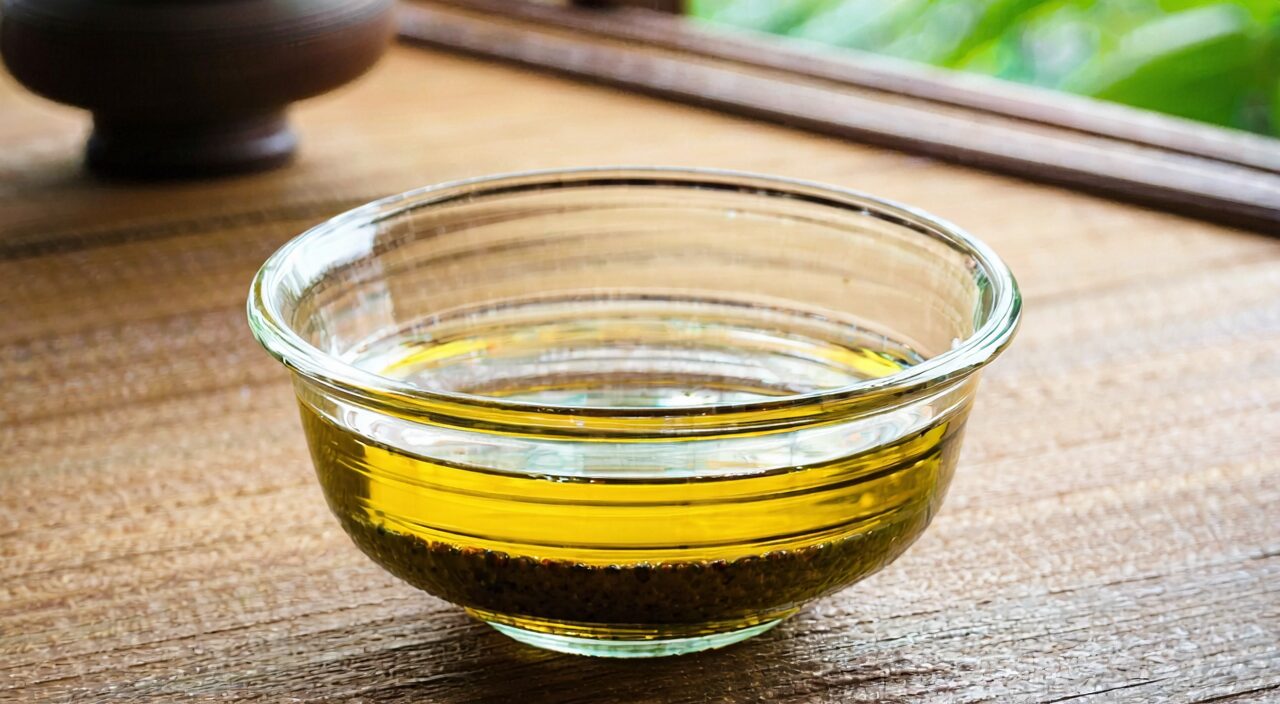
Traditionally prepared Zhuli appears as a clear liquid, ranging from greenish-yellow to yellowish-brown, with a bright color and a consistency slightly thicker than water. When poured into a transparent container, the liquid shows good light transmission without obvious turbidity. After standing for some time, a small amount of whitish or pale yellow sediment may appear at the bottom—this is the result of natural components aggregating and settling, which is normal; simply shake gently to restore uniformity. However, if the liquid becomes entirely turbid, darkens to black, or develops large amounts of cotton-like floating matter accompanied by a distinct sour or rotten smell, it has likely spoiled.
In terms of odor, good-quality Zhuli has a subtle bamboo fragrance, not pungent, with a fresh plant scent when lightly sniffed. On the palate, Zhuli tastes slightly bitter at first, then a faint sweet aftertaste arises at the base of the tongue, leaving a lubricating sensation in the throat. In traditional identification, high-quality Zhuli often shows a slight “legs” effect—after swirling, it coats the glass and flows down slowly—whereas inferior or watered-down products are too fluid. These sensory characteristics can serve as a visual reference for identifying Zhuli, but the most reliable approach is to choose standardized products with clear quality specifications.
What Are the Medicinal Parts of Zhuli?
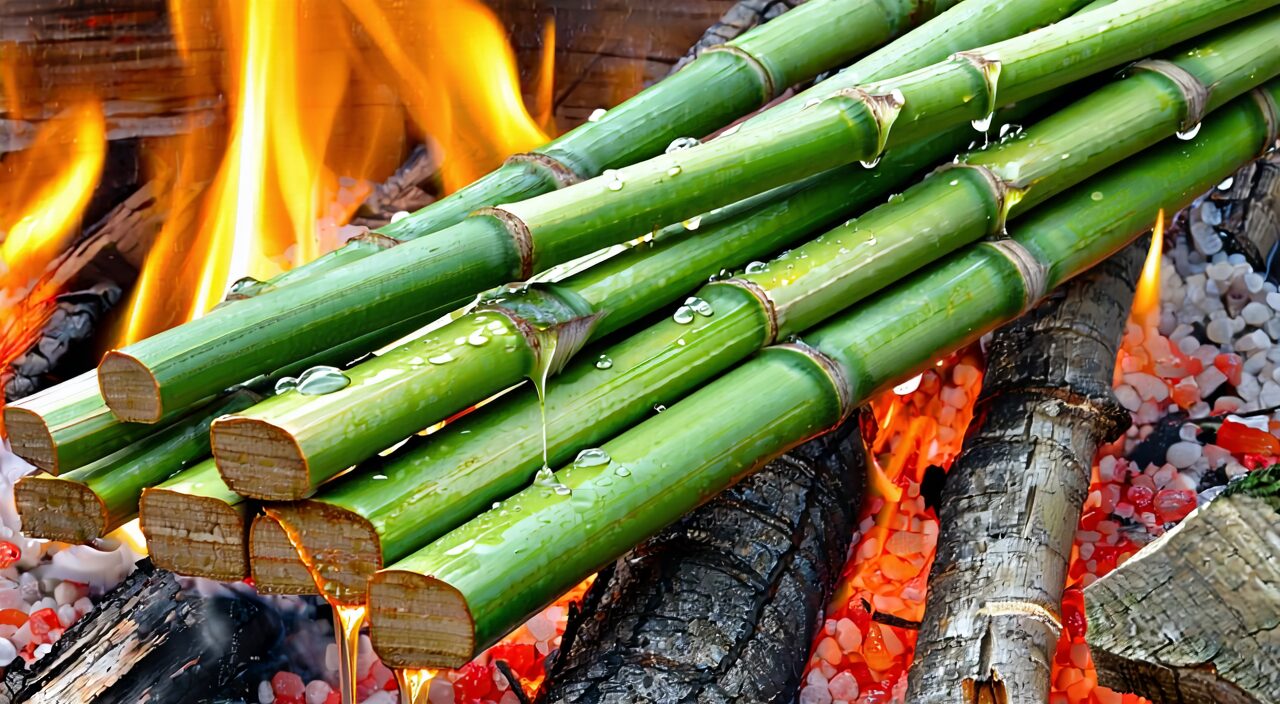
The medicinal part of Zhuli is not a fixed organ of the bamboo plant, but a processed product obtained from the bamboo culm. Specifically, fresh bamboo stems (usually from species such as Phyllostachys glauca and other related bamboos) are cut into sections of suitable length, then roasted over a fire or heated by steam, causing the juices inside to seep out and drip from both ends. The liquid is collected while hot and filtered to remove debris. The freshly obtained juice must be quickly filtered to remove fragments and other impurities; after cooling, it becomes fresh Zhuli. Because fresh Zhuli is rich in nutrients and spoils easily at room temperature, it was traditionally prepared and used immediately. In modern products, it is more common to find filtered, sterilized, sealed liquid oral preparations of fresh Zhuli, as well as Chinese patent medicines that use Zhuli as a main ingredient, such as Zhuli Datan Wan. Regardless of the form, the medicinal foundation always derives from the liquid exuded by heated bamboo stems, not from decoctions made from bamboo leaves, other herbs, or bamboo roots.
How Does TCM View Zhuli?
Traditional Chinese medicine often understands Zhuli’s action from the perspective of clearing heat, resolving phlegm, calming fright, and opening the orifices. Zhuli is cold in nature and smooth-flowing; it enters the heart, liver, and lung meridians, and excels at traveling through the channels and searching out phlegm-heat. In TCM theory, intermingled phlegm-heat can cause various disorders, such as phlegm-heat obstructing the lung leading to cough with yellow sputum, wheezing, and dyspnea; phlegm-heat harassing the heart causing irritability, insomnia, and bitter taste; and phlegm-heat stirring liver wind manifesting as convulsions of the limbs, clenched jaw, or even sudden collapse. Because Zhuli is cold, it can clear heat; because it is smooth, it can wash away phlegm turbidity from the collaterals. Thus, it is often used as an auxiliary substance in treatment, combined with other medicinals. Practitioners throughout history have been very particular about timing and dosage; it is not suitable for all types of excessive phlegm, and they usually emphasize the key feature of “phlegm-heat.” For cold-phlegm or damp-phlegm patterns, Zhuli is not indicated. Therefore, the use of Zhuli must be based on TCM pattern differentiation and cannot be applied indiscriminately at the mere sight of phlegm.
What Directions Does Modern Research Focus On?
Modern research on Zhuli mainly focuses on its chemical composition and in vitro activities. Analysis shows that Zhuli contains various amino acids, organic acids (such as malic acid and citric acid), phenolic compounds, and small amounts of mineral elements like silicon and calcium. Some phenolic substances are thought to be associated with Zhuli’s antioxidant and anti-inflammatory activities. Some animal experiments and in vitro studies suggest that Zhuli may help dilute and expel respiratory secretions, which to some extent echoes the traditional description of “resolving phlegm.” However, these experimental findings are still difficult to translate directly into clinical recommendations because the human internal environment is complex, and Zhuli’s mode of action and safe dosage still require more high-quality research for verification. Objectively, modern research on Zhuli is still in an exploratory stage and cannot yet serve as the sole basis for guiding daily use.
What Are the Differences Between Zhuli, Zhuru, and Fresh Zhuli Preparations?
Many people easily confuse Zhuli, Zhuru, and commercial fresh Zhuli preparations, but in fact there are clear differences among the three. Zhuru is taken from the middle layer of the bamboo stem, shaved into thin strips and dried; it is a pale yellowish-white, flexible, fibrous solid. Its primary actions lean toward harmonizing the stomach, redirecting rebellious qi, clearing heat, transforming phlegm, and stopping vomiting, and it is often used for stomach-heat vomiting, morning sickness, and the like. Zhuli is a liquid with a strong dispersing nature, adept at transforming phlegm-heat in the channels and collaterals. Although they come from the same source, their medicinal parts and forms differ, and their application focus is also distinct.
Commercially available fresh Zhuli preparations are oral liquid formulations made from fresh Zhuli through modern pharmaceutical processing. They typically have clear product standards covering characteristics, pH, relative density, microbial limits, and more. Unlike raw Zhuli collected directly by folk methods, they offer better quality control and safety. When purchasing, one should carefully examine the product packaging for the approval number, ingredient list, expiration date, and other information to distinguish fresh Zhuli preparations from ordinary beverages and ensure compliant use.
Which Formulas Use Zhuli?
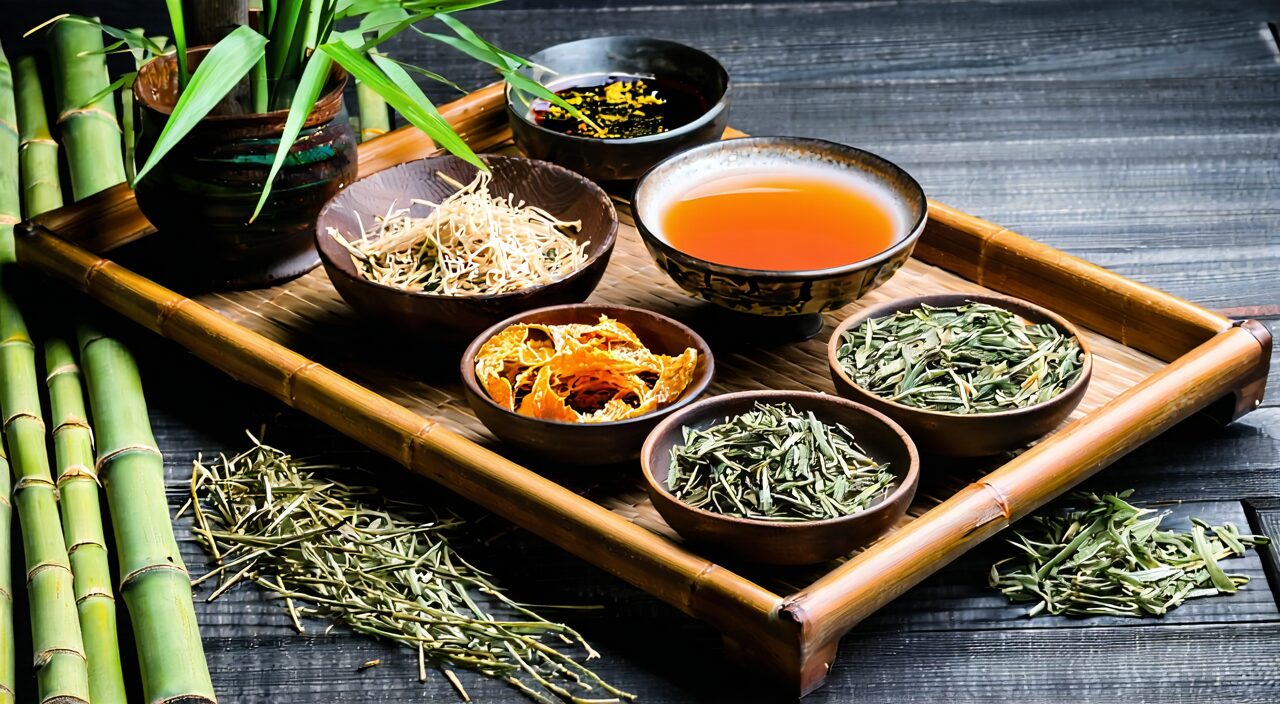
Although Zhuli mostly plays an assistant role in many formulas, it often provides the finishing touch. Below are several representative formulas:
- Zhuli Datan Wan: This name directly reflects the importance of Zhuli in the formula. The prescription combines Zhuli with Pinelliae Rhizoma Praeparatum (Fa Ban Xia), Citri Reticulatae Pericarpium (Chen Pi), Scutellariae Radix (Huang Qin), Poria (Fu Ling), Rhei Radix et Rhizoma (Da Huang), and others. Traditionally, it is used for phlegm-heat accumulating in the lung with cough, abundant yellow thick sputum, and chest and epigastric fullness. In this formula, Zhuli smoothly unblocks the collaterals and searches out deep-lying phlegm; Ban Xia and Chen Pi dry dampness and transform phlegm; Huang Qin and Da Huang clear heat and promote bowel movement, together producing a phlegm-clearing, heat-clearing effect. This combination approach is very helpful for understanding the traditional use of Zhuli, but it must be emphasized that whether it suits an individual must be determined based on pattern differentiation; one should not blindly compare symptoms and self-prescribe.
- Di Tan Tang: This formula was originally recorded in the book “Qi Xiao Liang Fang” (Effective Formulas). It consists of Ban Xia, Arisaema Cum Bile (Dan Nan Xing), Citri Reticulatae Exocarpium Rubrum (Ju Hong), Aurantii Fructus Immaturus (Zhi Shi), Fu Ling, Ginseng (Ren Shen), Acori Tatarinowii Rhizoma (Shi Chang Pu), Zhu Ru, Glycyrrhizae Radix (Gan Cao), Sheng Jiang, and others; it does not originally contain Zhuli. In later clinical modifications, however, when encountering acute, severe cases with profuse phlegm-drool, stiff tongue preventing speech, and a slippery, forceful pulse, Zhuli is often added to enhance the power of flushing out phlegm-heat from the channels and help open the orifices and restore consciousness. This reflects the flexibility of clinical adaptation, but it must not be understood that Di Tan Tang must be combined with Zhuli, nor is it suitable for ordinary home management.
- Zhuli Tang: The Tang-dynasty text “Qian Jin Yao Fang” (Essential Prescriptions Worth a Thousand Gold) records several Zhuli Decoctions. One of them combines Zhuli with fresh ginger juice and fresh kudzu (raw Pueraria) juice for phlegm-heat disturbing the interior, causing heart vexation, agitation, and sudden collapse. In this formula, Zhuli clears heat and resolves phlegm; ginger juice warms the middle, harmonizes the stomach, and prevents excessive cold; and fresh kudzu juice generates fluids and dispels pathogens. The three work together, reflecting the approach of combining cold and warm medicinals. It must be specifically pointed out that this formula targets relatively urgent and severe heat-phlegm excess patterns; modern applications are extremely restricted and can only be used in medical institutions with resuscitation capabilities under strict pattern differentiation by an experienced TCM physician.
The above three formulas demonstrate how the use of Zhuli has evolved in the hands of different practitioners across different eras. They serve more as a way to understand traditional prescribing thought, rather than as “recipes” to be self-applied. Any selection or modification of a formula should be discussed with a professional.
What Precautions Should Be Taken When Using Zhuli?
When using Zhuli or Chinese patent medicines containing Zhuli, there are several safety precautions to know in advance. First, Zhuli is cold in nature and can easily damage the spleen and stomach yang qi. People who usually have a cold and deficient spleen and stomach, with symptoms such as poor appetite, abdominal bloating, loose stools, and a preference for warmth and aversion to cold, are generally not suitable to use it; otherwise, it may worsen diarrhea or indigestion. Pregnant women, breastfeeding women, and infants, due to their special constitutions and lack of safety research data, should consult a doctor before use.
Second, Zhuli and its preparations are highly susceptible to microbial contamination once opened. Once a commercially available fresh Zhuli preparation is opened, it should be tightly sealed, refrigerated, and used within the specified time. If it becomes turbid, the bottle swells, or a sour taste develops due to prolonged or improper storage, it should no longer be taken. Never buy bamboo stems and try to roast Zhuli at home. This not only makes it difficult to control the heat and purity, but may also introduce harmful substances such as smoke tar and dust particles, posing unpredictable risks.
Finally, if symptoms such as excessive phlegm, cough, and chest tightness persist for days without improvement, or are accompanied by warning signs like high fever, difficulty breathing, palpitations, or bluish lips, seek medical attention at a reputable healthcare facility promptly rather than continuing to rely on Zhuli or other Chinese patent medicines. TCM regulation requires a clear pattern differentiation basis; no single herb should be regarded as a standard solution for a disease.
Summary
Zhuli is a clear, slippery liquid exuded by bamboo stems upon heating. Traditional Chinese medicine mainly uses it to clear heat, resolve phlegm, calm fright, and open the orifices. It differs from the solid medicinal Zhuru and modern preparations in form, processing, and application. Formulas such as Zhuli Datan Wan demonstrate its combination strategy, but whether it is suitable must be evaluated based on individual constitution and pattern differentiation. Safe use of Zhuli requires attention to contraindications such as spleen-stomach cold deficiency, storage conditions, and avoiding homemade methods. This article is for educational purposes on Chinese medicine knowledge only and cannot replace professional diagnosis or treatment advice. If you have health concerns, please consult a licensed physician.