
What Is Zi He Che? Medicinal Parts, Identification, and Common Formulas
The name Zi He Che is both familiar and unfamiliar to many people. It is familiar because it is often mentioned among traditional tonic medicinal materials; it is unfamiliar because it is not a common plant-based Chinese medicine, but is derived from the human placenta. Many people want to understand what Zi He Che is, what it looks like, why it is used as medicine, which formulas use it, and what safety risks it carries. This article provides an as objective introduction as possible to Zi He Che from the perspective of traditional Chinese medicine education, combined with modern medicine and regulatory concepts.
What Does Zi He Che Look Like? How Is It Identified?
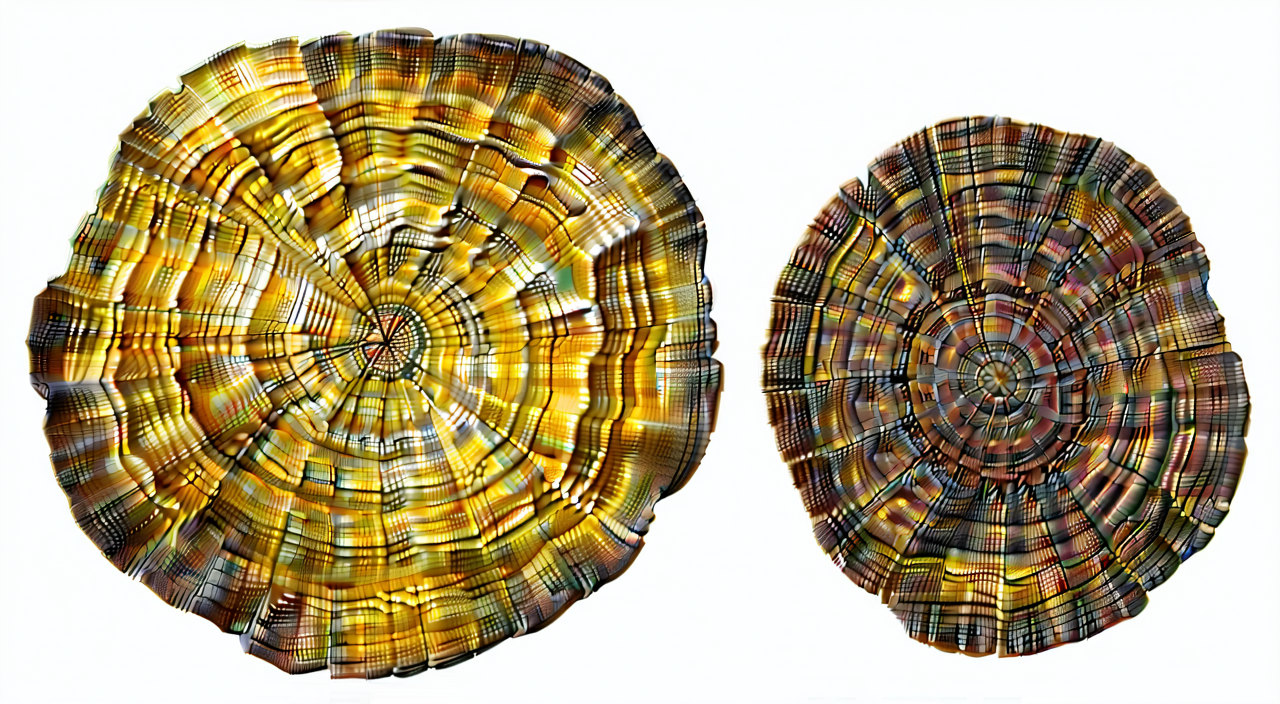
The medicinal form of Zi He Che is quite distinctive. Traditionally processed Zi He Che is usually irregularly disc-shaped, oval-shaped, or pressed into flat pieces, and the size and thickness are not completely uniform. The surface is often yellowish-brown, purple-brown, or dark brown, with a relatively hard and brittle texture. On close inspection, membranous structures, grooves, and faint vascular markings may be visible. These features come from its original tissue.
It is important to note that the “identification” discussed here is mainly intended to help readers develop a literature-based understanding of Zi He Che as a medicinal material, rather than to encourage ordinary people to use it as a basis for purchasing or making their own judgments. Different origins and processing methods can cause differences in appearance. More importantly, appearance alone cannot determine whether the source is safe or whether it has been reliably processed and tested. Therefore, ordinary readers should not handle, purchase, or attempt to process human tissue-derived medicinal materials of unknown origin or abnormal appearance.
What Is the Medicinal Part of Zi He Che?
In the traditional Chinese medicine system, the medicinal part of Zi He Che is not the root or fruit of a plant. Instead, it is the dried product of a healthy mother’s placenta after processing. It belongs to the category of animal tissue medicinal materials and also has the special nature of being derived from human tissue. Traditional processing usually includes removing excess tissues such as the amniotic membrane and umbilical cord, followed by cleaning, steaming, boiling, and drying to make prepared medicinal slices.
Because of its special source, Zi He Che cannot be equated with ordinary agricultural products or common tonic products. A legal, traceable source of human placenta that has undergone standardized testing is a prerequisite for discussing its medicinal value. Human tissue of unknown origin carries both legal and ethical issues and may also pose infection risks. Therefore, under no circumstances should human tissue of unknown origin be purchased, given away, or processed on one’s own as an ordinary commodity.
How Does Traditional Chinese Medicine Understand Zi He Che?
Traditional Chinese medicine understands Zi He Che mainly around the concept of “tonifying and replenishing.” Ancient texts often classify it as a deficiency-tonifying medicinal, describing its flavor as sweet and salty, its nature as warm, and its meridian tropism mainly involving the lung, liver, and kidney meridians. In traditional contexts, Zi He Che is often used for purposes such as “warming the kidney and replenishing essence” and “boosting qi and nourishing blood.” It is mentioned in TCM pattern differentiation approaches for prolonged illness with deficiency, consumption and insufficiency, and qi and blood deficiency.
However, these statements are summaries of traditional experience and are not equivalent to proof of efficacy in the modern medical sense. Whether a person’s constitution and symptoms are suitable for referring to such traditional uses needs to be determined by a TCM practitioner through comprehensive assessment of the tongue, pulse, general condition, and other factors. Using Zi He Che on one’s own based on concepts such as “deficiency” and “tonification” may overlook infection risks and individual differences and should not be encouraged.
How Does Modern Research View Zi He Che?
From the perspective of modern medicine, the most important concern with Zi He Che is not its tonic effects, but safety, evidence, and ethical boundaries.
Infection Risk Is the Primary Concern
Whether the source and processing are standardized directly affects the risk. The placenta may carry pathogens such as viruses and bacteria. Without strict screening and inactivation, it may pose infection risks such as hepatitis B, hepatitis C, and HIV. Even after certain processing, it cannot simply be called “risk-free.”
Hormones and Active Substances Create Uncertainty
The placenta contains human hormones and various active substances. For people with hormone-sensitive diseases, special immune system conditions, or certain high-risk tumor profiles, blind use may lead to uncertain effects. Such situations must be evaluated under medical guidance rather than attempted on one’s own.
Limited Evidence and Strict Ethical Boundaries
Modern clinical research still provides only limited validation for the traditional tonic uses of Zi He Che. Many claims remain at the level of experience and lack support from high-quality, reproducible human studies. Therefore, the public should view Zi He Che from the dual perspectives of traditional culture and modern risk management.
Ethically, the source of human tissue, informed consent, and the boundaries of commercialization are highly sensitive. Many countries and regions strictly restrict the use of human placenta in food, ordinary goods, or non-medicinal purposes. When discussing Zi He Che, one cannot focus only on its effects while ignoring these prerequisites.
What Are the Differences Between Zi He Che, Placenta Capsules, and Animal Placenta Products?
Zi He Che and some “placenta capsules” or “placenta powder” products on the market are not exactly the same. Zi He Che usually refers to processed human placenta used as a traditional Chinese medicine decoction piece or as a raw material in Chinese patent medicines, and its regulatory pathway may fall under drugs or medicinal materials. In contrast, some placenta capsules may come from human or animal placentas, with substantial differences in source, processing standards, quality control, and regulatory requirements.
Animal placenta products may come from animals such as sheep or deer, and some are sold as health foods or ordinary foods, but this does not mean they can replace Zi He Che. Human placenta involves more ethical and infection risks and has a higher threshold for use. Equating placenta capsules of unknown origin with Zi He Che, or even believing that “animal placenta is safer” or “human placenta is more nourishing,” is not rigorous. Any placenta-related product must be judged by its specific source, testing, approval, and local regulations, not by name alone.
Which Formulas Use Zi He Che?
In some traditional tonifying formulas, Zi He Che may appear as one of the ingredients. Relatively common examples include He Che Da Zao Wan, Da Zao Wan, and Bu Tian Da Zao Wan. These formulas have similar names, but their specific compositions, combination strategies, and traditional application directions are not exactly the same.
He Che Da Zao Wan is often discussed in the traditional context of benefiting the kidney and lung and replenishing deficiency and consumption. Da Zao Wan and Bu Tian Da Zao Wan are also often associated with warming and tonifying and replenishing essence. They are usually not single-ingredient Zi He Che products, but combinations of multiple medicinal materials. Whether a formula is suitable for a particular person requires comprehensive judgment based on constitution, symptoms, product instructions, and professional advice. Different formulas may target different TCM pattern differentiation directions, so one should not choose them on one’s own based only on vague feelings such as “physical deficiency” or “poor energy.”
What Precautions Should Be Taken When Using Zi He Che?

The first issue when using Zi He Che is source safety. Human placenta products of unknown origin or with incomplete testing may carry pathogens and should not be purchased, taken, or given to others. Even Zi He Che from a legal source may not be suitable for every individual.
During pregnancy, breastfeeding, hormone-sensitive diseases, immune system disorders, or certain high-risk tumor populations, self-use of Zi He Che is generally not recommended. Long-term fatigue, recurrent discomfort, obvious weight loss, low mood, or body pain often require identifying the cause first, rather than using tonic medicinal materials on one’s own to mask the problem. If symptoms persist, worsen, or are accompanied by significant anxiety, depression, palpitations, chest tightness, pain, abnormal breathing, or other conditions, consult a doctor or qualified professional.
In addition, ethics and local regulations are boundaries that cannot be ignored. Different regions have different restrictions on medicinal materials, foods, and products derived from human placenta. Whether considering legal risks or personal safety, ordinary readers should not seek out, purchase, or process human tissue of unknown origin.
Summary
Zi He Che is a special type of medicinal material derived from human tissue in traditional Chinese medicine. It needs to be understood from multiple perspectives, including its medicinal source, traditional TCM understanding, modern safety risks, and ethical and regulatory considerations. It may appear in tonifying formulas such as He Che Da Zao Wan, but this should only serve as a direction for understanding. Whether it is suitable for use must be judged in combination with individual circumstances, product instructions, and professional advice. Placenta products of unknown origin or unverified safety should be avoided. This article is for educational reference only and cannot replace professional diagnosis or treatment advice.