
What Is Zi Su Zi (Perilla Fruit)? Medicinal Parts, Identification, and Common Formulas
Many people are familiar with using perilla leaves for cooking or making tea, but are relatively unfamiliar with Zi Su Zi (perilla fruit). Zi Su Zi comes from the mature fruit of perilla, and its medicinal part and action direction are different from perilla leaf and perilla stem. If you want to understand Zi Su Zi from the perspective of traditional Chinese medicine, it is necessary to sort out its appearance identification, medicinal part, differences from commonly confused seeds, and the usage direction of common formulas.
What does Zi Su Zi look like? How to identify it?
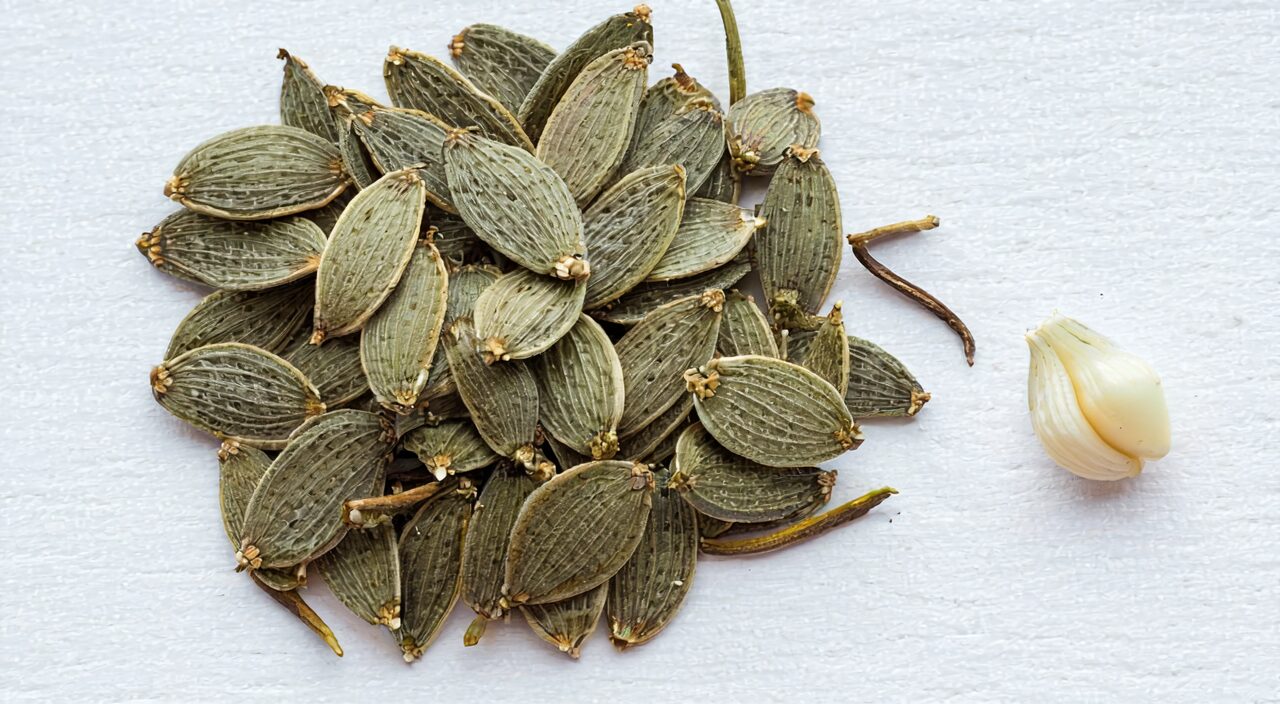
Zi Su Zi is a type of relatively small fruit. When observed with the naked eye, it generally appears sphere-like or ovoid, with a diameter usually between one and two millimeters. The surface color is mostly grayish-brown, grayish-tan, or yellowish-brown. Upon careful observation, one can see slightly raised dark purple or brown reticulate patterns on the surface, which is one of the quite distinctive features of Zi Su Zi. At one end of the fruit, a slightly darker punctate fruit stalk scar can usually be seen.
When rubbed with the hand, Zi Su Zi feels smooth due to its oily kernel. After peeling off the seed coat, the white kernel can be seen inside; after crushing it, an obvious oily mark will be left on the fingers. In terms of smell, after crushing, there is a special pungent and cool aroma, but not as distinctly irritating as white mustard seed. Through these aspects such as shape, color, reticulate pattern, and oily kernel, Zi Su Zi can basically be confirmed.
What is the medicinal part of Zi Su Zi?
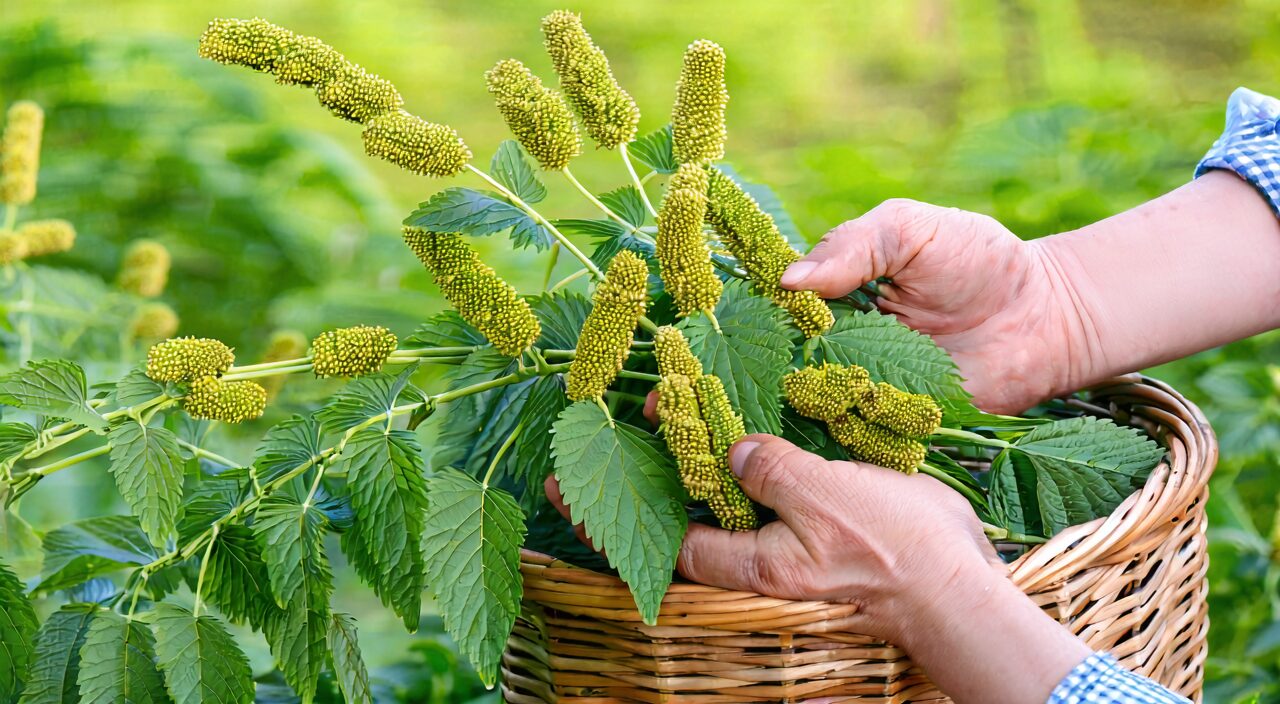
The medicinal part of Zi Su Zi is the dried mature fruit of the labiate plant Perilla frutescens. It is usually harvested in autumn when the fruits are mature. The entire fruit spikes are cut, dried in the sun, and then the fruits are beaten down, after which impurities are removed to obtain clean Zi Su Zi. In different regions or formulas, raw Zi Su Zi is sometimes used, while dry-fried Zi Su Zi is used at other times.
Dry-fried Zi Su Zi is prepared by stir-frying clean Zi Su Zi with gentle fire until popping sounds are heard and the aroma comes out, then taking it out and allowing it to cool. Traditionally, it is believed that dry-frying can moderate the lubricating nature of Zi Su Zi, making it more focused on descending qi and resolving phlegm, and also slightly alleviating its impact on the spleen and stomach. However, even after dry-frying, Zi Su Zi remains an oily and moistening product, and its lubricating downward property is still retained. The direction of use and dosage need to be based on actual body constitution.
How does TCM understand Zi Su Zi?
In traditional Chinese medicine theory, Zi Su Zi is acrid in flavor and warm in nature, entering the Lung and Large Intestine meridians. Its action direction is mainly reflected in descending qi and resolving phlegm, stopping cough and calming panting, and moistening the intestines to promote bowel movements. Because acrid can disperse and move, warm can open and promote circulation, and the fruit itself is rich in oil, Zi Su Zi is especially suitable for conditions where qi in the body rises abnormally and there is congealed phlegm and drool.
When the body, due to phlegm-dampness or external contraction, leads to lung qi failing to descend, manifesting as panting and cough, copious phlegm, and a feeling of fullness in the chest, traditional formulas may consider using Zi Su Zi to help descend lung qi and transform cold phlegm or phlegm-dampness. In addition, for difficult bowel movements caused by intestinal dryness and fluid deficiency, Zi Su Zi is also often used as a lubricating and smoothing intestinal supplement, especially suitable for cases where cough and panting are accompanied by dry stool. However, these are only directions for regulation understood traditionally. Whether it is suitable for an individual still needs to be judged by combining specific symptoms and body constitution.
Some observations from modern research on Zi Su Zi
Modern research mainly focuses on the fatty acids, phenolic acids, and flavonoid components in Zi Su Zi. Zi Su Zi is rich in fatty oil, with a high proportion of unsaturated fatty acids such as linolenic acid and linoleic acid, which is also one of the material bases for its oily and moist characteristics. In addition, phenolic acid components such as rosmarinic acid and flavonoids such as luteolin have also been found in Zi Su Zi.
In some experimental observations, Zi Su Zi extracts have shown certain effects on airway hyperresponsiveness and inflammatory pathways at the cellular or animal level, but these are all exploratory directions and are insufficient to directly infer specific effects on human diseases. Therefore, when understanding this information, it is more suitable to regard it as a material background reference for traditional usage, rather than equating it with therapeutic conclusions.
What are the differences between Zi Su Zi, Bai Jie Zi (White Mustard Seed), and Lai Fu Zi (Radish Seed)?
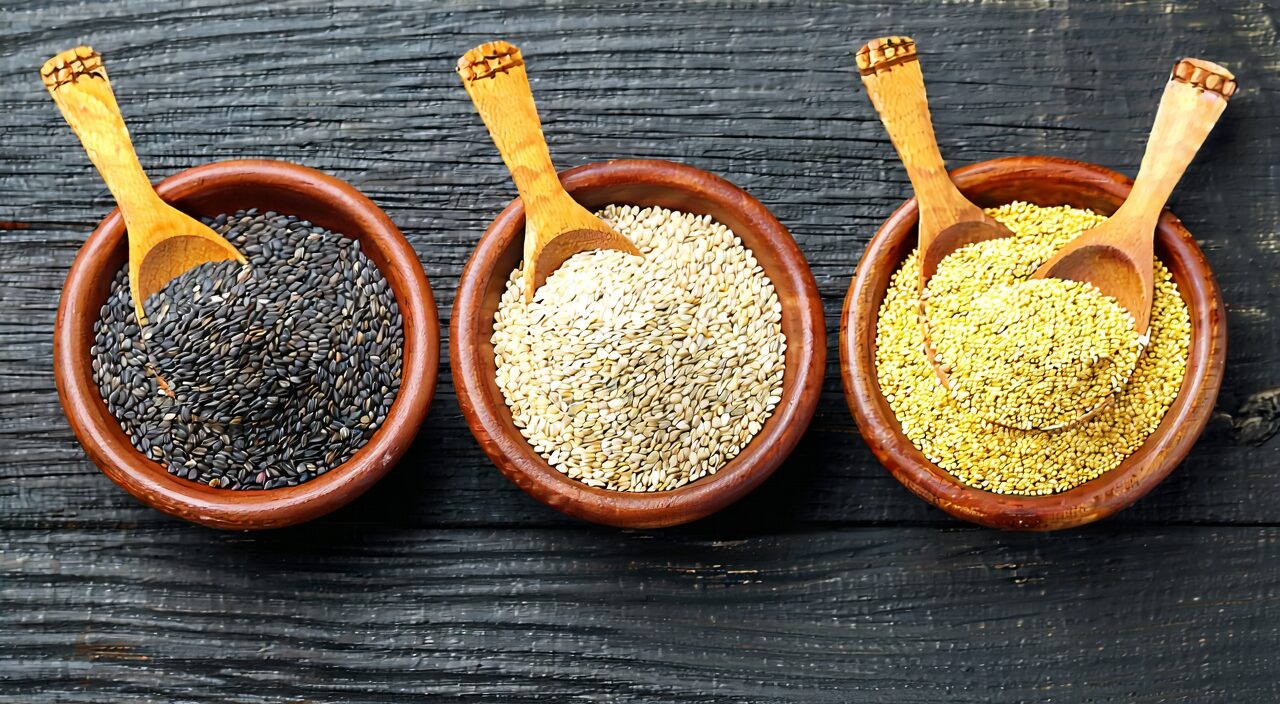
Zi Su Zi, Bai Jie Zi (white mustard seed), and Lai Fu Zi (radish seed) are three types of small seeds that are similar in appearance and are sometimes used together in traditional formulas, but their sources and emphasis are different.
From the appearance, Zi Su Zi is grayish-brown or brown, with a relatively clear reticulate pattern on the surface; when crushed, it has a pungent and cool aroma and the kernel is highly oily. Bai Jie Zi has a surface that is mostly light yellow or grayish-white, with a slightly smaller diameter and a finer reticulate pattern, but its smell is pungent and irritating, like mustard, and the kernel is yellowish-white with a spicy taste. Lai Fu Zi is the mature seed of radish, with a color leaning toward reddish-brown or yellowish-brown and a relatively flatter surface; its kernel is also very oily, but it does not have the special pungent-cool sensation of Zi Su Zi, nor is it as spicy as Bai Jie Zi.
In terms of traditional application emphasis, Zi Su Zi is often classified in the direction of descending qi and resolving phlegm, moistening the intestines and promoting bowel movements, and is more suitable for situations with congealed phlegm and drool, ascending lung qi combined with intestinal dryness. Bai Jie Zi leans toward warming the lung and sweeping phlegm, promoting qi circulation and dissipating masses, and is often used for conditions of congealed cold phlegm, fullness in the chest and hypochondrium, and phlegm-dampness lodged in joints or meridians. Lai Fu Zi emphasizes more on dispersing food and reducing distension, descending qi and resolving phlegm, and is often taken into consideration for undigested food accumulation, abdominal distension, belching, as well as copious phlegm, panting and cough. Although the three can be used together, their partial natures differ, and the selection approach will also vary according to body constitution and manifestations.
Which formulas include Zi Su Zi?
Zi Su Zi is not uncommon in traditional formulas. Many formulas targeting phlegm congestion and qi counterflow, panting, cough, and chest oppression include it as an important ingredient. The following are several relatively representative formulas, intended only as a direction for understanding traditional usage. Specific use requires professional judgment.
Suzi Jiangqi Decoction (Perilla Fruit Decoction for Directing Qi Downward): This formula uses Zi Su Zi as the sovereign medicinal, combined with Ban Xia (Pinellia Rhizome), Qian Hu (Hogfennel Root), Hou Po (Magnolia Bark), Dang Gui (Chinese Angelica Root), etc. Traditionally, it is often used to improve panting and cough, shortness of breath, chest and diaphragm fullness, and soreness and weakness of the lower back and knees caused by upper excess and lower deficiency, with copious phlegm and drool.
Sanzi Yangqin Decoction (Three Seeds Filial Devotion Decoction): Composed of the three ingredients Zi Su Zi, Bai Jie Zi, and Lai Fu Zi. The traditional approach is to disperse food and resolve phlegm, descend qi and relieve fullness. It often has applicable directions for elderly people with copious phlegm and qi counterflow, poor appetite with difficulty digesting, and fullness in the chest and abdomen. This formula typically illustrates the coordination of the three seeds in descending qi, dispersing food, and sweeping phlegm.
Huagai Powder (Huagai San): Contains Ma Huang (Ephedra), Zi Su Zi, Xing Ren (Apricot Kernel), Ju Hong (Red Tangerine Peel), Fu Ling (Poria), etc. Traditionally used for cough with ascending qi, difficult sputum expectoration, nasal congestion and heavy voice caused by wind-cold affecting the lung and impaired lung qi. Zi Su Zi mainly plays the role of descending qi and calming panting in this formula.
Dingchuan Decoction (Arresting Panting Decoction): Composed of Bai Guo (Ginkgo Nut), Ma Huang, Zi Su Zi, Kuan Dong Hua (Coltsfoot Flower), Sang Bai Pi (Mulberry Root Bark), etc. Commonly seen in traditional regulation for panting and cough caused by external cold and internal heat with phlegm-heat binding, manifesting as thick yellow phlegm, rapid panting, etc. Here, Zi Su Zi cooperates with Bai Guo and Ma Huang, one astringing and one dispersing, to help restore the balance between the lung’s diffusing and descending functions.
The above formulas have their own combination logic and scope of application. It is not recommended that individuals apply them based on a single symptom. Especially when there are other underlying problems or when other medications are being used, consulting a Chinese medicine practitioner or pharmacist first is more important.
What are the precautions for using Zi Su Zi?
Although Zi Su Zi is a common medicinal and edible material, not everyone is suitable for routine use. First, people with chronic loose stools, thin and soft stools, or diarrhea due to spleen deficiency already have a tendency toward dampness and slipperiness. Using the oily and downward-moistening Zi Su Zi may aggravate this trend, so special caution is required.
Secondly, for panting and cough caused by qi deficiency, such as conditions with weak speech and lack of strength, low and faint coughing sounds, easy sweating, and sparse white thin phlegm, using Zi Su Zi alone to descend qi may instead consume the healthy qi. Traditionally, it often needs to be combined with qi-tonifying herbs such as Ren Shen (Ginseng) and Huang Qi (Astragalus Root), and it is not advisable to try it alone.
In addition, Zi Su Zi has a high oil content. After dry-frying, if it is stored for too long or under improper conditions, the oil is prone to rancidity and developing a stale, rancid smell. Such Zi Su Zi not only has reduced effectiveness but may also irritate the gastrointestinal tract. It is recommended to regularly check purchased products and stop using them once any off-odor appears.
Another easily overlooked issue is that Zi Su Zi may interact with anticoagulant medications. Zi Su Zi is rich in unsaturated fatty acids, and a tendency toward anti-platelet aggregation has been observed in animal experiments. Although more data is needed regarding effects on the human body, if you are taking anticoagulant drugs such as warfarin or aspirin, it is recommended to consult a doctor or pharmacist before using Zi Su Zi to avoid potential risks.
Summary
Zi Su Zi is the mature fruit of perilla, and its medicinal emphasis is markedly different from perilla leaf and perilla stem. Traditionally, it is considered to have the actions of descending qi and resolving phlegm, moistening the intestines and promoting bowel movements, and is commonly seen in formulas such as Suzi Jiangqi Decoction and Sanzi Yangqin Decoction. By observing its grayish-brown reticulate pattern and oily kernel, it can be distinguished from white mustard seed and radish seed. In practical use, issues such as loose stools, panting and cough due to qi deficiency, and oil rancidity deserve attention. If you are taking anticoagulant drugs, even greater caution is needed. This article is for popular science reference only and cannot replace professional diagnosis or treatment advice. Specific usage directions need to be evaluated by combining individual constitution and professional assessment.