
How to Choose Chinese Medicine Products? A Comparison Guide Covering Dosage Forms, Brands, Origins, Specifications, and Target Users

Want to choose a few Chinese medicine products for yourself or your family? When you open a product page, you may find that under the same name there are pills, granules, oral liquids, and even different brands, specifications, and origins—and suddenly you don’t know where to start. This feeling is quite common. Traditional formulas in modern production have given rise to various product forms. Combined with the special nature of overseas purchasing channels, some sorting and comparison thinking is indeed needed when buying.
Starting from real purchasing scenarios, this article organizes a set of methods: “accurate name → suitable dosage form → clear brand origin → comparable specifications → explicit safety boundaries,” and uses common product types as examples to help you see more clearly and choose more confidently before buying.
Why Does the Same Formula Have Different Products?
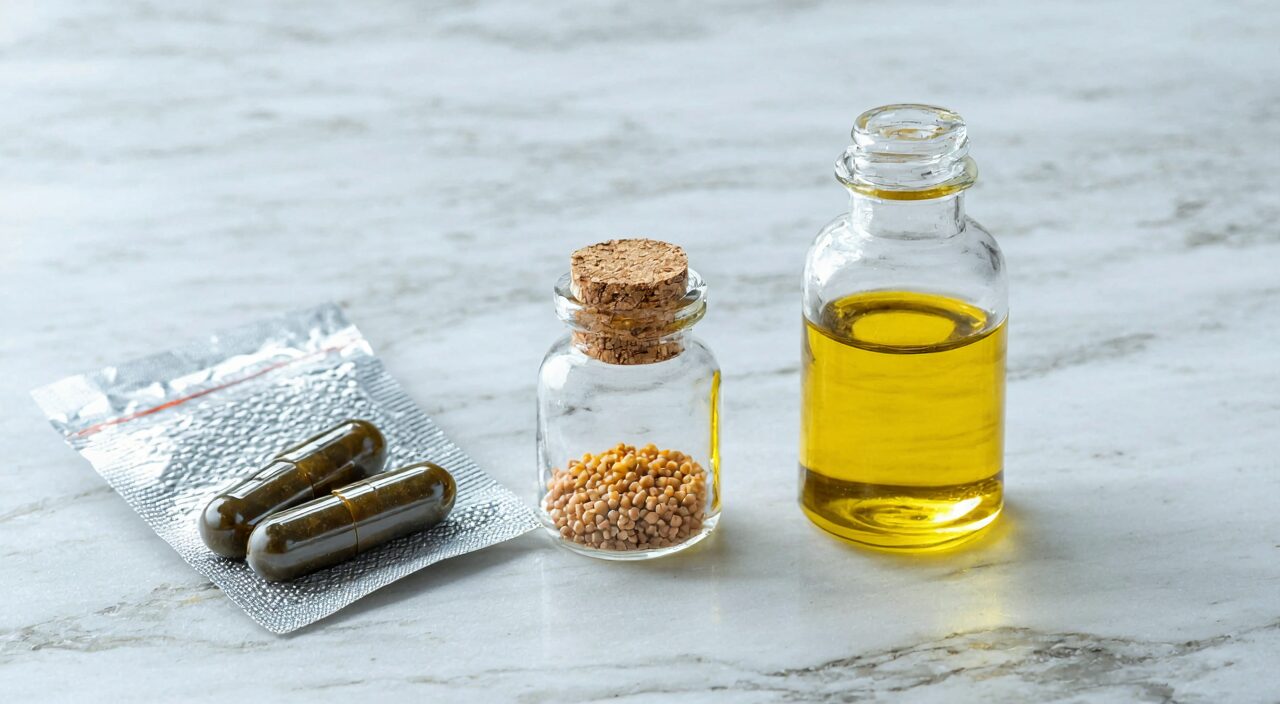
A classic formula, such as Liuwei Dihuang Wan, Guipi Wan, or Shen Ling Baizhu San, often exists in several product forms on today’s market. This stems from both the continuation of traditional usage and the transformation brought by modern preparation techniques, as well as differences in brand positioning, which naturally lead to a wealth of options.
Traditionally, the same formula could be prepared as a decoction, powder, or pill according to need, differing only in preparation conditions and storage methods. In modern times, manufacturers further develop them into granules, oral liquids, and even capsules based on requirements such as ease of use, absorption characteristics, storage, and transportation.
Thus you may find that products related to Siwu Tang come in different forms: some are prepackaged herbal slices that require decoction, some are instant granules ready to drink after mixing with water, and others are convenient oral liquids.
Moreover, different manufacturers also vary in excipients, specifications, packaging, and positioning. So even products sharing the same formula name can differ noticeably in user experience. This is precisely why, when purchasing, you should not only look at the formula name but also pay close attention to the dosage form, specifications, and manufacturer.
Comparison of Common Chinese Medicine Product Types
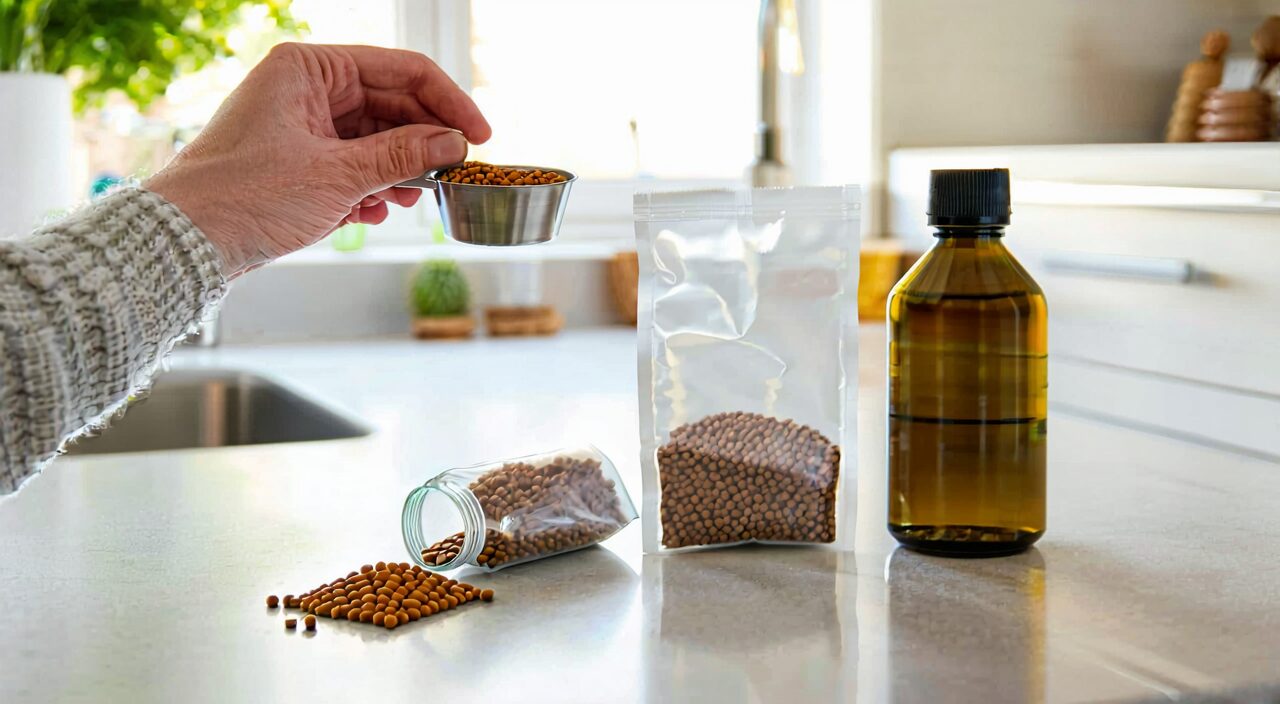
Understanding the characteristics of several common product types can help you choose based on your lifestyle, usage habits, and personal preferences. Please note that only general features are discussed here; for a specific product, refer to its actual labeling.
Chinese Patent Medicines (Zhong Cheng Yao)
Chinese patent medicines refer to finished preparations manufactured according to fixed formulas and processes that have been approved by relevant national or regional authorities. They usually come with clear usage, dosage, intended effects, and precautions. These products have a relatively high degree of standardization, with stable ingredients per batch, and the packaging generally states their functions, indications, or targeted uses.
In many countries and regions, Chinese patent medicines are among the more strictly regulated categories of Chinese medicine products. When purchasing, pay special attention to the approval number, manufacturer, and complete product name on the package to avoid mistaking ordinary foods or dietary supplements for Chinese patent medicines.
Pills (Wan Ji)
Pills are one of the traditional dosage forms, commonly including water pills, honeyed pills, and concentrated pills. Pills are generally easy to take, easy to store, and offer fixed dosages. Traditionally, pills are considered to have a relatively gentle action and are often used for long-term regulation.
However, honeyed pills may contain high amounts of sugar, which some people need to watch out for. In addition, those who have difficulty swallowing may find large honeyed pills inconvenient; in such cases, small water pills or concentrated pills can be considered. When purchasing, compare the number of pills per dose and the specification of each pill to judge whether the actual dosage suits you.
Granules (Ke Li Ji)
Granules are generally dry particles made by extracting and concentrating herbal materials. They are taken by mixing with warm water. Because there is no decoction step, they save time and effort, making them suitable for people who travel frequently or find it inconvenient to spend time boiling herbs.
Granules are often absorbed faster than traditional pills, but they also have certain requirements regarding administration time, dosage, and preparation method. Additionally, different brands of granules can differ significantly in excipients and taste, so you need to assess and choose based on your own situation.
Oral Liquids (Kou Fu Ye)
Oral liquids are taken directly in liquid form. They are absorbed quickly, provide accurate dosing, and are especially suitable for those who have difficulty swallowing pills and find it inconvenient to prepare granules. Some oral liquid products derived from traditional formulas are often flavor-adjusted to improve palatability, making them relatively more acceptable.
However, once an oral liquid is opened, it must be consumed promptly, and storage conditions are strict. When purchasing from overseas, you also need to consider factors such as temperature and light exposure during transportation.
Decoctions and Herbal Pieces (Tang Ji & Yin Pian)
Decoctions closely follow the traditional method of boiling herbs. They are usually supplied as prepared herbal pieces that require soaking, decocting, and straining before ingestion. Their advantage lies in high flexibility, allowing for adjustments in composition and dosage based on individual conditions. However, this must be done under the guidance of a qualified physician or pharmacist; self-formulation is not recommended.
For overseas users, using herbal pieces for decoction also requires considering practical issues such as herbal import regulations, decoction equipment, and disposal of herbal residues, making the overall threshold considerably higher. Many people start with granules or oral liquids before gradually exploring more traditional forms of use.
Herbal Dietary Supplements
This category of products may not be classified as medicines in some countries, but rather as foods or dietary supplements. They are often made from herbal extracts in the form of capsules, tablets, or powders, and their packaging does not claim therapeutic effects, using only general terms to describe the intended direction.
When choosing such products, pay special attention to the ingredient list, suggested daily intake, and the regulatory standards of the country of origin. If taken as part of a daily wellness routine, they can be one direction to explore; but if you already have a clear health concern, it is still advisable to consult a professional first and not simply replace formal medical advice with supplements.
Key Information to Check Before Purchase

Regardless of which product you choose, the following details are worth checking carefully before buying. They can help you determine whether a product is legitimate, whether it suits you, and avoid unnecessary trouble.
Product Name
A complete product name usually includes both the formula name and the dosage form, such as “a certain Guipi Wan” or “a certain Liuwei Dihuang Concentrated Wan.” If the name contains only a familiar formula name without a clear dosage form, or uses vague naming that can easily be confused with classic formulas, extra caution is needed. When purchasing, try to go by the official name on the packaging, not just the promotional wording.
Dosage Form
As mentioned earlier, the dosage form directly affects how the product is used, its convenience, and its absorption characteristics. For example, if you travel frequently, granules and oral liquids may be more practical than large honeyed pills; if you prefer traditional methods and don’t mind spending time, herbal pieces are also an option. The key is to consider your actual situation, rather than assuming one dosage form is always better.
Brand and Manufacturer
Generally speaking, products that openly indicate the manufacturer, manufacturing address, and relevant approval numbers have a clearer origin and are easier to trace and verify later. When purchasing, check whether the company information is complete and whether you can find other compliant products from the same company. This is not to recommend a particular brand as the best, but to remind you to prioritize products with clear sources and transparent information.
Specifications and Actual Dosage
For products sharing the same formula name, different brands can have significantly different specifications. For example, with pills, one brand may package 200 pills per bottle with a dose of 8 pills each time, while another packages 60 pills per pouch with a dose of 5 pills each time. Just looking at the total pill count or total weight on the package without calculating the single dose can easily lead to misunderstandings.
Additionally, note the number of times per day the product is taken, so you can roughly estimate how long one box will last and have a more solid basis when comparing cost-effectiveness.
Ingredients and Target Users
Read the ingredient list carefully to confirm whether there are any substances you need to avoid or are allergic to. Some products may contain excipients such as honey, sucrose, lactose, or alcohol, which are important details for those who need to control sugar intake or have relevant religious or lifestyle considerations.
The “target users” section usually indicates situations where use is not recommended or where use requires professional guidance. Treat this part as an important reference before purchasing, especially when choosing products for the elderly, children, pregnant or breastfeeding women, where safety boundaries should be the top priority.
Production Date and Expiry Date
Chinese medicine products also have a shelf life, especially granules and oral liquids, which may deteriorate after expiration. For overseas purchases, given the longer shipping time, it is advisable to choose products with a recent production date and allow sufficient transit time to avoid receiving products that are close to expiration.
Selection Approaches for Different Scenarios
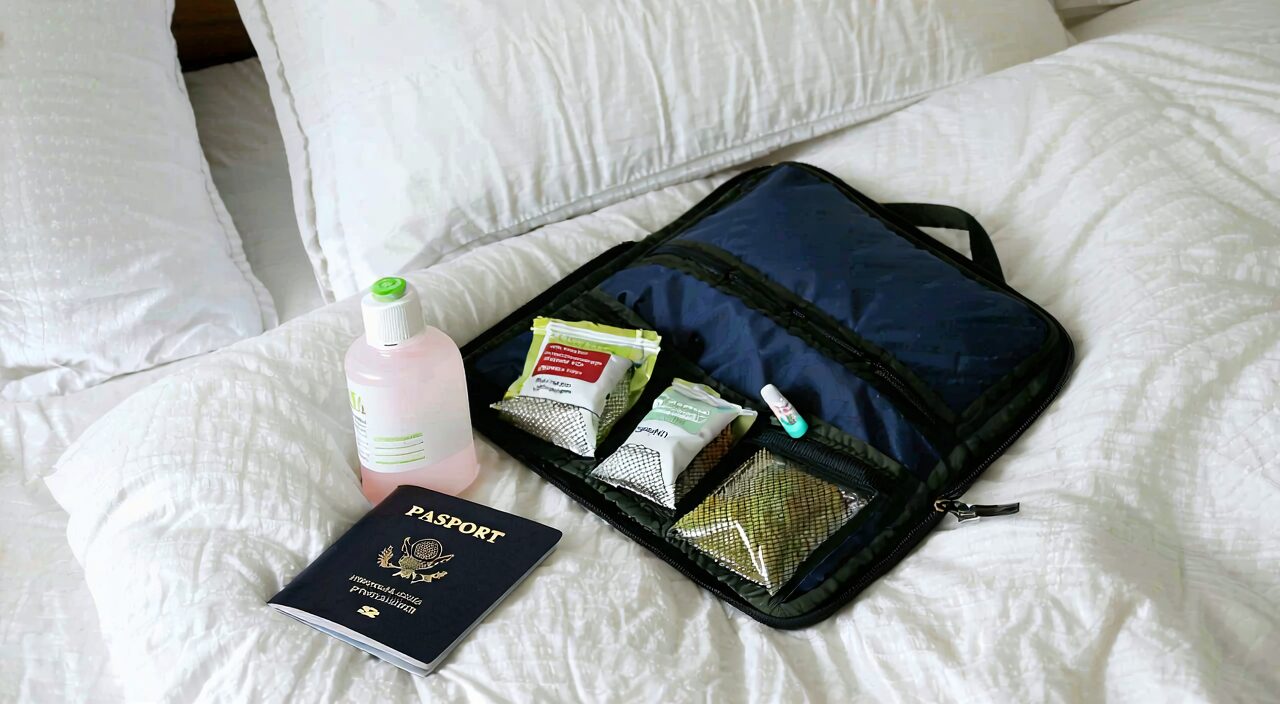
No single product suits everyone, but by considering different scenarios, you can have some relatively clear sorting directions.
Trying for the First Time
If you have never used a Chinese medicine product in a particular direction before, for the first try it’s advisable to choose a product with a simple dosage form, easy administration, and a small package size. This allows you to quickly get a sense of the user experience without wasting a lot because of buying too much at once.
Before making a purchase, it is a prudent practice to communicate with a professional physician or pharmacist to confirm whether your current body condition is suitable for using that product.
Long-Term Use
For those who are already familiar with a product and have been using it long-term under professional guidance, larger packaging may be more economical and reduce the hassle of frequent repurchasing. However, storage conditions still need attention:
- Pills are susceptible to moisture.
- Granules are prone to caking.
- Oral liquids must be refrigerated after opening and used within a short time.
Each time you buy, still check the batch number, expiry date, and packaging integrity.
Overseas Purchases
When buying Chinese medicine products from overseas, consumers need to pay extra attention to the import regulations of the destination country. Some products considered medicines in their home country may be classified as foods or dietary supplements in the destination country, or may even be restricted from entry. Understanding relevant laws and regulations in advance can help avoid parcels being detained or returned.
During shipping, also choose reliable logistics channels that can ensure the packaging remains intact and avoid high temperatures, humidity, and crushing.
Buying for Family Members
When choosing Chinese medicine products for family members who do not live with you, communication is crucial. You need to confirm their specific constitution, whether they are currently using other medications or health products, and any special needs regarding swallowing or digestion. Don’t make decisions for others based solely on “I heard this might be good.”
When purchasing, consider including a handwritten reminder card that organizes the usage, dosage, storage, and precautions, since family members often don’t know the full background of the products as you do.
Common Purchasing Mistakes

In an information-overloaded purchasing environment, several mistakes are easy to make. Knowing them in advance can help you avoid many pitfalls.
- Only focusing on the formula name, ignoring the dosage form and specifications.
Products with the same formula name can be completely different in actual use. Ignoring dosage form and specifications is like ordering a dish by name without knowing whether it’s a soup, stir-fry, or cold dish—what arrives may not be what you wanted.
- Assuming more expensive is better, or that bigger packages offer better value.
Price relates to raw material quality, manufacturing techniques, and brand positioning, but it doesn’t necessarily correlate with how suitable it is for you. A large package that cannot be used up quickly may go bad, leading to waste.
- Using dietary supplements as a complete substitute for Chinese patent medicines or formal treatment.
Herbal dietary supplements can be part of a daily wellness routine, but in cases of obvious discomfort, recurring or persistent symptoms, they should not be treated as therapeutic tools. Especially for issues that already affect quality of life, consult a professional healthcare provider first.
- Blindly following trends.
Seeing that others feel great after using a certain product and assuming you can use it too is risky. Everyone’s constitution and specific circumstances differ. Even products corresponding to the same formula can bring different responses in different people. Truly responsible purchasing is built on thorough self-understanding and professional consultation.
Pre-Purchase Checklist
Before finalizing your order, quickly go through the following checklist to minimize selection risks:
- Confirm whether the product name is complete and clearly indicates the dosage form.
- Check if traceability information such as the manufacturer, manufacturing address, and approval number can be found.
- Read the ingredients, excipients, and target user instructions carefully.
- Calculate the single dose and daily dosage, and estimate how long one box will last.
- Check the production date and expiry date, allowing sufficient time for shipping.
- Have you consulted a professional regarding your constitution, symptoms, and current medication use?
- If buying for someone else, have you fully communicated and confirmed their needs?
- For overseas purchases, have you verified the destination country’s import regulations and ensured logistics security?
This checklist is not complicated, but each item can help you get one step closer to “buying with understanding.”
Summary
Choosing Chinese medicine products may appear to be about comparing brands and prices, but in reality it is about sorting out your true needs and conditions. From understanding the characteristics of dosage forms, to carefully reading specifications and ingredient statements, to making a judgment based on your own constitution and actual usage scenarios—every step in this process helps you build a clearer purchasing logic.
There is no need to view Chinese medicine products as overly mysterious, nor to feel anxious simply because there are too many choices. By accurately identifying the name, choosing the right dosage form, verifying the source, making specifications comparable, leaving enough safety margin, and combining this with necessary professional consultation, you can greatly reduce the likelihood of blind buying.
I hope this guide serves as a calm and rational reference on your journey of selecting Chinese medicine products, helping you keep the power of choice firmly in your own hands.