
What Are the Differences Between TCM and Western Medicine? An Objective Comparison and Practical Advice

In daily life, many people facing health troubles wonder: should I see a TCM practitioner or a Western medicine doctor?
Especially in an environment where both medical systems exist side by side, people don’t want to miss the precision and efficiency of modern medicine, yet they often feel that traditional medicine seems more “root-oriented” when it comes to chronic regulation.
Behind this dilemma are actually two completely different ways of perceiving the world. This article attempts to objectively outline the core differences between the two, helping you understand their respective strengths and limitations rather than simply declaring which one is better.
Two different ways of “seeing”: fundamental differences
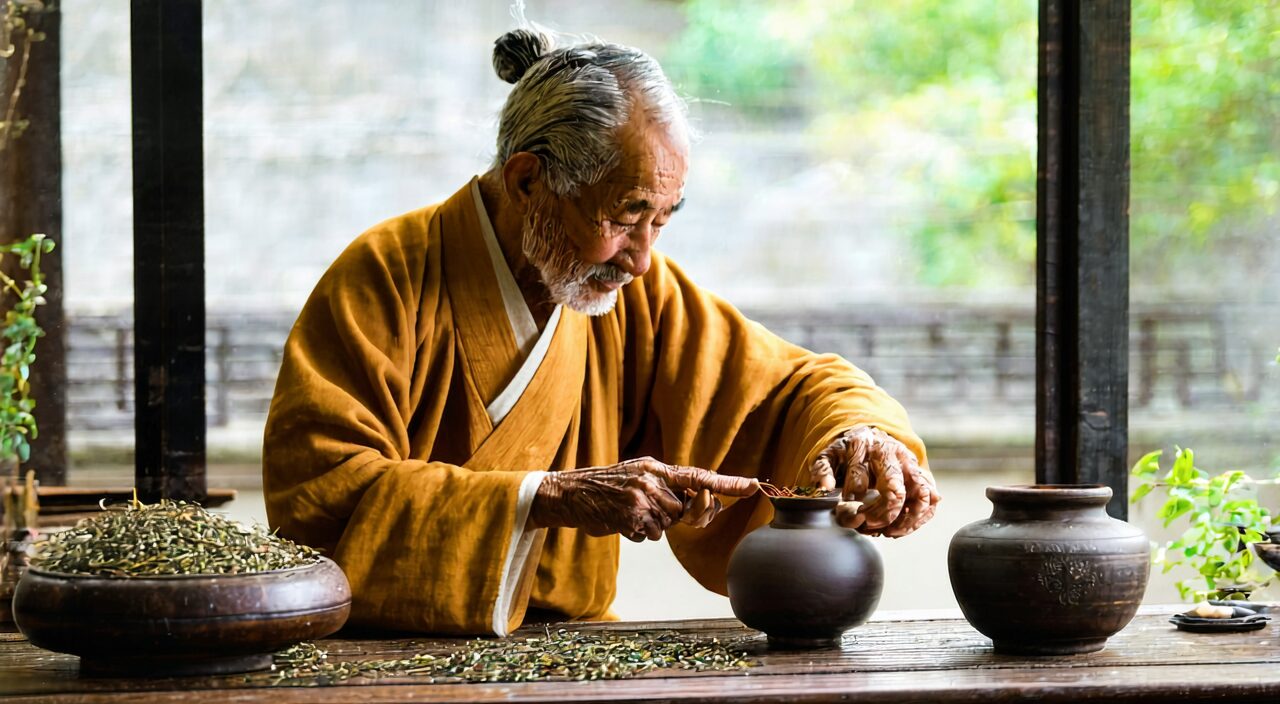
The most fundamental difference between TCM and Western medicine stems from their perspectives and explanatory tools for observing the human body and disease.
| Comparison dimension | TCM | Western medicine |
|---|---|---|
| Core perspective | Holism, pattern differentiation and treatment | Reductionism, anatomical basis |
| Explanatory tools | Qi, blood, body fluids, yin-yang waxing and waning, five zang organs’ generation, control and counteraction | Physiology, pathology, microbiology, molecular biology |
| Diagnostic logic | Collects outward manifestations through inspection, listening/smelling, inquiry, and palpation, summarizing a “pattern” (e.g., “liver depression and spleen deficiency,” “cold-dampness encumbering the spleen”) — an abstract generalization of a holistic imbalance state | Locates problems in specific organs, tissues, cells, and even molecular levels, seeking objective abnormal evidence (e.g., bacterial infection, elevated tumor markers, vascular blockage) |
| Diagnosis result | A pattern, emphasizing a description of functional state | A clear disease name, pointing to relatively distinct targets |
TCM centers on holism and pattern differentiation, not breaking the person into isolated organs but viewing the body as a functional network that interacts with nature and emotions.
Western medicine tends to use laboratory tests, imaging, and other means to locate problems in specific structural and biochemical changes.
These two ways of “seeing” have no absolute right or wrong; they address problems at different levels. Precisely because of this, when facing the same illness, the paths they take can be entirely different.
From recognition to intervention: methods and tools
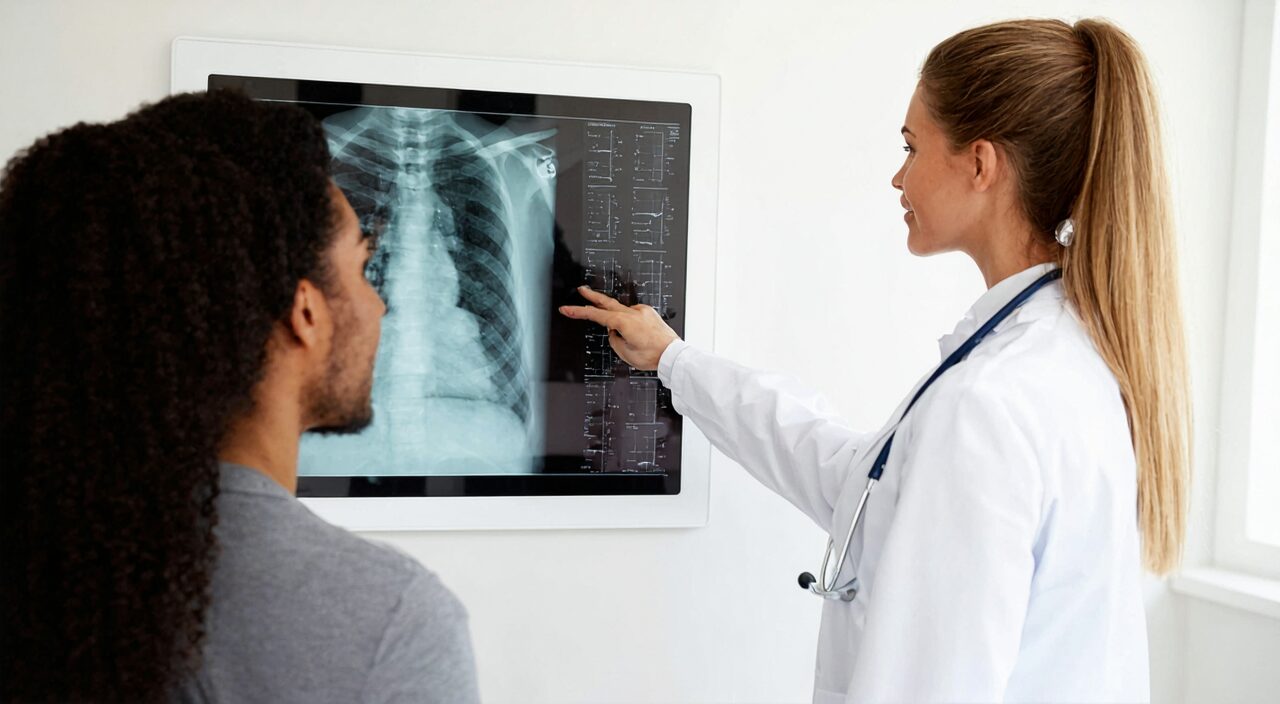
Due to their different foundations, the tools used by the two systems to collect information also form distinct systems.
| Comparison dimension | TCM | Western medicine |
|---|---|---|
| Main tools | Four examinations: inspection of spirit, complexion, and tongue; listening and smelling; inquiry into subjective sensations; palpating the pulse and skin | Instruments and lab tests: complete blood count, CT, gastroscopy, genetic testing, etc. |
| Strengths | Captures functional changes and subtle differences in individual subjective symptoms | Directly reveals structural abnormalities and biochemical changes; assesses acute conditions, infections, tumors, etc. |
| Limitations | Limited ability to detect internal organic lesions at an early stage | Perspective can be relatively fragmented; sometimes overlooks the connection between subjective discomfort and overall body state |
This also explains why many people with functional disorders but normal lab results can receive direction for regulation from TCM practitioners, while modern medicine may say “nothing was found.”
This difference directly leads to different emphases in intervention methods.
The nature of intervention: regulation versus confrontation
| Comparison dimension | TCM | Western medicine |
|---|---|---|
| Core thinking | “Regulation”: support healthy qi, expel pathogens, restore the proper direction of qi movement and the coordination among zang-fu organs, guiding the body back to homeostasis | “Confrontation” and “replacement”: directly intervene at targets, such as killing pathogens, inhibiting pathways, supplementing deficient substances, or removing diseased tissue |
| Method examples | Compound herbal formulas, acupuncture, tuina massage, therapeutic exercise (daoyin), dietary therapy; multiple methods combined and tailored to the individual | Antibiotics, antihypertensives, insulin, surgery, etc. |
| Onset characteristics | May be relatively gentle with a longer course; valuable in improving overall blood supply, microcirculation, immune function, and nonspecific symptoms | Clear pathway, controllable intensity; often able to rapidly reverse dangerous situations in acute and severe conditions |
| Common limitations | — | May cause side effects of varying degrees; many chronic diseases require long-term or even lifelong medication to maintain target indicators |
TCM’s intervention emphasizes “regulation.” The goal is not to directly kill a specific pathogen but to improve the body’s state by restoring its self-regulating ability.
Western medicine more often adopts the thinking of “confrontation” and “replacement,” with relatively clear pathways of action.
These two approaches are not mutually exclusive; the key lies in which logic suits the problem itself.
Which situations are more suitable for considering TCM first

In the following situations, the TCM approach is often adopted by both traditional and modern clinical practice, but it cannot replace necessary medical examinations.
- Chronic functional discomfort with organic diseases ruled out: for example, long-term indigestion with a normal gastroscopy, persistent fatigue without a clear cause, or periodic breast distension and pain and mood swings related to the menstrual cycle. Such problems, if understood through “patterns,” may more easily find a starting point for regulation.
- Constitution imbalances and lifestyle-related conditions: easily feeling cold, easily experiencing “heat” symptoms, a tendency toward slow metabolism, difficulty with weight management, etc. TCM can offer advice on diet, daily routines, and herbal directions through constitutional identification, helping gradually adjust the body’s “soil.”
- Certain recovery phases and supportive care: post-surgery weakness, fatigue and poor appetite after chemotherapy, etc. TCM can be used under professional supervision to improve quality of life, but must never replace primary treatment.
It is important to note that even in the above scenarios, vigilance should be maintained. If symptoms continue to worsen or warning signs appear — such as unexplained weight loss, black stools, or changes in the nature of pain — priority must be given to Western medicine for investigation.
Which situations should prioritize Western medical intervention

Modern Western medicine possesses irreplaceable advantages in controlling emergency risks and addressing clear organic lesions. When the following situations occur, delaying or avoiding Western medicine may bring safety risks:
- Acute onset and critical signs: sudden severe chest pain, major trauma, massive bleeding, high fever with altered consciousness, breathing difficulty, etc. — emergency treatment must be sought immediately.
- Clear causes with established treatment protocols: for instance, bacterial pneumonia requiring targeted antibiotics; diabetes or thyroid dysfunction needing precise regulation; diagnosed malignancies requiring standardized surgery, chemoradiotherapy, or targeted therapy.
- Chronic indicator management requiring real-time monitoring: hypertension, dyslipidemia, etc., where medication combined with lifestyle intervention can achieve target levels, and organ damage risk can be assessed through regular check-ups.
In these areas, TCM may play a supportive role but should not be the primary modality, and certainly must not be used to replace proven emergency and critical treatments.
Can Chinese and Western medicines be taken together? Where is the safety boundary?

This is one of the questions people care about most.
Theoretically, combining Chinese and Western medicines is not absolutely contraindicated. Many patients take both under medical coordination in hospitals. However, self-mixing carries significant uncertainty.
Interactions can occur between Chinese medicinal substances and Western drug ingredients:
- Blood-activating and stasis-removing herbs (such as danshen, ginkgo, danggui) taken together with anticoagulants or antiplatelet drugs may increase bleeding risk;
- Formulas containing licorice (gancao) components may affect blood pressure or potassium levels, conflicting with certain antihypertensives and diuretics;
- Herbs rich in tannins may reduce the absorption of antibiotics.
Conversely, Western drugs can also affect the metabolism of Chinese herbs.
Therefore, if you are taking Western medication and wish to add any Chinese patent medicine or herbal decoction, you must fully inform both your TCM and Western medicine physicians about all drugs you are currently using (including supplements), and follow professional guidance on whether they can be combined and the required time intervals between doses. Never self-prescribe based on experience or others’ recommendations.
For chronic diseases already controlled with long-term medication, extra caution is necessary, and never stop or change medication without authorization.
How to rationally judge your choice priorities
When facing a specific health problem, a simple line of thinking can aid judgment:
- Assess urgency and danger: Is it sudden, severe, or are vital signs unstable? If yes, go through the emergency channel without hesitation.
- Clarity of diagnosis:
- If modern medical examinations have clarified the cause and an established treatment pathway exists, prioritize following that pathway; at the same time, consult your physician about whether TCM can be used adjunctively to reduce side effects or provide regulation.
- If discomfort is recurrent but no organic lesion is found, one may lean more toward TCM pattern differentiation for a holistic approach, but targeted re-examinations should still be performed every six months to one year.
- Personal response history and tolerance: If certain treatments worked well in the past, or if there is intolerance to certain drugs, these can serve as references, but must be discussed with the doctor.
This line of thinking is not an iron rule. The core is to maintain an open and cautious attitude, not to pit Chinese and Western medicine against each other, but to make choices based on the nature of the problem and the level of risk.
Key points to note when choosing each approach
If you decide to focus mainly on TCM regulation:
- Find a qualified licensed TCM practitioner for an in-person consultation to prescribe formulas matching your current pattern;
- Avoid believing in folk remedies or secret formulas; especially be wary of products with unknown ingredients that claim to “cure chronic diseases permanently”;
- When purchasing herbal decoction pieces or Chinese patent medicines, pay attention to origin, processing methods, and quality standards; reliable sources enhance reference value;
- Do not assume that “natural” means harmless; some Chinese herbs have known toxicity and usage contraindications and must be used according to medical advice.
If Western medical diagnosis and treatment are the core:
- Similarly, go to a licensed medical institution; do not self-medicate based on online information;
- Strictly follow the doctor’s instructions regarding dosage and course of treatment; do not stop medication arbitrarily — especially antihypertensives, diabetes medications, hormonal drugs, etc.;
- Undergo necessary monitoring such as liver and kidney function tests regularly, and proactively report any discomfort to the doctor.
Summary
TCM and Western medicine are not a choice of which is better or worse, but two sets of tools based on different cognitive systems and interventional logic.
Their differences are rooted in different understandings of health and disease, each with areas where it excels and limitations to note. TCM has accumulated rich experience in macroscopic functional adjustment and holistic care of chronic states; Western medicine demonstrates great power in microscopic etiological confrontation and the management of acute and severe conditions.
What truly matters is not convincing yourself to lean to one side, but being able to rationally judge which path or combination is more suitable for your current situation based on the nature of the problem, the degree of urgency, and the available evidence. In such judgments, respecting their respective boundaries, following professional guidance, and staying clear about potential risks are far more valuable than empty debates.
This article is for general informational purposes only and cannot replace professional diagnosis or treatment advice.