
TCM Guide to Regulating Sleep Problems: Common Symptoms, Patterns, and Chinese Patent Medicine Options

Sleep problems are very common, but ‘poor sleep’ isn’t just one single condition.
Some people lie down for a long time without falling asleep. Others sleep lightly and wake up easily. Some experience excessive dreaming and early waking, while others wake up still feeling tired after a full night’s sleep.
When TCM examines sleep, it usually goes beyond the word ‘insomnia’. Instead, it considers factors such as the mind and spirit, emotions, the spleen and stomach, qi and blood, and yin-yang balance. Although sleep complaints may sound similar, the underlying constitution and regulatory approaches can differ from person to person.
This article is a TCM health education resource, intended to help general readers build foundational knowledge. It does not replace a doctor’s diagnosis and does not constitute personalized medication advice. Specific medication use should be tailored to individual circumstances and discussed with a physician or pharmacist.
How TCM views sleep problems
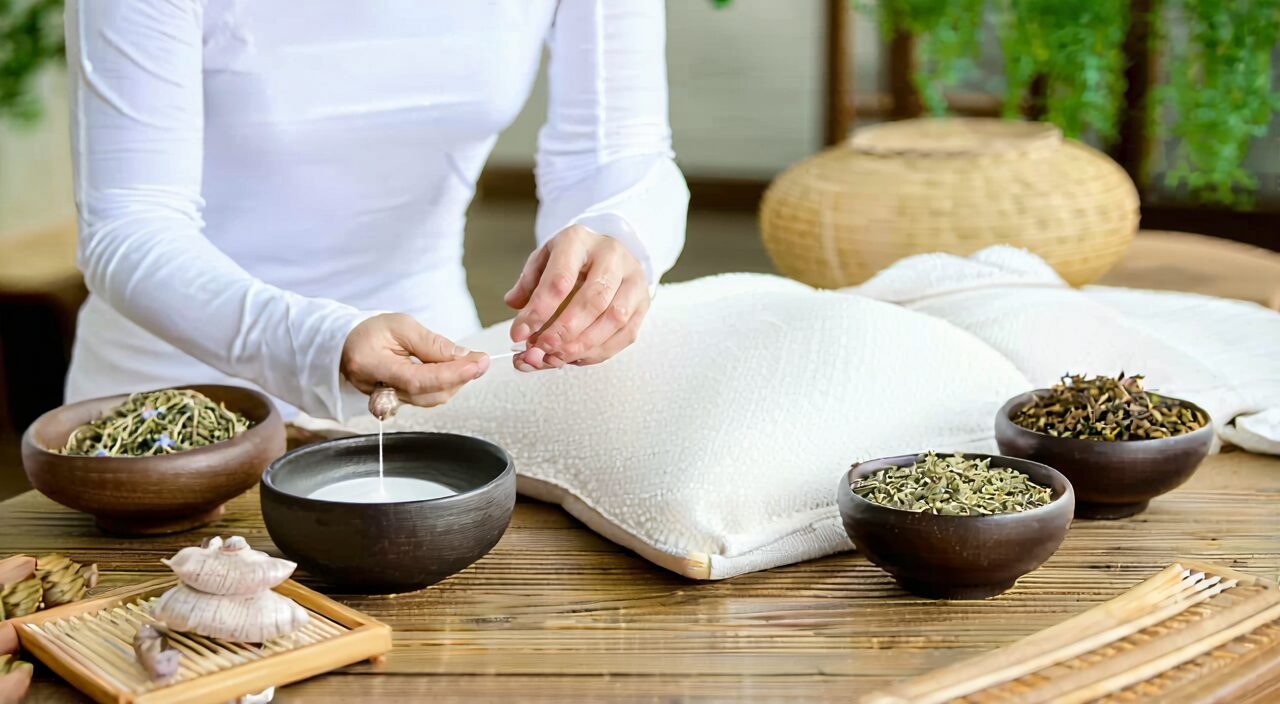
In TCM, sleep is closely related to the ‘mind and spirit’ (shen). Here, ‘mind and spirit’ can be understood as a general reflection of mental activity, emotional state, and the body’s degree of relaxation.
When the mind is unsettled, emotions are tense, qi and blood are insufficient, yin and yang are out of balance, or the spleen and stomach’s transforming and transporting function is impaired, falling asleep and sleep quality can be affected.
Common TCM perspectives include:
- Emotional constraint and liver qi depression: Over time, this may present as irritability, chest tightness, bitter taste, and a tendency to anger.
- Excessive rumination, overwork, or chronic illness: These can damage spleen qi and heart blood, manifesting as fatigue, palpitations, poor appetite, and light sleep.
- Yin-fluid deficiency with internal heat disturbance: May appear as dry mouth, hot flushes, night sweats, and a sensation of heat at night.
- Spleen-stomach disharmony with phlegm-heat harassing the interior: May involve distention, acid reflux, chest tightness, profuse phlegm, heavy sensation of the head, and unrefreshing sleep.
Hence, TCM doesn’t just look at ‘can’t sleep’. It also assesses daytime energy, emotional status, diet and digestion, bowel and urinary function, sensations of cold and heat, the duration of the problem, as well as any chronic diseases and current medications.
For the same poor sleep pattern, some people may need to focus on soothing the liver and regulating qi, others on fortifying the spleen and nourishing the heart, some on nourishing yin and reducing fire, and yet others may need to address the spleen and stomach first. Actual pattern differentiation also requires integrating tongue manifestation, pulse findings, medical history, and other information, and must be conducted by a qualified professional.
Overview of common sleep problem types

| Sleep problem type | Common manifestations | Areas needing attention |
|---|---|---|
| Difficulty falling asleep | Taking a long time to fall asleep; the harder one tries, the more awake one feels | Stress, anxiety, daily routine, caffeine, electronic device use |
| Light sleep; easily awakened | Not sleeping deeply; waking at slight sounds or movements | Palpitations, fatigue, night-time urination, pain, age-related changes |
| Excessive dreaming | Frequent vivid dreams, waking up feeling tired | Unsettled mind and spirit, light sleep, emotional and constitutional factors |
| Early waking | Waking too early in the pre-dawn or early morning and struggling to fall back asleep | Emotional state, yin deficiency with internal heat, heart-spleen deficiency |
| Fatigue upon waking | Sleep duration seems adequate but still feels heavy, sluggish, and tired after waking | Sleep quality, spleen and stomach, phlegm-dampness, sleep-disordered breathing |
| Emotion-related poor sleep | Nervousness, irritability, startled awakening, worrying about not sleeping | Stress management, liver qi depression, unsettled mind and spirit |
| Poor sleep related to gastrointestinal discomfort | Distention, acid reflux, belching, worse when lying down | Dietary structure, meal timing, spleen-stomach status |
Difficulty falling asleep
Difficulty falling asleep usually means lying in bed for a long time without drifting off; the more one tries to sleep, the more alert the mind becomes, with thoughts spinning repeatedly.
Some people also experience anxiety, tension, irritability, chest tightness, palpitations, or high daytime stress.
It is worth noting that short-term stress, disrupted routines, caffeine intake, and electronic device use before bed can also cause trouble falling asleep and do not necessarily require medication.
Light sleep; easily awakened
Those with light sleep often feel they ‘haven’t slept soundly’ and wake up at the slightest noise or movement.
Some can fall back asleep after waking, while others find it very difficult. Common accompanying signs include palpitations, fatigue, being easily startled, memory decline, and low daytime energy.
When this recurs over a long period, attention should be paid to stress, age-related changes, night-time urination, pain, breathing problems, or other underlying conditions.
Excessive dreaming
Having lots of dreams does not necessarily mean a serious sleep disorder.
However, if dreams are frequent, if one feels markedly tired after waking, or if dreams are accompanied by startling, palpitations, or irritability, it should be taken seriously.
TCM assesses excessive dreaming alongside symptoms such as palpitations, forgetfulness, dry mouth, night sweats, chest tightness, stomach distention, and anxiety to determine the pattern. Excessive dreaming and light sleep often appear together, but they are not exactly the same.
Early waking
Early waking often presents as waking up too early in the pre-dawn or early morning and being unable to fall back to sleep.
Some people may also experience low mood, anxiety, fatigue, and poor concentration during the day.
When TCM analyzes early waking, it looks for signs of yin deficiency with internal heat, heart-spleen deficiency, or emotional constraint. If early waking persists and is accompanied by significant mood problems, loss of interest, or impaired daytime function, professional help should be sought promptly.
Fatigue after waking
Some people seem to get enough hours of sleep, yet still wake up feeling heavy, foggy-headed, weak, and drowsy.
TCM may interpret this from the angles of qi and blood deficiency, poor spleen-stomach function, substantial phlegm-dampness, or poor sleep quality.
It is also important to note that obvious snoring, episodes of waking up gasping for air at night, and excessive daytime sleepiness may be related to sleep-disordered breathing and should not be addressed merely by ‘tonifying’ or ‘calming the spirit’.
Poor sleep related to emotional tension and anxiety
When stress, overthinking, and emotional tension are high, sleep is often affected.
Common manifestations include:
- Difficulty falling asleep;
- Easily startled awake;
- Chest tightness and frequent sighing;
- Irritability;
- Obvious sensation of heartbeat;
- Increasing worry about not sleeping as the night progresses.
TCM often focuses on liver qi depression, liver depression transforming into fire, or an unsettled mind and spirit. Alongside medication, stress management, regular daily rhythm, and pre-sleep relaxation are also important.
Poor sleep related to gastrointestinal discomfort
‘When the stomach is not in harmony, restful sleep is disrupted’ is a classic TCM summary of the relationship between sleep and digestion.
Having an overly full dinner, eating greasy foods, acid reflux, belching, abdominal distention, bloating, and a sticky sensation in the mouth can all affect sleep.
This type of poor sleep should not be simply dismissed as ‘neurasthenia’ or a pure spirit-calming issue. Regulation often needs to simultaneously address dietary habits, spleen-stomach status, and the timing of pre-bedtime meals.
Overview of common TCM patterns
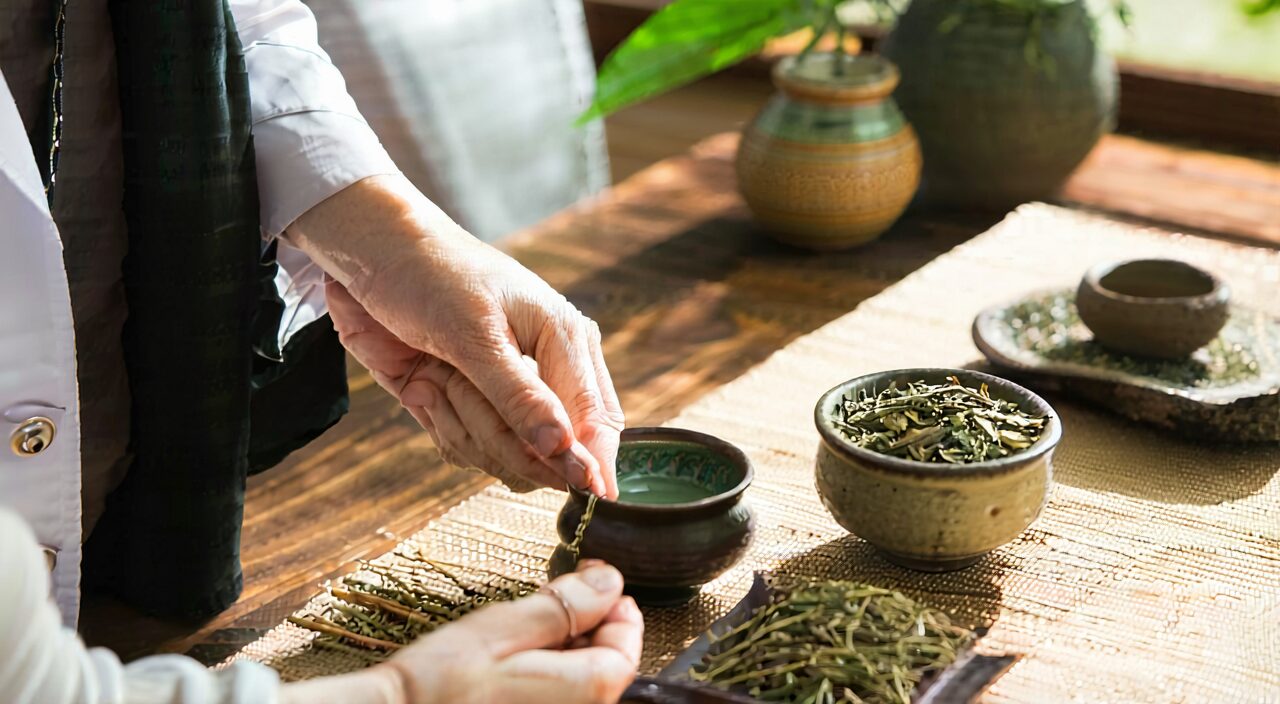
The following patterns are only meant to help understand common TCM approaches to analyzing sleep problems and should not be used as a self-diagnosis tool.
Actual pattern differentiation needs to integrate tongue findings, pulse findings, medical history, underlying diseases, current medications, and other information, and must be performed by a physician or a qualified TCM professional.
| Common pattern | Possible manifestations | Regulation approach |
|---|---|---|
| Liver depression transforming into fire or liver qi stagnation | Difficulty falling asleep, irritability, anger, distending pain in the chest and hypochondrium, bitter taste | Soothe the liver and regulate qi; clear heat and calm the spirit |
| Spleen-heart deficiency | Light sleep, excessive dreaming, frequent waking, palpitations, fatigue, poor appetite | Fortify the spleen and nourish the heart; boost qi and nourish blood |
| Heart-kidney disharmony | Irritability with insomnia, dry mouth, night sweats, soreness and weakness of the lower back and knees | Nourish yin and reduce fire; harmonize the heart and kidneys |
| Yin deficiency with hyperactive fire | Night-time heat and irritability, heat sensation in palms and soles, night sweats, early waking | Nourish yin and clear heat; nourish the heart and calm the spirit |
| Phlegm-heat harassing the heart | Chest tightness, profuse phlegm, sticky sensation in the mouth, heavy head, greasy tongue coating | Resolve phlegm and clear heat; harmonize the stomach and calm the spirit |
| Stomach disharmony disrupting sleep | Distention, acid reflux, belching, worse when lying down | Adjust diet; harmonize the stomach and promote digestion |
| Heart-gallbladder qi deficiency | Easily startled, nightmares, palpitations, nervousness, sensitivity | Boost qi; calm the spirit and settle the mind |
Liver depression transforming into fire or liver qi stagnation
This pattern is often related to stress, emotional frustration, and chronic tension.
Typical presentations may include difficulty falling asleep, irritability and anger, distending oppression in the chest and hypochondrium, frequent sighing, bitter taste, and a sensation of head distension. Women may also experience premenstrual emotional fluctuations.
The regulatory approach usually tends towards soothing the liver, regulating qi, clearing heat, and calming the spirit. However, whether clearing heat is needed and whether liver-soothing products are suitable must be judged based on constitution and specific symptoms.
Spleen-heart deficiency
Spleen-heart deficiency is often seen in those who are overworked, ruminate frequently, have a chronically weak constitution due to illness, or have irregular eating habits.
Common presentations include light sleep, excessive dreaming, waking easily, palpitations, forgetfulness, fatigue, poor appetite, and a lackluster complexion.
Regulation generally emphasizes fortifying the spleen, nourishing the heart, boosting qi, and nourishing blood. Such individuals should not just seek a ‘strong sleep aid’ but should also pay attention to the source of qi and blood, diet and digestion, and long-term physical recovery.
Heart-kidney disharmony
Heart-kidney disharmony can be roughly understood as a state of ‘upper heat and lower deficiency’ or poor coordination between yin and yang in the body.
Common presentations may include irritability with insomnia, frequent waking at night, dry mouth, soreness and weakness of the lower back and knees, hot flushes, night sweats, and tinnitus.
The regulatory approach is often related to nourishing yin, reducing fire, and harmonizing the heart with the kidneys. However, this type of differentiation is complex, especially for middle-aged and elderly people, chronic disease patients, or those taking medications; long-term self-medication is not advised.
Yin deficiency with hyperactive fire
Yin deficiency with hyperactive fire often manifests as night-time heat and irritability, dry mouth and throat, heat sensation in the palms and soles, night sweats, restless sleep, excessive dreaming, or early waking.
Triggers may be linked to chronic sleep deprivation, a constitution tending towards deficiency, depletion from prolonged illness, or aging.
Regulation usually leans towards nourishing yin, clearing heat, nourishing the heart, and calming the spirit. It is important to note that yin deficiency does not simply equal ‘excess fire,’ nor does every heat-clearing medication suit such cases.
Phlegm-heat harassing the heart
People with phlegm-heat harassing the heart often experience unrefreshing sleep, chest tightness, irritability, heavy head sensation, profuse phlegm, bitter or sticky taste in the mouth, gastric discomfort, and a thick, greasy tongue coating.
This is often linked to a greasy diet, poor spleen-stomach function, stress, and disrupted daily rhythm.
The regulatory approach tends to start with resolving phlegm and clearing heat, and harmonizing the stomach and calming the spirit. In such cases, purely tonifying or overly warming methods are usually unsuitable.
Stomach disharmony disrupting sleep
Poor sleep in this category is clearly tied to diet and digestion.
Common presentations include post-dinner bloating, acid reflux, belching, and stomach discomfort that becomes more pronounced when lying down, even waking the person due to gastrointestinal distress.
Regulation typically looks first at dietary composition, meal timing, and spleen-stomach status. If necessary, harmonizing the stomach, promoting digestion, resolving dampness, and calming the spirit may be considered.
Heart-gallbladder qi deficiency
Heart-gallbladder qi deficiency is common in people who are timid and easily startled, become nervous about events, wake easily during sleep or experience nightmares, feel palpitations, and lack a sense of security.
Some may be naturally nervous and highly sensitive to noises and environmental changes.
The regulatory approach is often related to boosting qi, calming the spirit, and settling the mind. If accompanied by marked anxiety, panic attacks, or impaired functioning in work or daily life, concurrent psychological and medical evaluation should be considered.
Overview of related formulas and Chinese patent medicine directions

Formulas and Chinese patent medicines are generally selected based on pattern direction, not just the word ‘insomnia’.
The content below is only a TCM educational introduction to help understand common approaches and does not constitute specific medication advice. Actual use should consider personal constitution, sleep presentation, accompanying symptoms, disease duration, underlying diseases, current medications, and the advice of a physician or pharmacist.
Liver-soothing and depression-relieving, liver-clearing and spirit-calming category
This direction is often applied in the thinking around individuals with pronounced emotional stress, irritability, chest tightness, frequent sighing, bitter taste, and difficulty falling asleep.
If the presentation leans more toward liver qi stagnation, the focus may lie on soothing the liver and regulating qi. If irritability, bitter taste, and anger are obvious, clearing liver heat may also need to be considered.
When using these, note that not all stress-related poor sleep is suitable for heat-clearing or liver-soothing Chinese patent medicines. Those with a weak constitution, during pregnancy or breastfeeding, or with chronic diseases should be especially cautious.
Spleen-fortifying and heart-nourishing, qi-boosting and blood-nourishing category
This direction is frequently seen in cases of light sleep, excessive dreaming, palpitations, forgetfulness, fatigue, poor appetite, and lackluster complexion.
The regulatory approach is not simply ‘sedation’ but starts from the spleen and stomach, qi and blood, and stabilization of the mind and spirit.
Such Chinese patent medicines may be more suitable for people with chronic deficiency and overwork, but pattern differentiation is still required. If there is obvious phlegm-dampness, gastric distention, or a greasy coating, pure tonification may not be appropriate.
Yin-nourishing and fire-reducing, heart-kidney harmonizing category
This direction is often used in approaches for irritability with insomnia, night-time heat, dry mouth, night sweats, hot flushes, and lower back and knee soreness, pointing toward yin deficiency with internal heat or heart-kidney disharmony.
It emphasizes nourishing yin fluids, reducing deficiency heat, and helping the heart and kidneys coordinate.
Note that yin-nourishing and fire-reducing products also have their range of suitability; those with spleen-stomach deficiency, diarrhea, or a predominance of cold-dampness should not use them blindly. Middle-aged, elderly, and chronic disease patients should consult a professional first.
Phlegm-resolving and heat-clearing, stomach-harmonizing and spirit-calming category
When poor sleep is accompanied by chest tightness, profuse phlegm, sticky mouth, stomach distention, acid reflux, belching, a thick, greasy tongue coating, or is more pronounced after a heavy dinner, TCM often considers factors of phlegm-heat, phlegm-dampness, or stomach disharmony.
Relevant directions usually emphasize resolving phlegm, clearing heat, and harmonizing the stomach, supplemented by calming the spirit.
Such cases are often closely related to diet, body weight, and daily rhythm; relying solely on spirit-calming products may not resolve the root issue.
Sedative and spirit-calming, heart-nourishing and spirit-calming category
This direction mostly revolves around unsettled mind and spirit, palpitations with fright, excessive dreaming, waking easily, irritability, or nervousness.
Some Chinese patent medicines may mainly nourish the heart and calm the spirit, while others may lean more towards sedating and calming.
It should be noted that ‘calming the spirit’ is not suitable for all sleep problems, and long-term self-administration without understanding ingredients, contraindications, and interactions is not recommended.
If you are already taking sedative-hypnotics, anti-anxiety, antidepressant, or other prescription medications, consult a doctor or pharmacist first.
Comparison and selection considerations for related formulas / Chinese patent medicines

Before choosing a formula or Chinese patent medicine related to sleep, first identify the main sleep complaint.
Is the main problem difficulty falling asleep, or light sleep, frequent waking, excessive dreaming, or early waking? Different presentations suggest different regulatory directions; you cannot simply assume that the same ‘sleep aid’ product suits every sleep issue.
Next, look at accompanying symptoms:
- If accompanied by anxiety, irritability, chest tightness, and a bitter taste, you may need to pay attention to the emotional, liver depression, and depressed heat direction.
- If accompanied by fatigue, palpitations, and poor appetite, you may need to consider spleen-heart deficiency and insufficiency of qi and blood.
- If there is dry mouth, night sweats, hot flushes, and night-time heat, the possibility of yin deficiency with internal heat or heart-kidney disharmony should be considered.
- If there is gastric distention, acid reflux, belching, or a heavy dinner before bed, spleen-stomach factors should be emphasized.
Also, assess the duration of the problem. Short-term poor sleep due to stress, travel, or routine changes is handled differently from long-term, recurrent sleep problems that have persisted for months or even years.
Short-term issues often require adjusting lifestyle rhythm and triggers first; long-term problems require systematic assessment of constitution, emotions, chronic conditions, and medication use.
Special populations require extra caution. Children, the elderly, pregnant or breastfeeding women, chronic disease patients, those with abnormal liver or kidney function, and those already using other medications should not self-experiment with sleep-related Chinese patent medicines.
Chinese patent medicines also require attention to the product insert, contraindications, adverse reactions, and drug interactions. Especially when purchasing or using products across borders, regulatory requirements for Chinese patent medicines, herbal ingredients, dietary supplements, and traditional medicines can vary between countries and regions. Before purchasing, understand local laws and product compliance information. When in doubt, consult a doctor or pharmacist.
Precautions for purchasing and using these products
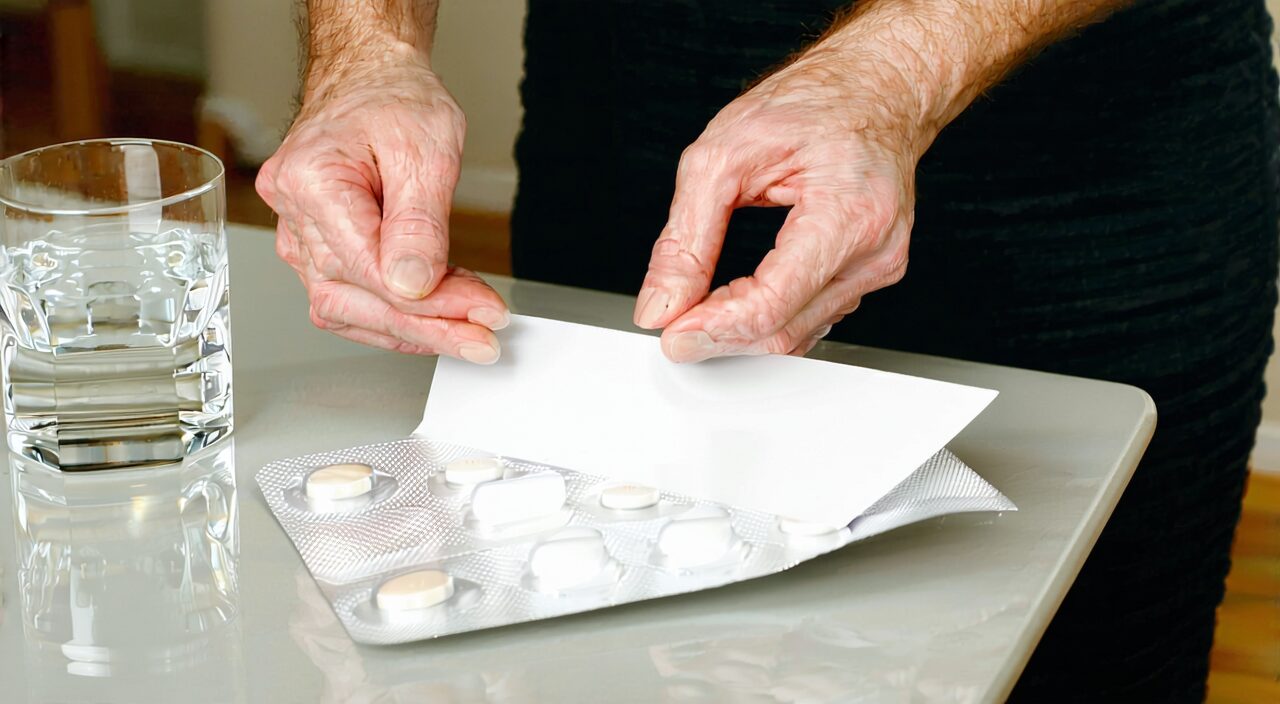
When purchasing and using sleep-related Chinese patent medicines or herbal products, it is recommended to verify the following key information:
| Precaution | Key points to check |
|---|---|
| Product name | Is it clear and standardized? Does it match the actual dosage form and complete name? |
| Ingredients | Does it contain allergens? Are there possible interactions with currently used medications? |
| Indications | Do they match your own sleep presentation and accompanying symptoms? |
| Contraindications and precautions | Is it suitable for special populations, chronic disease patients, or those with allergies? |
| Approval number / registration information / manufacturer | Is the source clear? Are the label and qualification information complete? |
| Package insert | Are the usage, dosage, scope of application, contraindications, and adverse reactions clearly stated? |
| Regional regulations and personal circumstances | When purchasing cross-border, do the ingredients comply with local regulatory requirements? |
| Age, constitution, and underlying diseases | Is it suitable for special situations like the elderly, children, or those with chronic conditions? |
Product name
When purchasing sleep-related Chinese patent medicines or herbal products, first confirm that the product name is clear and standardized.
Do not judge a product’s use solely by advertising slogans, common names, or vague descriptions like ‘sleep aid’ or ‘spirit calmer’. Products with similar names may differ in ingredients and indications; carefully check the complete name and dosage form before purchasing.
Ingredients
Ingredients are key to judging whether a product is suitable for you.
Check whether it contains anything you are allergic to, unsuitable for your constitution, or that might interact with medications you are currently taking.
For cross-border users, also pay attention to whether certain herbal ingredients are legally permitted to be sold and used as medicines, traditional medicines, or dietary supplements in that locality.
Indications
Indications usually hint at the symptoms or pattern directions the product is aimed at.
Common readers should not see only ‘insomnia’ or ‘excessive dreaming’ and immediately conclude it suits them. They should also consider whether it matches accompanying fatigue, palpitations, irritability, dry mouth, stomach distention, etc.
If the indications differ significantly from your own presentation, blind usage is not recommended.
Contraindications and precautions
Read the contraindications and precautions carefully.
In particular, during pregnancy, breastfeeding, for children, the elderly, those with abnormal liver or kidney function, chronic disease patients, people with an allergic constitution, and those using prescription drugs, consult a doctor or pharmacist first.
Do not assume that just because a product is a Chinese patent medicine or herbal, it is ‘suitable for everyone’.
Approval number / registration information / manufacturer
Legitimate products should generally display a clear approval number, registration information, manufacturer name, and manufacturing address.
Regulatory classifications differ across countries and regions. Some are classified as drugs, some as traditional medicines, and others may fall under dietary supplements or herbal products.
When purchasing, try to select products with clear sources and complete information, and avoid goods of unknown origin or incomplete labeling.
Package insert
The package insert is an important basis for understanding usage, dosage, scope of application, contraindications, adverse reactions, and storage.
Do not rely solely on brief introductions on product pages, nor self-adjust the dose or use long-term simply based on others’ experiences.
If the insert information is incomplete or inconsistent with the sales page description, exercise caution.
Whether it contains ingredients unsuitable for your region’s regulations or personal circumstances
Users of cross-border independent sites need to pay special attention. Regulatory requirements for Chinese patent medicines, herbal ingredients, animal-derived ingredients, mineral ingredients, and ephedra-containing ingredients can differ between regions.
Some ingredients permitted in one place may be restricted in another.
On a personal level, also consider allergy history, chronic diseases, medication history, and special physiological stages.
Whether it suits your age, constitution, and underlying disease status
Sleep problems are closely related to age, constitution, and underlying diseases.
The elderly may have multiple chronic conditions and medications, while children and adolescents cannot follow adult logic for self-medication.
Patients with hypertension, diabetes, liver or kidney disease, cardiovascular disease, or mental and psychological conditions should prioritize consulting a doctor or pharmacist before selecting sleep-related products.
Frequently Asked Questions
Does trouble sleeping always mean insomnia?
Not necessarily.
Occasional trouble falling asleep due to stress, routine changes, diet, travel, or environmental factors does not equal chronic insomnia.
If the sleep problem persists, affecting daytime energy, work, study, or emotional state, further investigation into the cause is needed, and professional assessment should be sought if necessary.
What does TCM mainly look at for insomnia?
When examining sleep problems, TCM usually looks beyond just whether one can fall asleep; it also considers:
- Time taken to fall asleep;
- Number of awakenings;
- Excessive dreaming;
- Early waking;
- Daytime fatigue;
- Emotional state;
- Spleen and stomach situation;
- Cold and heat manifestations;
- Qi and blood status.
Actual pattern differentiation also integrates tongue manifestation, pulse findings, medical history, and medication use.
Are excessive dreaming and light sleep the same thing?
They often appear together but are not exactly the same.
Excessive dreaming emphasizes frequent dreams and recall upon waking; light sleep emphasizes not sleeping deeply and waking easily.
In TCM analysis, accompanying signs like palpitations, fatigue, irritability, dry mouth, or stomach distention are also considered. It is not advised to self-identify the pattern based on just one symptom.
Why is sleep often worse under high stress?
Under high stress, the brain and body remain in a tense state, making it hard to relax before sleep. This can easily lead to difficulty falling asleep, easy waking, chest tightness, and irritability.
TCM often interprets this from the perspective of liver qi depression and an unsettled mind and spirit.
Regulation should simultaneously emphasize emotional management, regular daily rhythm, and pre-sleep relaxation.
Can sleep problems be regulated by Chinese patent medicines alone?
It is not advisable to rely solely on Chinese patent medicines.
Sleep is connected to daily rhythm, stress, diet, exercise, underlying diseases, and medication use.
If Chinese patent medicines are used, this should also be based on pattern differentiation and safety assessment. When sleep is poor long-term, it should be addressed comprehensively by combining lifestyle adjustments with professional advice.
Can sleep-related Chinese patent medicines be taken long-term?
Long-term self-administration is not recommended.
Even Chinese patent medicines have their scope of application, contraindications, adverse reactions, and interaction risks.
If continuous use is necessary, it should follow the product insert and the advice of a doctor or pharmacist. For long-term sleep problems, the cause should be investigated, rather than just relying on one product to maintain sleep.
What is the difference between poor sleep in the elderly and in younger people?
Poor sleep in the elderly is often related to age-related changes, chronic conditions, night-time urination, pain, multiple medications, or changes in sleep architecture.
In younger people, it is often related to stress, disrupted routines, electronic device use, and emotional tension.
Older adults should be even more cautious when selecting sleep-related products to avoid interactions with existing medications.
When should one see a doctor?
If sleep problems persist for more than several weeks, clearly affect daytime functioning, or are accompanied by the following, seek medical attention promptly:
- Marked low mood or anxiety;
- Chest pain;
- Waking up gasping or breathless;
- Severe snoring;
- Significant weight change;
- Chronic pain;
- Daytime function being significantly impaired.
If children, the elderly, pregnant women, or chronic disease patients experience persistent sleep problems, early consultation with a professional is also recommended.
Summary: Sleep regulation requires first distinguishing the right direction
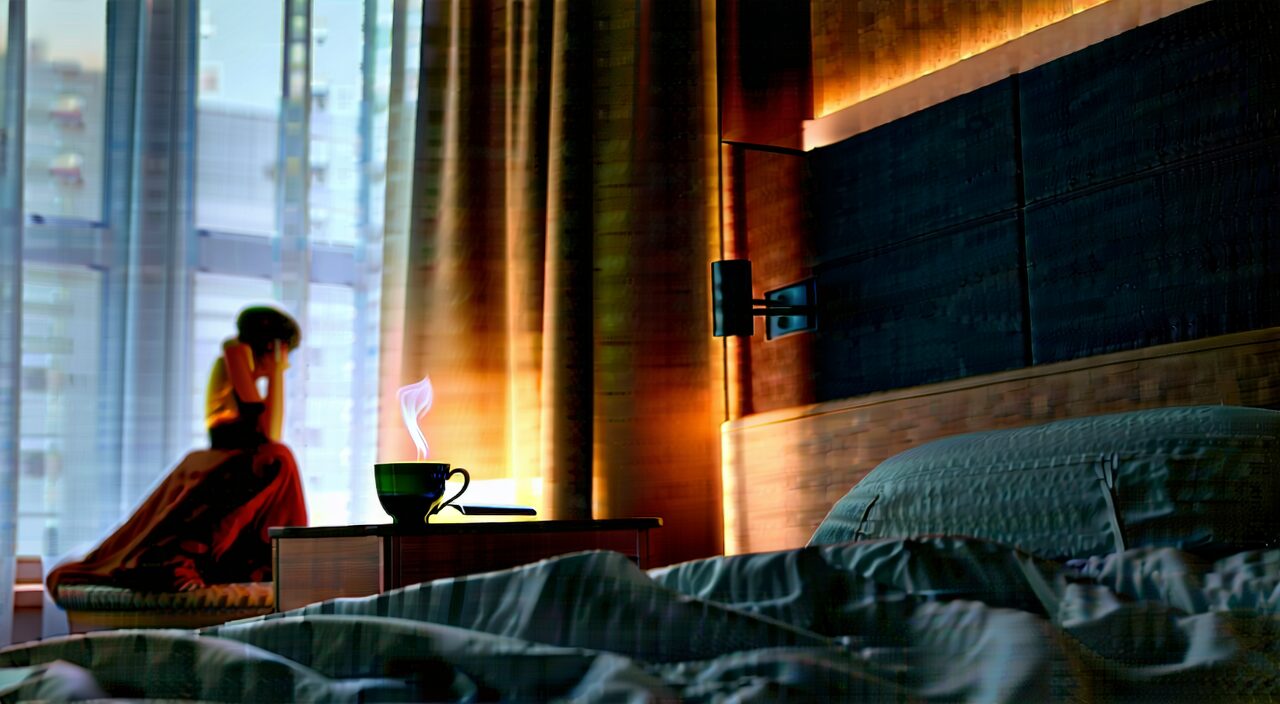
Sleep problems go beyond just ‘can’t sleep’—they include difficulty falling asleep, light sleep, excessive dreaming, early waking, and waking up still fatigued, among various presentations.
TCM regulation emphasizes first understanding the main sleep problem and accompanying symptoms, then determining the direction by integrating constitution, disease duration, spleen-stomach function, emotions, and the state of qi, blood, yin, and yang.
When selecting formulas and Chinese patent medicines, one should not simply look at the name or advertising claims. They should be used cautiously and safely, taking into account underlying diseases, current medications, special population status, and the advice of a doctor or pharmacist.