
Oily Scalp Hair Loss in TCM: Damp-Heat and Seborrheic Alopecia

The scalp is consistently greasy and shiny; less than a day after washing, the hair becomes oily again. Hair roots feel sticky, and hair loss gradually increases. Many people also experience scalp itching and increased dandruff.
Faced with this condition, many people first think of changing shampoo or washing hair more frequently, but they often find little improvement. In understanding such issues, traditional Chinese medicine does not limit its perspective to the scalp surface; instead, it pays more attention to internal bodily changes, especially constitutional tendencies related to “dampness” and “heat.”
When oily scalp and hair loss occur together, TCM often classifies them under categories such as “oil wind” and “hair decay alopecia,” which closely correspond to what modern medicine calls seborrheic alopecia. Understanding how damp-heat affects the scalp environment is an important step in finding the right direction for self-care.
How Does TCM View Oily Scalp and Hair Loss?
From the TCM perspective, the luster and shedding of hair are not isolated events. Diet, emotions, daily routines, and other factors can all affect the internal environment, which eventually manifests on the scalp and in the hair follicles.
When dampness and heat pathogens intertwine internally and ascend to the head and face, the scalp tends to secrete excessive oil, and hair follicles lose their “clear qi.”
If this state persists, the scalp seems covered by a layer of oil and turbid dampness; hair roots fail to receive proper nourishment, gradually becoming thin, soft, and sparse, so hair loss naturally occurs.
TCM does not simply think that “too much oil leads to hair loss”; instead, it regards oiliness and hair loss as two external manifestations of the same constitutional imbalance. Therefore, the approach is usually not just about removing oil, but about adjusting the internal environment that generates excessive damp-heat.
Damp-Heat Often Arises from the Middle Burner
According to TCM theory, the spleen and stomach are the core of transporting and transforming water and dampness.
When diet is immoderate, with a long-term preference for greasy, fatty, sweet, and fried foods, or with excessive alcohol consumption, the spleen and stomach can be overburdened, weakening their transportation and transformation functions. Water-dampness accumulates, stagnates and turns into heat, generating internal damp-heat, which ascends along the meridians to the head, manifesting as an oily scalp and hair loss.
In addition to diet, emotional stress and chronic sleep deprivation can also disrupt the smooth flow of qi, making it easier for damp-heat to brew. These factors combine to make seborrheic alopecia quite common.
The Relationship Between Damp-Heat Constitution and Seborrheic Alopecia
Seborrheic alopecia is commonly seen in TCM clinical practice among groups with internal damp-heat. Typical manifestations often involve not only hair problems; the whole body may give off certain signals:
- Facial skin tends to be oily and prone to acne
- Dry mouth, bitter taste, or a sticky sensation in the mouth
- Urine is yellowish
- Sticky and sluggish bowel movements
- Yellow, greasy tongue coating
In such individuals, the scalp condition typically shows:
- Hair is greasy and becomes oily again shortly after washing
- Scalp is flushed or sensitive
- Noticeable scalp itching
- Increased dandruff, sometimes with greasy scales
- Hair loss mostly starts from the crown and forehead, gradually expanding outward
When the body has excessive damp-heat, the sebaceous glands around hair follicles become hyperactive. At the same time, the upward disturbance of damp-heat can affect the nutrient supply to the follicles, causing hair to enter the resting phase prematurely and fall out.
If damp-heat is seen as a persistent “internal oppression” state, the hair seems to be in an unventilated environment; over time, it will naturally struggle to grow healthily.
Not Only Damp-Heat, but Also Blood Heat and Spleen Deficiency
In specific analyses, TCM makes further distinctions. The common emphases are as follows:
| Emphasis Type | Main Manifestations |
|---|---|
| Predominant spleen-stomach damp-heat | Poor appetite, abdominal distension, loose or sticky stools |
| Predominantly blood heat | Scalp is oily but more reddish, accompanied by dry mouth with desire to drink, irritability, and restless sleep |
| Predominant spleen deficiency | Damp-heat is not pronounced but transportation capacity is weak; hair is fine, soft, and sparse, with oiliness along with a feeling of insufficient energy |
These different emphases remind us that even when the presentation is oily scalp and hair loss, the same methods cannot be applied to everyone. Traditionally, the tongue image, pulse condition, and accompanying whole-body symptoms are integrated to form a comprehensive judgment.
Direction of Regulation: Clearing Damp-Heat to Restore a Fresh Internal Environment
Since the formation of damp-heat is closely related to spleen-stomach function, diet, and daily routines, we can start from the following dimensions in daily life to gradually adjust the body’s condition.
This process will not produce immediate results; it is more of a continuous direction of care toward improvement.
Dietary Adjustments to Reduce Sources of Damp-Heat
Reducing the generation of damp-heat is an extremely critical part of the regulation. The following areas should be prioritized:
- Control the intake of high-fat and high-sugar foods, such as fried foods, desserts, milk tea, and barbecue.
- Reduce cold, raw, and sticky food items, such as iced drinks and large amounts of raw fruit salads, which easily obstruct spleen-stomach transportation.
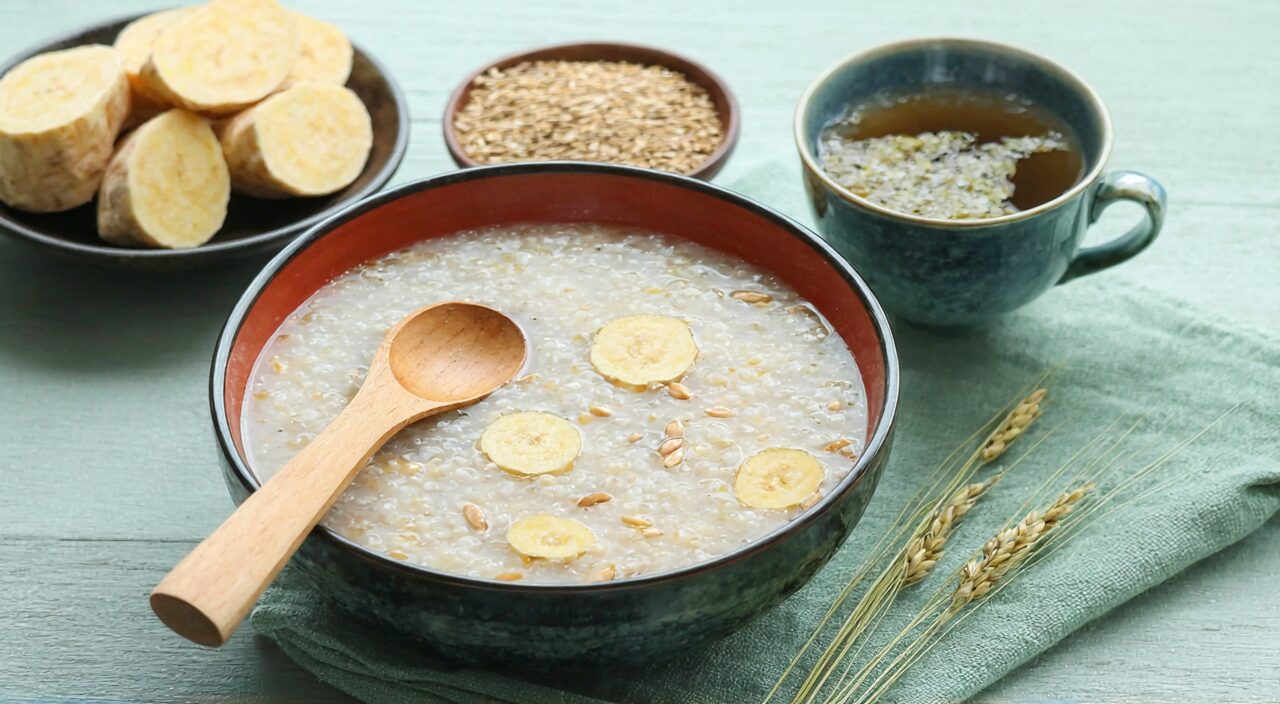
- Moderately increase everyday foods that clear heat, dispel dampness, and strengthen the spleen, such as coix seed (Yi Yi Ren), adzuki bean (Chi Xiao Dou), mung bean, winter melon, lotus leaf, poria (Fu Ling), and Chinese yam (Shan Yao), which can be used in porridge or soups.
- Avoid excessive alcohol; alcohol is damp-heat in nature and often aggravates oily scalp and hair loss.
Dietary adjustment is not meant to “cure” hair loss, but to help the body return to a relatively fresh state, reducing the constant harassment of damp-heat on hair follicles.
Daily Routines to Give the Body a Chance to Breathe
Long-term staying up late consumes yin and blood and easily generates internal heat. When sleep schedules are irregular and sleep is insufficient, many people notice more severe scalp oiliness—this is not a coincidence. Try to fall asleep before 11 p.m. and ensure adequate rest to support the body’s self-regulation.
Moderate exercise and sweating can unblock the qi mechanism inside and out, helping the discharge of dampness. But two points need attention:
- Clean the scalp promptly after exercise to prevent sweat mixed with oil from clogging hair follicles.
- Adjust the frequency of hair washing according to personal condition, aiming to keep the scalp fresh and non-greasy. Do not over-wash and damage the skin barrier, nor let oil accumulate for too long.
Emotional management is equally important. Irritability, anger, and excessive rumination can all aggravate qi stagnation and indirectly promote damp-heat. Finding a way to relax that suits you has long-term significance for hair care.
Directions for Referencing Traditional Chinese Patent Medicines
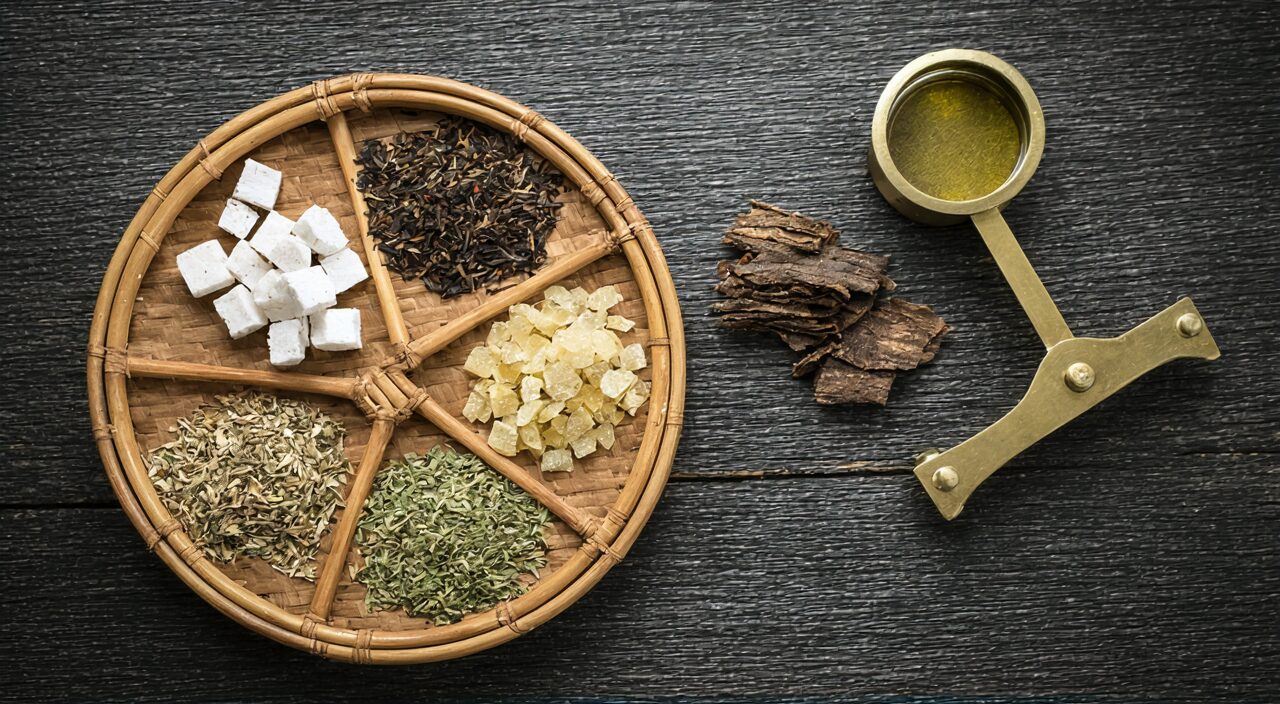
In the TCM toolkit of regulation, there are some long-standing formulas and patent medicines commonly used to adjust related constitutions and symptoms.
It should be made clear that the following content is only a summary of traditional application directions and does not mean they can be directly applied to everyone. Specific choices need to be tailored to individual circumstances.
Shen Ling Bai Zhu San (Ginseng, Poria and Atractylodes Powder)
This formula is traditionally used mainly to strengthen the spleen, supplement qi, percolate dampness, and stop diarrhea. It may be suitable for individuals with spleen-stomach weakness and pronounced dampness, presenting as heavy body sensation, poor appetite, and unformed stools.
When oily scalp and hair loss are accompanied by the above signs of spleen deficiency with excessive dampness, it is often used as a foundational choice for strengthening the spleen and dispelling dampness. The thinking is to enhance the spleen-stomach transportation function, reduce the generation of internal dampness, and thus indirectly improve the scalp environment.
Zhi Bai Di Huang Wan (Anemarrhena, Phellodendron and Rehmannia Pill)
Zhi Bai Di Huang Wan adds Anemarrhena (Zhi Mu) and Phellodendron (Huang Bai) to the Six-Ingredient Rehmannia Pill (Liu Wei Di Huang Wan), with a direction toward nourishing yin and reducing fire.
For people with yin-fluid insufficiency and deficiency-fire flaring upward, presenting as oily scalp but with dryness and itching, dry mouth and throat, five-center heat, insomnia, and dream-disturbed sleep, it may be a reference. It does not directly target dampness, but addresses yin deficiency with internal heat, suitable for the type that is oily yet accompanied by heat sensations.
There are also other patent medicines such as Long Dan Xie Gan Wan (Gentian Liver-Draining Pill) and similar formulas traditionally used to clear damp-heat from the liver and gallbladder. These require even more caution, as their actions are relatively strong and must be used under professional guidance.
Regardless of which patent medicine is used, one needs to observe one’s own reactions and combine the product instructions with professional advice to make a comprehensive judgment. Using the wrong medicine for an unsuitable constitution may actually worsen the discomfort.
When to Seek Professional Help Promptly
Although oily scalp and hair loss exist to some degree in many people, if the following conditions arise, it is recommended to actively consult a doctor or professional rather than self-regulating over the long term:
- Hair loss is rapid, with massive shedding in a short period
- The scalp shows obvious redness, swelling, pain, pustules, or ulceration
- Accompanied by severe anxiety or depression that affects daily life
- Accompanied by chest tightness, palpitations, unexplained weight loss, or generalized fatigue
- Self-regulation for over 6 months without significant improvement, or the hair loss has worsened
These manifestations may indicate other health problems that need priority attention; do not simply treat them as ordinary damp-heat hair loss.
Summary
From the TCM perspective, oily scalp and hair loss are mostly linked to a damp-heat constitution and imbalances in spleen-stomach transportation function. Oiliness and hair loss often stem from the same internal cause, rather than being a mere skin surface issue.
Understanding this allows us to move beyond the limitation of “only controlling oil” and shift focus to more fundamental lifestyle adjustments such as diet, daily routines, and emotions. Clearing heat and removing dampness, strengthening the spleen and promoting transportation are common directions of regulation. Traditional Chinese patent medicines like Shen Ling Bai Zhu San and Zhi Bai Di Huang Wan are considered as options in certain situations.
But the use of any formula must be combined with specific constitution, symptoms, and professional judgment; blind copying should be avoided. The body’s changes are a gradual process, built upon continuous observation and careful attention to one’s own state.