
What Is Bei Sha Shen? Medicinal Parts, Identification, and Common Formulas
When it comes to yin-nourishing Chinese herbs, many who are familiar with traditional Chinese medicine will think of “Sha Shen.” However, Sha Shen actually comes from different sources and varieties, and Bei Sha Shen is one of the most representative types. Bei Sha Shen is derived from the roots of Glehnia littoralis, a plant in the Apiaceae family. Its dried root is used medicinally and is typically classified as a yin-nourishing herb in traditional Chinese medicine. The word “Bei” (north) in its name is not only linked to its production areas, which are mostly concentrated in the sandy coastal lands of northern China, but also helps distinguish it from another common medicinal herb, Nan Sha Shen (southern Sha Shen).
If we want to use a medicinal herb correctly and effectively, the first things to know are what it looks like, which part is used as medicine, and what kind of conditioning approaches it is usually employed in. The following is a relatively systematic overview of Bei Sha Shen from these perspectives.
What Does Bei Sha Shen Look Like? How to Identify It
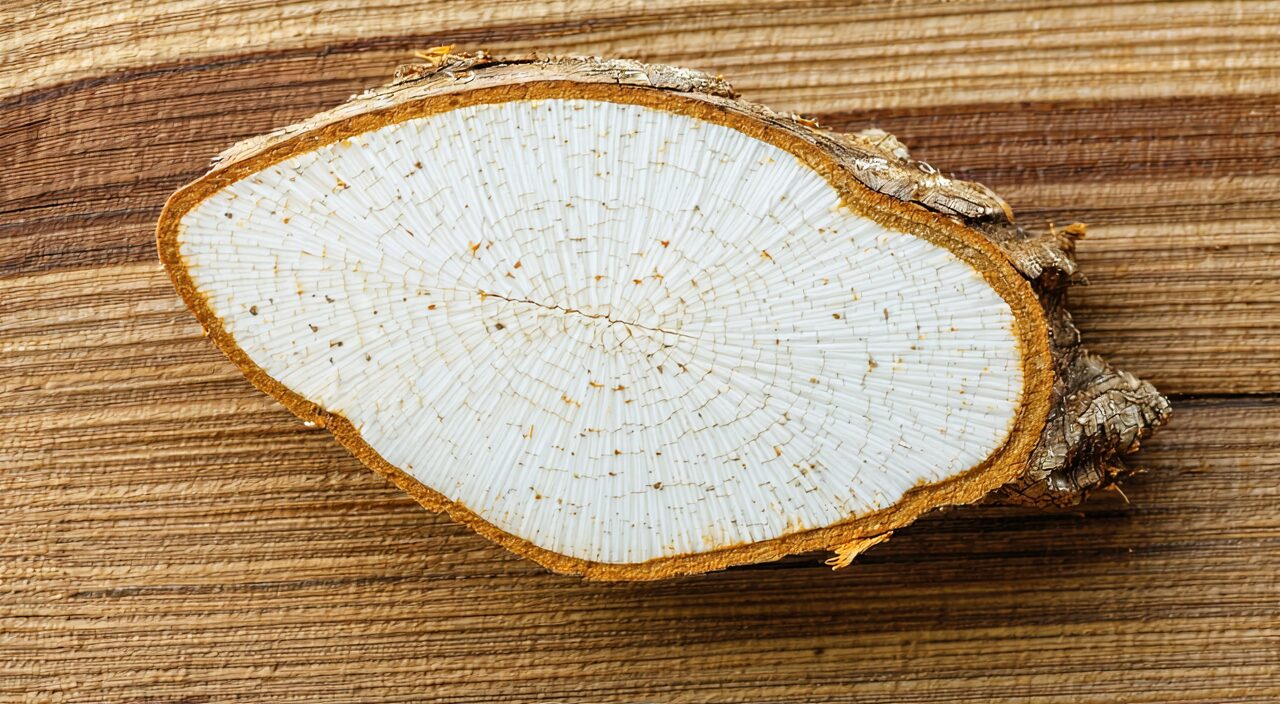
When you see Bei Sha Shen in the market or in a medicinal slice package, the first thing you will notice is its root. The medicinal part of Bei Sha Shen is the root. The typical crude herb has a slender, cylindrical shape, generally quite straight, occasionally with slight bends.
In terms of surface appearance, the roots are usually pale yellowish-white or light yellowish-brown, with a relatively compact texture that feels fairly smooth to the touch. However, upon closer inspection, you can see some longitudinal fine wrinkles and a few indistinct transverse lenticel traces. A rather distinctive feature is its brittle texture; it breaks easily. When snapped by hand, you can feel that not much force is needed, and the fracture surface is very uneven, revealing a white, powdery, starchy texture without visible fibers and almost no lignified hard core. This characteristic of “brittle texture and powdery fracture surface” is often regarded as a key observation point during identification.
In addition, due to different processing methods, you may sometimes see Bei Sha Shen with the outer skin not removed or partially removed. The surface color will be slightly darker, but overall it still has a pale yellowish-white tone. When cut into decoction pieces, they present as somewhat round or elliptical thin slices, occasionally with fissures at the edges, while the cut surface remains noticeably powdery white. The odor is relatively faint, and when chewed, it initially tastes slightly sweet, followed by a faint bitterness with a sensation of generating saliva.
What Is the Medicinal Part of Bei Sha Shen?
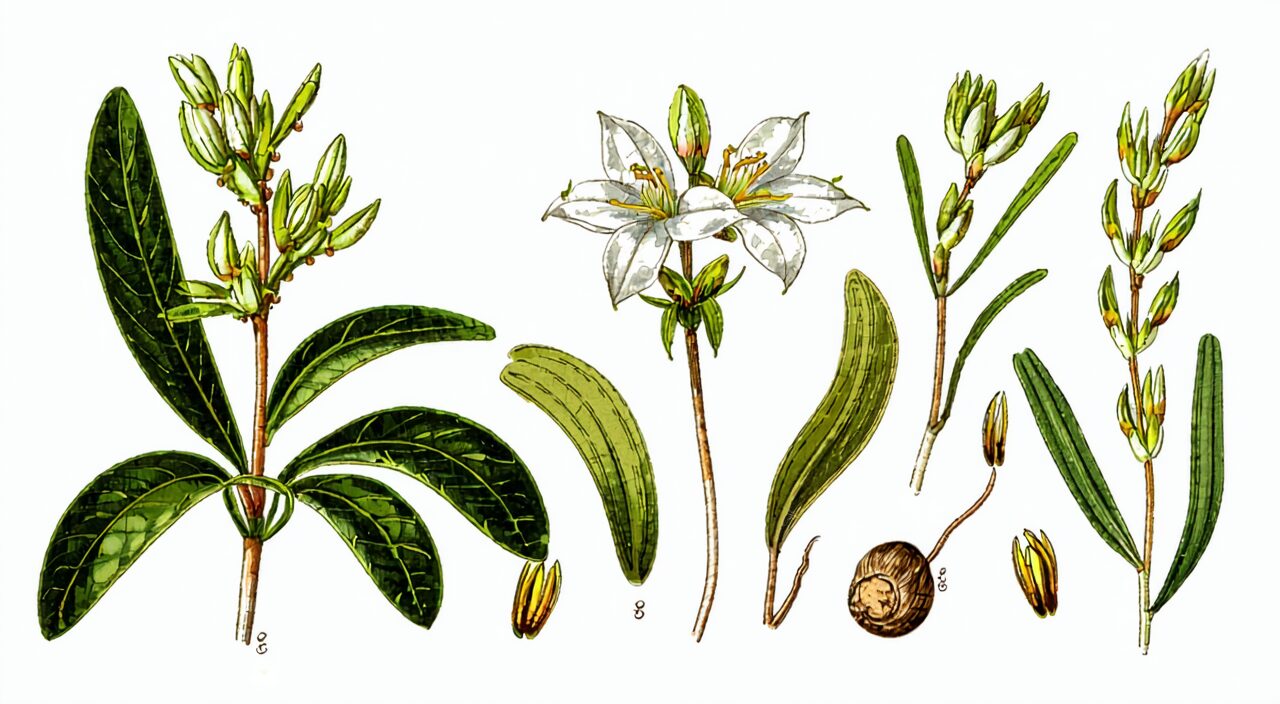
Bei Sha Shen uses the root exclusively as medicine; other parts of the plant are generally not used as medicinal materials. Cultivated Glehnia littoralis is usually harvested two to three years after sowing, typically in autumn when the aerial parts of the plant begin to wither. At this time, the nutrient accumulation in the roots is relatively sufficient, and the quality of the processed medicinal material is more highly valued.
After harvesting, the aboveground stems, leaves, and fibrous roots need to be removed, and the root washed clean of mud and sand. Then, depending on the situation, the outer skin may be removed or the root may be dried directly. In some regions, it is briefly scalded in boiling water, then peeled and dried in the sun or baked. Bei Sha Shen processed this way has a smoother, cleaner surface and a color that tends toward a paler yellowish-white. The dried roots can then be used directly as medicinal material, or they can be cut into thick slices or short segments during decoction piece processing, which is how we commonly see Bei Sha Shen slices in daily use.
The shape of decoction pieces is relatively uniform, but different processing specifications can also be seen. The most common is unprocessed Bei Sha Shen, which is simply cleaned, cut, and dried for use. Sometimes honey-fried Bei Sha Shen is also seen: it is mixed with honey water and lightly stir-fried, aiming to make its medicinal nature more moistening. However, this varies in usage habits across different regions.
How Does Traditional Chinese Medicine View Bei Sha Shen?
In traditional Chinese medicine theory, the nature and flavor of Bei Sha Shen are generally summarized as sweet and slightly cold, and it enters the Lung and Stomach meridians. Based on this meridian tropism and nature, its core functions revolve around “nourishing yin” and “clearing the Lung,” while also taking the Stomach into account.
When consulting traditional literature or formula books, if you see descriptions like “nourishes yin, clears the Lung, and benefits the Stomach with fluid production,” that generally outlines the main direction of Bei Sha Shen’s actions. It is often used in body constitutions or conditions that tend toward “heat” and “dryness” due to Lung yin deficiency or Stomach yin deficiency. From a traditional perspective, when Lung yin is insufficient, symptoms such as dry cough with little sputum, dry throat and mouth, and hoarseness can easily occur; when Stomach yin is deficient, it may manifest as thirst with a desire to drink, poor appetite, or relatively dry stools. In such cases, traditional Chinese medicine practitioners or experienced users may combine Bei Sha Shen with other yin-nourishing and fluid-producing herbs as a conditioning strategy.
However, such usage is always based on pattern differentiation, not simply matching one herb to one symptom. Precisely because Bei Sha Shen is moistening and slightly cold, it is not suitable for cases where phlegm-dampness is exuberant or Spleen and Stomach deficiency cold is prominent—a point that will be specifically mentioned later.
What Components and Effects of Bei Sha Shen Are Studied in Modern Research?
In modern research, the components of Bei Sha Shen that attract attention mainly include polysaccharides, coumarins, polyacetylenes, and some trace elements. Among these, Bei Sha Shen polysaccharides have been found in many experimental studies to potentially help regulate immune function and show certain activities against inflammation-related pathways. In addition, some coumarin components are believed to possibly possess antioxidant effects, and these findings have been widely reported at the level of laboratory cell or animal studies.
It should be noted that there is still a great distance between component research, experimental studies, and actual effects on the human body. Currently, human clinical research on Bei Sha Shen is relatively limited, so conclusions from cell or animal experiments cannot be directly equated to effects on the human body. For consumers, this kind of information can serve as a reference for further understanding the herb’s value, but it is not suitable for self-determining the direction of use based on it, nor can it replace professional pattern differentiation and standardized medication.
What Are the Differences Between Bei Sha Shen and Similar Herbs?
When mentioning Bei Sha Shen, the question of how it differs from Nan Sha Shen often arises. These two herbs differ by only one Chinese character in name and overlap to some degree in traditional applications, but there are clear distinctions in origin, appearance, and emphasis of action.
In terms of origin, Bei Sha Shen is the root of Glehnia littoralis in the Apiaceae family, while Nan Sha Shen generally comes from the roots of plants in the Campanulaceae family, such as Adenophora tetraphylla or Adenophora stricta. The plant families are completely different.
In appearance, the roots of Bei Sha Shen are slender and long, with a relatively smooth surface, brittle texture that breaks easily, and a powdery white fracture surface. In contrast, the roots of Nan Sha Shen tend to be thicker and larger, with a looser, more spongy texture, often showing deeper longitudinal grooves or transverse wrinkles on the surface, and the fracture surface is not powdery but has many cracks and is rough, somewhat resembling “loose, soft wood.” If you weigh them in your hand, Nan Sha Shen will feel lighter for the same volume.
Regarding the focus of traditional application, both have a function-oriented action of nourishing yin and clearing the Lung. However, Bei Sha Shen tends more toward generating fluids and benefiting the Stomach, and is more commonly used for Stomach yin deficiency with thirst and reduced food intake. Meanwhile, Nan Sha Shen, on top of nourishing yin, also carries a certain function of resolving phlegm and supplementing qi. For situations with Lung deficiency dry cough accompanied by a small amount of sticky sputum that is difficult to expectorate, Nan Sha Shen may be more frequently chosen traditionally. Thus, although the two can occasionally substitute for each other in some formulas, strictly speaking, they cannot be casually interchanged.
Which Formulas Use Bei Sha Shen?
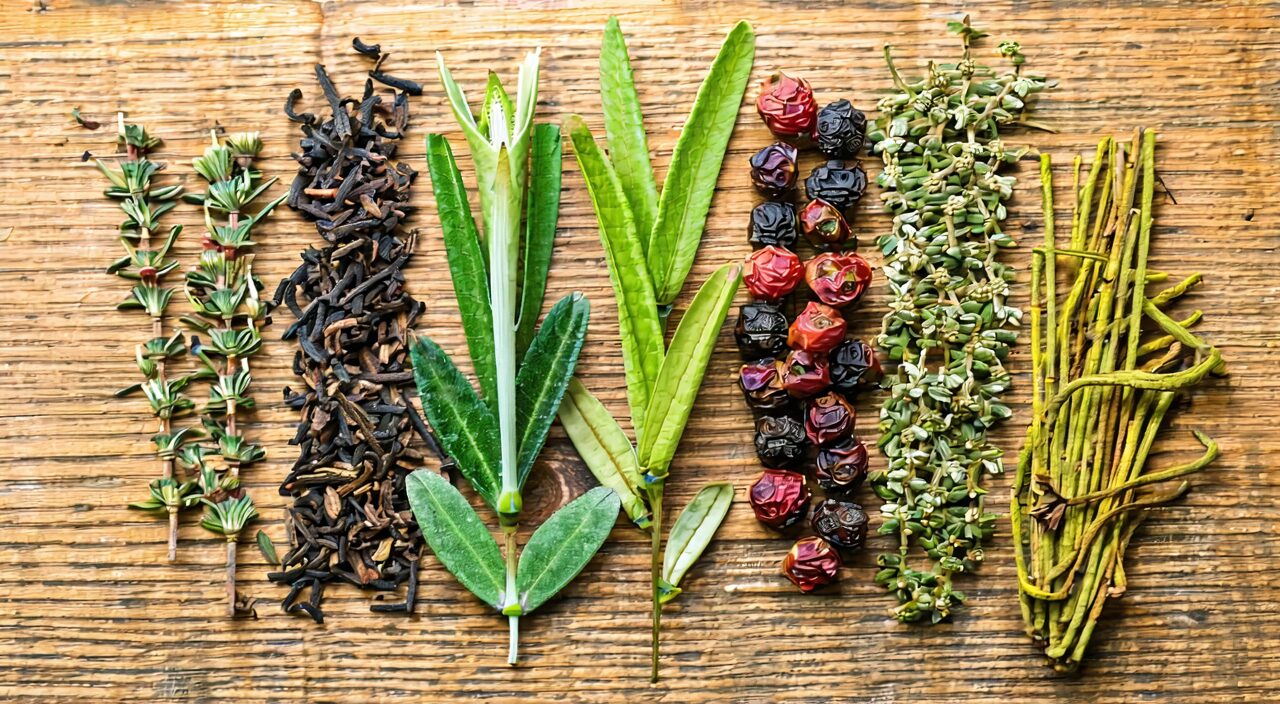
In traditional Chinese medicine formulas throughout history, Bei Sha Shen often plays the role of nourishing yin, moistening the Lung, and benefiting the Stomach. If you wish to gain a more comprehensive understanding of this herb, you may pay attention to the following representative traditional formulas.
Yi Guan Jian (Linking Decoction) is one of the more well-known ones. The entire formula has a main line of nourishing yin and soothing the Liver, and is often used for symptoms such as hypochondriac pain, acid regurgitation, and dry mouth due to Liver-Kidney yin deficiency and Liver qi discomfort. In this formula, Bei Sha Shen is combined with Sheng Di Huang (Rehmannia root), Mai Dong (Ophiopogonis tuber), and Gou Qi Zi (Goji berry), playing a role in nourishing yin and generating fluids, assisting in nourishing the yin of the Lung and Stomach and restoring yin fluids. This demonstrates the specialty of Bei Sha Shen in “benefiting the Stomach and generating fluids.”
Sha Shen Mai Dong Tang (Glehnia and Ophiopogon Decoction) is another formula relatively familiar to the public. It focuses on clearing and nourishing the Lung and Stomach, and is often used after dryness pathogen damages the Lung or Lung and Stomach yin is injured, manifesting as dry cough, scanty sputum, dry throat, and thirst. In this formula, either Nan Sha Shen or Bei Sha Shen is sometimes selected according to actual clinical practice. If Bei Sha Shen is used, it precisely exerts its function of nourishing yin to moisten the Lung, generate fluids, and quench thirst, working together with Mai Dong, Yu Zhu (Polygonatum odoratum), Tian Hua Fen (Trichosanthis root) to jointly nourish the Lung and Stomach.
Yi Wei Tang (Stomach Benefiting Decoction) is also a formula centered on nourishing Stomach yin, traditionally used for poor appetite, dry mouth, and dry throat caused by Stomach yin deficiency. In this combination, Bei Sha Shen is combined with Mai Dong, rock sugar, Sheng Di Huang, and other herbs to provide a relatively gentle nourishing direction for conditions of Stomach yin depletion and internal disturbance of deficiency heat.
Of course, the specific composition and dosage of these formulas are often adjusted in clinical practice according to individual situations, which means they are not meant to be adopted without professional guidance. When we see these formula names, we can take them as a window to understand the traditional role of Bei Sha Shen, rather than a universal remedy.
What Precautions Should Be Taken When Using Bei Sha Shen?
Although Bei Sha Shen is often considered a relatively mild yin-nourishing herb, there are also some situations where traditional usage clearly requires caution.
First, it is not suitable for use alone or as a primary herb during coughs caused by externally contracted wind-cold. Wind-cold coughs often present with a heavy, harsh cough sound, clear, thin white sputum, aversion to cold, headache, and so on. At this time, the required approach is to vent the Lung and dissipate cold, not to nourish yin and moisten. If Bei Sha Shen is used in this situation, it may make it harder for the external pathogen to be expelled and is not conducive to recovery.
Second, people with Spleen and Stomach deficiency cold who are prone to loose stools or diarrhea are generally not advised to take Bei Sha Shen on their own. Because Bei Sha Shen is slightly cold in nature and moistening in quality, it may worsen symptoms such as abdominal distension and loose stools for those with Spleen and Stomach deficiency cold. If there is a genuine need, a comprehensive judgment should first be made by a professional based on the individual’s constitution before considering whether to use it together with warming and qi-moving medicinal substances.
Third, in traditional drug contraindications, Bei Sha Shen should not be used together with Li Lu (Veratri nigri radix et rhizoma). This falls under the category of caution in the “Eighteen Antagonisms.” Although Li Lu is not very commonly used in practice, it is still very necessary to understand whether such contraindicated combinations exist before purchasing or using compound products containing Bei Sha Shen.
Overall, whether any particular medicinal herb is suitable for oneself requires comprehensive judgment based on individual constitution, current physical state, and professional assessment. Do not decide on dosage or mode of administration on your own just because of certain popular science information.
Summary
Bei Sha Shen is a traditional yin-nourishing herb whose root is used as medicine. It can be relatively easily identified by its slender, brittle root with a powdery white fracture surface. Traditionally, it is mainly used around the concepts of nourishing yin, clearing the Lung, and benefiting the Stomach with fluid production. It clearly differs from Nan Sha Shen in origin, appearance, and emphasis of action. Formulas such as Yi Guan Jian, Sha Shen Mai Dong Tang, and Yi Wei Tang demonstrate its role in nourishing Lung and Stomach yin when used in combination. In practical use, circumstances such as wind-cold cough, Spleen deficiency with loose stools, and simultaneous use with Li Lu all warrant attention. This article is for popular science reference only and cannot replace professional diagnosis or treatment advice. Before specific use, it is recommended to consult a traditional Chinese medicine professional.