
What Is Bai Wei? Medicinal Parts, Identification Tips, and Common Formulas
Bai Wei is a heat-clearing and blood-cooling medicinal commonly used in Chinese medicine, derived from the dried roots and rhizomes of the Asclepiadaceae plants Cynanchum atratum or Cynanchum versicolor. Many overseas TCM enthusiasts are curious about what Bai Wei actually looks like, how it differs from Bai Qian, and its role in traditional formulas. This article helps readers gain a systematic understanding of Bai Wei through appearance identification, medicinal parts, traditional understanding, comparison with similar herbs, common formulas, and precautions.
Identifying Bai Wei: From Appearance to Cross-Section Details
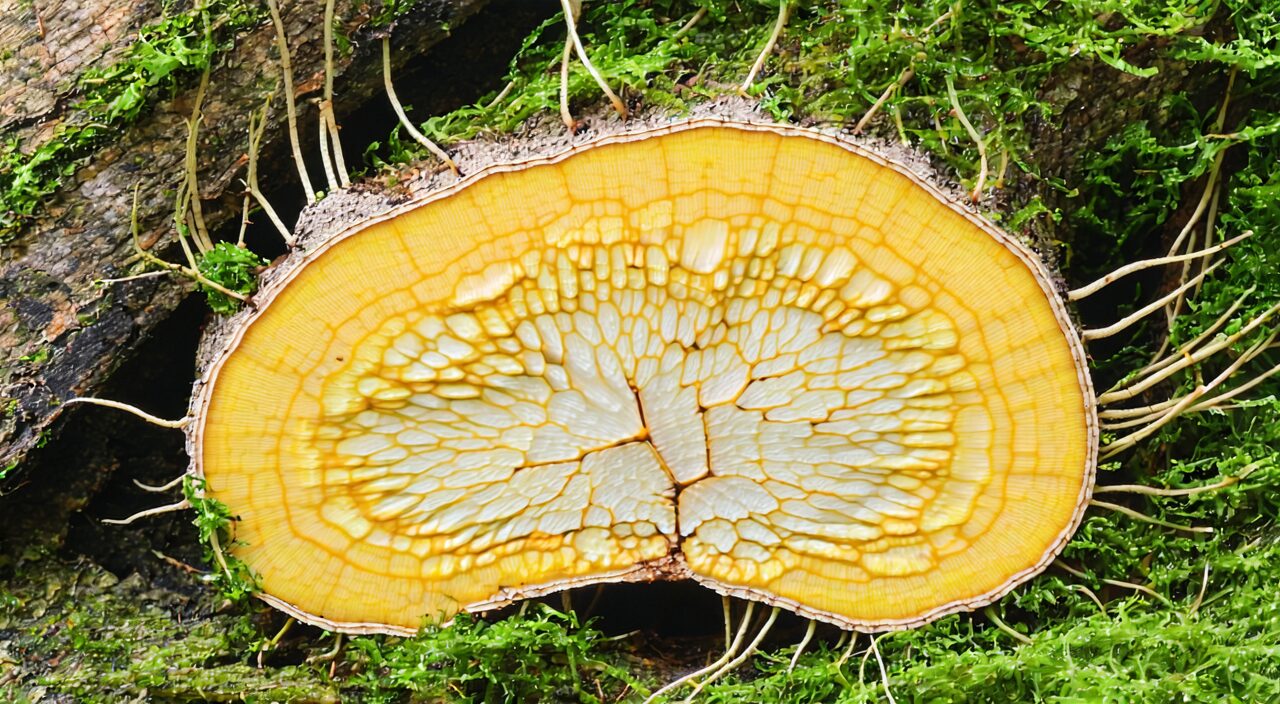
Bai Wei has fairly distinctive morphological characteristics. Its rhizome is short and thick, appearing knotty, with round depressed stem scars or residual stem bases visible at the upper end, while the lower end bears numerous clustered, slender, and curved roots, resembling a horse’s tail. The root surface is usually yellowish-brown to brown, with fine longitudinal wrinkles. The texture is brittle and breaks easily; the cross-section is flat, with the cortex yellowish-white and the xylem relatively small and yellow. The odor is faint, and the taste is slightly bitter. When selecting or identifying Bai Wei, pay attention to these key points—short rhizome, clustered fine roots, and a yellowish-white cross-section—to differentiate it from some similar-appearing root herbs.
What Are the Medicinal Parts of Bai Wei? Harvesting and Processing Considerations
The pharmacopoeia stipulates that the medicinal part of Bai Wei is the root and rhizome. It is usually harvested in spring or autumn from plants over three years old, with autumn-harvested material considered superior. After harvesting, the aerial parts are removed, the mud is washed off, and the material is dried. In traditional processing, the outer rough bark is sometimes scraped off, but nowadays it is mostly sun-dried or dried at low temperature directly. The intact dried roots and rhizomes are called “Bai Wei,” while broken fine roots are sometimes used as decoction pieces separately. Special attention is needed here, because in some regions Bai Qian was historically used confusedly as Bai Wei; understanding the correct medicinal part and processing method is the basis for ensuring accurate use of the herb.
How Does Traditional Chinese Medicine Understand Bai Wei?
In TCM theory, Bai Wei is bitter and salty in taste, cold in nature, and enters the Stomach, Liver, and Kidney meridians. Traditionally, this herb is understood to act in the directions of clearing heat and cooling the blood, promoting urination and relieving stranguria, and resolving toxins and healing sores. For residual heat that has not been cleared in the later stages of warm-febrile diseases, yin-deficiency fever, or postpartum deficiency heat and bone-steaming tidal fever, ancient practitioners often incorporated Bai Wei into their regulating strategies. At the same time, for stranguria caused by blood heat or sores and toxic swellings, Bai Wei is sometimes chosen to clear heat from the blood level. It should be noted that this understanding is built within the framework of traditional pattern differentiation, not targeted at modern disease concepts; whether it is suitable for an individual still requires comprehensive judgment based on constitution.
Some Findings from Modern Research
Modern and contemporary research has partially explored the chemical constituents of Bai Wei. Studies suggest that Bai Wei contains C21 steroidal glycosides, volatile oils, organic acids, and other substances. Among these, Bai Wei glycosides have shown anti-inflammatory and immunomodulatory potential in some in vitro experiments. Some researchers have also focused on their effects on cell apoptosis and oxidative stress. However, much of this research consists of preliminary laboratory observations, and there is still a considerable gap before directly extrapolating specific effects in the human body. Therefore, these findings are better viewed as one profile of Bai Wei, not as a basis for use; daily health regulation should still be guided by traditional pattern differentiation.
Key Differences Between Bai Wei, Bai Qian, and Di Gu Pi
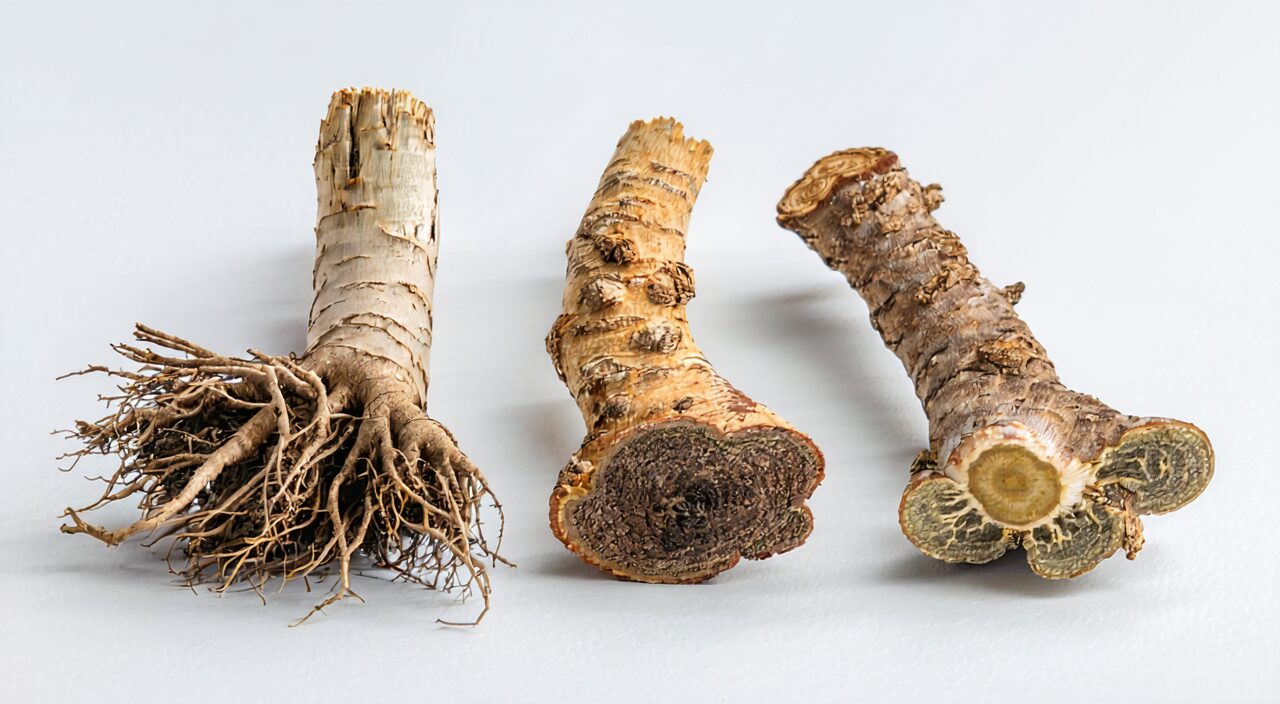
Bai Wei and Bai Qian are sometimes confused due to similar names, but their sources, appearances, and traditional applications differ. Bai Qian is the dried rhizome and root of the Asclepiadaceae plants Cynanchum stauntonii or Cynanchum glaucescens. Its rhizome is slender and cylindrical, with a yellowish-white or yellowish-brown surface and prominent nodes; it is brittle and breaks easily, with a hollow cross-section, commonly called “goose-pipe Bai Qian.” Traditionally, Bai Qian is mostly used to descend qi and resolve phlegm, targeting cough and wheezing with profuse sputum due to lung qi rebelling upward, whereas Bai Wei is more directed toward clearing deficiency heat and cooling the blood. The two should not be substituted for each other.
Di Gu Pi comes from the dried root bark of the Solanaceae plants Lycium chinense or Lycium barbarum. It appears tubular or trough-shaped, with an outer surface that is grayish-yellow to brownish-yellow and rough, and an inner surface that is yellowish-white and loose in texture. Its traditional application mostly revolves around cooling the blood and eliminating steaming bone heat, and clearing the lung and reducing fire. Although it shares similarities with Bai Wei in clearing deficiency heat, Bai Wei can also promote urination and relieve stranguria and resolve toxins and heal sores, whereas Di Gu Pi excels at relieving bone steaming and quenching thirst. In actual selection, differentiation is often based on accompanying symptoms and the overall pathogenesis. It is recommended to differentiate and use them under professional guidance.
Which Formulas Use Bai Wei?
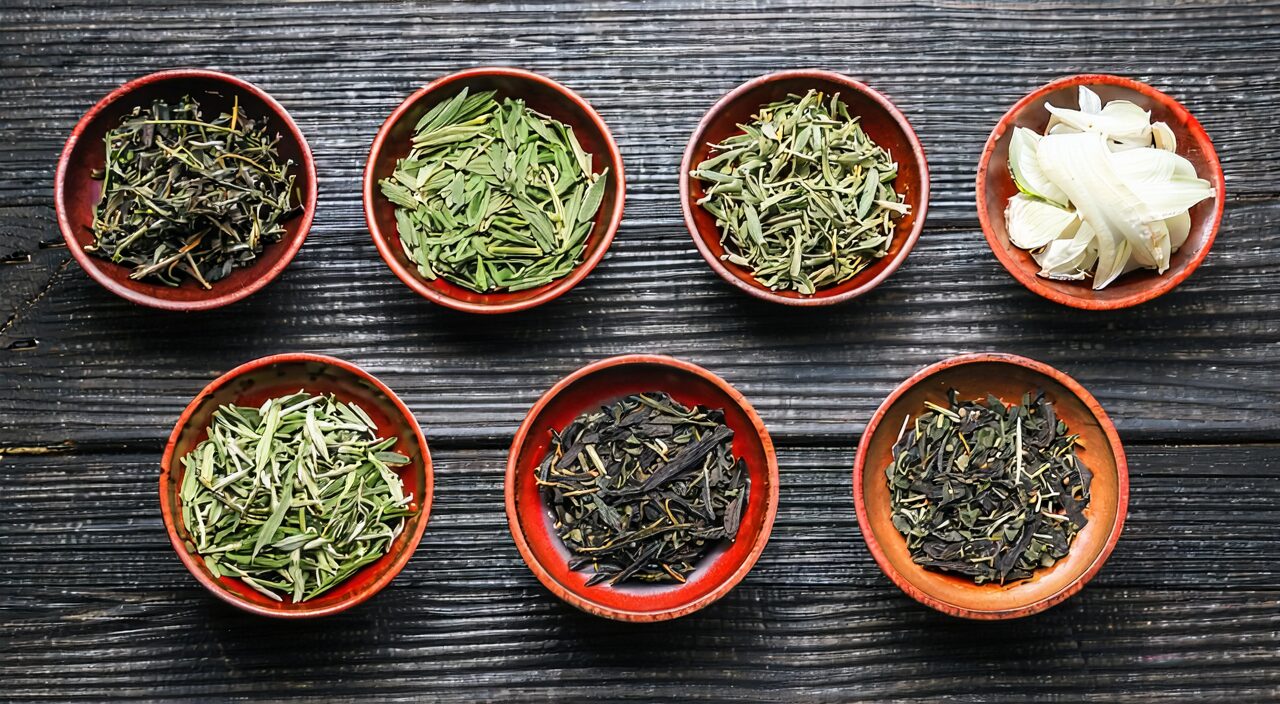
Bai Wei plays an important role in several traditional formulas. The following three can serve as directions for understanding.
Modified Wei Rui Decoction (Jia Jian Wei Rui Tang): Originating from Tong Su Shang Han Lun, this is a representative formula for nourishing yin and releasing the exterior. The formula uses Yu Zhu (wei rui) to nourish yin and moisten dryness, combined with Bai Wei to clear heat and cool the blood, Cong Bai and light Dan Dou Chi to mildly vent the exterior, Jie Geng and Bo He to diffuse the lung, and Gan Cao and Da Zao to harmonize. It is often used for those with a pre-existing yin deficiency who contract external wind-heat, manifesting as fever, slight aversion to wind-cold, thirst, and dry throat. Bai Wei assists in clearing deficiency heat without damaging yin fluids.
Bai Wei Tang: Originating from Pu Ji Ben Shi Fang, it consists of Bai Wei, Ren Shen, Dang Gui, Gan Cao, and others. Traditionally used for postpartum blood-deficiency fever, dizziness, and fainting, the thinking behind this formula is to simultaneously supplement both qi and blood while using Bai Wei to clear and vent deficiency heat, preventing deficiency yang from floating upward due to blood deficiency. When using it, one must strictly distinguish the relationship between qi-blood weakness and blood heat; not all postpartum discomforts are suitable.
Er Jia Long Gu Tang: This formula is a modification of Gui Zhi Jia Long Gu Mu Li Tang, often with the addition of Bai Wei, Fu Zi, etc. For symptoms such as dreaming of sexual intercourse, seminal loss, spasm and tightness in the lower abdomen, dizziness, and hair loss that belong to dual deficiency of yin and yang with slight deficiency heat, Bai Wei is traditionally sometimes added to clear floating heat. The dosage of Bai Wei in this formula is generally small, aimed at concurrently clearing heat without hindering yang.
A special reminder: The above formulas are merely examples of traditional applications. Individual situations vary greatly. Whether they are appropriate still requires a comprehensive judgment combining one’s constitution, current symptom presentation, and the pattern differentiation opinion of a professional. Do not self-prescribe directly by matching symptoms.
What Precautions Should Be Observed When Using Bai Wei?
- Use with caution in spleen-stomach deficiency cold: Bai Wei is cold in nature and can easily affect the yang qi of the spleen and stomach. If one usually experiences reduced appetite, loose stools, cold abdominal pain, or aversion to cold with a preference for warmth—signs of spleen-stomach deficiency cold—using Bai Wei alone or in large amounts may aggravate discomfort. Traditionally, it often needs to be combined with herbs that warm the middle and strengthen the spleen.
- During pregnancy and special stages: Pregnancy involves a special constitution; the heat-clearing and blood-cooling action of Bai Wei may affect qi and blood. It is generally recommended to avoid self-directed use. For stages such as lactation or when trying to conceive, professional consultation is also advised.
- Avoid long-term blind consumption: As a cold and cool medicinal, even when it matches the indication for clearing heat, the appropriate dosage and duration should be determined based on pattern differentiation. Long-term or excessive use may deplete yang qi and damage the spleen and stomach; it is by no means a case of “longer is better.”
- When symptom identification is unclear: If you encounter recurrent fever, prolonged unresolved fever, or symptoms accompanied by marked fatigue, night sweats, or emaciation, it is advisable to seek professional diagnosis first, clarify the cause, and then consider whether ancillary regulation with Bai Wei is suitable.
In summary, the use of Bai Wei emphasizes matching the pattern and moderation. If there are doubts about your own constitution or the appropriate direction of use, the safest approach is to consult a qualified TCM practitioner or pharmacist.
Summary
Bai Wei is a heat-clearing and blood-cooling herb with a unique morphology and clear directions of traditional application. Recognizing its appearance by the short rhizome and clustered fine roots, and differentiating it from Bai Qian and Di Gu Pi, helps avoid misuse. Formulas such as Modified Wei Rui Decoction and Bai Wei Tang reflect its traditional role in nourishing yin, clearing heat, and regulating deficiency heat. However, precisely because of its cold nature, those with spleen-stomach deficiency cold or in special physiological stages need to pay extra attention. The use of any Chinese medicinal should be based on a thorough understanding of one’s personal constitution and professional pattern differentiation. This article is only for popular science reference and cannot replace professional diagnosis or treatment advice.