
What Is Bai Jiang Cao? Medicinal Parts, Identification, and Common Formulas
Many people hearing the name “Bai Jiang Cao” for the first time might think of some kind of sauce; in reality it is a traditional botanical medicine, so named because the dried whole plant gives off a strong odor reminiscent of spoiled or fermented bean paste. Bai Jiang Cao is derived from the dried whole herb of Patrinia scabiosifolia or Patrinia villosa (Valerianaceae), and has a long history of use in clearing heat, draining pus, and dispelling blood stasis. Below we discuss its appearance, medicinal parts, understanding in Chinese medicine, differences from similar herbs, representative formulas, and precautions, to help you gain a more complete picture of this medicinal substance.
What Does Bai Jiang Cao Look Like? How to Identify It
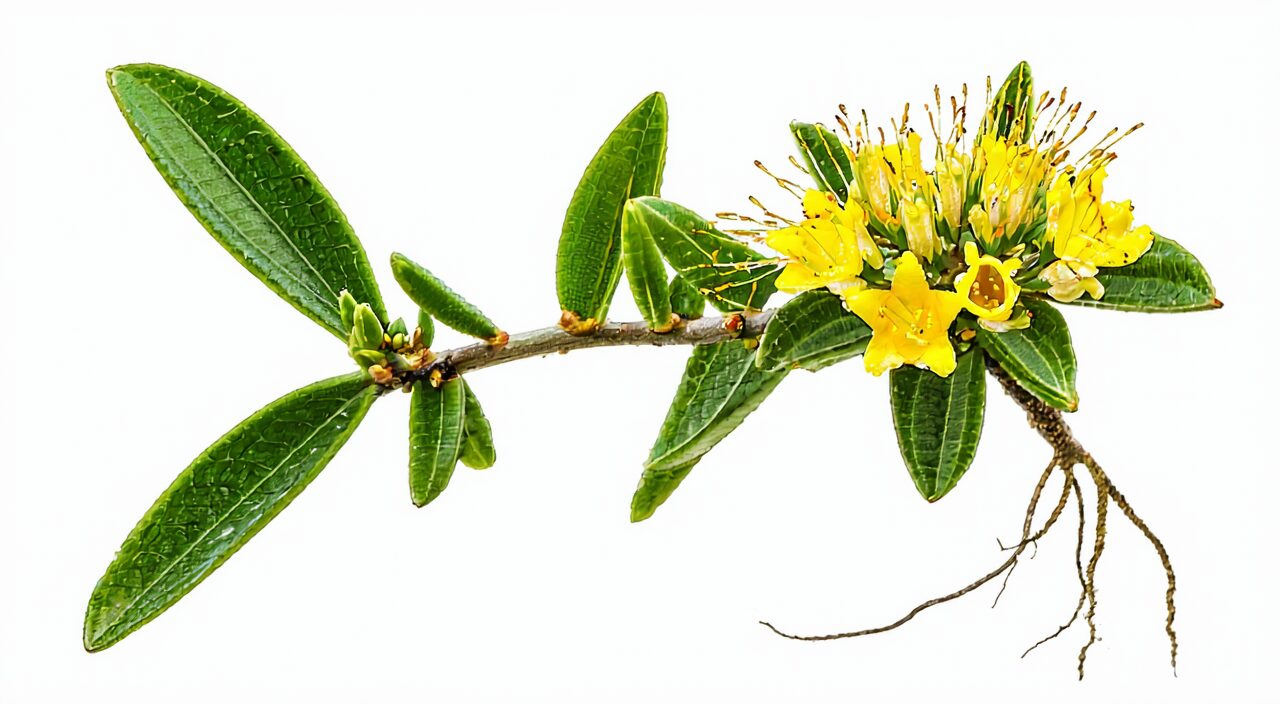
The stem of Bai Jiang Cao is erect, usually 50–100 cm tall. Basal leaves are clustered, while stem leaves are opposite, mostly pinnately parted or deeply divided, with coarse serrations on the margins. The most noticeable feature is the terminal corymbose cyme inflorescence: the flowers are small and dense; Patrinia scabiosifolia produces small yellow flowers, whereas Patrinia villosa produces small white ones. Underground there is a horizontal or relatively short rhizome bearing numerous fine fibrous roots.
The key identification feature of Bai Jiang Cao is the unique odor of the dried product. The fresh plant has little scent, but once dried the entire herb releases a strong, fermented bean paste-like smell, often described as resembling overripe bean paste or a fermented odor—this is exactly what “Bai Jiang” (spoiled paste) refers to. The odor becomes more pronounced when the leaves or roots are rubbed, and serves as an important reference for distinguishing Bai Jiang Cao from other similar-looking herbs.
What Are the Medicinal Parts of Bai Jiang Cao?
The medicinal part of Bai Jiang Cao is the whole herb, meaning the aerial portions—stems, leaves, and flowers—as well as the underground roots and rhizomes. It is usually harvested before or at the early flowering stage in summer; the entire plant is cut, soil and impurities are removed, and it is dried in the sun or in the shade for use.
There can be some variation in characteristics depending on the region of origin and the species; both Patrinia scabiosifolia and Patrinia villosa are recorded in the relevant standards of the Chinese Pharmacopoeia. Traditionally Patrinia scabiosifolia is more commonly used, but in some areas Patrinia villosa is also employed. In either case, it is used medicinally as the dried whole herb in formulas, and is rarely used alone or in its fresh form.
How Does Chinese Medicine Understand Bai Jiang Cao?
Traditional Chinese medicine regards Bai Jiang Cao as acrid and bitter in flavor, slightly cold in nature, and entering the Stomach, Large Intestine, and Liver meridians. Its application mainly focuses on clearing heat and resolving toxicity, draining pus and dispersing abscesses, and dispelling stasis and relieving pain. Classical herbal texts record that Bai Jiang Cao is frequently considered for “intestinal abscess”—an ancient disease pattern characterized by an abdominal mass, persistent pain, and fever, roughly corresponding to certain abdominal inflammatory masses or periappendiceal abscesses in modern terms.
At the same time, Bai Jiang Cao is also commonly used in patterns such as pulmonary abscess, heat-toxin sores and swellings, and postpartum stasis-associated abdominal pain. However, all of these must be used within the framework of overall pattern differentiation and should not be simplistically equated with modern disease diagnoses.
Modern researchers have isolated various constituents from Bai Jiang Cao, including volatile oils, flavonoids, iridoid glycosides, and triterpenoid saponins. Some studies suggest it may possess antibacterial, anti-inflammatory, and immunomodulatory activities in vitro. These findings can serve as supplementary information for understanding its traditional uses, but they cannot be directly equated with clinical effects, nor should they be taken as evidence that it can replace conventional medical measures.
How Does Bai Jiang Cao Differ from Yu Xing Cao and Pu Gong Ying?
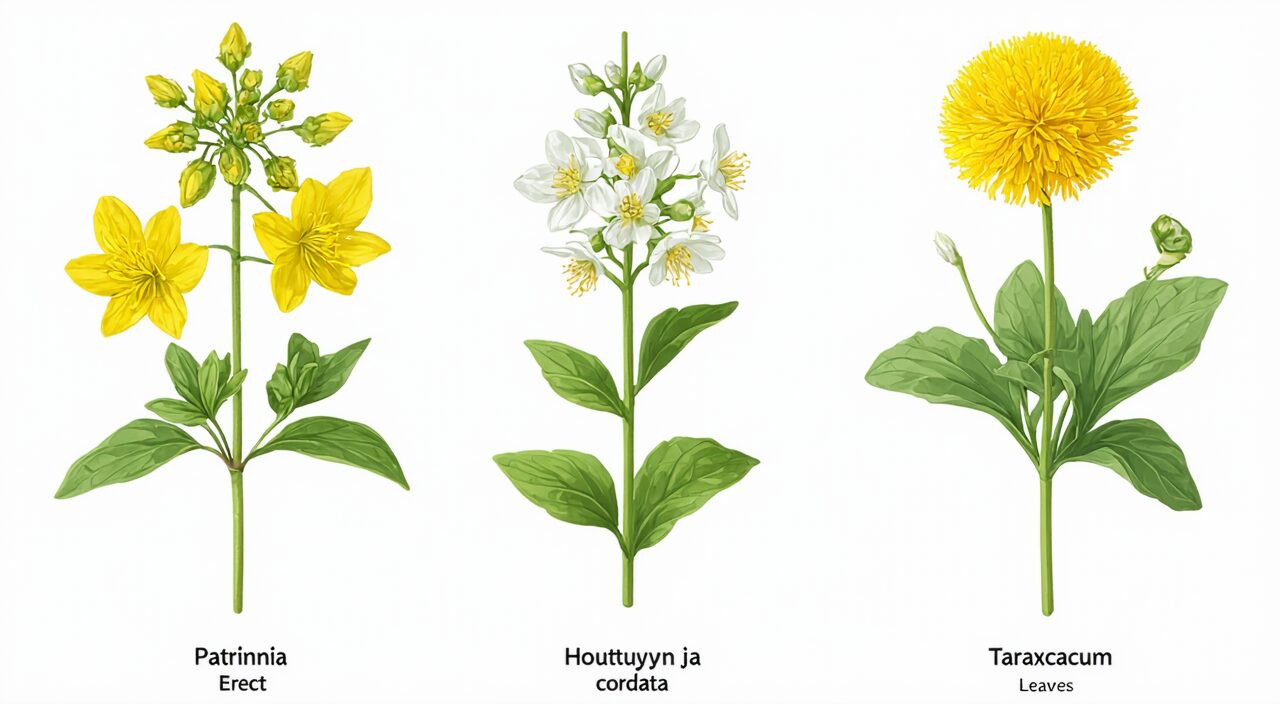
Bai Jiang Cao, Yu Xing Cao (Houttuynia cordata), and Pu Gong Ying (Taraxacum mongolicum) are all commonly used heat-clearing and detoxifying herbs, but they differ markedly in appearance, odor, and clinical emphasis. Recognizing these differences helps in accurately understanding their respective roles.
Yu Xing Cao has a strong fishy odor; its leaves are heart-shaped or broadly ovate, and it bears a terminal spike inflorescence with small white bracts that open at flowering. Traditionally it specializes in entering the Lung meridian and is more biased toward clearing the lung and draining pus, often considered for pulmonary abscess and phlegm-heat obstructing the lung. Pu Gong Ying grows close to the ground; its leaves are oblanceolate with deeply lobed margins, and it exudes white latex when broken. It produces a solitary, bright yellow flower head. Pu Gong Ying mainly enters the Liver and Stomach meridians and is more often used for breast abscesses, heat-toxin sores, and for draining dampness and promoting urination.
Bai Jiang Cao, by contrast, tends to enter the Large Intestine and Liver meridians. Its core distinction lies in the unique fermented odor of the dried herb and its traditional emphasis on intestinal abscess, abdominal pain due to stasis-heat accumulation, and sores. When comparing these three herbs side by side, the difference in odor is the most straightforward identification point, followed by differences in inflorescence and leaf shape. In clinical application, each has its own emphasis and they should not be used interchangeably.
Which Formulas Use Bai Jiang Cao?
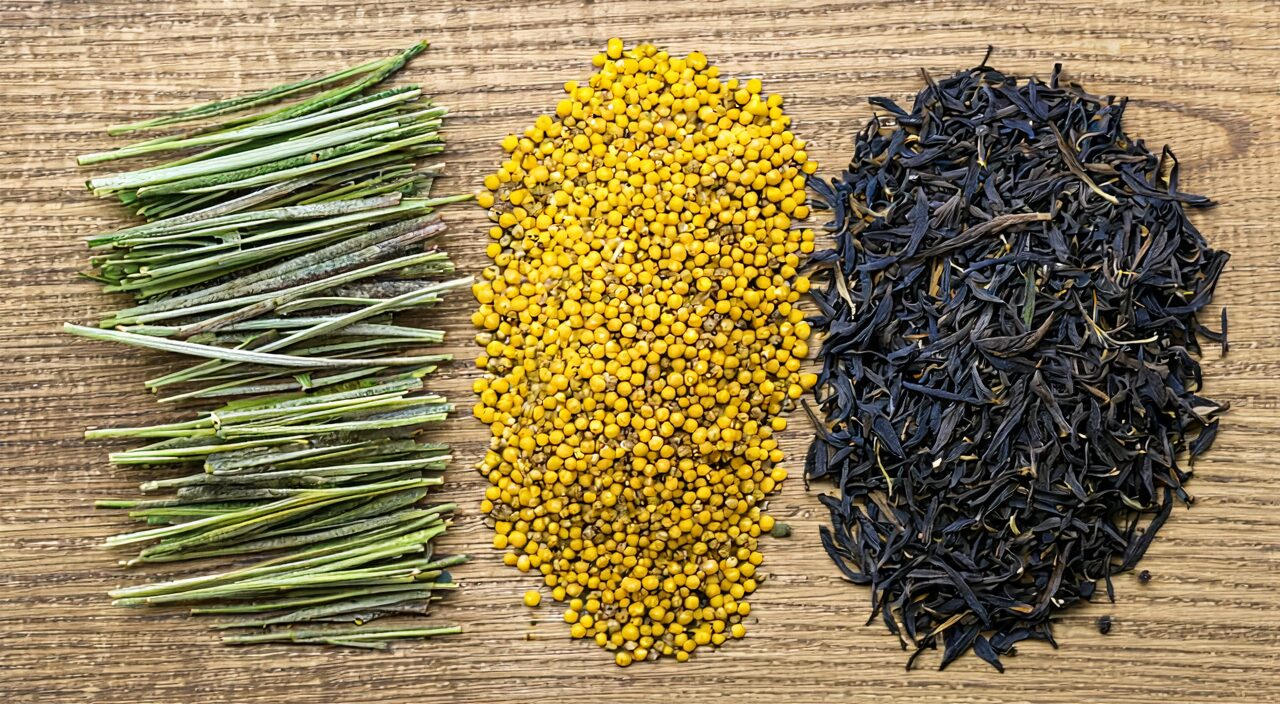
Bai Jiang Cao is rarely used alone in traditional practice; it is more commonly combined with other herbs in compound formulas. Below are three representative formulas introduced solely to illustrate the thinking behind traditional formula composition. Any specific application must be determined by a qualified professional based on individual constitution and actual presentation.
Yi Yi Fu Zi Bai Jiang San (Coix, Aconite, and Patrinia Powder), from the “Essentials from the Golden Cabinet” (Jin Gui Yao Lue), consists of Yi Yi Ren (coix seed), Fu Zi (processed aconite), and Bai Jiang Cao. It exemplifies a formula that combines cold and warm medicinals. The original design was directed at an intestinal abscess with suppuration and a slight deficiency of correct qi, using Bai Jiang Cao to clear heat and drain pus, Yi Yi Ren to drain dampness and disperse abscess, and Fu Zi to warm yang and dissipate bind, thereby addressing a mixed cold-heat pattern. To this day, some Chinese medicine practitioners still reference the thinking behind this formula when addressing relevant inflammatory masses or chronic appendicitis.
Hong Teng Bai Jiang San (Sargentodoxa and Patrinia Powder) is a later empirical formula that adds Hong Teng (Sargentodoxa cuneata), Zi Hua Di Ding (Viola yedoensis), Chi Shao (Paeonia veitchii), and others to Bai Jiang Cao, with an emphasis on invigorating blood, resolving toxicity, and dispersing abscesses. Some practitioners consider the combination of Bai Jiang Cao and Hong Teng in gynecological conditions such as pelvic inflammatory masses and adnexitis, but this remains within the professional realm and should not be applied on one’s own.
In some regions there is also the use of Bai Jiang Cao Decoction, often with Bai Jiang Cao as the main herb combined with Mu Dan Pi (Moutan cortex), Tao Ren (persica seed), and Yan Hu Suo (corydalis rhizoma) for stasis-heat accumulation with persistent abdominal pain. These formulas all reflect the traditional understanding of Bai Jiang Cao’s ability to “drain heat and break stasis,” but they can only be considered when pattern differentiation is accurate and the dosage is appropriate.
What Precautions Should Be Taken When Using Bai Jiang Cao?
Bai Jiang Cao is cold in nature. People with spleen-stomach deficiency and cold may easily experience cold abdominal pain, loose stools, or reduced appetite, so such individuals generally need to use it with caution or use it in formulas balanced with warming medicinals.
Pregnancy is a special phase, and because Bai Jiang Cao has blood-invigorating and stasis-dispelling properties, it has traditionally been considered contraindicated during pregnancy to avoid adverse effects. In addition, cases sometimes occur on the market where Yu Xing Cao or other whole herbs are mislabeled as Bai Jiang Cao. When purchasing dried material, it is advisable to go through proper channels and to check the odor and appearance carefully to avoid species confusion.
Particularly noteworthy is that Bai Jiang Cao is not suitable for self-management of acute abdominal conditions or severe infections. If sudden, severe abdominal pain, persistent high fever, a rigid “board-like” abdomen, frequent vomiting, bloody stools, or black tarry stools occur, these may be signs requiring emergency medical intervention. Under no circumstances should one attempt to self-administer formulas containing Bai Jiang Cao for relief; immediate medical attention is required.
Summary
Bai Jiang Cao is a traditional medicinal substance with a distinctive odor and a long history of use. Its appearance and the fermented-odor of the dried herb are key to identification. Traditional Chinese medicine uses it primarily to clear heat and resolve toxicity, drain pus and disperse abscesses, and dispel stasis and relieve pain. It is often associated with classic formulas such as Yi Yi Fu Zi Bai Jiang San for intestinal abscess and sores. Caution is required in cases of spleen-stomach deficiency-cold and during pregnancy, and attention must also be paid to species confusion in practice. This article is for informational reference only and cannot replace professional diagnosis or treatment advice. For any specific health concerns, consult a doctor or qualified professional first.