
What Is Da Xue Teng? Medicinal Parts, Identification, and Common Formulas
When learning about traditional Chinese medicinal herbs, many people confuse Da Xue Teng, Ji Xue Teng, and Su Mu, especially when they see reddish-brown cross-sections or vine-based medicinal materials and find it difficult to identify them by name alone. Da Xue Teng comes from the dried vine stems of the Da Xue Teng plant and is traditionally also called Hong Teng, or Red Vine. The vine stem is the primary medicinal part. The following sections explain what Da Xue Teng is from the perspectives of appearance, medicinal parts, traditional Chinese medicine theory, and precautions, while also outlining its differences from similar herbs.
What Does Da Xue Teng Look Like? How Can It Be Identified?
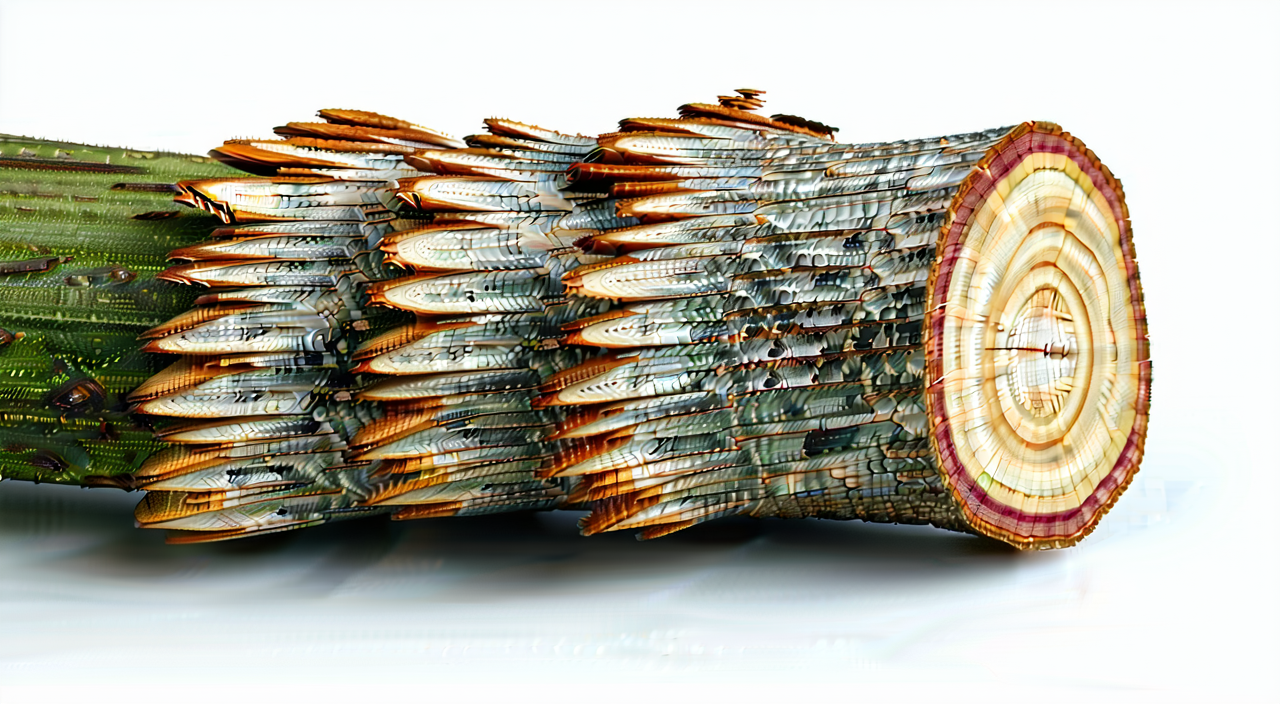
Appearance and Cross-Section Features
Da Xue Teng usually appears as a cylindrical vine stem and is also commonly processed into thick or oblique slices. The surface of the herb is generally grayish-brown, gray-brown, or brownish-red. Its outer bark is relatively rough and may show longitudinal wrinkles, cracks, or areas where the cork layer has fallen away. Color and thickness can vary according to the place of origin, harvesting time, and processing method, so color alone should not be used to reach a conclusion.
When cut open or viewed in cross-section, the xylem of Da Xue Teng is usually reddish-brown to brownish-red, with a color that is often more noticeable than that of the outer bark. The cross-section may show relatively clear radial patterns as well as vessel pores of different sizes, creating the overall structural appearance of a woody vine stem. The texture is generally hard. After drying, it is not easily broken by hand. Its aroma is not particularly strong, and its taste may be somewhat bitter and astringent.
Identification Requires Comprehensive Observation
When identifying Da Xue Teng, it is advisable to observe the shape, outer bark, cross-sectional color, radial patterns, vessel pores, and texture together rather than focusing only on the presence of “red” coloration. Commercially available sliced herbs may have undergone slicing, drying, or screening, so their appearance may not exactly match that of a fresh vine stem. For the identification, dispensing, or long-term storage of sliced herbs, choose products with a clear source, complete packaging information, and formal quality control. Identification based solely on online images or personal experience cannot replace professional authentication.
What Is the Medicinal Part of Da Xue Teng?
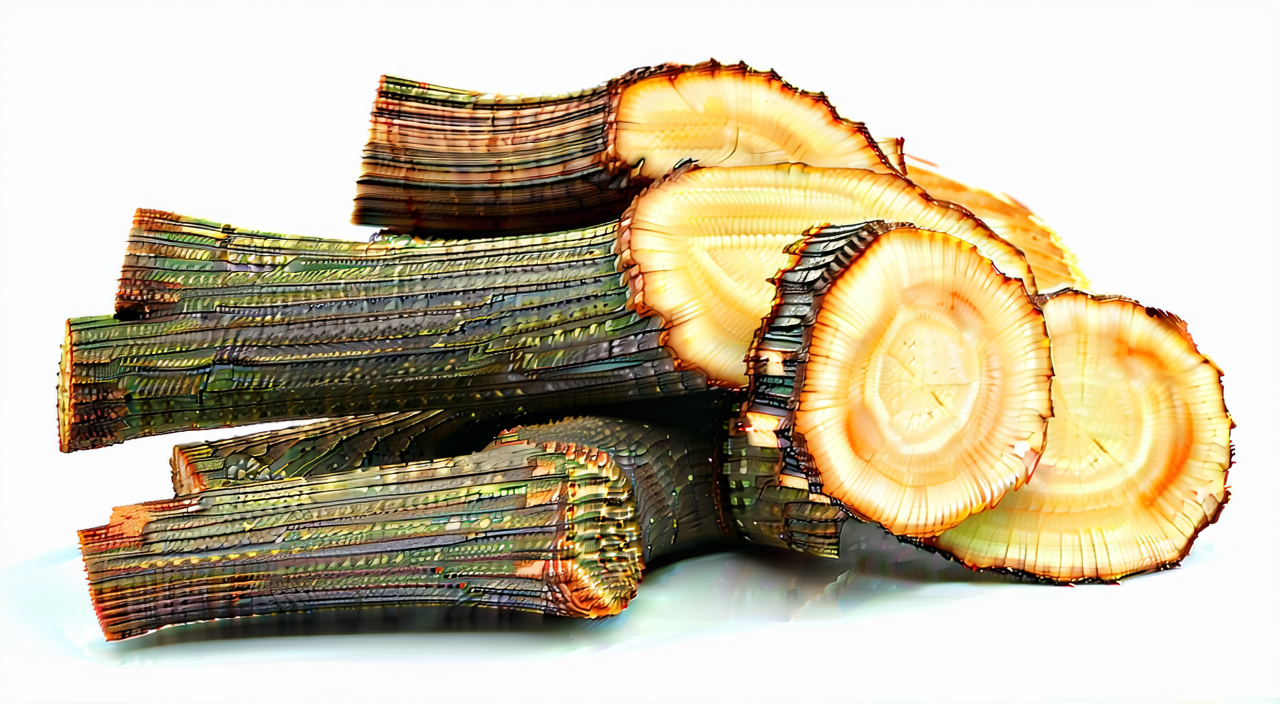
The primary medicinal part of Da Xue Teng is the vine stem, specifically the relatively woody portion of the plant stem, rather than the roots, leaves, or fruit. Traditional harvesting generally involves collecting the vine stems during an appropriate season, removing impurities, cutting them into sections or thick slices, and then drying them to produce the commonly used Da Xue Teng slices.
Because the internal xylem structure of the vine stem is relatively distinct, the cross-section of a sliced piece is usually an important area for identification. Whole stem sections, segmented pieces, and sliced pieces differ in appearance, but the essential medicinal part remains the dried vine stem. It is important to note that vine-based herbs with similar names or appearances may have different botanical origins and traditional uses. They should not be substituted for one another simply because they are all called “vines” or have reddish cross-sections.
How Does Traditional Chinese Medicine Understand Da Xue Teng?
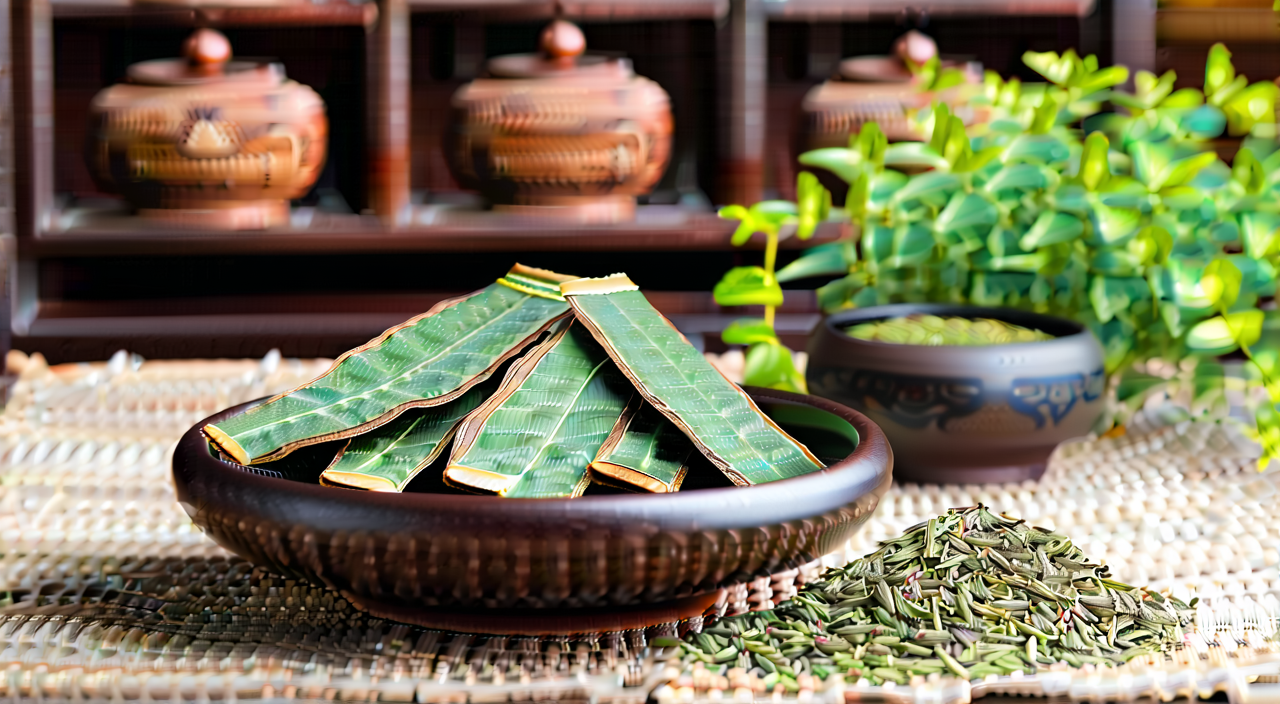
Traditional Chinese medicine commonly understands Da Xue Teng from the perspectives of clearing heat and toxins, promoting blood circulation, and dispelling wind to relieve pain. In classical herbal texts and historical applications, it has often been used within traditional approaches associated with heat-toxin patterns, blood stasis, localized pain, or wind-damp obstruction. The terms “clearing heat,” “detoxifying,” and “promoting blood circulation” belong to traditional Chinese medicine theory. They do not correspond directly to specific disease diagnoses in modern medicine and should not be used to assess a medical condition independently.
In traditional formulations, Da Xue Teng may sometimes be combined with herbs that clear heat, promote bowel movement, invigorate blood, or disperse accumulations. The specific therapeutic approach depends on constitution, symptoms, tongue and pulse findings, and the composition of the formula. The emphasis of the same herb may differ from person to person. Whether it is appropriate to use should be determined by considering individual circumstances, dosage, method of use, and professional advice. It should not be taken solely on the basis of a single description of its traditional effects.
How Can Modern Research Be Understood?
Modern research has examined Da Xue Teng-related compounds and their potential activities from the perspectives of phytochemical constituents, in vitro experiments, and animal studies. Such research can help clarify the basic characteristics of the herb, but experimental findings cannot be directly equated with actual effects in humans, nor can they replace clinical diagnosis, product instructions, or professional guidance. When reviewing general claims about the “effects of Da Xue Teng” online, it is important to distinguish between traditional application experience, experimental findings, and clinical conclusions supported by sufficient evidence.
What Are the Differences Between Da Xue Teng, Ji Xue Teng, and Su Mu?
Da Xue Teng, Ji Xue Teng, and Su Mu may all appear reddish-brown or deep red, making them easy to confuse. However, their botanical origins, medicinal parts, and cross-sectional characteristics are different.
Da Xue Teng primarily uses the vine stem. Its outer surface is generally grayish-brown, while the xylem in the cross-section is reddish-brown. Radial patterns and vessel pores are often visible, giving it the distinctive characteristics of a woody vine stem. Ji Xue Teng is also mainly used as a vine stem, but its cross-section often displays alternating red and light-colored rings, semicircular patterns, or irregular markings due to its sap or tissue characteristics. It is sometimes described traditionally as “releasing red sap,” although the actual herb still needs to be identified by considering its botanical origin and physical characteristics.
Su Mu primarily uses the heartwood, which usually comes from the woody part of a tree and is not a typical vine-stem herb. Its cross-section may range from yellowish-red and orange-red to reddish-brown. It has a relatively hard texture, and its grain pattern also differs from that of vine-stem herbs. The three should not be substituted for one another based solely on color or name. For accurate identification, refer to formal herbal standards, professional institutions, or qualified Chinese medicine practitioners.
Which Traditional Formulas Contain Da Xue Teng?
Traditional formulas commonly mentioned in connection with Da Xue Teng include Hong Teng Jian, modified Da Huang Mu Dan Tang, and certain formulas designed to clear heat and resolve blood stasis. The composition, dosage ratios, and modifications may vary among different medical texts, schools of thought, and clinical applications. The name of a formula should not be interpreted as a fixed regimen suitable for everyone.
Hong Teng Jian
Hong Teng Jian is one of the traditional formulas closely associated with the use of Da Xue Teng. It is commonly formulated according to principles that clear heat and toxins, promote blood circulation, and relieve pain. These details are primarily useful for understanding the structure of traditional formulas and the pattern-based approach of traditional Chinese medicine. Whether it is appropriate for a particular person should be determined by a professional after considering symptoms, constitution, and other medications being used.
Modified Da Huang Mu Dan Tang
Da Huang Mu Dan Tang is a classical formula. When modified, Da Xue Teng and other herbs may be added according to different presentations, creating a therapeutic approach focused on clearing heat, promoting bowel movement, and resolving blood stasis. If significant abdominal pain, fever, persistent vomiting, or other acute symptoms occur, do not apply the formula independently. Seek a formal diagnosis first to avoid delaying treatment for a condition requiring prompt attention.
Formulas for Clearing Heat and Resolving Blood Stasis
In some traditional formulas for clearing heat and resolving blood stasis, Da Xue Teng may be included as one of the supporting herbs to express an approach that emphasizes both heat-clearing and blood-circulating effects. Formula selection is not based on a single symptom. It also requires consideration of cold and heat, deficiency and excess, disease duration, and whether there is a risk of bleeding. When using sliced herbs, decoctions, or patent medicines, evaluate the product instructions, personal circumstances, and professional advice together.
What Precautions Should Be Observed When Using Da Xue Teng?
Although Da Xue Teng is a commonly used traditional herb, this does not mean that it is suitable for everyone. People who are pregnant, trying to conceive, or breastfeeding should determine whether it is appropriate under professional guidance. Because traditional applications of Da Xue Teng include promoting blood circulation, people with a tendency to bleed, abnormal coagulation, or current use of anticoagulant or antiplatelet medications should consult a doctor or pharmacist first and should not combine it with other products independently.
People undergoing management before or after surgery, or those taking multiple prescription medicines, health supplements, or herbal products, should also inform a healthcare professional so that potential interactions can be assessed comprehensively. Children, older adults, people with impaired liver or kidney function, and patients with chronic diseases should be particularly cautious about dosage and methods of use.
It is especially important to note that obvious or persistent abdominal pain, fever, severe vomiting, black stools, bloody stools, progressively worsening abdominal distension or pain, and unexplained weight loss may indicate problems requiring prompt attention. Da Xue Teng or related formulas should not be used as self-treatment in such situations. If symptoms are severe or recurrent over a long period, or are accompanied by palpitations, chest tightness, abnormal breathing, marked anxiety, or depression, consult a doctor or other qualified professional as soon as possible. This article is provided for general educational reference about traditional Chinese medicinal herbs and cannot replace professional diagnosis or treatment advice.
Summary
Da Xue Teng is a traditional Chinese medicinal herb made from dried vine stems and is commonly known as Hong Teng, or Red Vine. Identification should involve comprehensive observation of its grayish-brown outer bark, reddish-brown xylem, radial patterns, and vessel pores, while distinguishing it from Ji Xue Teng and Su Mu. Hong Teng Jian, modified Da Huang Mu Dan Tang, and formulas for clearing heat and resolving blood stasis can help illustrate traditional combination principles. However, suitability depends on individual constitution, symptoms, current medications, and professional advice. This article is for educational reference only and cannot replace professional diagnosis or treatment advice.