
What Is Dan Nan Xing? Medicinal Parts, Identification, and Common Formulas
Dan Nan Xing does not directly come from a single plant; instead, it is a processed product made by mixing the fine powder of processed Tian Nan Xing (Arisaema) with bovine, sheep, or pig bile. Many overseas users, when learning about Chinese herbs, easily confuse Dan Nan Xing with Tian Nan Xing and are also interested in its appearance, source, and usage boundaries. This article addresses these common questions, covering identification characteristics, medicinal source, TCM understanding, modern research, differences from related herbs, representative formulas, and usage precautions, helping readers build a comprehensive understanding.
What Does Dan Nan Xing Look Like? How to Identify It?
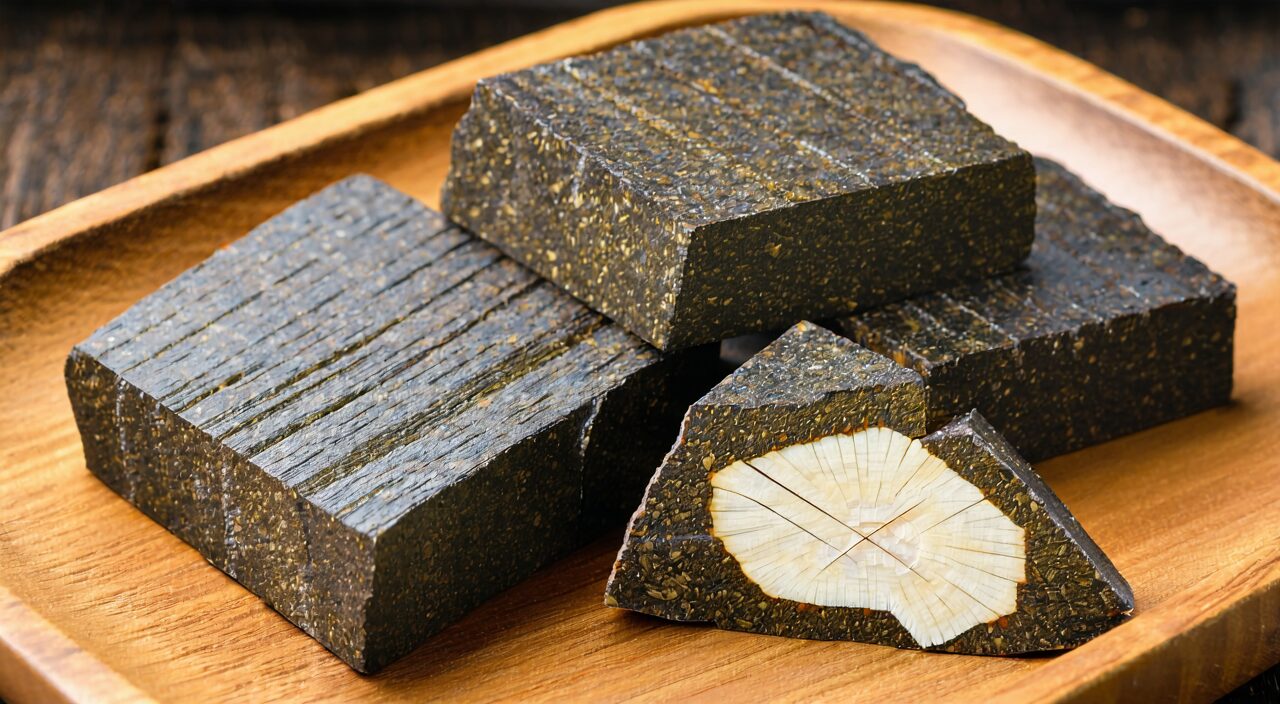
In the herbal market, Dan Nan Xing often appears as square or irregular lumps, sometimes shaped into spheres or cylinders. Its surface color is generally yellowish-brown, dark brown to black-brown, with a firm yet brittle texture that is easy to break, and the fractured surface is relatively flat, slightly lighter in color, occasionally showing fine particles. One of the most distinctive features of Dan Nan Xing is its special bile odor, slightly fishy when smelled, and a bitter taste when tasted (tasting should only be done under professional guidance; do not try on your own). Due to the bile processing, its color is darker and more lustrous than that of unprocessed Tian Nan Xing. When purchasing or identifying, choose intact lumps that are firm in texture, have a characteristic bile smell, uniform surface color, and are free from insect damage or mold.
What Is the Medicinal Part of Dan Nan Xing?
The medicinal part of Dan Nan Xing is not essentially the original tissue form of a plant, but rather the processed product of the Arisaema tuber. Tian Nan Xing is the dried tuber of plants from the Araceae family, such as Arisaema erubescens, Arisaema heterophyllum, or Arisaema amurense. Traditionally, the preparation of Dan Nan Xing involves taking processed Tian Nan Xing (i.e., Arisaema tuber processed with ginger and alum) ground into fine powder, then thoroughly mixing it with a certain proportion of bovine, sheep, or pig bile, followed by resting, fermenting, or steaming, and then shaping it into lumps. Therefore, Dan Nan Xing belongs to a repeatedly processed prepared slice, classified in herbal records as a further-processed product of “processed Arisaema,” not a direct plant part. Understanding this is important for distinguishing the medicinal uses of Tian Nan Xing, processed Tian Nan Xing, and Dan Nan Xing.
How Does TCM Understand Dan Nan Xing?
In traditional Chinese medicine theory, the nature, taste, and actions of Dan Nan Xing are significantly different from those of Tian Nan Xing. Tian Nan Xing tends to be warm and drying, whereas after bile processing, Dan Nan Xing’s warm nature is moderated, turning toward a cool nature, with a bitter, slightly acrid taste. Therefore, TCM often understands Dan Nan Xing from the perspectives of clearing heat, transforming phlegm, extinguishing wind, and settling fright.
In specific application directions, Dan Nan Xing frequently appears in cases of cough and chest oppression due to phlegm-heat, stroke with phlegm congestion, epilepsy, and infantile convulsions, where the pattern differentiation falls under phlegm-heat or extreme heat generating wind. Traditional formulas use it as an auxiliary herb, combining it with other botanicals to enhance the effects of transforming phlegm and settling fright. Since Dan Nan Xing has both phlegm-transforming and wind-extinguishing actions, it is often an important compatibility choice for complex manifestations such as dizziness, convulsions, and mental abnormalities caused by internal disturbance of phlegm-heat or upward harassment of wind-phlegm. However, whether it is suitable still needs to be determined by an experienced TCM practitioner based on individual constitution and symptom presentation.
How Does Modern Research View Dan Nan Xing?
Modern research on Dan Nan Xing mainly focuses on its processing techniques and safety aspects. Raw Tian Nan Xing contains irritant components such as calcium oxalate raphides and certain lectins, which strongly irritate the oral, pharyngeal, and gastrointestinal mucosa. Ingestion of raw products may cause numbness, swelling, burning pain, and other adverse reactions in the mouth and tongue. Traditional processing steps, including repeated treatment with ginger, alum, and bile, can significantly reduce these irritants while altering the medicinal properties. Laboratory studies have found that components in bile (such as bile acids) may interact with certain active substances in Tian Nan Xing, forming new complexes or changing the dissolution rates of original components, which might be one of the material bases for Dan Nan Xing’s heat-clearing, phlegm-transforming, and wind-extinguishing effects.
However, current pharmacological research on Dan Nan Xing still needs further development, with most studies remaining at the in vitro or animal experiment stage, and clinical evidence is limited. Therefore, when considering Dan Nan Xing, greater importance should be placed on whether the traditional processing method is standardized and whether the source channel is reliable, rather than directly equating modern pharmacological conclusions with the basis for use.
What Is the Difference Between Dan Nan Xing, Tian Nan Xing, and Zhu Li?
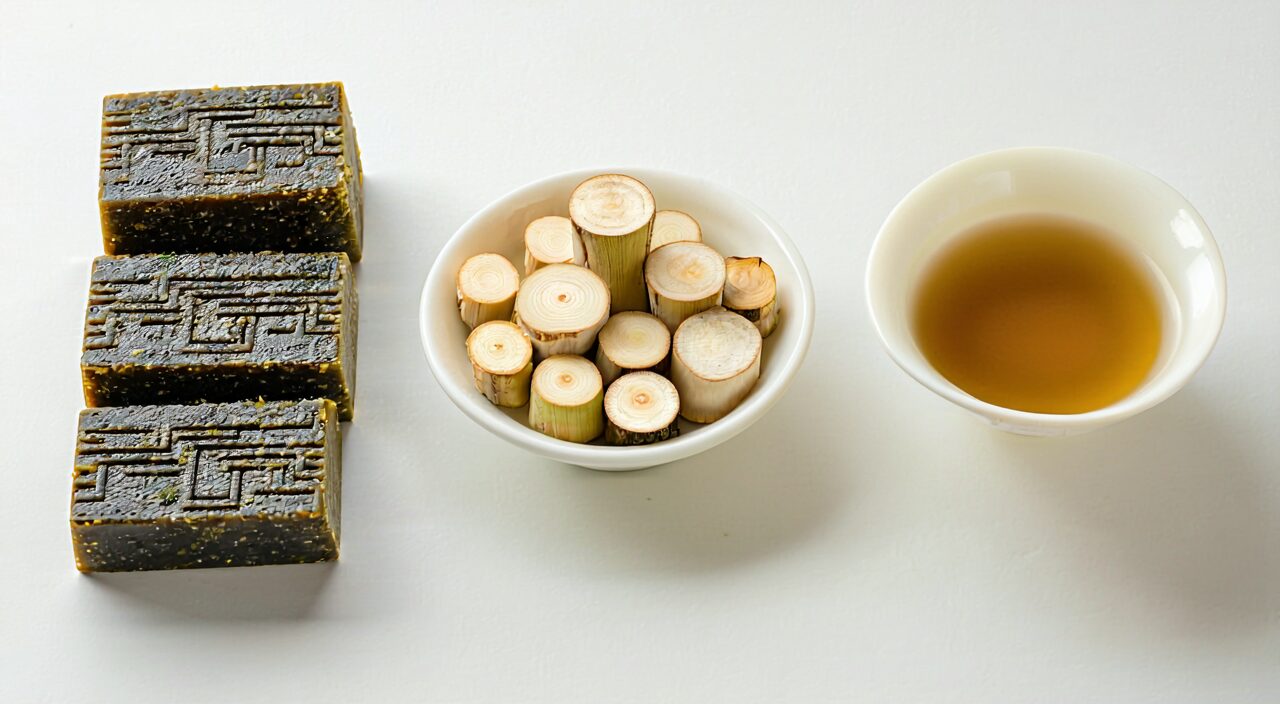
Although Dan Nan Xing, Tian Nan Xing, and Zhu Li are all related to transforming phlegm, there are clear differences in their sources, processing, and application emphases.
Source differences: Tian Nan Xing is the tuber of Araceae plants, dried directly for medicinal use or processed into prepared Tian Nan Xing; Dan Nan Xing is made from the fine powder of processed Tian Nan Xing mixed with bile; Zhu Li is the liquid juice obtained from fresh bamboo stems of grass family plants by roasting or other methods. These are three completely different categories of medicinal substances.
Processing emphasis: Raw Tian Nan Xing is highly toxic and needs processing to reduce toxicity; Dan Nan Xing, on the basis of processed Tian Nan Xing, adds bile to make its nature more cold and cool, specialized in clearing heat and transforming hot phlegm and settling fright; Zhu Li does not undergo complex processing, mainly using the fresh bamboo liquid, which is cold and slippery in nature, good at clearing heat and sliding out phlegm.
Application emphasis: Traditionally, Tian Nan Xing dries dampness, transforms phlegm, dispels wind, and stops spasms, often used for numbness or convulsions caused by cold phlegm, damp phlegm, or wind phlegm; Dan Nan Xing is more suitable for cough with yellow sticky phlegm due to phlegm-heat obstructing the lung, stroke with internal blockage of phlegm-heat, or acute infantile convulsions; Zhu Li focuses on phlegm-heat blocking the lung collaterals or heart orifices, manifesting as cough and dyspnea with thick phlegm, stroke with aphasia, etc., with a relatively rapid heat-clearing and phlegm-transforming effect. In practical treatment, these three cannot replace one another and should be selected based on the nature of the phlegm (cold, heat, dampness) and accompanying symptoms.
Which Formulas Use Dan Nan Xing?
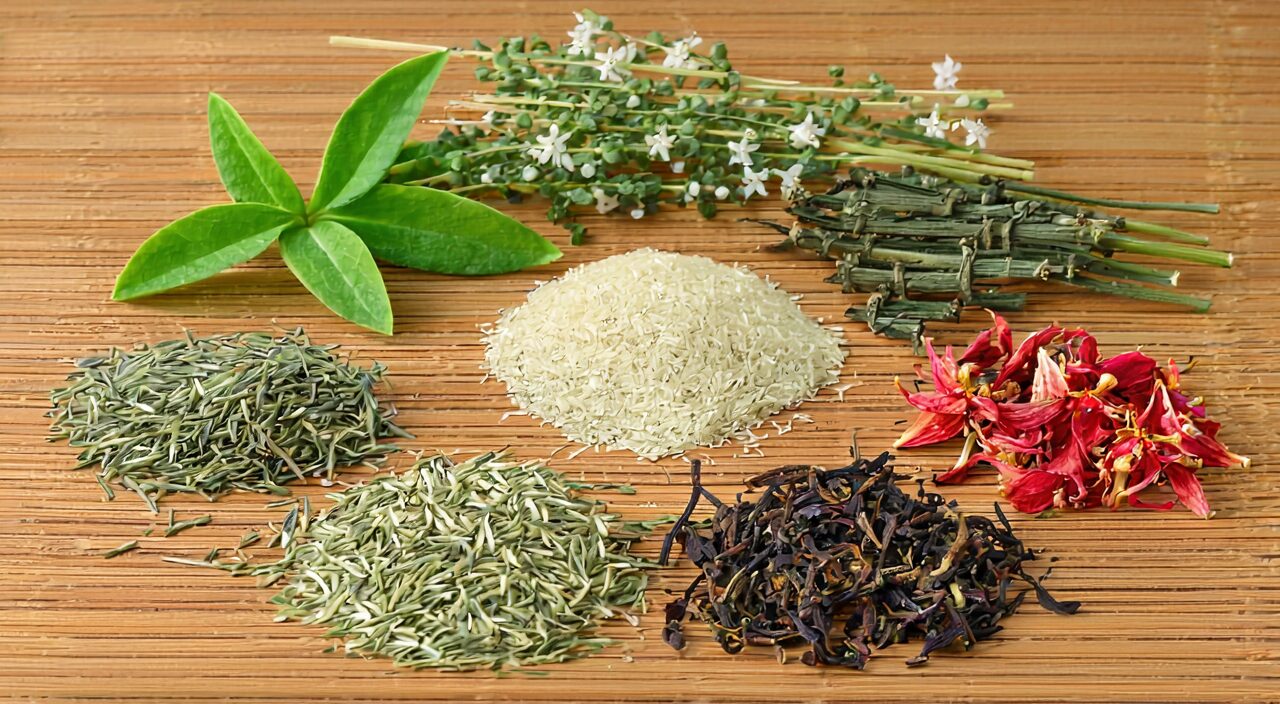
In traditional formulas, Dan Nan Xing often serves as an important component for clearing heat, transforming phlegm, extinguishing wind, and settling fright. The following classic formulas can serve as understanding directions.
Qing Qi Hua Tan Wan: Composed of Dan Nan Xing together with Huang Qin (Scutellaria), Gua Lou Ren (Trichosanthes seed), Xing Ren (apricot kernel), etc., traditionally used for cough and dyspnea due to phlegm-heat congesting the lung, with yellow sticky phlegm and chest oppression. Dan Nan Xing in this formula clears and transforms hot phlegm, coordinating with other herbs to clear lung phlegm-heat.
Di Tan Tang: Derived from Wen Dan Tang with the addition of Dan Nan Xing, Shi Chang Pu (Acorus), Ren Shen (ginseng) and other herbs, it is often used for mental abnormalities, sluggish speech, or profuse phlegm-saliva after stroke caused by phlegm-heat disturbing the interior and clouding the clear orifices. Dan Nan Xing in this formula both transforms phlegm and extinguishes wind to settle fright.
Niu Huang Bao Long Wan: Mainly associated with Niu Huang (Calculus bovis), Dan Nan Xing, Tian Zhu Huang (Bambusa tabacaria concretio), Quan Xie (scorpion), Jiang Can (silkworm), etc., traditionally used for acute infantile convulsions, high fever convulsions, phlegm congestion and breathing difficulty, belonging to patterns of heat pathogen internal blockage. Dan Nan Xing here helps clear heat and settle fright.
It should be noted that these formulas often exist as patent medicines on the market. When using them, it is necessary to consider the product instructions, personal constitution, and specific symptoms, and to seek guidance from a professional physician or pharmacist; self-prescribing and dispensing is not recommended.
What Should Be Noted When Using Dan Nan Xing?
Although Dan Nan Xing has been processed and its toxicity greatly reduced, certain safety boundaries still need to be observed when using it.
First, Dan Nan Xing should still be used under professional guidance. Whether used as a single herb or in a formula, it is not recommended to purchase and take it on one’s own based on online information. Especially for children or the elderly with phlegm-heat and convulsion manifestations, a physician should evaluate before dispensing.
Second, traditionally, Dan Nan Xing is considered cool in nature. Those with spleen and stomach deficiency-cold, insufficient yang qi, prone to diarrhea, or cold-phlegm cough should use it with caution or avoid it. If clinical manifestations include white, thin, clear phlegm, aversion to cold, and cold limbs, Dan Nan Xing should not be selected.
In addition, during pregnancy, lactation, and for individuals with special health backgrounds, a doctor should be consulted before using any preparation containing Dan Nan Xing, and blind self-use is not allowed.
Lastly, source and processing quality are key. Choosing Dan Nan Xing herbs or corresponding patent medicines that have undergone standardized processing from reliable channels helps reduce risks. During storage, keep them moisture-proof and insect-proof, and avoid mixing with other herbs of unclear origin.
Summary
Dan Nan Xing, as a unique processed product made from processed Tian Nan Xing and bile, clearly differs from Tian Nan Xing itself in appearance, nature and taste, and application. Traditional Chinese medicine primarily understands it from the perspectives of clearing heat, transforming phlegm, extinguishing wind, and settling fright. This article has introduced its identification characteristics, medicinal source, common formulas, and usage precautions, hoping to provide a relatively objective cognitive framework for overseas friends interested in Chinese herbal medicine. The use of any medicinal herb is inseparable from individualized judgment; if you feel unwell, please consult a qualified professional.