
What Is Jin Guo Lan? Medicinal Parts, Identification, and Common Formulas
What is Jin Guo Lan? This is a common question among overseas Chinese readers interested in traditional Chinese medicinal materials, traditional approaches to throat discomfort, or the ingredients used in Chinese herbal preparations. Jin Guo Lan generally refers to the dried tuberous roots obtained from Qing Niu Dan or Jin Guo Lan. Traditionally, it has attracted attention because of its bitter taste. However, regional names, aliases, and differences in botanical sources may cause confusion. For accurate identification and use, consult the pharmacopeia, local medicinal material standards, and official product labeling.
What Does Jin Guo Lan Look Like? How Can It Be Identified?
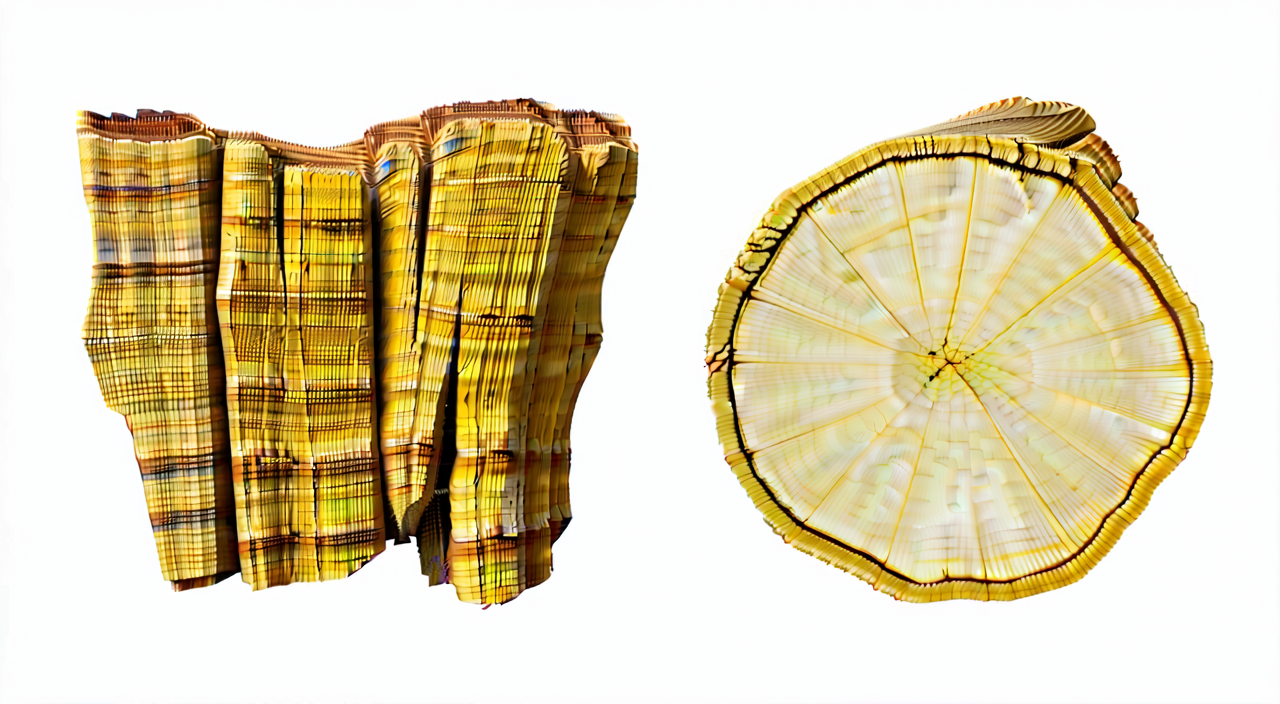
When used medicinally, Jin Guo Lan is primarily found as a dried tuberous root. It commonly appears as an irregular block, but may also be short and cylindrical, roughly cylindrical, or somewhat curved. The size of the material varies. Its surface is generally yellowish brown, brownish yellow, or dark yellow, and some samples may show pronounced deep wrinkles, longitudinal grooves, or irregular depressions and elevations. After slicing, the outer layer and inner portion may differ in color. The cut surface is generally yellowish white or pale yellow, with a relatively firm texture.
When identifying Jin Guo Lan, consider its shape, surface texture, cut-surface color, aroma, and taste together. Its smell is usually not very pronounced, while its strongly bitter taste is one of the more important traditional identification characteristics. However, bitterness alone cannot establish its identity. Dryness, storage time, place of origin, and processing methods can all affect its color, texture, and taste. Materials of unknown origin, abnormal color, mold, or an obvious unusual odor should not be judged solely by appearance.
In wild or loose medicinal materials, Jin Guo Lan may also be confused with other tuberous-root materials. A more reliable approach is to confirm the botanical source, physical characteristics, sliced appearance, and quality information provided by the supplier. Overseas users who encounter capsules, tablets, or compound preparations should first check the standardized name, botanical source, and ingredient information on the product label.
What Is the Medicinal Part of Jin Guo Lan?
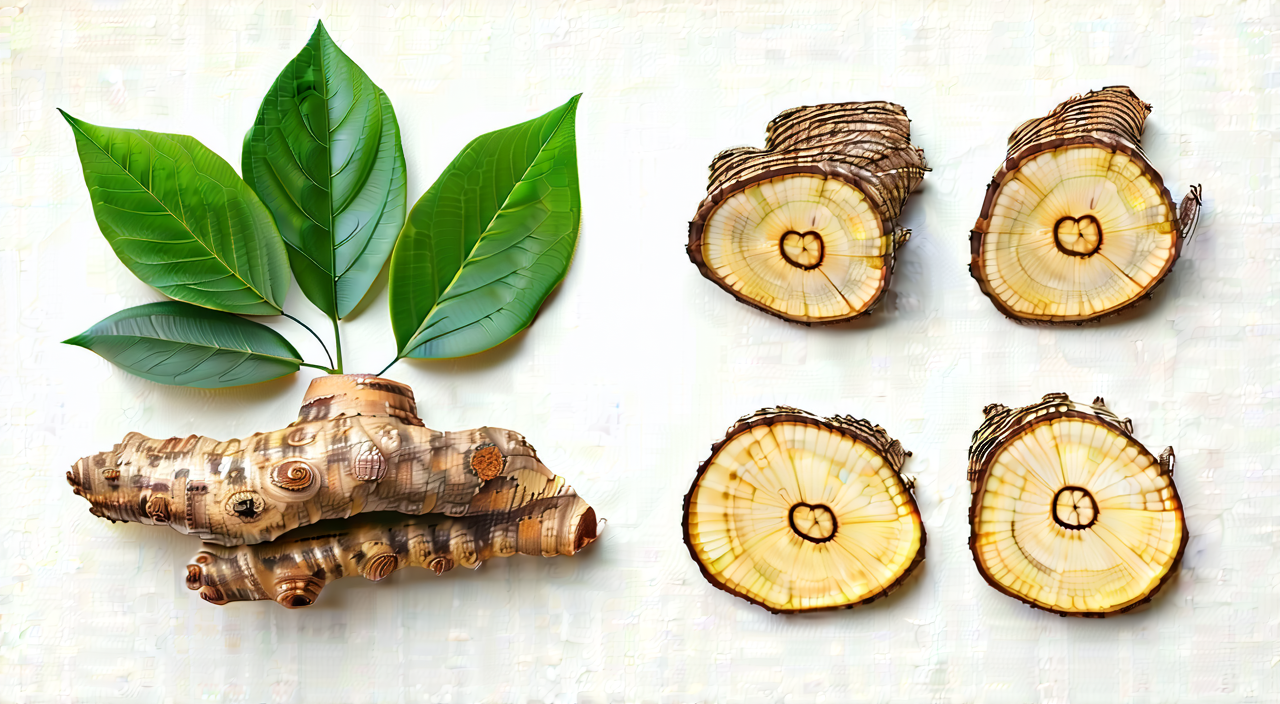
The primary medicinal part of Jin Guo Lan is the tuberous root, not the leaves, stems, flowers, or fruit. After the relevant plant is harvested during the appropriate season, the material is generally cleaned to remove soil and impurities, washed, sliced or cut into sections, and then dried for storage and later combination with other ingredients. Whole tuberous roots and prepared slices have different appearances. The color and texture of the cut surface are easier to observe in sliced material, which is also more convenient for measuring and dispensing.
The tuberous root became the traditional part used in medicine because of the various natural constituents found in its tissues. However, its specific constituents may be affected by the plant species, place of origin, harvest time, processing, and storage conditions. Therefore, materials with the same name should not automatically be assumed to have identical quality or uses when they come from different sources. Properly prepared herbal slices should have clear information about their name, source, and batch. Check the label before purchasing or using them.
It is also important to consider the relationship between Jin Guo Lan and regional names. In some areas, similar plants or materials from different sources may be referred to by similar names. Online images may also mix together tuberous roots with similar appearances. If identification is necessary, consult a qualified pharmacist, medicinal-material identification specialist, or appropriate professional institution.
How Does Traditional Chinese Medicine Understand Jin Guo Lan?
According to traditional Chinese medicine theory, Jin Guo Lan is generally understood in terms of clearing heat, removing toxins, and relieving sore throats. It has traditionally been considered for approaches addressing throat redness and swelling, difficulty speaking, and discomfort of the mouth and tongue. These descriptions refer to traditional applications and do not constitute a modern medical diagnosis or determine the specific cause of a throat symptom.
From a traditional Chinese medicine pattern-differentiation perspective, throat discomfort may be associated with external pathogens, excessive heat, dryness, stomach fire, deficient fire, or other factors. The appropriate approach differs according to the presentation. Jin Guo Lan has a bitter taste and is traditionally considered to have relatively bitter and cold properties. Therefore, it is not necessarily suitable for self-use whenever someone has a sore or uncomfortable throat. Suitability should be assessed according to the duration of symptoms, accompanying signs, individual constitution, and overall health.
In traditional formulas, Jin Guo Lan may sometimes be combined with other medicinal materials traditionally used to clear heat, benefit the throat, or remove toxins. The overall action of a combination depends on its ingredients, dosages, dosage form, and the individual. The effects of an entire preparation cannot be inferred from one ingredient alone. People who are pregnant, breastfeeding, giving the product to children, or taking other medicines should consult a professional first.
How Can Modern Research Be Understood?
Modern research generally examines the botanical classification of Jin Guo Lan, the chemical constituents of its tuberous roots, quality control, and in vitro experiments. Some studies focus on alkaloids and other natural constituents and observe related activity under experimental conditions. However, in vitro experiments, animal studies, and constituent analyses cannot be directly equated with actual effects in humans, nor can they replace clinical diagnosis and treatment.
Research findings related to Jin Guo Lan products may also be affected by the original plant source, extraction method, sample purity, dosage, and manufacturing process. Testing indicators are not necessarily the same across products. Consumers should not make decisions based solely on a single experimental conclusion. More practical considerations include confirming the product name and source, reviewing the complete ingredient list, understanding the directions and dosage, and making a choice based on personal health conditions.
What Is the Difference Between Jin Guo Lan, Shan Dou Gen, and Bei Dou Gen?
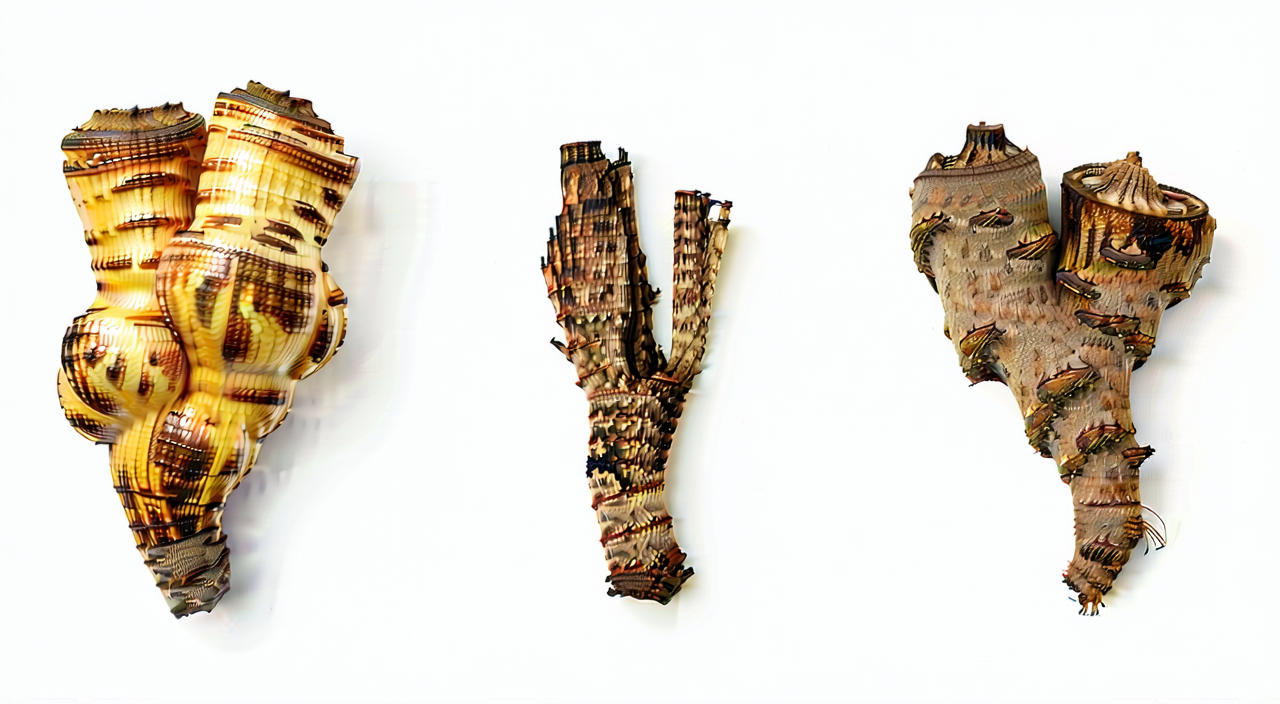
Jin Guo Lan, Shan Dou Gen, and Bei Dou Gen may all appear in discussions of traditional approaches involving clearing heat, benefiting the throat, or related herbal combinations. However, they are not the same medicinal material. Their botanical sources, medicinal parts, and physical characteristics differ.
Jin Guo Lan is generally used as the dried tuberous root of Qing Niu Dan or Jin Guo Lan. It usually appears as an irregular block or short cylinder, with deep wrinkles on the surface, a yellowish-white cut surface, and a bitter taste. Shan Dou Gen generally refers to the dried roots and rhizomes of Sophora tonkinensis and related sources in the legume family. It commonly appears as relatively slender or irregular root sections, which differ from the tuberous-root form of Jin Guo Lan. Bei Dou Gen generally refers to the dried root of Menispermum dauricum in the moonseed family. It is a root medicinal material whose appearance, internal structure, and botanical source also differ from those of the other two materials.
Differences between southern and northern names may be related to place of origin, regional usage, and historical terminology. Identification should not be based on a single name or an online image. Loose herbal slices, powders, and compound products are especially difficult to distinguish because they provide less morphological information. Before purchasing or using a product, check its standardized name, Latin botanical source, medicinal part, and quality information. If the material cannot be confirmed, do not substitute it on your own.
Which Formulas or Preparations Contain Jin Guo Lan?
In traditional applications and commercial products, Jin Guo Lan Powder, Jin Guo Lan Tablets, and some compound preparations traditionally used to soothe the throat may contain Jin Guo Lan as one of their ingredients. Jin Guo Lan Powder generally appears as a powder preparation, while Jin Guo Lan Tablets are a tablet formulation. Formulas may vary by manufacturer, region, and registration category. The same name does not necessarily mean that the ingredients, specifications, and directions are identical.
These formulas or Chinese patent medicines are often used within traditional approaches for related concerns. However, a product name should not be interpreted directly as a diagnosis or treatment conclusion for a particular disease. When choosing a product, review the complete instructions, including the ingredients, intended use, dosage, contraindications, and storage requirements. If you are also using other heat-clearing products, prescription medicines, or health supplements, pay attention to duplicated ingredients and individual reactions.
For throat discomfort, Jin Guo Lan preparations should only be considered as products for further evaluation and cannot replace professional care after the cause has been determined. Whether a particular formula or preparation is suitable should be assessed by considering individual constitution, symptoms, product instructions, and professional advice. Do not increase the dosage or extend the duration of use solely because of information found online.
What Precautions Should Be Taken When Using Jin Guo Lan?
Jin Guo Lan is traditionally considered bitter and cold. People with a weak and cold digestive system, a tendency toward diarrhea, a sensitive stomach, or discomfort after consuming cold foods should exercise caution. If stomach discomfort, nausea, diarrhea, skin abnormalities, or other unusual reactions occur after self-use, stop using it and consult a doctor or pharmacist. Children, older adults, and people who are pregnant or breastfeeding should not use it without professional guidance.
People with liver or kidney disease, those receiving long-term medication, or those who need to manage a chronic condition should first inform their doctor or pharmacist of their circumstances. Herbal medicines and related preparations may involve individual differences in ingredients, dosage, and metabolism. Natural origin does not automatically mean that long-term use is appropriate, and different products should not be combined without professional advice.
If a sore throat does not improve, keeps returning, or is accompanied by high fever, significant difficulty swallowing, abnormal breathing, persistent hoarseness, or neck swelling, consult a doctor promptly to rule out an infection or another condition requiring professional care. Seek medical help as soon as possible if there is also marked chest tightness, palpitations, severe pain, persistent vomiting, black stools, or unexplained weight loss.
Summary
Understanding what Jin Guo Lan is requires considering its botanical source, its medicinal part—the dried tuberous root—and features such as a yellowish-brown surface, deep wrinkles, a yellowish-white cut surface, and a distinctly bitter taste. It is not the same medicinal material as Shan Dou Gen or Bei Dou Gen. The formulas of preparations such as Jin Guo Lan Powder and Jin Guo Lan Tablets should also be verified on the product label. This article is provided for general educational reference only. Actual use should be assessed according to individual circumstances, product instructions, and professional advice.