
What Is Honeysuckle Flower (Jin Yin Hua)? Medicinal Parts, Identification, and Common Formulas
Many people associate honeysuckle with a refreshing herbal tea, but in traditional Chinese medicine (TCM), it is a time-honored medicinal herb. What exactly is honeysuckle flower? What part is used medicinally? How can you identify it at a glance and avoid confusing it with mountain honeysuckle (Lonicerae Flos)? Overseas, this knowledge is particularly important for using related products correctly. This article outlines honeysuckle’s appearance, medicinal parts, TCM understanding, differences from mountain honeysuckle, common formulas, and usage precautions to help you build a clear framework.
What Does Honeysuckle Flower Look Like? How to Identify It
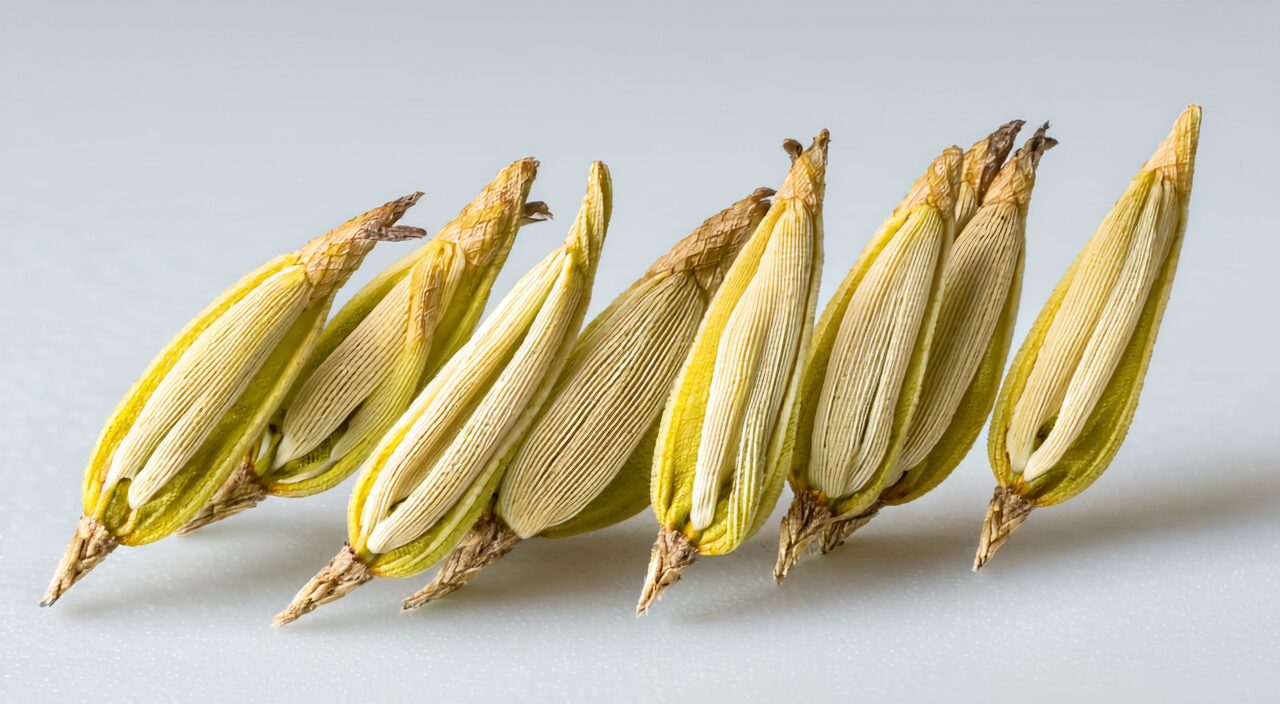
Honeysuckle flower (Jin Yin Hua) is the dried flower bud or early bloom of Lonicera japonica, a plant in the Caprifoliaceae family. The most common medicinal form is the bud, which is slender and stick-shaped, slightly curved, generally 2–3 cm long, with the upper part slightly swollen and the lower part gradually narrowing, resembling a small mallet. The surface is mainly yellowish-white or greenish-white, becoming darker yellow with prolonged storage. The surface of the bud is densely covered with fine pubescent hairs visible to the naked eye, an important identification feature. The calyx is small, green, and usually five-lobed at the tip. Cutting open the bud reveals five stamens and one pistil, though this is not necessary for general observation. The odor is delicately fragrant, and the taste is slightly bitter with a slight sweetness. By contrast, fully opened flowers or mixed stems and roots are generally considered lower quality. If you notice buds that are relatively thin and slender with sparse pubescence and a weak scent, these may be Lonicerae Flos (mountain honeysuckle) or buds from other plants, so differentiation is needed.
What Is the Medicinal Part of Honeysuckle Flower?
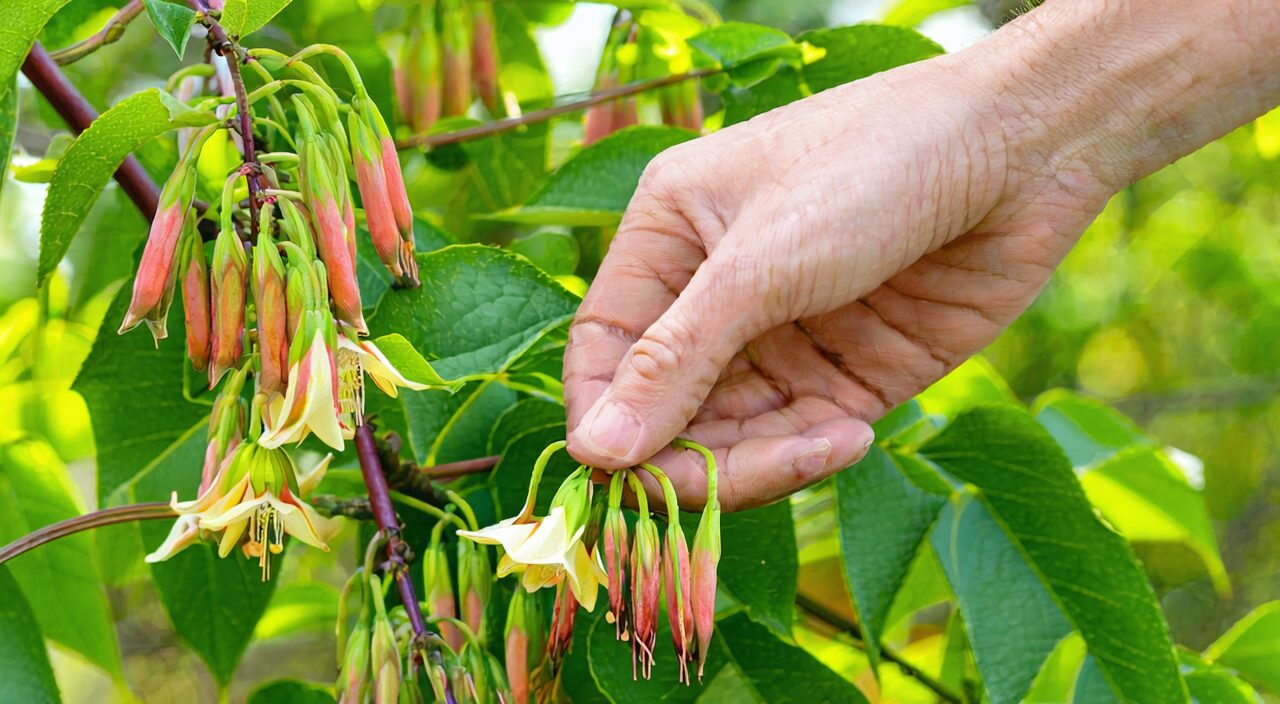
The medicinal part is the dried flower bud or early bloom of Lonicera japonica. Traditionally, buds are preferred. Harvesting typically occurs in early summer when the buds are swollen at the top and turning from green to white but not yet open. After picking, they need to be dried promptly, commonly by shade drying, sun drying, or low-temperature baking. Properly processed dried product is yellowish-white, intact, and richly aromatic. Harvesting too late when flowers have opened, or improper drying, may affect the quality as understood in traditional experience. In formulas, honeysuckle flower is predominantly used in bud form.
How Does TCM View Honeysuckle Flower?
In basic TCM theory, honeysuckle flower is cold in nature, sweet in flavor, and enters the Lung, Heart, and Stomach meridians. It is often described as having the actions of clearing heat, resolving toxicity, and dispersing wind-heat. Traditionally, it is used for early-stage warm-heat diseases and wind-heat colds presenting with fever, mild chills, sore throat, and dry mouth. For sores, abscesses, and skin conditions with redness, swelling, heat, and pain caused by intense heat-toxin, honeysuckle flower is often combined with other heat-clearing and detoxifying herbs. For instance, at the onset of externally contracted wind-heat, it is commonly paired with Lian Qiao (Forsythiae Fructus) and Bo He (Menthae Haplocalycis Herba) for a synergistic effect. In skin problems with severe heat-toxin, it may be used with Pu Gong Ying (Taraxaci Herba) and Ye Ju Hua (Chrysanthemi Indici Flos). It is important to note that these applications are based on traditional pattern differentiation; suitability should be determined by a professional considering individual constitution and symptoms.
What Does Modern Research Say About Honeysuckle Flower?
Modern science has isolated various chemical constituents from honeysuckle flower, including organic acids (such as chlorogenic acid) and flavonoids (such as luteolin). These compounds have demonstrated certain anti-inflammatory, antioxidant, and antibacterial activities in laboratory studies, and some in vitro experiments indicate that honeysuckle extracts may inhibit certain respiratory viruses. However, such studies largely remain at the cellular or animal level and cannot be directly equated to therapeutic effects in humans. The role of honeysuckle in traditional formulas is still primarily understood from a TCM perspective. Modern research provides a basis for further investigation but should not be simplistically interpreted as a treatment for any specific disease.
What Is the Difference Between Jin Yin Hua and Shan Yin Hua (Mountain Honeysuckle)?
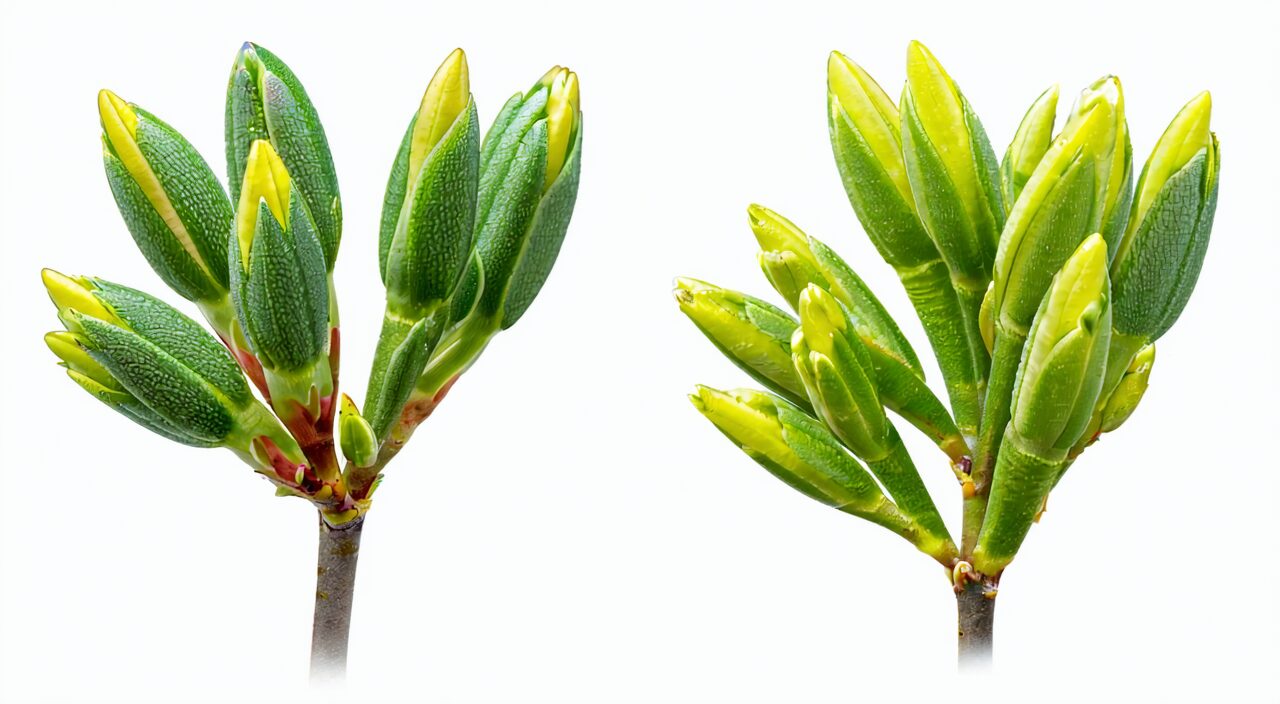
Jin Yin Hua (Lonicerae Japonicae Flos) and Shan Yin Hua (Lonicerae Flos) are two distinct medicinal materials separately listed in the Chinese Pharmacopoeia. The source plant for Jin Yin Hua is Lonicera japonica, while Shan Yin Hua comes from several species including Lonicera macranthoides, Lonicera hypoglauca, Lonicera confusa, and Lonicera fulvotomentosa. Visually, Jin Yin Hua buds are usually thicker and shorter, densely pubescent, and more yellowish-white; Shan Yin Hua buds tend to be thinner and longer with sparser, shorter pubescence, often with more open flowers and a lighter scent. In traditional formulas, Jin Yin Hua has a longer history of use, although some modern patent medicines also use Shan Yin Hua. With differing standards, it is advisable to check the product label for the source when purchasing and choose according to personal needs. Both have their own characteristics, and it is not meaningful to simplistically label one as superior.
Which Formulas Contain Honeysuckle Flower?
Honeysuckle flower is a key ingredient in many heat-clearing and detoxifying formulas. Here are several common ones for reference:
- Yin Qiao San (Lonicera and Forsythia Powder): Composed of Jin Yin Hua, Lian Qiao (Forsythiae Fructus), Jie Geng (Platycodonis Radix), Bo He (Menthae Haplocalycis Herba), etc. Traditionally used for early-stage wind-heat cold with fever, mild chills, and sore throat.
- Wu Wei Xiao Du Yin (Five-Ingredient Toxin-Resolving Beverage): Contains Jin Yin Hua, Ye Ju Hua (Chrysanthemi Indici Flos), Pu Gong Ying (Taraxaci Herba), Zi Hua Di Ding (Violae Herba), etc. Often used for skin problems like boils and carbuncles due to heat-toxin.
- Xian Fang Huo Ming Yin (Immortal Formula Life-Saving Beverage): Combines Jin Yin Hua with Fang Feng (Saposhnikoviae Radix), Bai Zhi (Angelicae Dahuricae Radix), Bei Mu (Fritillariae Bulbus), etc. Suitable for early-stage sores and abscesses with obvious redness, swelling, heat, and pain.
- Pu Ji Xiao Du Yin (Universal Benefit Toxin-Removing Beverage): Mainly consists of Jin Yin Hua, Huang Qin (Scutellariae Radix), Huang Lian (Coptidis Rhizoma), etc. Traditionally used for “swollen head pestilence” caused by wind-heat epidemic toxin attacking the head and face, manifesting as head and face swelling and severe sore throat.
It is worth noting that each formula has its specific focus. Use should be based on pattern differentiation and under professional guidance; do not self-prescribe based on these lists.
What Precautions Should Be Taken When Using Honeysuckle Flower?
Although honeysuckle flower is common, several precautions are worth noting. First, honeysuckle flower is cold in nature; long-term or large-dose use may worsen discomfort in individuals with spleen-stomach deficiency and cold, who are prone to diarrhea and abdominal cold pain. Second, long-term heavy consumption of strong honeysuckle tea is not recommended to avoid damaging the yang qi of the spleen and stomach. Some people may be allergic to Lonicera species and develop a rash or discomfort after use; discontinue if this occurs. From a safety perspective, choosing medicinal materials from reputable sources with clear origins helps avoid pesticide residues and heavy metal contamination. If you are taking other medications or in a special physiological stage (e.g., pregnancy, breastfeeding), consult a professional before considering products containing honeysuckle flower.
Summary
Honeysuckle flower (Jin Yin Hua) is the dried bud of Lonicera japonica, recognizable by its club-like shape, yellowish-white surface, and dense pubescence. Traditionally, it is used to disperse wind-heat, clear heat, and resolve toxicity, and appears in classic formulas like Yin Qiao San and Wu Wei Xiao Du Yin. When using it, be sure to distinguish it from mountain honeysuckle and use it judiciously based on your spleen-stomach condition. This article is for informational reference only and is not a substitute for professional diagnosis or advice; specific application should consider individual circumstances and professional judgment.