
What Is Liu Shen Qu? Medicinal Parts, Identification, and Common Formulas
In many Chinese patent medicines or traditional formulas for promoting digestion and removing food stagnation, the ingredient “Liu Shen Qu” (Six Divine Fermented Leaven) is commonly seen. Many overseas readers new to Chinese medicine wonder: what exactly is Liu Shen Qu? Is it a plant or a type of fungus? In fact, Liu Shen Qu is not a naturally harvested botanical drug, but a traditional processed product made by fermenting flour or wheat bran mixed with multiple herbs. Understanding its appearance, origin, and usage characteristics helps make clearer judgments when encountering related products.
What Does Liu Shen Qu Look Like? How to Identify It?
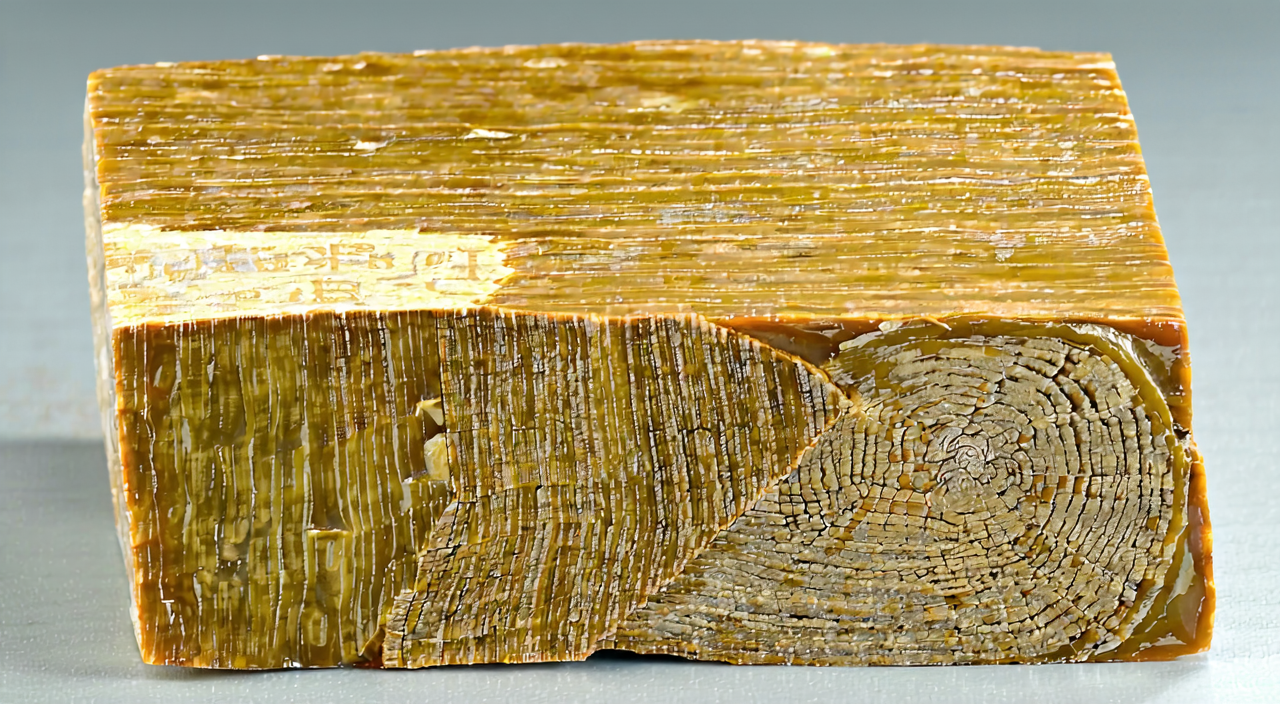
Commercially available Liu Shen Qu usually appears as square blocks or irregular lumps, approximately 2 to 4 cm on each side. The outer surface is mainly earthy yellow, yellowish-brown, or greyish-yellow, and some surfaces may show fine pores resulting from fermentation. The texture is relatively hard but breaks easily; the cut surface is slightly rough, ranging from pale yellow to greyish-white, with visible unground plant fibers or small granules.
The most distinctive feature of Liu Shen Qu is its characteristic fermented aroma. Good-quality Liu Shen Qu smells sour with a sweet note, similar to fermented rice or aged grain leaven, rather than a pungent moldy odor. If obvious green mold spots, a sour-rotten smell, or excessive looseness are present, it may indicate spoilage and it should not be used. In appearance, it somewhat resembles another common leaven-type Chinese medicine “Jian Qu,” but Jian Qu is generally darker in color and contains more visible herbal residues.
What Is the Medicinal Part of Liu Shen Qu?
Many Chinese herbs have clearly defined medicinal parts, such as roots, stems, leaves, flowers, and fruits. However, Liu Shen Qu is special; it is not a specific part of a single plant but a processed product fermented from multiple raw materials as a whole. Traditionally, Liu Shen Qu is made by using flour and wheat bran as the base, mixed with the juices of herbs such as Artemisia annua (qinghao), Polygonum hydropiper (laliao), and Xanthium sibiricum (cang’ercao). After thorough mixing, it is kept under appropriate temperature and humidity for natural fermentation, then dried once a yellowish-white mycelium appears on the surface. This process gives it unique properties different from the original plant components.
It should be noted that making Liu Shen Qu at home is not recommended. The fermentation process has stringent requirements regarding ingredient ratios, environmental conditions, and microbial control. Improper handling may not only fail to produce the desired medicinal effect but could also introduce harmful bacteria, posing safety risks. The Liu Shen Qu available on the market is generally produced by standardized manufacturers following traditional techniques and hygiene standards. Purchasing from reliable sources is sufficient.
How Does Traditional Chinese Medicine View Liu Shen Qu?
In traditional Chinese medicine, Liu Shen Qu is classified as a digestive (food-dispersing) herb, commonly used for conditions related to food accumulation. Its main action is to promote digestion and harmonize the stomach, especially suited for starch-based accumulations from rice, wheat, and grains. Additionally, because herbs with dispersing properties such as Artemisia annua and Polygonum hydropiper are used in its preparation, traditional theory holds that it also has a mild exterior-releasing effect, making it suitable for individuals with food stagnation accompanied by slight external symptoms.
In practice, Liu Shen Qu is rarely used alone. It is typically combined with other digestive herbs such as hawthorn (Shan Zha), malt (Mai Ya), and radish seed (Lai Fu Zi) to form formulas like “Jiao San Xian” or other food-dispersing and stagnation-removing prescriptions, thereby enhancing overall efficacy. The type of food accumulation and personal constitution vary from person to person; whether digestive herbs are suitable requires a comprehensive assessment based on tongue coating, abdominal signs, etc., and cannot be decided simply by “overeating.”
Liu Shen Qu from a Modern Research Perspective
Modern research on Liu Shen Qu primarily focuses on compositional changes during fermentation. Some studies suggest that after fermentation, Liu Shen Qu may contain digestive enzymes such as amylase and protease, as well as small amounts of organic acids and B vitamins. Moreover, secondary metabolites produced by microorganisms during fermentation may have certain effects on gut microbiota. However, overall, the related research is still in preliminary stages, and the composition of Liu Shen Qu varies significantly depending on origin and processing methods. Therefore, these findings cannot be directly extrapolated as efficacy claims. The information above is only provided as background knowledge and does not represent an evaluation of any specific product.
Differences Between Liu Shen Qu, Jian Qu, and Malt
Among digestive herbs in Chinese medicine, Liu Shen Qu, Jian Qu, and malt (Mai Ya) are three easily confused items, but they differ in formulation, action emphasis, and appearance.
Liu Shen Qu is fermented from flour, wheat bran, and herbs such as Artemisia annua, Polygonum hydropiper, and Xanthium sibiricum. It has a relatively broad digestive spectrum, excelling at digesting starchy accumulations from rice and wheat, and also possesses an exterior-releasing property. Jian Qu, another fermented product, has a more complex formulation, often incorporating dozens of herbs like Perilla leaf (Zi Su), Schizonepeta (Jing Jie), Saposhnikovia (Fang Feng), Notopterygium (Qiang Huo), Magnolia bark (Hou Po), and Aucklandia (Mu Xiang). This gives it a dual function of promoting digestion, removing stagnation, releasing the exterior, and transforming dampness, traditionally tending more toward cases of food accumulation with dampness or external wind-cold with internal food accumulation. In appearance, Jian Qu is generally darker, ranging from brown to dark brown, with more noticeable herbal residue particles and a stronger, more pungent aroma.
Malt is completely different; it is made by drying sprouted barley and is not a fermented product. Malt primarily excels at digesting starchy accumulations from rice, wheat, and yam-type foods, and it has the effect of suppressing lactation—a feature lacking in both Liu Shen Qu and Jian Qu. Therefore, the choice of which herb to use in a formula often depends on the specific nature of the accumulation and whether there are accompanying exterior symptoms or dampness pathogens.
Which Formulas Use Liu Shen Qu?
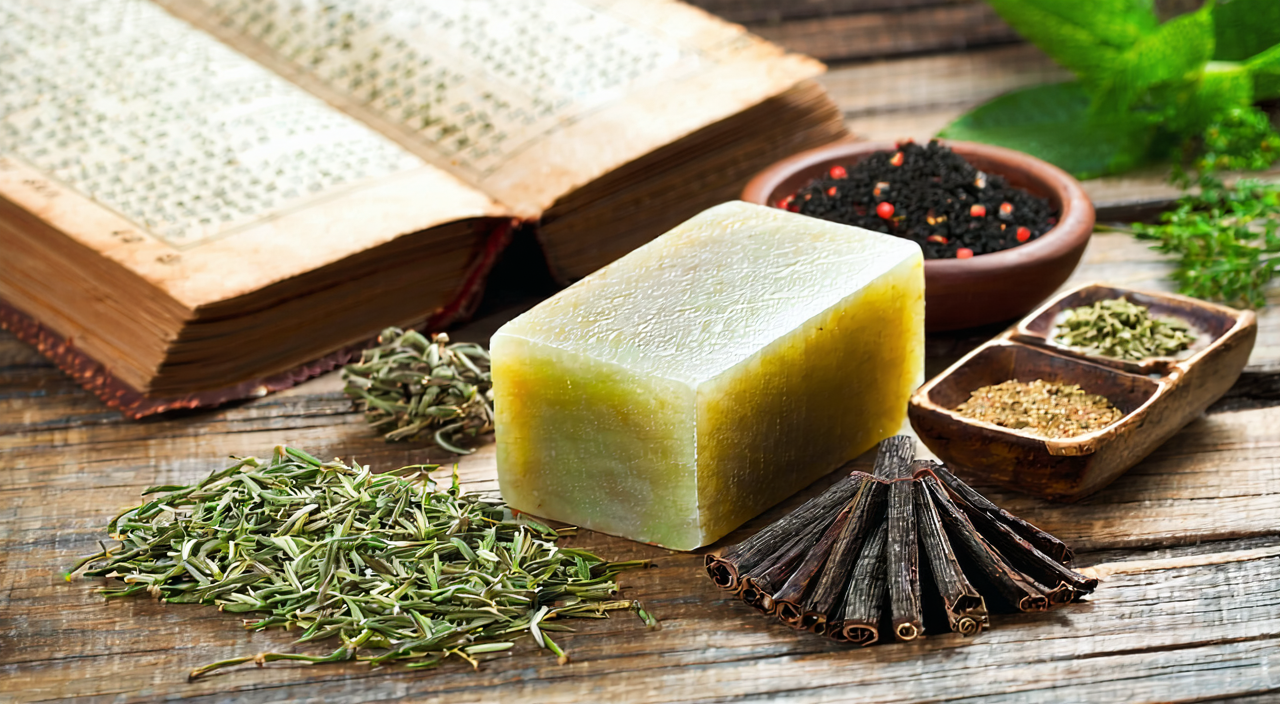
Liu Shen Qu appears in many traditional formulas designed to promote digestion and relieve stagnation, commonly found in Bao He Wan (Harmony-Preserving Pill), Zhi Shi Dao Zhi Wan (Immature Bitter Orange Stagnation-Removing Pill), Jian Pi Wan (Spleen-Fortifying Pill), and combinations involving Jiao San Xian.
Bao He Wan is a representative formula for promoting digestion and harmonizing the stomach, mainly used for epigastric fullness, belching with foul odor, and acid regurgitation caused by food accumulation. In it, hawthorn, Liu Shen Qu, and radish seed each target different types of stagnation; Liu Shen Qu specifically addresses accumulation from rice, wheat, and alcohol. Combined with Pinellia (Ban Xia) and tangerine peel (Chen Pi) to regulate qi and harmonize the middle, the overall direction leans toward dispersing and guiding out stagnation.
Zhi Shi Dao Zhi Wan focuses more on cases where accumulated stagnation transforms into heat and damp-heat obstructs internally. Here, Liu Shen Qu is used together with Immature Bitter Orange (Zhi Shi), Rhubarb (Da Huang), and other heat-clearing, dampness-draining, and stagnation-guiding herbs, suitable for complex presentations such as abdominal distension, constipation, or dysentery with tenesmus, rather than simple food accumulation.
In Jian Pi Wan, Liu Shen Qu is combined with spleen-fortifying and qi-boosting herbs like Atractylodes (Bai Zhu), Poria (Fu Ling), and Codonopsis (Dang Shen). The focus is on fortifying the spleen and promoting digestion, making it more suitable for individuals with spleen deficiency complicated by accumulation, chronic weak digestion, poor appetite, and easy bloating. The different emphases of these three formulas illustrate how Liu Shen Qu can adapt to different therapeutic directions in various combinations.
Furthermore, “Jiao San Xian” is the collective name for charred hawthorn (Jiao Shan Zha), charred malt (Jiao Mai Ya), and charred Liu Shen Qu (Jiao Liu Shen Qu). When stir-fried to a charred state, their food-dispersing and stagnation-removing strength is enhanced, and they are often used as a basic combination added to other formulas. Preparations or teas containing Jiao San Xian are frequently used for short-term adjustment after holiday overindulgence, but selection should still consider individual circumstances.
What Precautions Should Be Taken When Using Liu Shen Qu?
First, Liu Shen Qu contains gluten. The basic ingredients—flour and wheat bran—are derived from wheat. Therefore, for individuals with celiac disease or gluten allergy, products containing Liu Shen Qu may not be suitable, and it is advisable to carefully check allergen warnings on product packaging.
Second, as a fermented product, Liu Shen Qu is prone to moisture and mold. If the block surface shows obvious green mold, black spots, or emits a pungent rotten smell, it should be avoided. Store it in a cool, dry place.
Pregnant women should be especially cautious when using digestive herbs. Traditional theory holds that food-dispersing and stagnation-removing herbs have relatively strong moving and dispersing actions, and extra caution is needed during early pregnancy. If dietary accumulation discomfort does occur, a professional should be consulted first.
Finally, Liu Shen Qu from different manufacturers and batches may vary in composition and activity due to differing fermentation conditions and ingredient ratios. When purchasing Chinese patent medicines or formula products containing Liu Shen Qu, it is recommended to understand their production source and make a comprehensive judgment based on your own constitution and current symptoms. If symptoms such as bloating and poor appetite recur, persist without relief, or are accompanied by significant abdominal pain, weight loss, or black stools, seeking medical help should be a priority rather than relying on digestive products for self-treatment.
Summary
Liu Shen Qu is a traditional processed digestive product made by fermenting flour or wheat bran with a mixture of herbs. Its identification mainly relies on its blocky appearance, yellowish-brown surface, and unique fermented odor. It has different strengths compared to Jian Qu and malt, and selection should be based on the nature of food accumulation and accompanying symptoms. Since it contains gluten and is prone to spoilage, it is important to check the product’s condition and personal allergy history before use. This article aims to provide basic Chinese medicine knowledge for overseas Chinese readers. Any specific choices should be made in conjunction with product instructions and professional advice and cannot replace medical diagnosis or treatment.