
What Is Suo Yang? Medicinal Parts, Identification, and Common Formulas
Many people interested in traditional herbal medicine encounter the name “Suo Yang” when learning about kidney-tonifying and essence-enriching herbs. Suo Yang is mainly derived from the dried fleshy stem of Cynomorium songaricum (family Cynomoriaceae). Traditionally, it is believed to grow in desert or semi-desert regions of northwest China, often parasitic on the roots of plants such as Nitraria. Because of its special growing environment and limited harvest window, Suo Yang is also commonly known as “the herb of immortality,” reflecting its place in traditional health preservation. The following sections outline basic knowledge about Suo Yang from aspects such as appearance identification, medicinal parts, TCM understanding, and common formulas.
What Does Suo Yang Look Like? How to Identify It
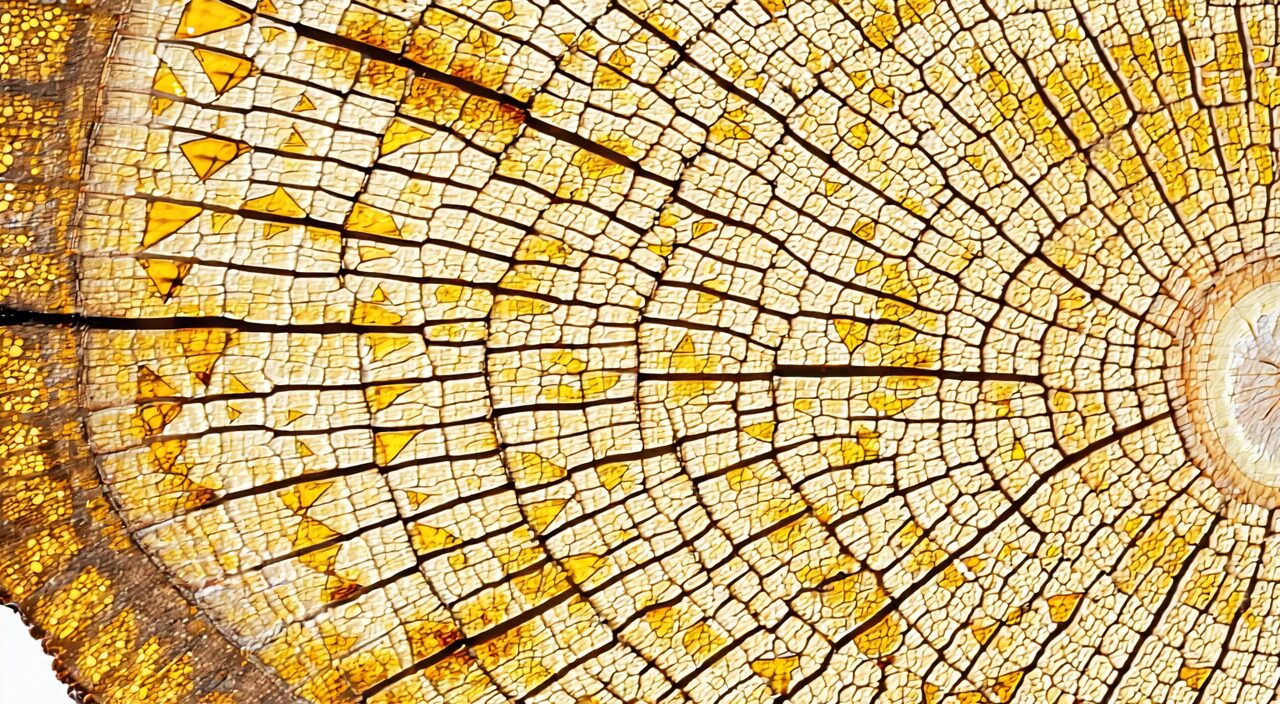
After harvest and processing, the medicinal part of Suo Yang is mostly flattened cylindrical, slightly curved, which is one of its typical features. The whole dried Suo Yang is usually about 5 to 15 cm long and about 1.5 to 5 cm in diameter. The surface is brown or brownish-red, sometimes with irregular shriveled textures, and feels relatively firm.
If you examine the cross-section, you will notice a distinguishing feature that sets Suo Yang apart from typical rhizome-like herbs: its cut surface is brownish-yellow or light brown, and under a magnifying glass you can see scattered yellow triangular vascular bundles. The arrangement of these small dot-like or triangular structures is often considered an important reference for authenticating Suo Yang. Some processed slices also show small vein-like textures. Additionally, Suo Yang has a slightly characteristic odor, mild sweetness, and a somewhat astringent sensation when chewed.
When selecting Suo Yang in practice, many people pay attention to the following points:
- Those with a complete, thick shape and relatively uniform reddish-brown surface are generally considered of better quality.
- Those with clearly visible triangular vascular bundles on the cut surface, not dried out, and free of insect damage are more ideal.
- Those that are overly thin, have a darkened cut surface, or show internal discoloration may indicate lengthy storage and warrant attention.
These are only empirical observational guidelines and not absolute standards.
What Are the Medicinal Parts of Suo Yang?
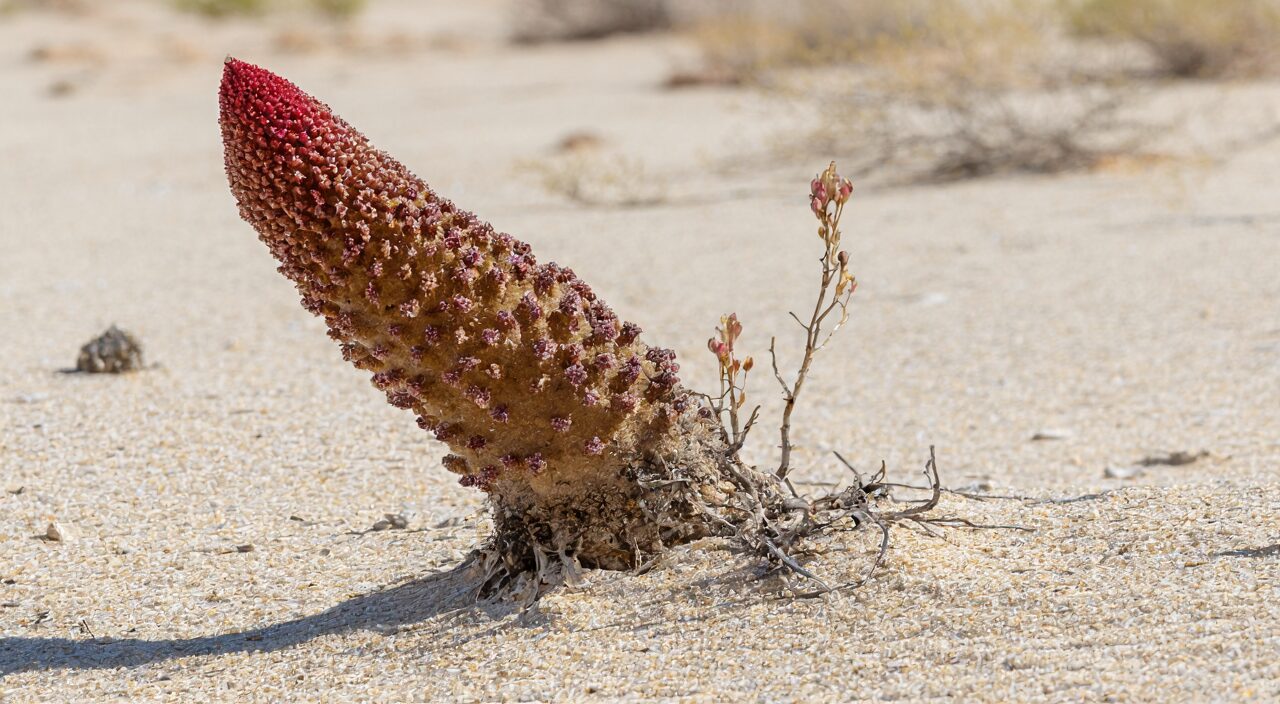
The medicinal part of Suo Yang is its dried fleshy stem. In traditional usage, stems harvested in spring are considered superior. After harvesting, the inflorescence is removed and the soil is washed off. Some are sliced and dried directly, while others are dried whole. As Suo Yang contains abundant starch-like substances, it becomes quite hard after drying, so commercially available herbs mostly appear as thick or thin slices, ranging from brownish-yellow to light brown. On some cut surfaces, traces of the triangular vascular bundles can still be seen.
Generally, Suo Yang found in Chinese pharmacies or related channels is mostly raw sliced products or processed decoction pieces. The raw form is good for moistening the intestines, while Suo Yang processed with salt or wine is traditionally believed to lean more toward warming the kidney and supporting yang. Understanding the medicinal parts and processing methods can help people form a general judgment when needed; however, specific usage should be determined according to individual constitution and professional advice.
How Does Chinese Medicine View Suo Yang?
In traditional Chinese medicine theory, Suo Yang is classified as a yang-tonifying herb. Its nature and flavor are sweet and warm, and it enters the Liver, Kidney, and Large Intestine meridians. In summary, its main application approaches include:
- Tonifying kidney yang and benefiting essence and blood: When the body shows conditions such as soreness and weakness of the lower back and knees, aversion to cold, cold limbs, or diminished sexual function—related to kidney yang deficiency and essence-blood depletion—Suo Yang is traditionally included in corresponding treatment strategies. It may also help with weak sinews and bones and lack of strength in the lower limbs.
- Moistening the intestines and relieving constipation: Because Suo Yang has an oily, moistening quality, it is sometimes used as a gentle laxative in cases of intestinal dryness and constipation caused by blood deficiency and fluid depletion. It is especially suitable for constipation without abdominal distension and pain, where stools are dry and difficult to pass but not due to excessive heat accumulation.
It should be noted that the identification of kidney yang deficiency and essence-blood depletion requires professional judgment. If you experience symptoms like cold and aching lower back and knees, clear and copious nighttime urination, and easy fatigue, you can use this knowledge for reference, but self-diagnosis and sole reliance on Suo Yang are not recommended.
What Components and Effects of Suo Yang Are Studied in Modern Research?
Modern research has identified various compounds in Suo Yang, mainly including:
- Tannins, flavonoids, triterpenoids;
- Polysaccharides and amino acids;
- Some phytosterols and organic acids.
Under experimental conditions, Suo Yang extracts have shown certain antioxidant and anti-fatigue effects. Some animal studies suggest it can modulate gonadal function and potentially promote or regulate intestinal peristalsis. These findings mostly come from cell or animal studies, and there is still a long way to go before persuasive clinical evidence in humans is established. Therefore, while these component studies provide observational perspectives, they cannot be directly equated to guaranteed effects in humans. If you have chronic or pronounced functional issues—such as severe fatigue, sexual dysfunction, or stubborn constipation—you should still seek professional diagnosis rather than relying on a single herb.
What Are the Differences Between Suo Yang and Similar Herbs?
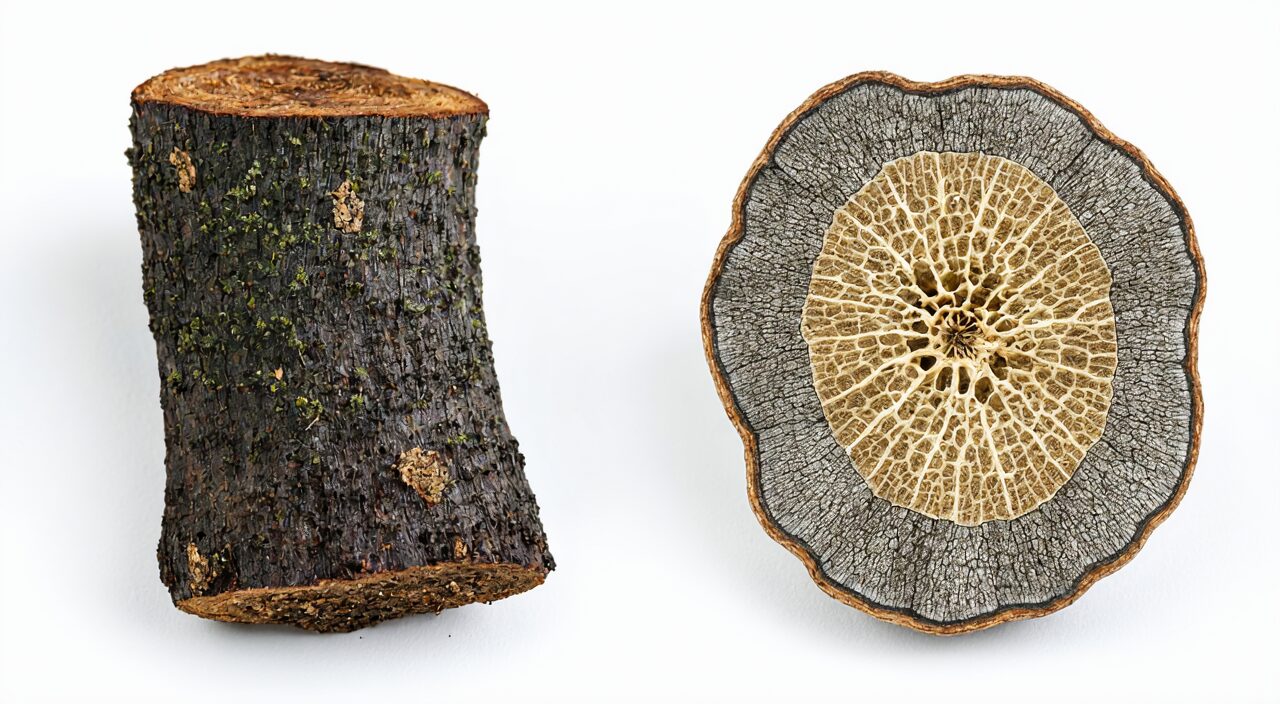
Suo Yang is often compared with Cistanche (Rou Cong Rong), because both are traditionally said to tonify kidney yang, benefit essence and blood, and moisten the intestines and relieve constipation. However, their source plants are completely different:
- Source: Suo Yang comes from the fleshy stem of Cynomorium songaricum (Cynomoriaceae), while Cistanche is the dried fleshy stem with scaly leaves of Cistanche deserticola or Cistanche tubulosa (Orobanchaceae).
- Appearance: Suo Yang is mostly flattened cylindrical, with a brown or brownish-red surface, and its cross-section shows yellow triangular vascular bundles. Cistanche is generally flattened cylindrical and slightly curved, with a grayish-brown or brown surface densely covered with imbricate fleshy scaly leaves; its cross-section is more like light brown granules, and the vascular bundles appear as scattered dots that are less prominent and not triangular.
- Medicinal parts and harvest: Both use the fleshy stem as the medicinal part, but Cistanche is nicknamed “desert ginseng.” Its traditional tonifying strength is considered warmer and more moistening, and it is used more frequently in cases of kidney yang deficiency combined with essence-blood depletion. Suo Yang, on the other hand, is relatively more focused on astringing and securing essence, and is more common in formulas with an “essence-securing” approach.
- Traditional emphasis: Suo Yang has a slightly astringent property alongside its yang-tonifying action, whereas Cistanche is better known for its warm, moistening laxative effect. The two are sometimes combined in formulas to address both warming the kidney and moistening the intestines.
If you find it difficult to differentiate them on your own, it is advisable to obtain information through official channels or consult experienced professionals to avoid confusion.
Which Formulas Use Suo Yang?
Suo Yang plays specific roles in many traditional formulas. The following are some common ones:
- Suo Yang Gu Jing Wan (Lock-Yang Essence-Securing Pill): This is one of the formulas directly named after Suo Yang. Traditionally, it is used for seminal emission and spontaneous discharge, soreness and weakness of the lower back and knees, and lack of strength in the four limbs caused by kidney yang deficiency and instability of the seminal gate. In addition to Suo Yang, the formula usually includes Cistanche, Morinda Root (Ba Ji Tian), Psoralea (Bu Gu Zhi), Dragon Bone (Long Gu), Oyster Shell (Mu Li), and other herbs—one group warming and tonifying kidney yang, and the other astringing and securing essence. Suo Yang both assists yang and contributes to astringency.
- Hu Qian Wan (Tiger Taming Pill): This formula is traditionally used for atrophy and weakness of the sinews and bones, and weakness in the lower back and legs due to liver-kidney deficiency with yin deficiency leading to heat. In Hu Qian Wan, Suo Yang is included mainly to warm and strengthen yang, thereby promoting the transformation of essence and blood. It is combined with heat-clearing herbs such as Phellodendron (Huang Bai) and Anemarrhena (Zhi Mu), and yin-nourishing herbs like Tortoise Shell (Gui Ban) and Prepared Rehmannia (Shu Di), creating a strategy of subduing deficiency fire and strengthening sinews and bones. This illustrates the possibility of combining Suo Yang with yin-nourishing herbs.
- Suo Yang Dan (Lock-Yang Elixir): Recorded in some ancient texts, this simple formula uses Suo Yang as the main ingredient, sometimes with Dragon Bone and Poria (Fu Ling), mainly targeting deficiency cold in the lower original and instability of the seminal gate. The simple composition of Suo Yang Dan highlights the astringing and warming yang tendencies of Suo Yang itself.
These formulas each have their own indications and are not suitable for everyone. They are often used as part of a treatment strategy in relevant areas; whether they are appropriate still depends on an individual’s constitution, symptoms, and professional advice. Do not formulate them on your own or take them casually.
What Precautions Should Be Taken When Using Suo Yang?
Although Suo Yang is a warming tonic herb, it is not suitable for all constitutions. Traditional wisdom advises caution in the following situations:
- Yin deficiency with internal heat: If you also have hot palms and soles, dry mouth and throat, night sweats, a red tongue with little coating, and other signs of yin deficiency heat, using Suo Yang alone in large amounts may aggravate deficiency fire and be counterproductive.
- Spleen deficiency with loose bowels or dampness stagnation: Although Suo Yang can moisten the intestines, its warm, moistening nature may increase the burden on the digestive system for people with loose stools, weak spleen and stomach, or poor digestion.
- Excess-heat constipation: If constipation is caused by excess heat and stagnation, manifested by abdominal distension and pain, bad breath, and dry stools, it should be treated with heat-clearing purgatives. A warm-moistening herb like Suo Yang is not appropriate.
Moreover, if you experience severe, long-term, or recurrent discomfort, or if there are accompanying symptoms such as pronounced palpitations, chest tightness, pain, dizziness, persistent vomiting, black stools, or unexplained weight loss, you should consult a physician or healthcare professional rather than self-diagnosing and relying on a single herb. It is recommended to make comprehensive judgments based on product instructions, personal circumstances, and professional advice.
Summary
As a traditional herb from the northwest desert regions, Suo Yang is used in its dried fleshy stem form. Its key identification features are the flattened cylindrical shape and the scattered triangular vascular bundles on the cut surface. Chinese medicine commonly views it from the angles of tonifying kidney yang, benefiting essence and blood, and moistening the intestines to relieve constipation, and distinguishes it from similar herbs such as Cistanche. In classic formulas like Suo Yang Gu Jing Wan and Hu Qian Wan, it plays the role of warming yang and astringing, or balancing cold and heat. The use of any herb must be based on constitution identification and rational combination; this article is for popular science reference only and cannot replace professional diagnosis or treatment advice.