
What Is Arisaema? Medicinal Parts, Identification, and Common Formulas
Arisaema (Tian Nan Xing) is a Chinese medicinal material that appears quite often in traditional formulas yet is frequently labeled “toxic.” Many overseas beginners in Chinese medicine, upon first seeing this name, wonder: What exactly is Arisaema? What does it look like, which part is used, and how does it relate to Dan Nan Xing (Bile Arisaema) and Bai Fu Zi? Below, we explore this unique herb from identification, medicinal parts, processing differences, common formulas, and safe use.
1. What Does Arisaema Look Like? How to Identify It
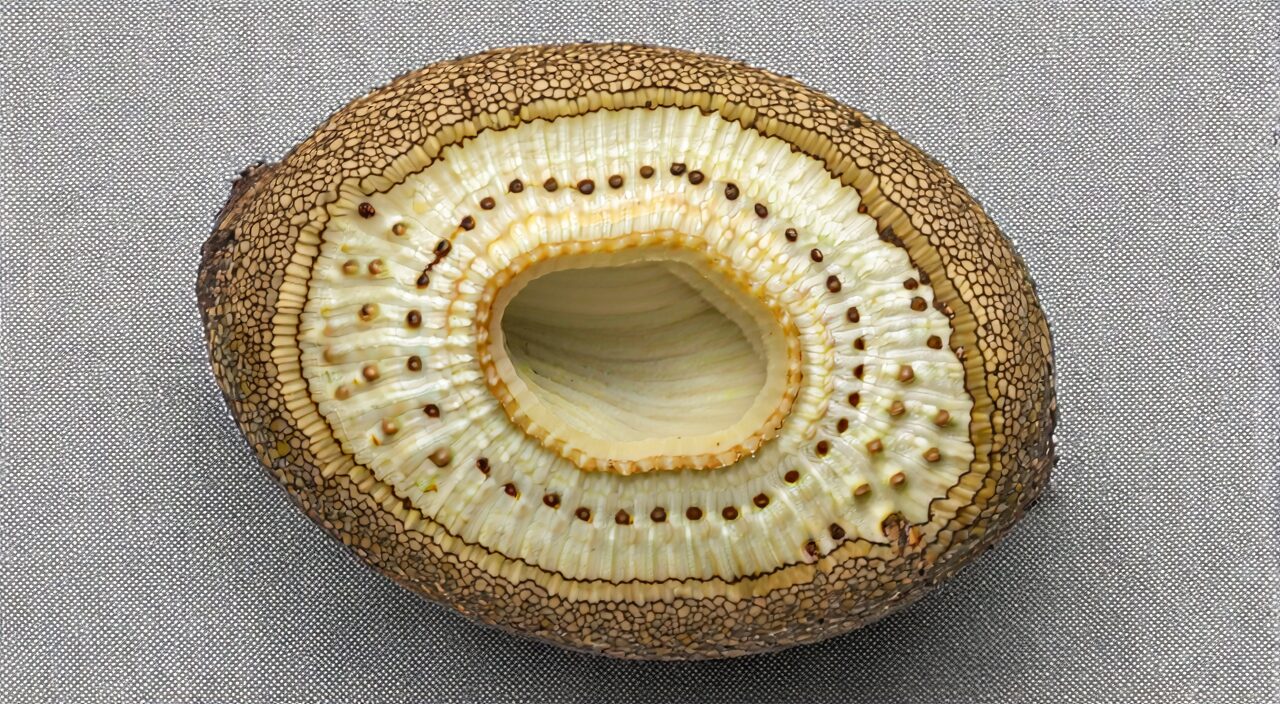
To understand Arisaema, simply looking at the leaves and stems is not enough because the medicinal part lies underground. The dried tuber is typically flattened-spherical, not very large, with a diameter usually between 1.5–6.5 cm, giving a sturdy appearance.
In appearance, the surface is mostly yellowish-white or pale brown, not smooth, and sometimes has rough textures. One of the most obvious identification marks is at the top: there is a depressed stem scar, like a small pit, often surrounded by a ring of pitted root marks—these are traces left by detached fibrous roots. Veteran herbalists often look at this “sunken nest” and the surrounding pits as a key characteristic of the Arisaema tuber.
When cut, the section is whitish and powdery in texture, unlike some herbs that are very fibrous. Because of its powdery nature, it easily absorbs moisture during processing and storage, so attention must be paid to storage conditions.
2. What Is the Medicinal Part of Arisaema?
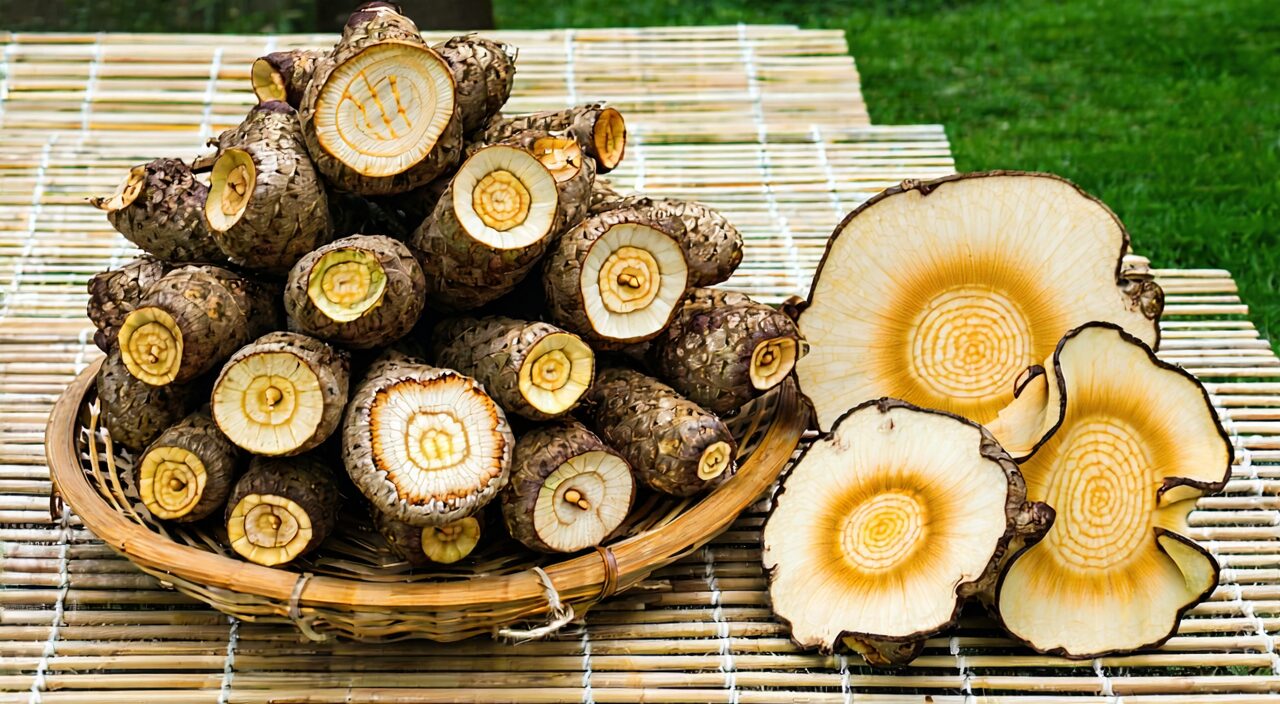
Arisaema is used medicinally as its tuber. Typically, the tubers are harvested in autumn or winter after the aerial parts have withered. The stems, leaves, outer skin, and excess fibrous roots are removed, and then the tubers are dried. The resulting product is called raw Arisaema (Sheng Tian Nan Xing), which is the basic form of the crude herb.
However, raw Arisaema is not suitable for direct internal use. Traditionally, it is further processed into “processed Arisaema” (Zhi Tian Nan Xing). Common processing methods use adjuvants such as ginger and alum, involving soaking, boiling, or steaming to reduce irritation and also shift the medicinal properties. When purchasing or learning about Arisaema products overseas, you will usually encounter the “processed Arisaema” form rather than the raw herb.
3. How Does Traditional Chinese Medicine Understand Arisaema?
In traditional Chinese medicine thinking, Arisaema is primarily understood through two key directions: “phlegm” and “wind.” Its nature and taste are considered bitter, acrid, and warm, with some toxicity, and it enters the Lung, Liver, and Spleen meridians. In classical texts, it is often used for drying dampness and transforming phlegm, dispelling wind and stopping spasms, and for dispersing masses and reducing swelling.
Specifically, when a person after a cold or with a damp constitution shows marked copious sputum, chest tightness, coughing with sticky and profuse phlegm that is hard to expectorate, along with fatigue and a thick greasy tongue coating, traditional thinking may regard this as “damp-phlegm” or “wind-phlegm” congestion. In such cases, Arisaema may be considered, especially when phlegm turbidity is severe and even affects the clear orifices of the head and face.
Additionally, in traditional descriptions related to tetanus syndrome, wind-stroke with phlegm congestion, deviation of the mouth and eyes, numbness of the limbs, or epileptic seizures associated with “wind-phlegm,” Arisaema has been used as one choice for dispelling wind and stopping spasms. For external use, it can disperse masses and reduce swelling, and may be used as an auxiliary treatment for abscesses and phlegm nodules. However, these are only traditional understandings; whether they suit an individual must be determined based on specific circumstances and professional judgment.
4. How Does Modern Research View Arisaema?
From a modern research perspective, the most notable concern with Arisaema is its irritant and toxic properties. Its toxicity is mainly linked to calcium oxalate raphides. Arisaema contains numerous fine, needle-like calcium oxalate crystals that can pierce the mucous membranes, causing intense burning pain, swelling, and even blistering in the mouth and throat. Some individuals may develop hoarseness and difficulty swallowing.
Moreover, Arisaema contains certain lectins and alkaloid components that may also be associated with toxic reactions. Therefore, in experimental research, the reduction of calcium oxalate raphides after processing is often observed to assess detoxification. After processing with ginger and alum, the raphides are noticeably reduced, and the irritation decreases accordingly. Thus, the toxicity of Arisaema is not merely hearsay; it has a clear material basis. For this reason, it is absolutely necessary to avoid ingesting the raw herb. For internal use, only properly processed Arisaema should be used, and under the guidance of someone knowledgeable about it.
5. Differences Between Arisaema, Bile Arisaema, and Bai Fu Zi
When discussing Arisaema, it is commonly compared with Bile Arisaema (Dan Nan Xing) and Bai Fu Zi. Although these three share similarities in name or usage, their origins and properties differ considerably.
Bile Arisaema is not a direct botanical crude herb; it is a processed product made by mixing fine Arisaema powder with ox bile (or pig bile). After bile treatment, it loses the warm nature of Arisaema and becomes cool in property, transforming phlegm while tending to clear heat and extinguish wind. In traditional use, Bile Arisaema is often applied for phlegm-heat convulsions, high fever with spasms, whereas Arisaema is more adept at dealing with cold-phlegm, damp-phlegm, or wind-phlegm patterns that tend toward cold and dampness. In appearance, Bile Arisaema is block-shaped or cylindrical, dark brownish in color, and relatively hard, distinctly different from the flattened-spherical tuber of Arisaema.
Bai Fu Zi, on the other hand, is completely different. What is usually called Bai Fu Zi mainly refers to the tuber of Typhonii gigantei (also known as Yu Bai Fu). Its therapeutic direction overlaps partly with Arisaema—for instance, it is also used to dispel wind-phlegm and arrest convulsions—but Bai Fu Zi tends to ascend and affect the head and face. Traditionally, it is commonly used for wind pathogens affecting the head and face, deviation of the mouth and eyes, and unilateral or generalized headache. In terms of origin, Arisaema belongs to the genus Arisaema, while Bai Fu Zi belongs to the genus Typhonium; they are neither from the same family nor the same genus. In appearance, the tuber shape of Bai Fu Zi somewhat resembles Arisaema, but the surface rings and root marks differ, requiring careful identification.
6. Which Classic Formulas Use Arisaema?
Although Arisaema is toxic, in certain classic formulas, through processing and rational combination, it has been traditionally used for conditions of profuse phlegm turbidity or wind-phlegm obstructing the collaterals. Below are several representative formulas to help understand its role in compound prescriptions.
Dao Tan Tang (Phlegm-Guiding Decoction) is a formula oriented toward drying dampness, transforming phlegm, moving qi, and opening depression. Based on Er Chen Tang, it adds Arisaema and Zhi Shi (Aurantii Fructus Immaturus), among others. Traditionally, it is suited for damp-phlegm internal obstruction causing chest and epigastric fullness, nausea and vomiting, dizziness, cough with profuse sticky phlegm, and restlessness. Arisaema here mainly acts to transform stubborn phlegm and open up blockages; precisely for this reason, it is more appropriate for cases where dampness and phlegm are excessive but the constitution is still relatively strong.
Di Tan Tang (Phlegm-Cleansing Decoction) adds Ren Shen (Ginseng), Chang Pu (Acori Tatarinowii Rhizoma), Zhu Ru (Bambusae Caulis in Taeniam), etc., onto the foundation of Dao Tan Tang, shifting the focus toward clearing phlegm and opening the orifices. Traditionally it is used for wind-stroke with phlegm clouding the heart orifice, stiff tongue with inability to speak, and similar conditions. Arisaema combined with Chang Pu is considered helpful for sweeping away phlegm and opening the orifices. However, formulas of this kind are generally aimed at acute and severe conditions and are by no means suitable for routine health maintenance.
Yu Zhen San (True Jade Powder) is a formula with Arisaema as a key component, used both externally and internally. Traditionally it was mostly applied for tetanus, with the aim of dispelling wind, transforming phlegm, and stopping spasms. In this formula, Arisaema is combined with Fang Feng (Saposhnikoviae Radix) and Bai Zhi (Angelicae Dahuricae Radix) to resolve wind-phlegm pathogens. Today, tetanus is managed with modern medical protocols, so Yu Zhen San serves more as a historical example in Chinese herbal formulary, for studying and understanding ancient thinking.
Xiao Huo Luo Dan (Minor Invigorate the Collaterals Pill) uses processed Arisaema together with Chuan Wu (Aconiti Radix), Cao Wu (Aconiti Kusnezoffii Radix), Ru Xiang (Olibanum), and Mo Yao (Myrrha). Its direction is to dispel wind and dampness, transform phlegm, and unblock the collaterals. Traditionally it is applied for chronic wind-cold-dampness bi-syndrome, numbness of the limbs, and joint pain that persists for a long time, patterns belonging to phlegm and stasis obstructing the collaterals. Since the formula contains toxic herbs, it must be used under strict control.
These formulas are presented only as an introduction to traditional usage directions, not as recommendations for specific diseases. Whether to consider using them requires integration of individual constitution, current symptoms, and comprehensive judgment under the guidance of a professional familiar with these herbs. Never self-prescribe or fill these formulas on your own.
7. Precautions When Using Arisaema
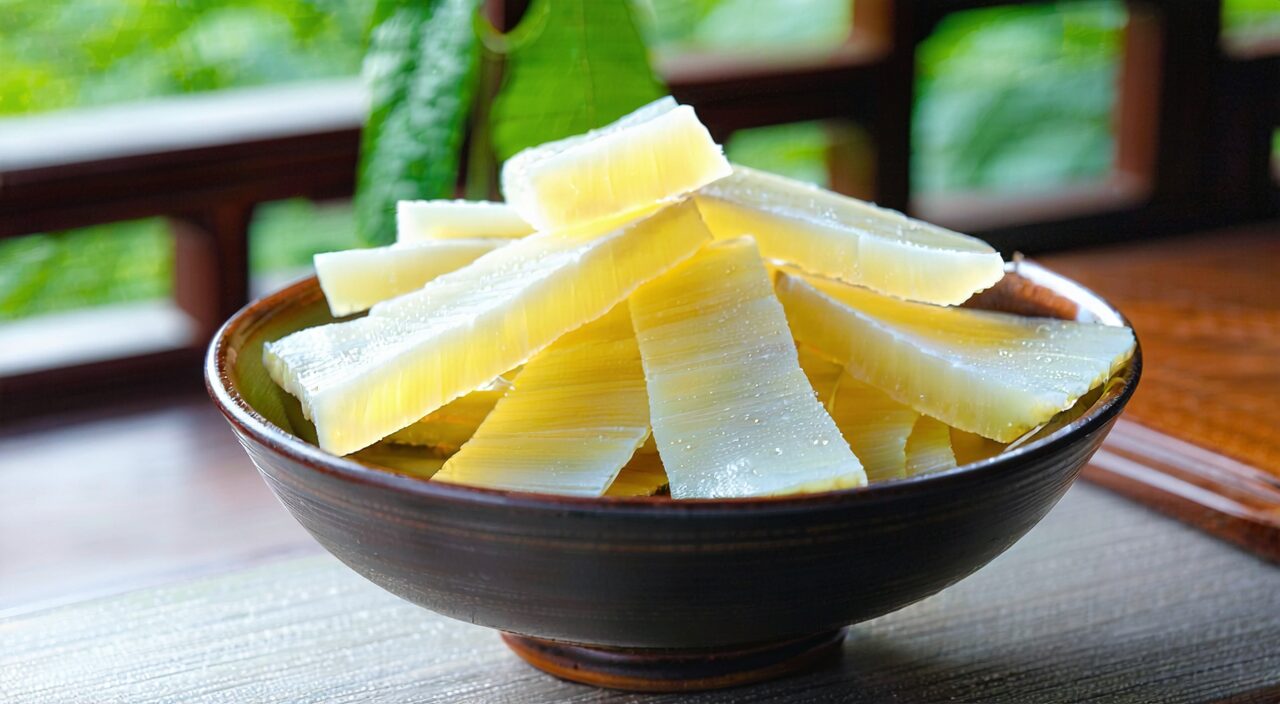
Arisaema is a classic example of a “toxic but usable” herb, and the most important thing when using it is respecting its safety boundaries. First, raw Arisaema must never be self-administered internally. Even a tiny taste can cause severe burning, stinging pain, swelling, and blistering in the mouth and throat, and may even lead to breathing difficulty. If such a reaction occurs, stop contact immediately and seek medical attention without delay.
For internal use, only properly processed Arisaema must be used, and the dosage is fairly specific and should not be excessive. Individuals with constitution tending toward yin deficiency and dryness-heat, dry cough with little phlegm, hemoptysis, or sticky hot phlegm are traditionally inclined to avoid or minimize its use, because Arisaema’s warm and drying nature can exacerbate fluid consumption. Pregnant women are generally contraindicated, as its dispersing and mobilizing force could adversely affect pregnancy stability.
Moreover, Arisaema is not suitable for long-term daily use. It is a medicinal herb intended for short-term application during specific periods and patterns, and should not be taken as a health supplement. If during the use of formulas containing Arisaema you experience oral numbness, throat dryness and discomfort, nausea, vomiting, or other unusual sensations, stop promptly and inform the prescribing TCM practitioner. For chronic or recurrent symptoms, especially those accompanied by chest tightness, palpitations, breathing difficulty, severe pain, persistent vomiting, or black stools, it is advisable to consult a modern medical professional first. Only after a clear diagnosis should you consider whether TCM approaches can be integrated.
Summary
Arisaema is a relatively strong phlegm-transforming and wind-dispelling herb in traditional use, but its toxicity and identification threshold mean it is by no means a casually applicable medicinal. Recognizing its flattened-spherical tuber shape, understanding that the medicinal part is the processed tuber, and differentiating it from Bile Arisaema and Bai Fu Zi are basic prerequisites for safe understanding and use. Classic formulas such as Dao Tan Tang, Di Tan Tang, and Yu Zhen San only offer an ancient perspective; when referencing them today, one still needs to combine individual circumstances with professional advice and avoid handling them independently without guidance. This article is for public education on Chinese medicine knowledge only and cannot replace professional diagnosis or treatment recommendations.