
What Is Scrophularia? Medicinal Parts, Identification, and Common Formulas
Scrophularia (Xuan Shen) is the dried root of the plant Scrophularia ningpoensis, classified in Chinese medicine as a heat-clearing and blood-cooling herb. Many overseas users become interested in it due to its use in herbal teas, moistening dryness, or addressing throat discomfort. This article will help you comprehensively understand this commonly used herb from the perspectives of identification, medicinal part, traditional understanding, differences from similar herbs, and common formulas.
What does Scrophularia look like? How to identify it?
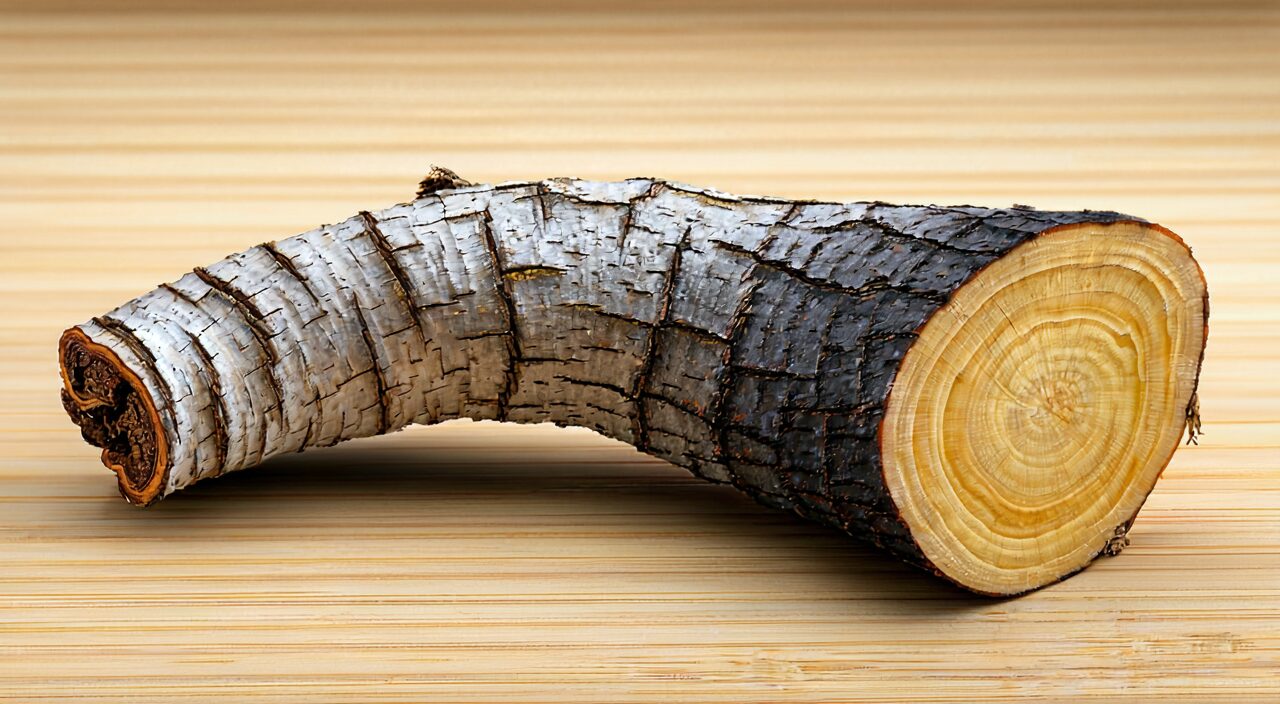
The medicinal material of Scrophularia has a distinctive appearance: typically subcylindrical, slightly thicker in the middle and thinner at both ends, sometimes slightly curved. The surface color is mostly grayish-yellow or grayish-brown, with irregular longitudinal grooves and transverse lenticel-like scars. Once broken, the cut surface is usually dark brown with a slight luster, and the texture is soft, pliable, and not easily snapped. Its odor is quite unique, with a caramel-like sweet fragrance, and it tastes slightly sweet and slightly bitter. When selecting, those with thick, solid roots, jet-black cut surfaces, and strong aroma are considered the best quality. These characteristics can help with preliminary identification when you see the actual herb.
What is the medicinal part of Scrophularia?
The medicinal part of Scrophularia is its root. It is usually harvested in winter when the stems and leaves wither. After removing the stems, leaves, rootlets, and sediment, the roots are piled up until the interior turns black, a process commonly known as “sweating.” This step is crucial for the quality of the medicinal material, as it deepens the internal color and is traditionally believed to enhance its yin-nourishing properties. Afterwards, it is repeatedly dried in the sun or baked until completely dry. Through this processing, the cut surface becomes even darker and the texture more pliable.
How does Chinese medicine understand Scrophularia?
Scrophularia is sweet, bitter, and salty in taste, slightly cold in nature, and enters the lung, stomach, and kidney meridians. In traditional theory, it can both clear heat from the blood level and nourish yin fluids, and is often used for conditions such as warm-heat diseases invading the nutrient-blood level, yin-deficiency fever, sore throat, scrofula, and phlegm nodules. Its fire-draining and toxin-relieving effects are particularly suitable for patterns with toxic heat accumulation accompanied by yin damage. For sore throat and abscesses caused by toxic heat accumulation, Scrophularia is often combined with Ophiopogon (Mai Dong), Rehmannia (Sheng Di Huang), etc., to provide cooling, moistening, and nodule-dissipating actions. Overall, it is more suitable for patterns with deficiency heat and yin deficiency; it may not be suitable for cases with exuberant excess fire or cold-dampness encumbering the spleen.
Preliminary modern research on Scrophularia
Some modern studies focus on constituents in Scrophularia such as iridoid glycosides like harpagoside and harpagide, as well as phenylpropanoid glycosides like angoroside C. In laboratory studies, these constituents have shown certain anti-inflammatory and antioxidant activities. Research has also looked at the potential effects of Scrophularia on immune regulation and microcirculation, and some animal experiments have explored its protective effect against cerebral ischemia-reperfusion injury. However, these findings primarily come from basic research, and much work remains before clear clinical applications can be determined; they should not be equated directly with specific effects of products or therapies.
How does Scrophularia differ from Rehmannia (Sheng Di Huang) and Ophiopogon (Mai Dong)?
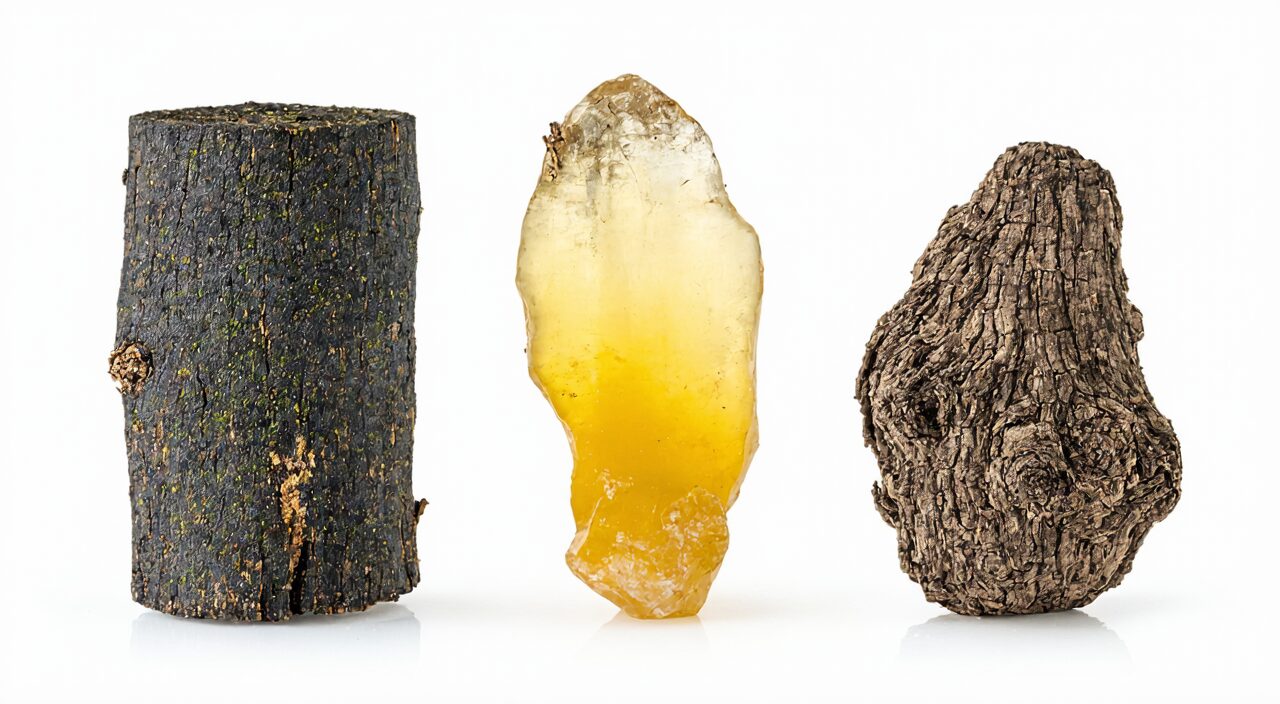
Scrophularia (Xuan Shen), Rehmannia (Sheng Di Huang), and Ophiopogon (Mai Dong) are all commonly used herbs for nourishing yin and moistening dryness, but they differ in source, appearance, and application focus.
In terms of plant source, Scrophularia is the root of Scrophularia ningpoensis (Scrophulariaceae family), Rehmannia is the tuberous root of Rehmannia glutinosa (Scrophulariaceae family), and Ophiopogon is the tuberous root of Ophiopogon japonicus (Liliaceae family). In appearance, Scrophularia is elongated cylindrical with a grayish-brown surface and dark brown cut surface, and has a caramel-like odor; Rehmannia appears as irregular masses or oblong shapes with a brownish-black surface, a soft and sticky texture, and a slightly sweet taste; Ophiopogon is spindle-shaped, with a yellowish-white, semi-translucent surface, a pliable texture, and becomes slightly sticky when chewed.
Regarding nature, taste, and meridian entry, Scrophularia is bitter, salty, and cold; Rehmannia is sweet, bitter, and cold; Ophiopogon is sweet, slightly bitter, and slightly cold. In terms of application focus, Scrophularia tends to enter the blood level and excels at clearing heat, cooling blood, resolving toxins, and dissipating nodules, and is often used for sore throat, scrofula, and phlegm nodules. Rehmannia excels at clearing heat, cooling blood, nourishing yin, and generating fluids, and is more suitable for blood heat, yin-deficiency internal heat, and wasting-thirst. Ophiopogon focuses on nourishing yin, moistening the lung, benefiting the stomach, and generating fluids, and is often used for dry cough from lung dryness, insufficient stomach yin, irritability, and insomnia. Simply put, all three nourish yin, but Scrophularia leans toward cooling blood and dissipating nodules, Rehmannia toward cooling blood and moistening dryness, and Ophiopogon toward moistening the lung and clearing the heart. Clinically, they are selected based on the location of yin-deficiency fire and accompanying symptoms, and they often appear together in many formulas.
Which formulas use Scrophularia?
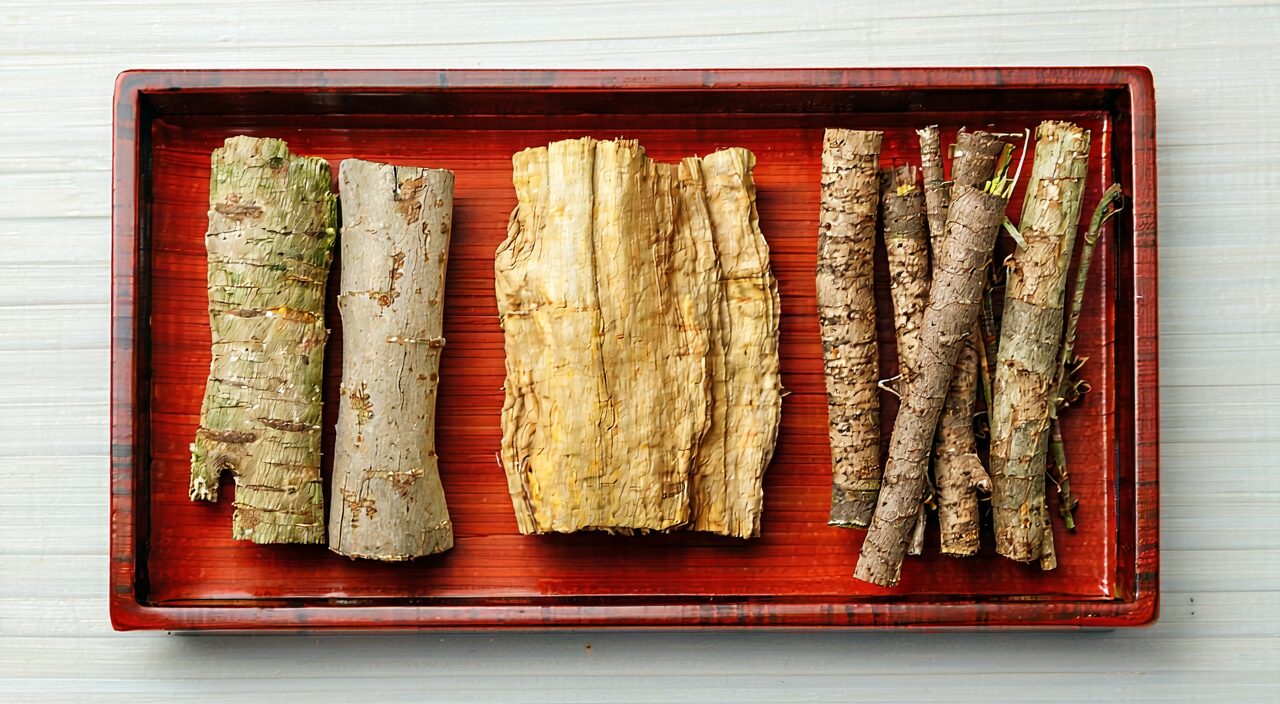
Scrophularia appears in many classic formulas. Below are a few common ones for your understanding; actual use should be combined with your individual situation and professional advice.
Fluid-Increasing Decoction (Zeng Ye Tang): Composed of Scrophularia, Ophiopogon, and Rehmannia. In this formula, Scrophularia is heavily used as the chief herb, supplemented by the moistening effect of Ophiopogon and the nourishing effect of Rehmannia. Together, the three herbs achieve the effect of increasing fluids and moistening dryness. It is traditionally used for fluid damage after febrile diseases, intestinal dryness constipation, or dry stools in individuals with yin deficiency constitution.
Lily Bulb Lung-Strengthening Decoction (Bai He Gu Jin Tang): Contains Lily Bulb (Bai He), Rehmannia (Sheng Di Huang), Prepared Rehmannia (Shu Di Huang), Scrophularia, Ophiopogon, Chinese Angelica (Dang Gui), White Peony (Bai Shao), Platycodon (Jie Geng), Fritillaria (Bei Mu), and Licorice (Gan Cao), among others. It is commonly used for cough, blood-streaked sputum, and dry throat caused by lung-kidney yin deficiency and deficiency fire flaming upward. In this formula, Scrophularia works together with the two types of Rehmannia and Ophiopogon to nourish yin, clear heat, and soothe the throat, and is also beneficial for sore throat and hoarseness due to lung-kidney yin deficiency.
Yin-Nourishing Lung-Clearing Decoction (Yang Yin Qing Fei Tang): Composed of Rehmannia, Ophiopogon, Scrophularia, Fritillaria, Moutan (Dan Pi), Mint (Bo He), White Peony, Licorice, etc. The original formula was mostly used for the later stages of infectious diseases such as diphtheria, taking the effect of nourishing yin, clearing the lung, resolving toxins, and benefiting the throat. It is suitable for sore throat, cough, and dry mouth and nose caused by yin-deficiency lung dryness. In this formula, Scrophularia both nourishes yin and resolves toxins and dissipates nodules.
Scrophularia and Cimicifuga Decoction (Xuan Shen Sheng Ma Tang): Mainly composed of Scrophularia and Cimicifuga (Sheng Ma), often with the addition of raw Licorice, etc. It is mostly used for sore throat and skin eruptions caused by external wind-heat or toxic heat accumulation, reflecting the combination of Scrophularia clearing heat, cooling blood, and resolving toxins with Cimicifuga’s outward-dispersing and pathogen-expelling action. Depending on the situation, Forsythia (Lian Qiao) and Arctium (Niu Bang Zi) may also be added, but pattern differentiation is required.
Each formula has its own scope of application. Whether it is suitable for a person’s specific presentation must be determined through holistic pattern differentiation based on constitution and symptoms, and should not be applied blindly.
What precautions should be taken when using Scrophularia?
Based on traditional usage experience, Scrophularia is slightly cold in nature. For individuals with spleen-stomach deficiency-cold, prone to loose stools, cold sensation in the abdomen, and poor appetite, it is generally not recommended to use large doses of the single herb or for long-term use. In traditional herb incompatibilities, Scrophularia counteracts Veratrum (Li Lu), which belongs to the “Eighteen Incompatibilities” and should be strictly avoided. Additionally, Scrophularia contains some sugars and mucilage, so during storage, it should be protected from moisture and pests and kept in a ventilated, cool, and dry place. Pregnant and breastfeeding women and those with special health conditions should consult a Chinese medicine practitioner or professional healthcare personnel before considering products containing Scrophularia. When using Chinese patent medicines or decoctions containing Scrophularia, it is advisable to first understand your own pattern and not to take them for a long time or in excessive doses.
Summary
Scrophularia is a commonly used heat-clearing and blood-cooling herb in Chinese medicine. Its key identification points include the elongated cylindrical root, grayish-brown cut surface, and distinctive caramel-like aroma. The medicinal part is the dried root processed through “sweating.” Although it shares yin-nourishing properties with Rehmannia and Ophiopogon, they respectively emphasize cooling blood and dissipating nodules, cooling blood and moistening dryness, and moistening the lung and clearing the heart. Scrophularia often appears in formulas such as the Fluid-Increasing Decoction and Lily Bulb Lung-Strengthening Decoction. The use of Scrophularia should consider individual constitution and traditional contraindications, especially for those with spleen-stomach deficiency-cold. This article is for informational purposes only and does not constitute any medical advice. For specific use, please consider your personal situation and seek professional guidance.