
What Is Yu Li Ren? Medicinal Part, Identification Methods, and Common Formulas
When exploring moistening laxative or gut-regulating herbs in Chinese medicine, Yu Li Ren is a name that comes up frequently. It does not come from a single specific plant, but rather from the dried mature seeds of Rosaceae plants such as Prunus humilis, Prunus japonica, or Prunus pedunculata. Traditionally, these seeds have often been used to relieve difficult bowel movements caused by intestinal dryness and to assist in managing conditions related to water-dampness retention. For overseas Chinese readers, understanding what Yu Li Ren is, how to visually distinguish it from similar seeds, and which formulas commonly include it can help provide a more comprehensive and objective understanding of this Chinese medicinal herb.
What Does Yu Li Ren Look Like? How to Identify Its Appearance
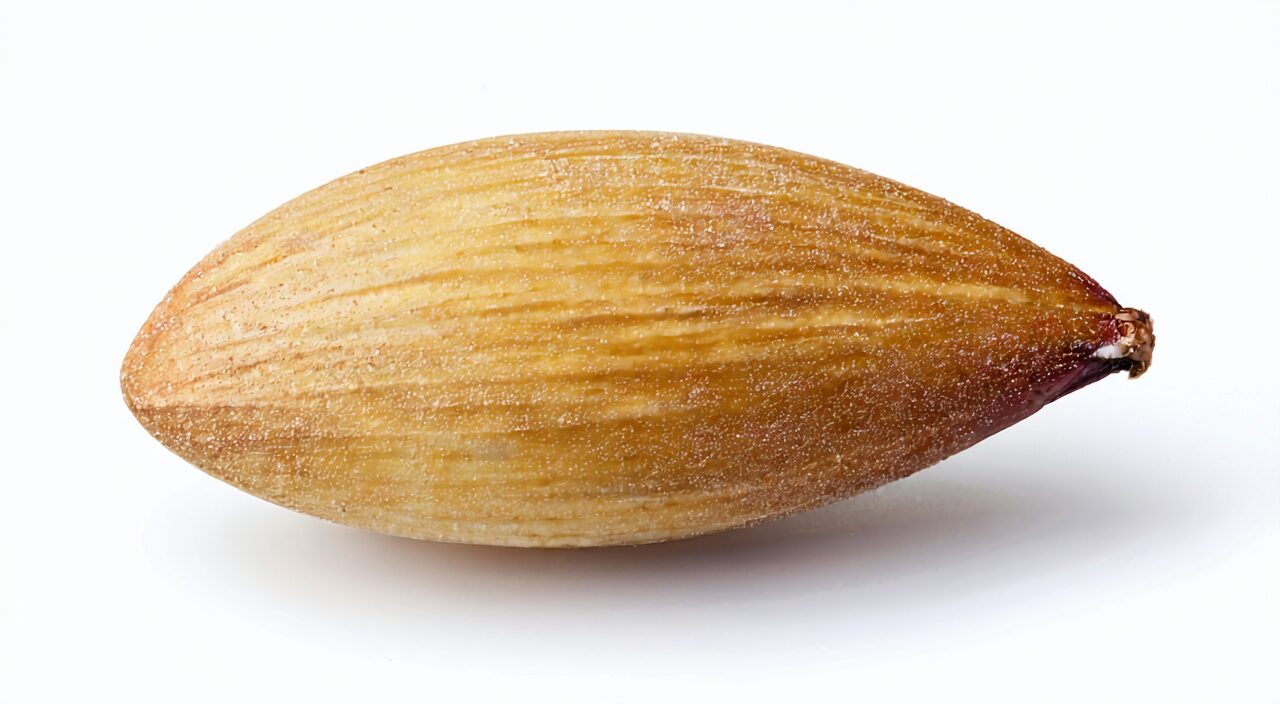
The most common form of Yu Li Ren is oval or flattened-oval, relatively small, typically around 5 to 8 mm in length. The surface color is yellowish-white or light brown; upon close inspection, a small amount of fine powdery bloom may be seen. One end of the seed is slightly pointed, while the other is more blunt and rounded. Near the pointed end, a faint hilum is often visible, appearing as a linear or dot-like depression.
When evaluating quality, the seed coat and cross-section are often examined. The seed coat of Yu Li Ren is very thin and can be easily separated by gently rubbing with fingers. After removing the seed coat, the kernel inside appears milky white. Pressing the kernel with a fingernail reveals a greasy, oil-rich cross-section with a noticeable oily feel. Due to its high oil content, if a distinct rancid odor is detected, the color deepens, or the surface becomes sticky during selection or storage, the seeds may have already deteriorated, significantly reducing their quality.
In terms of authentication, the seed most easily confused with Yu Li Ren is Da Li Ren, which is noticeably larger and has a somewhat darker surface color. In addition, Peach Kernel is flatter and more elongated, sometimes with a slight ridge along the edge. These visual differences can aid in an initial assessment. Of course, accurate species identification is best left to professional institutions.
What Is the Medicinal Part of Yu Li Ren?
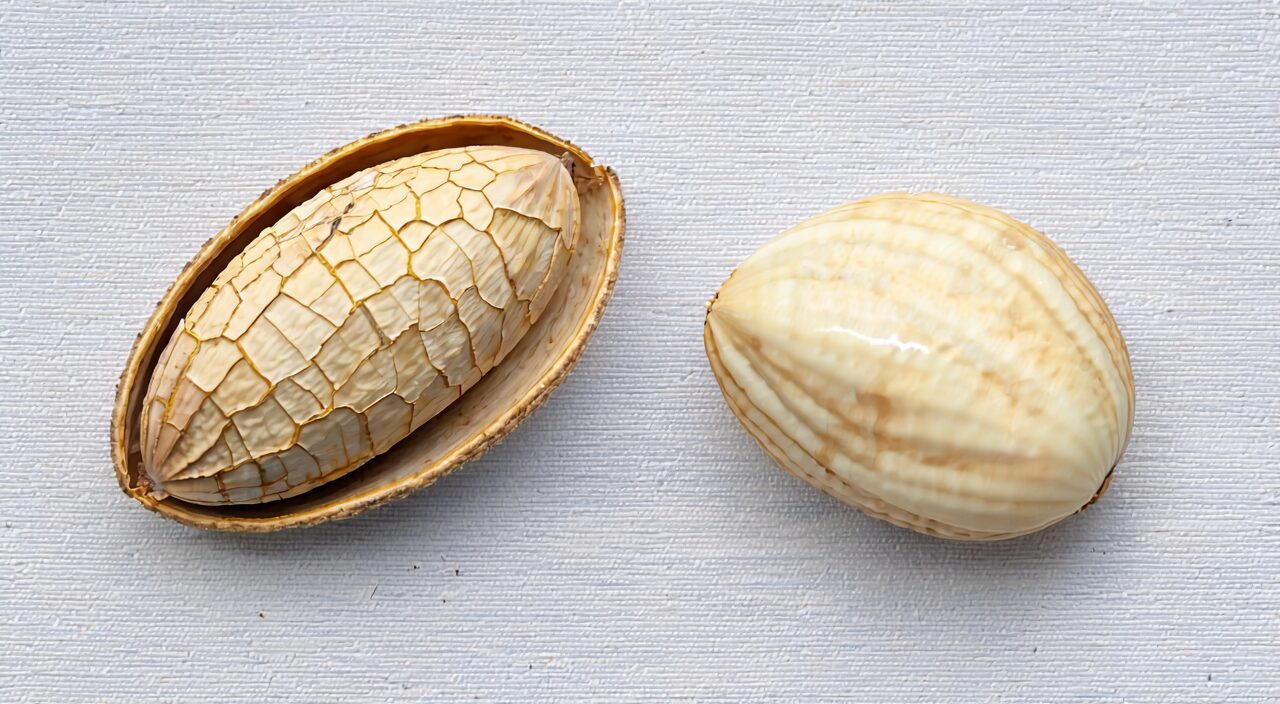
The medicinal part of Yu Li Ren is very clearly defined: it is the mature seed after the hard shell has been removed, not the whole fruit or the pit. In traditional processing, the ripe fruits are harvested, the pulp is removed, the pits are washed and dried, and then the hard shell is cracked to extract the kernels. Some commercial specifications may further treat them by scalding in boiling water or using other methods to make the seed coat easier to peel off, resulting in clean kernels.
The necessity of this shelling process is closely related to the high fatty oil content of Yu Li Ren. The seed itself is a storage organ rich in nutrients and oils. Once the shell is removed and the kernel is exposed to air, it is prone to oxidative deterioration. Therefore, both during origin processing and in daily storage, special attention must be paid to keeping it moisture-proof, cool, and dry, preferably in airtight containers. If stored for too long or under unsuitable conditions, Yu Li Ren can easily turn rancid, causing the surface color to deepen and oil to seep out, even producing a stale, rancid smell. In traditional understanding, the herb’s properties have changed at this point and it is no longer suitable for use.
How Is Yu Li Ren Understood in Traditional Chinese Medicine?
From the perspective of Chinese medicine, Yu Li Ren is generally classified as a moistening laxative herb. Its nature and flavor are mostly recorded as acrid, bitter, and sweet, with a neutral property, and it is primarily associated with the Spleen, Large Intestine, and Small Intestine meridians. Traditional understanding of its actions focuses mainly on two aspects: moistening the intestines and promoting qi downward to drain water.
In the direction of moistening the intestines and promoting bowel movements, it is more suitable for difficult defecation caused by intestinal dryness and fluid deficiency, especially when the stools are dry and hard and difficult to pass, but have not yet progressed to a stage of excess heat accumulation. Because Yu Li Ren is oily and moistening, it is traditionally believed to nourish the intestines and soften the stool. At the same time, it also carries a certain acrid, dispersing, and moving force, so it is not simply a lubricant. It is sometimes described as “moistening with a descending action.”
Regarding promoting qi down and draining water, it is often used in situations of retained water-dampness, scanty urination, abdominal distension, or limb edema. In some ancient formulas, it was combined with water-draining and dampness-percolating herbs to assist in eliminating excess body fluids. However, Yu Li Ren is not a drastic water-expelling herb. Its water-draining effect is more auxiliary to its intestinal-moistening action. Therefore, when used alone, it is often regarded as a relatively gentle option.
It is important to note that the above insights are all summaries of traditional Chinese medicine experience. Whether Yu Li Ren is suitable for a particular body constitution must be determined in conjunction with tongue diagnosis, pulse diagnosis, and overall symptoms under the guidance of a qualified professional. Self-prescription based solely on this information is not recommended.
Overview of Modern Research on Yu Li Ren
In recent years, research has mainly focused on the chemical components contained in Yu Li Ren, such as amygdalin, fatty oils, proteins, and some steroidal compounds. The fatty oil content is relatively high, which to some extent explains its oily and moistening characteristics. Amygdalin is a cyanogenic glycoside that may decompose under certain conditions to produce trace amounts of hydrocyanic acid; therefore, related studies also remind us to pay attention to dosage and processing methods. Some in vitro or animal experiments have also explored the effects of Yu Li Ren on intestinal peristalsis and water metabolism, but systematic studies in humans are still relatively limited. These modern findings provide some reference perspectives for its traditional uses, but there is still a long way to go before they can be translated into specific application recommendations, and they should not be directly equated with the herb’s efficacy.
What Are the Differences Between Yu Li Ren, Hemp Seed, and Peach Kernel?
Yu Li Ren, Hemp Seed (Huo Ma Ren), and Peach Kernel (Tao Ren) are three medicinal seeds that share some similarities in appearance and are all commonly used for intestinal conditions, yet their origins, physical characteristics, oiliness, and clinical emphases are distinct.
In terms of appearance, Hemp Seed is usually flattened-oval or flattened-round, with a grayish-green to grayish-brown surface, fine net-like texture, more greenish color under the seed coat, and a pronounced oily feel. Yu Li Ren is oval or flattened-oval, pale yellowish-white or light brown, with a more distinct pointed end. Peach Kernel is flattened, elongated-oval, pointed at one end and slightly skewed, with a yellowish-brown to reddish-brown surface; sometimes a faint ridge can be seen along the edge. Its seed coat is also slightly thicker than that of Yu Li Ren.
Regarding oiliness and therapeutic focus, Hemp Seed is rich in oils and leans more towards nourishing and moistening dryness. It is traditionally used for intestinal dryness and constipation caused by blood and fluid deficiency, has a relatively gentle nature, and is also regarded as having a dietary therapy inclination. Besides moistening the intestines, Yu Li Ren also has the actions of promoting qi down and draining water, so it is not only used for intestinal dryness but also commonly indicated for edema and abdominal fullness associated with water-dampness. Peach Kernel, on the other hand, mainly invigorates blood and removes stasis while also moistening the intestines, and is more often used for conditions like blood stasis obstruction, irregular menstruation, or traumatic injuries, with its bowel-moistening effect usually playing a supportive role.
To put it simply, if constipation is mainly due to insufficiency of blood and fluids, Hemp Seed is the more frequently considered option; if constipation is accompanied by edema and distension, Yu Li Ren may be more suitable; and when signs of blood stasis are present, Peach Kernel becomes more prominent. These three herbs are sometimes used together in a single formula to leverage their different emphases. How to choose and combine them still needs to be based on individual conditions and professional pattern differentiation.
Which Formulas Include Yu Li Ren?
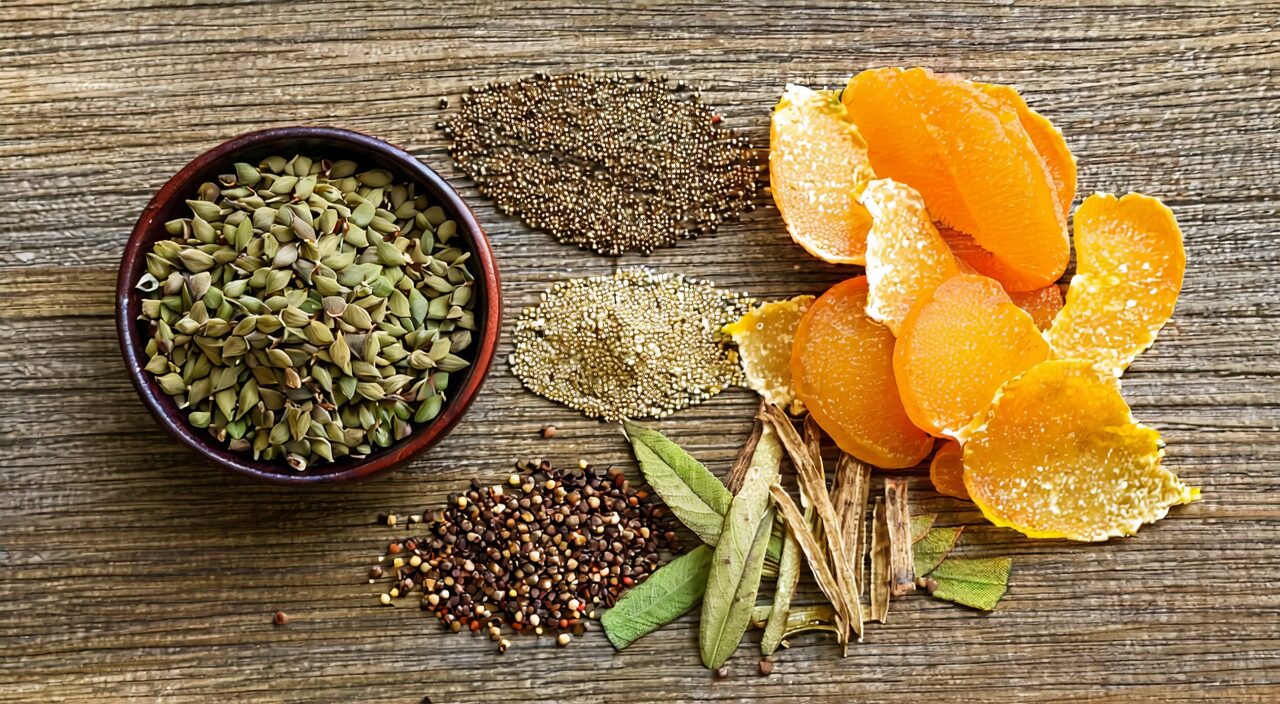
Yu Li Ren is rarely the main character in a formula, but it appears with notable frequency in traditional formulas aimed at moistening the intestines or promoting urination. The following are a few representative examples:
Wu Ren Wan (Five Seed Pill): This is a classic intestinal-moistening formula featuring several kinds of seeds. Its common composition includes Yu Li Ren, Hemp Seed, Biota Seed (Bai Zi Ren), Apricot Seed (Xing Ren), and Peach Kernel, among others. It is traditionally used for fluid depletion and intestinal dryness causing dry, difficult stools. However, because of its overall moistening nature, it is not the first choice for atonic constipation where the bowel lacks propulsive force. In clinical use, it is often combined with qi-regulating herbs like Tangerine Peel (Chen Pi) to prevent excessive moistening from obstructing the qi dynamic.
Run Chang Wan (Intestine-Moistening Pill): There are various versions of Intestine-Moistening Pill from different eras. One type contains Yu Li Ren, often combined with Chinese Angelica Root (Dang Gui), Rehmannia Root (Sheng Di), and Peach Kernel. It is mainly used for blood deficiency and fluid depletion leading to intestinal dryness and constipation. Within this formula, Yu Li Ren not only moistens the intestines but also helps the other ingredients to better exert their moistening effect. At the same time, because it can drain water, it may serve to prevent excessive moistening from leading to dampness retention.
Yu Li Ren Tang (Yu Li Ren Decoction): Although less famous than the previous two, this formula is mentioned in cases of water-dampness stagnation and impaired qi movement in the intestines. Yu Li Ren is often combined with Poria (Fu Ling), Atractylodes (Bai Zhu), and Tangerine Peel (Chen Pi). It is used for conditions such as scanty urination, abdominal distension, mild edema, and uncomfortable bowel movements, reflecting its dual characteristics of moistening the intestines and promoting diuresis.
These formulas only serve to illustrate one line of thinking within traditional usage. Different combinations, dosages, and modifications can alter the overall therapeutic direction. Those without systematic Chinese medicine pattern differentiation should not prepare formulas on their own without guidance. This information should be viewed as a reference for further understanding.
What Precautions Should Be Taken When Using Yu Li Ren?
Even as a relatively gentle medicinal herb, there are some obvious precautions to observe when using Yu Li Ren, especially when self-assessment abilities are limited.
First is pregnancy. Traditionally, Yu Li Ren is believed to have a downward-moving and draining nature, so it is generally advised that pregnant women avoid using it to prevent unnecessary physiological changes. Second, for individuals who normally have loose stools, are prone to diarrhea, or have a cold and weak digestive system, the oily, moistening, and purgative properties of Yu Li Ren may worsen their symptoms. It is usually not recommended for such individuals to use it alone or in excessive amounts.
Furthermore, if one is experiencing a state of dehydration—for example, due to vomiting, diarrhea, heavy sweating, or inadequate water intake—special caution is needed when using any herb with moistening, laxative, or diuretic properties to avoid further disturbing fluid balance. Long-term reliance on laxative products containing Yu Li Ren also warrants vigilance, as intestinal function may gradually weaken, leading to a decline in the ability to defecate autonomously. For any severe, persistent, or recurring defecation problems or edema issues, especially when accompanied by significant abdominal pain, bloody or black stools, and unexplained weight loss, it is essential to consult a doctor or qualified professional first rather than relying solely on a single herb to address the problem.
These considerations are based on traditional experience and general safety concerns and cannot cover all individual variations. The correct approach remains to comprehensively consider product instructions, personal constitution, and professional advice.
Summary
As a moistening laxative medicinal derived from mature seeds, Yu Li Ren’s oily nature and its dual action of moistening the intestines and draining water are key features that distinguish it from similar varieties like Hemp Seed and Peach Kernel. It holds a place in formulas such as Five Seed Pill, Intestine-Moistening Pill, and Yu Li Ren Decoction, but these are all inseparable from specific herb combinations and pattern differentiation and cannot be arbitrarily applied. Because of its high oil content and tendency to turn rancid, as well as safety boundaries such as avoidance during pregnancy, unsuitability in diarrhea, and the need for caution with long-term dependence, it is recommended to fully understand the product information and one’s own condition before use. When in doubt, promptly seek professional guidance. This article is for informational reference only and cannot replace professional diagnosis or treatment advice.