
What Is Zhi Ke (Bitter Orange)? Medicinal Parts, Identification, and Common Formulas
When searching for herbs to regulate qi and relieve distension, many people notice an herb called “Zhi Ke” (Bitter Orange). It sounds similar to Chen Pi (tangerine peel) and Zhi Shi (immature bitter orange), yet it has distinct characteristics in terms of source, appearance, and usage. This article introduces the origin, physical features, traditional uses, and differences from Zhi Shi to help readers develop a more complete understanding of Zhi Ke.
What Does Zhi Ke Look Like? How to Identify It
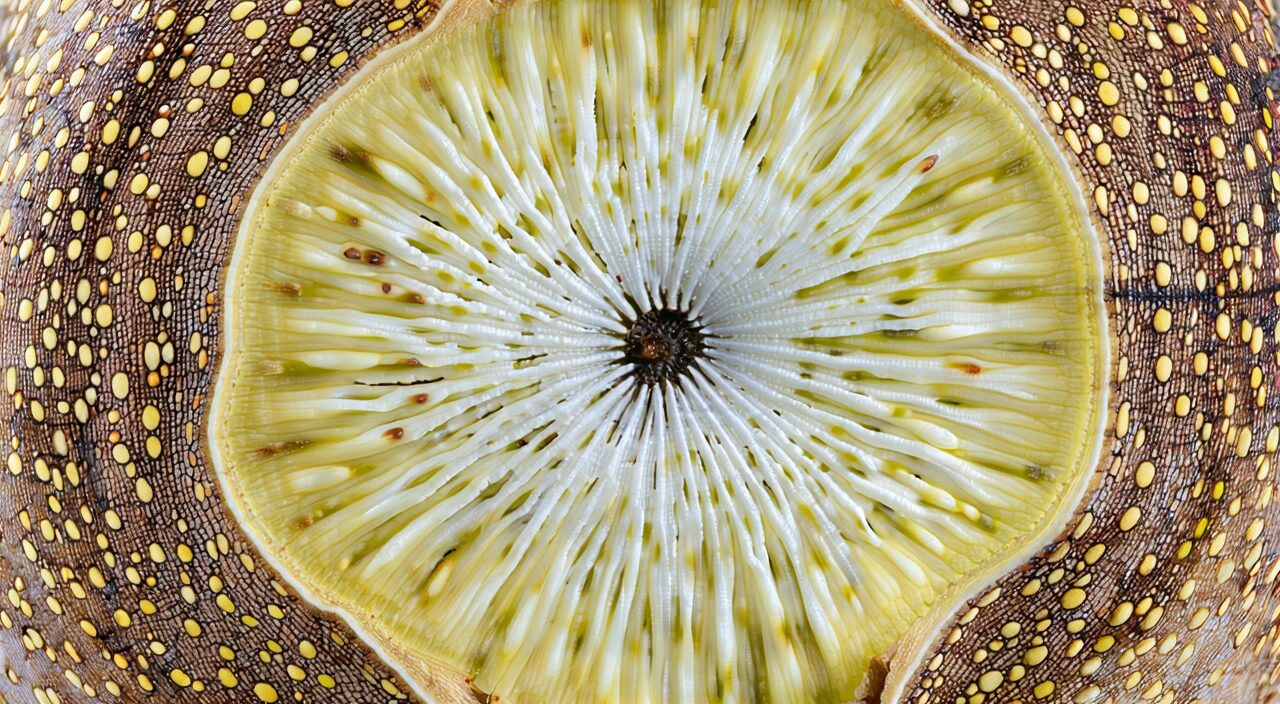
In herb markets or prepared slice bags, Zhi Ke is usually cut into hemispherical slices about 3–5 cm in diameter. The outer surface is yellowish-brown, greenish-brown, or yellowish-green and covered with many obvious small depressions—these are oil cavities (oil dots)—giving it a grainy feel. Turning the slice over reveals a section with a ring of relatively thick peel that is pale yellow-white in color, accounting for roughly one-third to one-half of the cut surface. The inner part displays light brown or yellowish-white pulp chambers arranged radially; in some slices, the dried traces of juice sacs remain visible. Some slices retain a short stalk or style remnant at the center. Overall, it has a refreshing citrus-like aroma, tastes bitter, and then leaves a slightly sour aftertaste.
Because Zhi Ke uses nearly mature fruit, the peel is much thicker than that of a fully ripe fruit and has a firmer texture that does not crumble easily. This is clearly different from Chen Pi, which is dry, thin, and pliable. If you see large hemispherical fruit slices in dried herb form, with fine oil dots on the outer peel, a thick rind, and distinct pulp chambers, it is most likely Zhi Ke.
What Is the Medicinal Part of Zhi Ke?
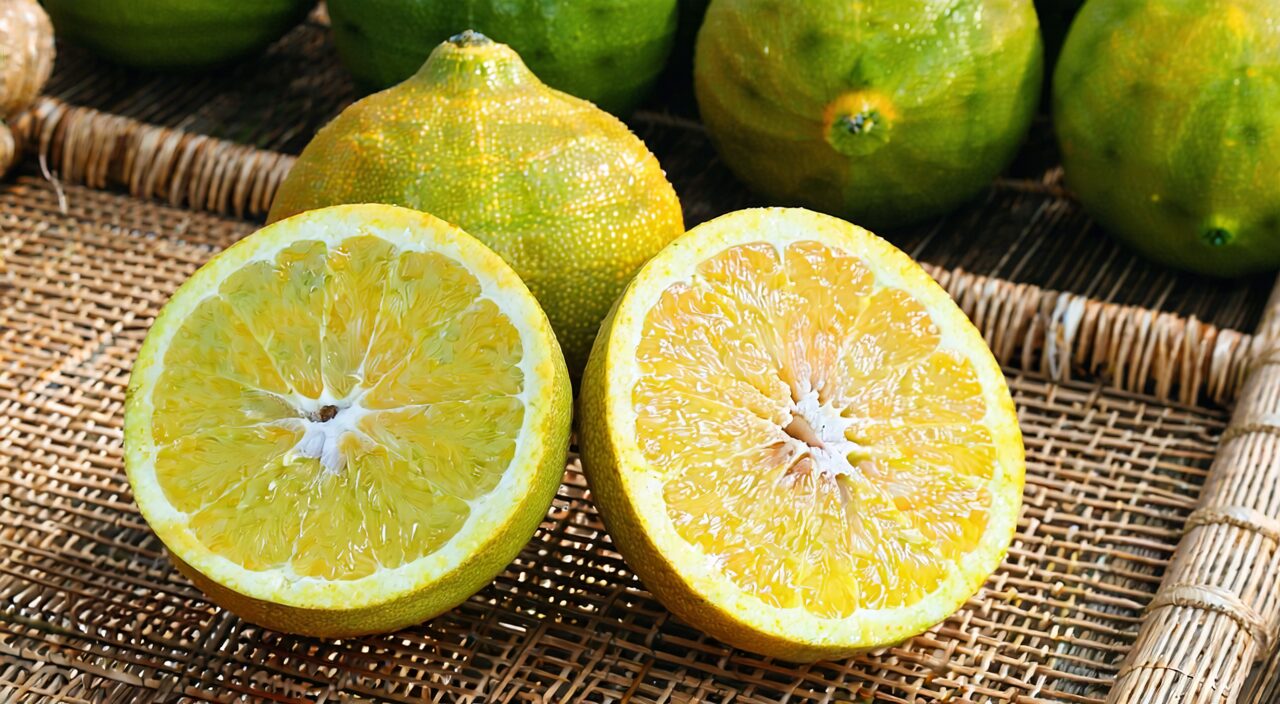
Zhi Ke comes from the Rutaceae plant sour orange (Citrus aurantium) and its cultivated varieties. The medicinal part is the dried, nearly mature fruit. Harvesting generally takes place from July to August, when the fruit is still greenish and not fully ripe. After harvesting, the fruit is cut in half crosswise, the stalk and impurities are removed, and the halves are dried in the sun or at low temperature. Therefore, the prepared slices of Zhi Ke that we see are actually half fruits with both the peel and the internal pulp chambers, not whole fruits.
This practice of harvesting at the near-maturity stage results in a chemical composition different from that of fully ripe fruit. It retains higher levels of volatile oils and flavonoids, components closely associated with its traditional function of moving qi and relaxing the middle burner. In clinical use, it is often dry-fried (e.g., stir-fried with bran) to moderate its nature.
How Does Traditional Chinese Medicine Understand Zhi Ke?

In traditional Chinese medicine theory, Zhi Ke is bitter, acrid, and sour in flavor, slightly cold in nature, and enters the Spleen, Stomach, and Large Intestine meridians. Its primary action focuses on regulating qi, relaxing the middle burner, moving stagnation, and relieving distension. TCM often understands Zhi Ke from the following perspectives: when the spleen and stomach qi mechanisms fail to move smoothly, leading to stuffiness in the chest and hypochondrium, epigastric distension, poor digestion after meals, or difficult bowel movements, Zhi Ke can activate the qi dynamic in the middle burner through its qi-moving effect, helping to relieve distension and discomfort. At the same time, it also possesses some phlegm-dispersing action and is commonly combined with phlegm-resolving herbs for patterns of qi stagnation and phlegm obstruction.
Compared with other qi-moving herbs, Zhi Ke acts more gently. It can move qi without excessively dispersing it, making it especially suitable for situations where qi is congested but the healthy qi is still relatively intact. In many formulas that regulate the middle burner, Zhi Ke is often paired with herbs such as Chai Hu (bupleurum), Jie Geng (platycodon root), and Chen Pi (tangerine peel) to jointly restore the ascending and descending of qi. However, these understandings are based on holistic pattern differentiation. Whether it suits an individual must take into account their constitution, specific presentations, and professional judgment. One should not use it based on a single symptom alone.
What Have Modern Studies Found?
Modern research has explored the components and pharmacological effects of Zhi Ke. It contains volatile oils, flavonoids (such as naringin and neohesperidin), alkaloids (such as synephrine), and coumarins. Some experimental studies indicate that Zhi Ke extracts can promote gastrointestinal motility, regulate the contraction of gastrointestinal smooth muscle, and stimulate bile secretion to some extent, which echoes its traditional use of “moving stagnation and relieving distension.” In addition, the flavonoids have shown potential for antioxidant and lipid-regulating effects, while synephrine has a certain stimulating effect on the cardiovascular system and may influence blood pressure.
It must be emphasized that most of these studies come from animal experiments or in vitro tests and are not entirely equivalent to the actual effects of daily human use. When using Zhi Ke as a general health herb, one should not overstate the action of a single component, nor regard it as a basis for treating diseases.
What Are the Differences Between Zhi Ke and Zhi Shi?
Many people cannot distinguish between Zhi Ke and Zhi Shi. Although they share the same origin, the differences are obvious. Zhi Shi is the dried young fruit of sour orange, harvested even earlier—usually in May to June from naturally fallen immature fruit. They are very small, typically 1–2 cm in diameter, extremely hard in texture, and solid inside when cut, with almost no visible pulp chambers. Zhi Ke, on the other hand, is the nearly mature fruit, larger in diameter, with a thick peel, internal hollows, and distinct pulp chambers.
In traditional applications, Zhi Shi has a stronger, more drastic action, tending to break qi, disperse accumulations, transform phlegm, and relieve stuffiness. It is often used for food stagnation, severe abdominal distension and pain, and chest impediment patterns. Zhi Ke acts more gently, excelling at regulating qi, relaxing the middle, moving stagnation, and relieving distension, making it more suitable for stages where qi stagnation and distension are present but accumulation is not severe. One can understand it this way: Zhi Shi tends to “break,” while Zhi Ke tends to “move” and “relax.” In practice, the choice should be based on the degree of qi stagnation, constitutional strength, and other factors, and they cannot be simply interchanged.
Which Formulas Include Zhi Ke?
Zhi Ke appears in many classic formulas, often serving as a qi-regulating herb that works synergistically with other medicinals. Here are several common examples:
- Chai Hu Shu Gan San: Composed of Chai Hu, Bai Shao, Zhi Ke, Gan Cao, etc. Traditionally, it is used for liver qi depression, hypochondriac distension and pain, chest oppression, and frequent sighing. In this formula, Zhi Ke assists Chai Hu in soothing the qi dynamic and enhances the actions of moving qi and stopping pain.
- Xue Fu Zhu Yu Tang: This is a famous formula for invigorating blood and transforming stasis, containing Tao Ren, Hong Hua, Dang Gui, Sheng Di, etc. To assist the blood-invigorating action, the formula adds Zhi Ke and Jie Geng, one ascending and one descending, to regulate the qi dynamic in the chest, promote blood circulation, and reduce stasis.
- Jie Geng Zhi Ke Tang: Consisting solely of Jie Geng and Zhi Ke, one disperses upward and the other directs downward. It is traditionally used for chest qi stagnation, cough, chest tightness, and difficult expectoration of phlegm, embodying a simple ascending-descending qi coordination concept.
- Ji Chuan Jian: Includes Dang Gui, Niu Xi, Rou Cong Rong, Ze Xie, Sheng Ma, and Zhi Ke, etc. It is commonly used in strategies of warming the kidney, enriching the essence, moistening the intestines, and promoting bowel movements. Here, Zhi Ke lowers qi, relaxes the intestines, and assists with defecation.
It is important to emphasize that the above formulas are only examples of traditional prescriptions. Whether they are suitable for an individual’s constitution and current condition must be fully assessed by a professional based on four diagnostic examinations. Self-prescribing and self-dispensing without guidance is not advisable.
What Precautions Should Be Taken When Using Zhi Ke?
Although Zhi Ke is a common herb, it is not suitable for everyone. Traditional experience suggests that pregnant women should use Zhi Ke cautiously because its qi-moving action may disturb the qi dynamic and adversely affect the fetus. In addition, people with a constitution tending toward qi deficiency with sinking, such as those with chronic diarrhea, abdominal sagging, or a tendency toward organ prolapse, should also use it with care—the lowering and directing action of Zhi Ke might instead aggravate sinking patterns.
Modern research hints that Zhi Ke has a stimulating effect on the cardiovascular system and may raise blood pressure. Therefore, individuals with poorly controlled blood pressure, arrhythmias, or those taking cardiovascular medications should consult a doctor before using products containing Zhi Ke. At the same time, commercial Zhi Ke comes from various sources, and cultivated sour orange varieties from different regions may have differing component profiles. If purchasing products, one should pay attention to product instructions and clarify usage and dosage under professional guidance.
If someone experiences severe, prolonged, or recurrent digestive discomfort, or if it is accompanied by intense abdominal pain, persistent vomiting, black stools, or unexplained weight loss, they should not simply rely on a single herb, but should seek prompt medical examination to rule out other possible diseases.
Summary
Zhi Ke is a commonly used qi-regulating herb. Its physical characteristics include a hemispherical shape, oil dots on the outer peel, and a thick rind. Its medicinal part is the sliced, nearly mature fruit of sour orange. In traditional usage, it primarily regulates qi, relaxes the middle, moves stagnation, and relieves distension. It clearly differs from the more potent Zhi Shi in harvest time and application emphasis. Whether understanding its morphology or its role in herbal combinations, the key lies in recognizing that Zhi Ke requires pattern-differentiated application, and its suitability varies from person to person. This article is for informational reference only and cannot replace professional diagnosis or treatment advice.