
What Is Zhishi? Medicinal Parts, Identification, and Common Formulas
Many friends interested in Traditional Chinese Medicine ask “what is Zhishi,” and some may confuse it with Zhiqiao or Chenpi. In short, Zhishi comes from the dried immature fruit of Citrus aurantium and its cultivated varieties or Citrus sinensis, and is one of the commonly used herbs in the category of regulating qi. Below, we will organize the basic information about this herb from aspects such as appearance identification, medicinal parts, traditional understanding, differences from Zhiqiao, common formulas, and usage precautions.
What Does Zhishi Look Like? How to Identify It?
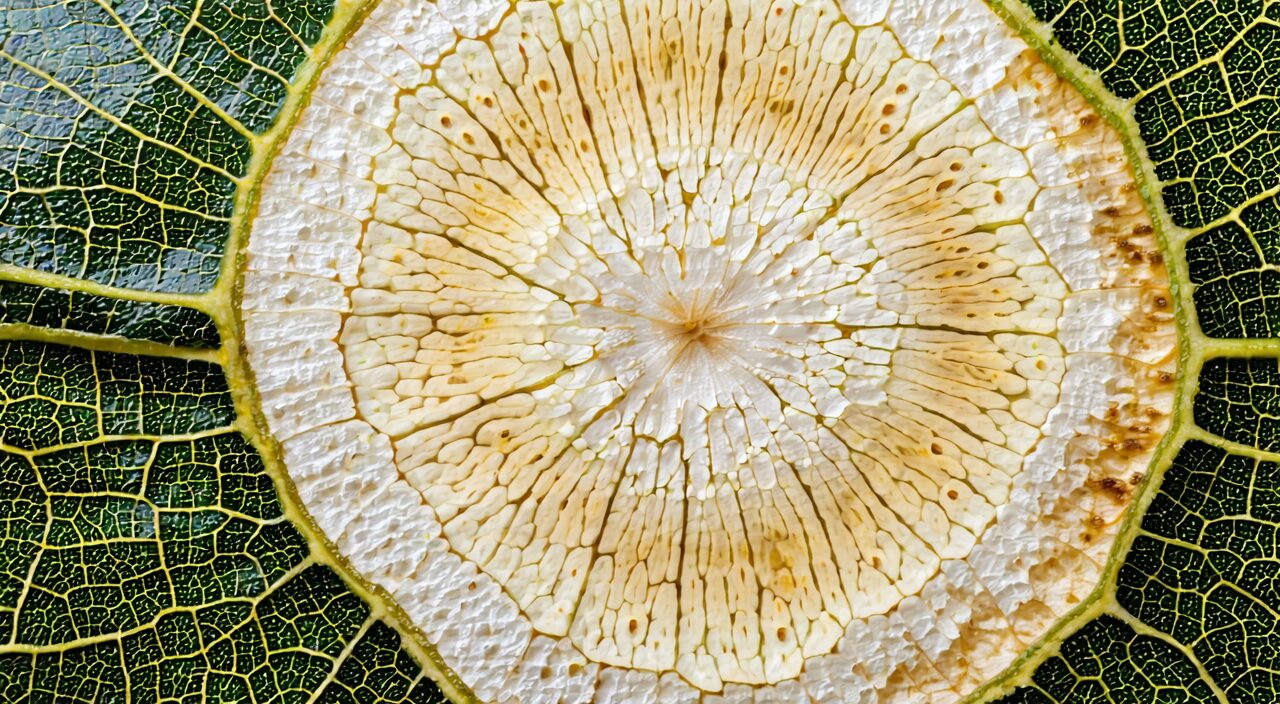
Dried Zhishi slices are usually hemispherical or spherical slices, and some are irregular thin pieces, with a diameter mostly between 0.5 and 2.5 centimeters. The outer surface appears greenish-brown, dark green, or brownish, often with obvious granular protrusions and fine wrinkles; upon close inspection, raised oil dots can be seen.
The cut surface shows a yellowish-white or light yellowish-brown mesocarp, with usually 1-2 rows of oil chambers at the edge, and brown pulp sacs radiating in the center, which is one of the key identification features. The texture is hard and not easily broken, with a fresh fragrance, and tastes bitter and slightly sour. If you smell a musty odor or the color is too dark when purchasing, it may indicate improper storage or poor quality.
What Is the Medicinal Part of Zhishi?
The medicinal part of Zhishi is the dried immature fruit. Usually harvested in May and June, the fallen young fruits or immature fruits are collected, impurities removed, cut in half crosswise from the middle, and dried in the sun or at low temperature; there are also processing methods where it is sliced or cut into strips while fresh and then dried.
Because it is harvested as young fruit, the size is small and the texture is compact, and traditionally it is considered to have a stronger qi-breaking action. This is distinctly different from Zhiqiao, which is harvested from nearly mature or mature fruits; a detailed comparison will follow later.
How Does TCM Understand Zhishi?
Traditional Chinese medicine typically understands Zhishi from the perspectives of breaking qi to resolve accumulation and transforming phlegm to disperse distention. Its nature and flavor are bitter, acrid, and sour, slightly cold, and it enters the spleen and stomach meridians.
When improper diet or emotional distress causes qi stagnation in the middle burner, leading to symptoms like epigastric and abdominal distension, frequent belching, difficult bowel movements, or tenesmus, Zhishi is often used to regulate qi and eliminate stagnation. For patterns of phlegm and qi obstructing each other causing epigastric stuffiness and chest impediment, Zhishi is also commonly used in combinations to transform phlegm and disperse distention.
It should be noted that these understandings belong to traditional usage ideas, and whether it is suitable for a specific individual still requires comprehensive judgment based on constitution, symptoms, and the combination with other herbs.
What Does Modern Research Focus on Regarding Zhishi?
Modern research has found that Zhishi contains volatile oils, flavonoid components such as hesperidin and neohesperidin, and alkaloid components like synephrine and N-methyltyramine. Some experiments suggest that Zhishi may have a bidirectional regulatory effect on gastrointestinal smooth muscle, capable of promoting peristalsis under certain conditions while relieving spasms in other situations.
In addition, literature also mentions that components like synephrine may affect the cardiovascular system, such as vasoconstriction, raising blood pressure, or increasing heart rate. This provides some background for later discussion on precautions when using Zhishi and reminds those with relevant underlying conditions to be more cautious.
What Are the Differences Between Zhishi and Zhiqiao?
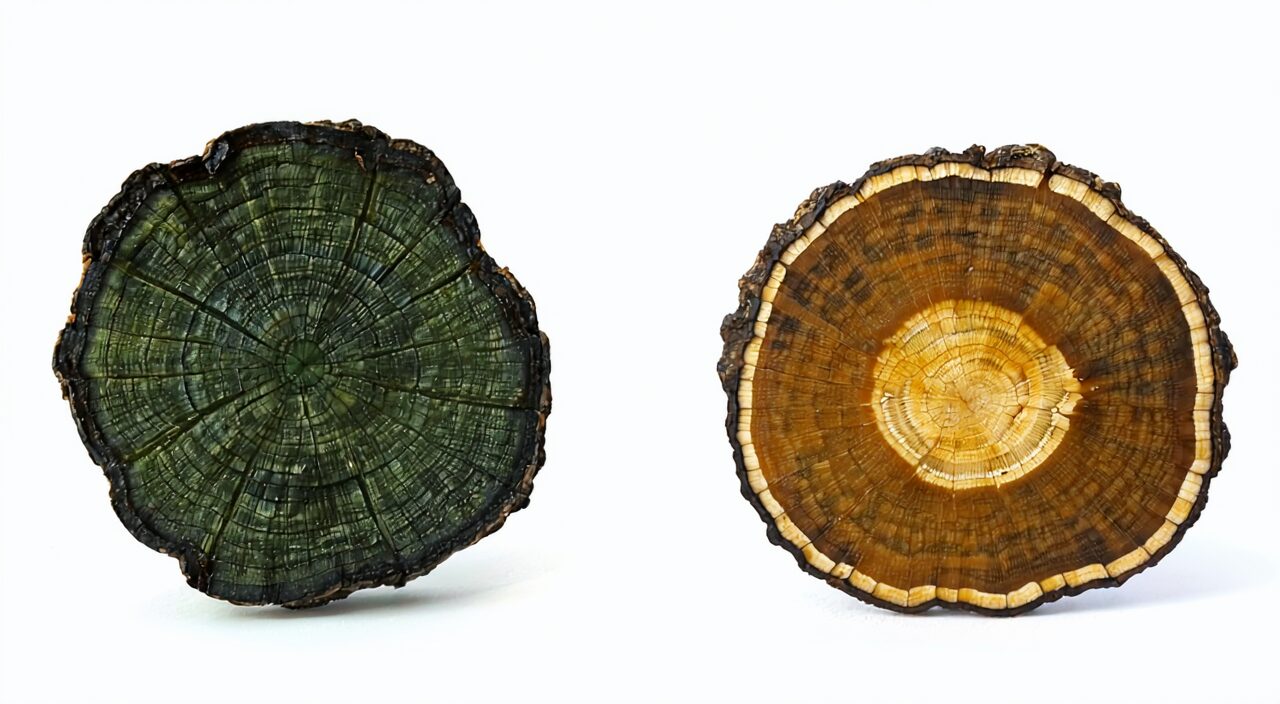
Zhishi and Zhiqiao come from the same plants such as bitter orange, but the harvest time differs. Zhishi is the dried young fruit, cut crosswise with or without peel; Zhiqiao is the nearly mature or immature but larger fruit, cut in half crosswise, usually with a larger diameter, the outer skin often brownish or greenish-brown, the texture relatively looser, and the pulp sacs larger.
Traditionally, Zhishi is considered to have a more drastic action, tending to break qi and resolve accumulation, mainly for cases with evident stagnation and severe distention; Zhiqiao has a relatively milder action, tending to move qi and relieve distension in the middle, often used for chest and hypochondriac distension, and mild to moderate epigastric and abdominal distension. Sometimes the two may be substituted or used in combination as needed, but they are by no means the same herb and should not be confused.
Which Formulas Use Zhishi?
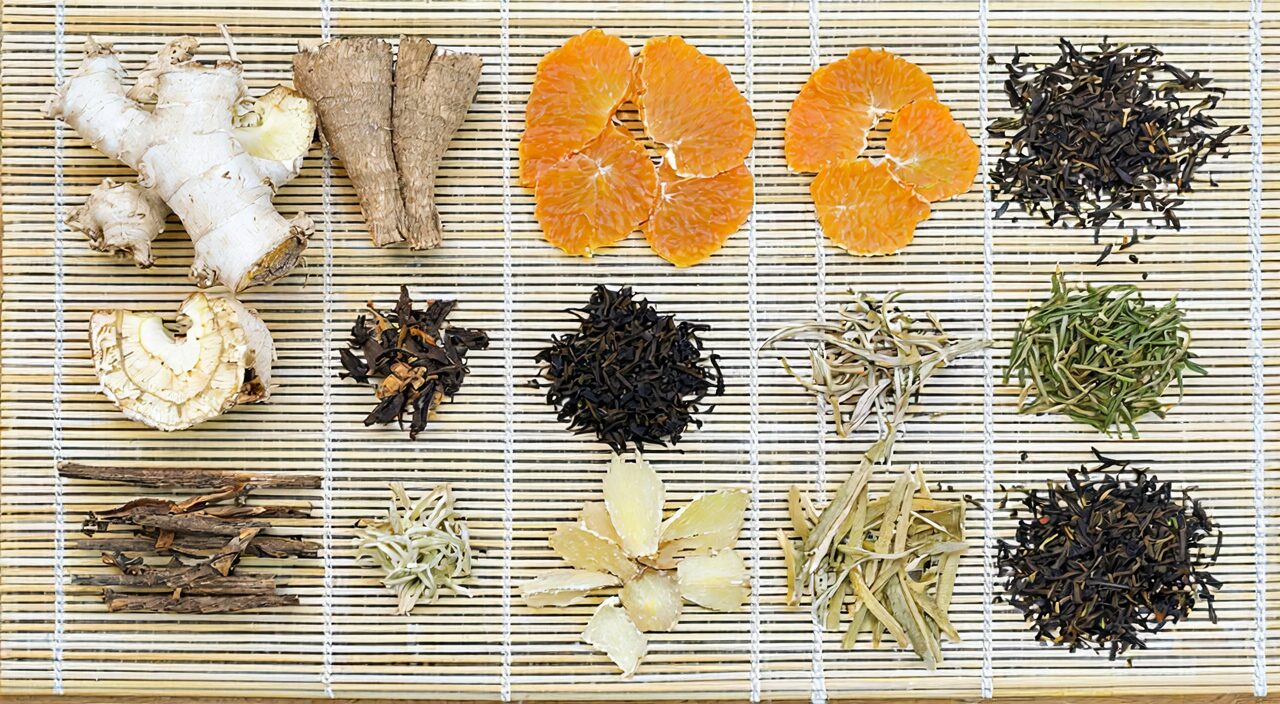
Zhishi appears in many classic formulas. Below are a few common examples, provided only as a direction for understanding traditional approaches.
Zhizhu Pill: Composed of Zhishi and Baizhu, traditionally used for spleen and stomach weakness with food accumulation, aiming to both reduce and tonify.
Da Cheng Qi Decoction: Contains Da Huang, Hou Po, Zhishi, and Mang Xiao, and is one of the representative formulas for drastically purging heat accumulation, traditionally used for symptoms like epigastric fullness, abdominal distension, dryness, and constipation caused by interior excess heat accumulation. This formula has a drastic action and must be used under strict pattern differentiation.
Si Ni Powder: Composed of Chai Hu, Zhi Shi, Bai Shao, and Gan Cao, often used to soothe the liver and regulate the spleen, and to regulate qi movement, suitable for patterns of liver qi constraint and qi stagnation.
Wen Dan Decoction: Its composition typically includes Ban Xia, Zhu Ru, Zhi Shi, Chen Pi, Gan Cao, Fu Ling, etc. The traditional approach is to regulate qi and resolve phlegm, clear the gallbladder and harmonize the stomach, often used for irritability, palpitations, and insomnia caused by phlegm-heat disturbing the interior or gallbladder-stomach disharmony.
The above formulas each have their own emphasis. Actual use requires comprehensive judgment based on individual constitution, symptom characteristics, combined with professional advice and product instructions, and should not be arbitrarily selected on one’s own.
What Precautions Should Be Taken When Using Zhishi?
Before using Zhishi, several aspects deserve special attention.
Pregnancy is a special physiological stage. Traditionally, it is believed that Zhishi has a relatively strong qi-moving and qi-breaking action, so pregnant women should use it with caution and follow medical advice. For those with obvious qi deficiency, such as frequent fatigue, shortness of breath, and improper fullness in the stomach and abdomen, the suitability should also be carefully weighed.
Furthermore, people with underlying cardiovascular diseases such as hypertension, arrhythmia, or coronary heart disease should be especially cautious. Because components like synephrine contained in Zhishi may affect blood pressure and heart rate, there may theoretically be interactions with blood-pressure-raising drugs, certain stimulant drugs, or monoamine oxidase inhibitors. If you are taking related prescription medications, be sure to determine whether it can be used under the guidance of a professional doctor.
If physical discomfort is severe, long-lasting, recurrent, or accompanied by warning signs such as obvious chest tightness, palpitations, severe abdominal pain, persistent vomiting, black stools, or weight loss, one should not rely on a single herb or self-prescribe. Instead, consult a doctor or relevant professional as soon as possible.
Summary
Zhishi is the dried immature fruit of bitter orange or sweet orange, traditionally used for breaking qi to resolve accumulation and transforming phlegm to disperse distention. Although it shares the same origin as Zhiqiao, they have distinct differences in maturity, size, and the strength of traditional actions. Before use, special attention must be paid to deficiency constitution, pregnancy, and underlying cardiovascular conditions to avoid blind self-use. This article is for general informational purposes only and cannot replace professional diagnosis or treatment advice.